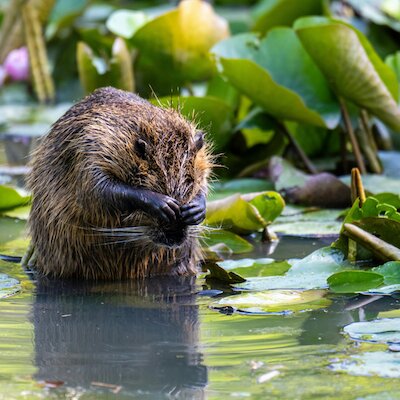
Photo credit: Rewilding Argentina – In Parque Nacional Ciervo de los Pantos, the iconic marsh deer relies on protected wetlands, Matias Rebak
Rewilding shapes the future of wetlands
Our first working group focuses on wetlands, an important and highly threatened ecosystem that connects land, freshwater, and oceans. Wetlands are critical for life on earth, as they provide water and play a key role for the climate.
But despite their importance, wetlands are the most degraded ecosystem on the planet. Wild animals have been found to shape essential functions of inland and coastal wetlands, and yet the wild animals that inhabit them are the most decimated and threatened group of species globally. We must bring back the functionality of wetlands for the survival, wellbeing and prosperity of rural and urban communities around the world.
The future of wetlands will be shaped through rewilding efforts, in which intact food chains and the presence of wild animals in sufficient population numbers play a particularly critical role.
What are Wetlands?
The Ramsar Convention on Wetlands defines wetlands as “areas of marsh, fen, peatland or water, whether natural or artificial, permanent or temporary, with water that is static or flowing, fresh, brackish or salt, including areas of marine water the depth of which at low tide does not exceed six metres”.
Five major wetland types are generally recognized:
- Marine (coastal wetlands as coastal lagoons, rocky shores, coral reefs, and marine subtidal aquatic beds, which include kelp beds, sea-grass beds, tropical marine meadows);
- Estuarine (including deltas, tidal marshes, and mangrove swamps);
- Lacustrine (wetlands associated with lakes);
- Riverine (wetlands along rivers and streams); and
- Palustrine (meaning “marshy” – marshes, swamps and bogs)
WETLANDS CASE STUDIES
A snapshot of on-the-ground rewilding projects for wetland recovery led by our partners.
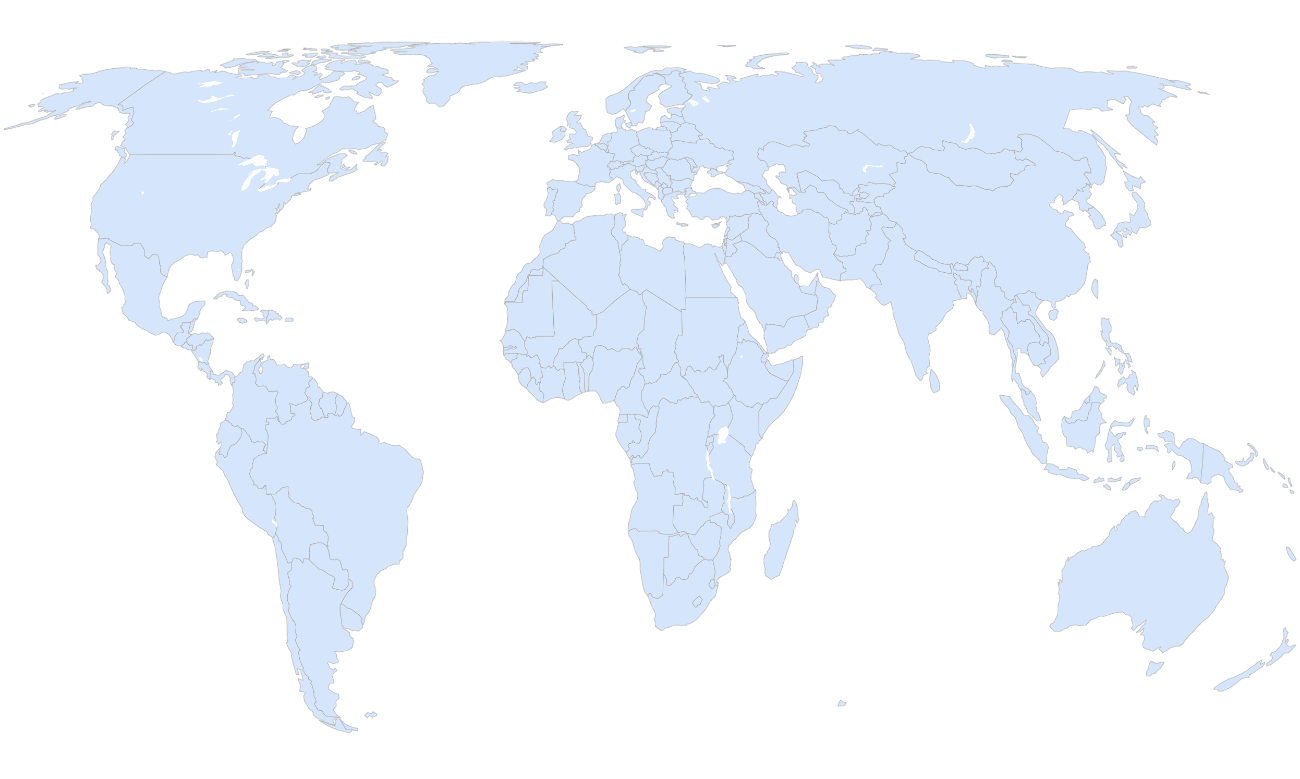
This map uses the Equal Earth projection, endorsed by the The United Nations General Assembly in September 2026 to encourage accurate geographical representation in educational and global applications.
Rewilding Sweden
Sweden
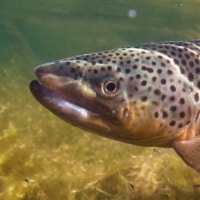
Freshwater Pearl Mussel, Atlantic Salmon and Brown Trout’s conservation is essential for maintaining the health and resilience of river ecosystems.
The conservation of the Freshwater Pearl Mussel, Atlantic Salmon and Brown Trout is essential for maintaining the health and resilience of river ecosystems. Their interconnected survival depends on a landscape-scale approach that restores both species and habitats.
Case study: River Ecosystem Restoration
Global Rewilding Alliance
Coastal
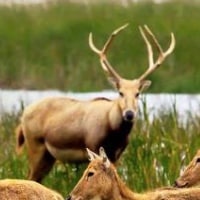
Shorebirds and Père David’s Deer play essential roles in maintaining and restoring coastal wetland ecosystems and provide key ecosystem services.
Shorebirds and Père David’s Deer play essential roles in maintaining and restoring coastal wetland ecosystems. Their combined impacts provide key ecosystem services, including carbon sequestration, sediment stabilization, and improved water quality.
Case study: Coastal Wetland Integration
ARK Rewilding Nederland
The Netherlands
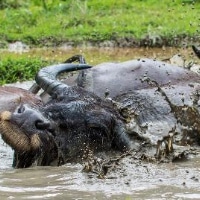
ARK demonstrates the significant ecological impacts of large terrestrial herbivores on wetland habitats, from Elephants to Beavers.
Elephants, Hippos, Horses, Bovines, Beavers, Water Buffalo and other large herbivores all play crucial roles in their environment and provide rich areas that support a variety of other species. ARK demonstrates the significant ecological impacts of large terrestrial herbivores on wetland habitats.
Case study: Herbivores and Wetland Habitats
Bamff Wildland
Scotland
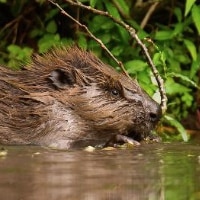
The extensive beaver-engineered wetlands adopt a ‘catalysed rewilding’ approach involving minimal interventions to encourage a self-sustaining ecosystem.
The 170-hectare Bamff Wildland, comprising fields, woodlands, and extensive beaver-engineered wetlands, adopts a ‘catalysed rewilding’ approach. This method involves minimal interventions, such as native tree planting and invasive species control, to encourage a self-sustaining ecosystem.
Case study: Beaver-led Wetland Engineering
Global Rewilding Alliance
Global
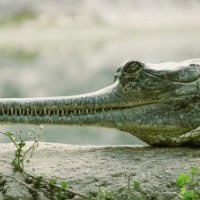
Crocodylians act as ecosystem engineers. Their presence in ecosystems serves as a barometer for water management and hydrological functions, highlighting their potential as ecosystem health indicators.
Crocodylians are among the largest predators in their habitats and act as ecosystem engineers, modifying habitats by constructing dens, holes, and mound nests. Their presence in ecosystems like the Florida Everglades serves as a barometer for water management and hydrological functions, highlighting their potential as ecosystem health indicators.
Case study: Crocodylian’s Ecological Roles
Rewilding Apennines
Italy
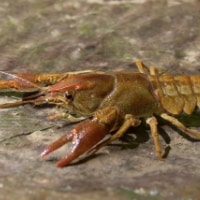
The Central Apennines in Italy host diverse aquatic ecosystems, home to the endangered White-Clawed Crayfish, a key species that plays a vital role in maintaining water quality and supporting food webs.
The Central Apennines in Italy host diverse aquatic ecosystems, home to the endangered White-Clawed Crayfish, a key species that plays a vital role in maintaining water quality and supporting food webs. Rewilding Apennines has taken action to restore the species through breeding centres and habitat rehabilitation.
Case study: Freshwater Biodiversity Conservation
Wildlife Trust of India
India
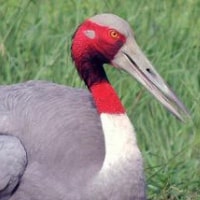
The Sarus Crane serves as a key indicator of wetland health as they provide crucial ecosystem services, including habitat enhancement, nutrient cycling, and biodiversity support.
The Ganges River basin hosts diverse wetlands vital for biodiversity, including the culturally significant but vulnerable Sarus Crane, which depends on both natural and man-made wetlands. The Sarus Crane serves as a key indicator of wetland health as they provide crucial ecosystem services, including habitat enhancement, nutrient cycling, and biodiversity support.
Case study: Sarus Crane Ecosystem Services
Wildlife Conservation Trust India
India
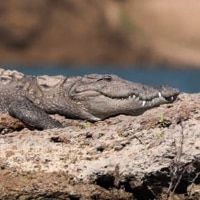
Protected areas like the National Chambal Sanctuary are crucial for the ongoing health of India’s diverse ecosystems, ensuring the survival of both aquatic and semi-aquatic species.
Despite threats from habitat destruction, pollution, and climate change, protected areas like the National Chambal Sanctuary are crucial for the ongoing health of India’s diverse ecosystems, ensuring the survival of both aquatic and semi-aquatic species.
Case study: Ecological Role of Large Fishes & Reptiles
Rewilding Argentina
Argentina
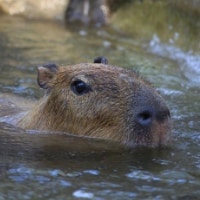
In the Ibera Wetlands, key species like Jaguars help control the Capybara population and restore natural trophic cascades that balance ecosystem dynamics.
In the Ibera Wetlands, the reintroduction of key species like Jaguars help control the Capybara population and restore natural trophic cascades that balance ecosystem dynamics. Species such as Caimans, Giant River Otters, Collared Peccaries and Marsh Deer play crucial roles in nutrient cycling and ecosystem engineering, maintaining balance and enhancing biodiversity through their natural behaviours.
Case study: Top Predators & Ecosystem Health
Rewilding Ukraine
Ukraine
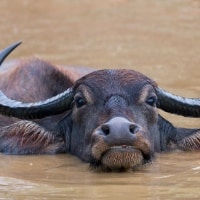
The Danube Delta is one of the most crucial habitats for wetland wildlife on the continent. Rewilding efforts highlight the significant impact of diverse herbivore populations on ecological restoration.
The Danube Delta is one of the most crucial habitats for wetland wildlife on the continent. Rewilding efforts emphasise natural grazing systems, highlighting the significant impact of diverse herbivore populations, such as Ukrainian Grey Cattle and Hutsul Horses, on ecological restoration.
Case study: Danube Delta Rewilding
Re:wild
Vietnam
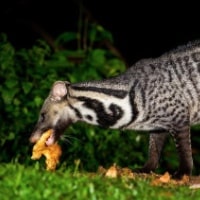
Wildlife in U Minh plays a significant role as ecosystem engineers, influencing habitat structure, nutrient cycling, and seed dispersal.
Wildlife in U Minh, such as Waterbirds, Sunda Pangolins, Otters, Civets, Turtles and Long-Tailed Macaques play significant roles as ecosystem engineers, influencing habitat structure, nutrient cycling, and seed dispersal. Rewilding and conservation efforts in the U Minh Wetlands have been actively pursued and the ecosystem is gradually recuperating.
Case study: U Minh Wetland Conservation
Okavango Delta – A Living System Engineered by Animals
Botswana
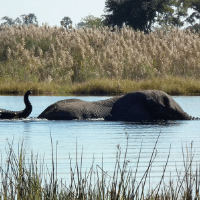
The movements of hippos and elephants, combined with termite activity, shape water and sediment flows that sustain the Okavango Delta’s wetlands.
In the Okavango Delta, hippos, elephants and termites act as ecosystem engineers, shaping how water moves between channels, lagoons and floodplains. Their combined actions sustain a dynamic equilibrium between sediment and flow that keeps this vast wetland alive.
West African Manatees and Dugongs
Western Africa

Manatees and dugongs sustain West Africa’s coastal and freshwater ecosystems through grazing, seed dispersal, nutrient cycling and carbon storage.
West Africa’s only sirenians, manatees and dugongs, shape aquatic ecosystems through grazing, seed dispersal and nutrient cycling. Their survival underpins the productivity, carbon storage, and health of the region’s coastal and freshwater systems.
Case study: Ecological Roles of Sirenians in Western Africa
Fish-Urchin Imbalance and Seagrass Decline
Coastal Kenya
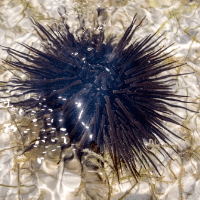
Restoring the balance between fish and urchins is key to reversing the decline of Kenya’s seagrass meadows and protecting coastal livelihoods.
Kenya’s seagrass meadows support marine biodiversity, coastal livelihoods and carbon sequestration, but overfishing and urchin overgrazing are driving a steady decline. Restoring balance between fish and urchin populations is key to reversing this trend.
Banc d’Arguin National Park
Mauritania
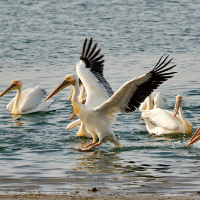
Banc d’Arguin hosts over two million migratory birds and endangered Mediterranean monk seals, making it a vital marine biodiversity hotspot.
One of Africa’s largest marine protected areas, Banc d’Arguin is a biodiversity hotspot hosting over two million migratory birds each year. It also shelters the endangered Mediterranean monk seal, vital to the health of the wider marine ecosystem.
Case study: Banc d’Arguin National Park in Mauritania
The Return of Biodiversity and Resilience to Chumbe Island
Tanzania
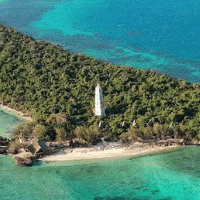
Chumbe Island’s conservation, education and ecotourism model has restored reef sharks and fish stocks within its protected no-take sanctuary.
Chumbe Island, the world’s first self-sustaining marine protected area, combines conservation, education and ecotourism. Its effective management and no-take reef sanctuary have brought back black-tip reef sharks and boosted fish stocks vital to Zanzibar’s fisheries.
Ecological Impacts of Great White Shark Decline in False Bay
South Africa
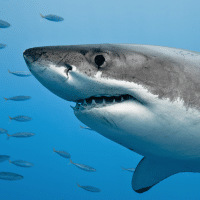
The loss of great white sharks from False Bay has allowed mid-level predators to proliferate, leaving the marine ecosystem less resilient.
Once a stronghold for great white sharks, False Bay has seen their near-total disappearance, removing a key stabilising force from the marine food web. Without top-down control, mid-level predators have proliferated, leaving the ecosystem less biodiverse and more vulnerable.
Rebuilding the Ecological Functionality of Banhine and Maputo National Parks
Mozambique
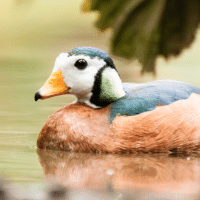
Rewilding Banhine and Maputo National Parks is restoring key species and strengthening the function and resilience of their diverse wetlands.
Two key wetland areas in Southern Africa, Banhine and Maputo National Parks, protect a rich mix of inland and coastal wetlands that shelter diverse wildlife. Ongoing rewilding efforts are restoring key species whose presence strengthens the structure, function and resilience of these ecosystems. They are prime examples of valuable, well-managed, ecologically rich wetlands.
The Urema Floodplain – Gorongosa National Park
Mozambique
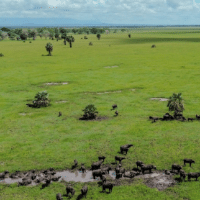
Science-led rewilding in Gorongosa is restoring large herbivores, predators, nutrient cycling and ecological balance across the Urema Floodplain.
Gorongosa shows that even heavily degraded wetlands can recover through science-led, well-funded rewilding and offer a global model for wetland recovery. With large herbivores and predators returning, vegetation regulation, nutrient cycling and predator-prey dynamics are being restored across the floodplain.
Case study: The Urema Floodplain, Gorongosa National Park
Restoring the Hippo in Murchison Falls National Park
Uganda
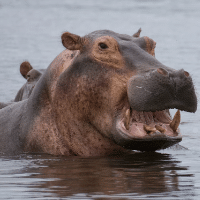
The Hippo Recovery Initiative is protecting keystone ecosystem engineers whose movements and dung sustain Nile Basin wetlands and food chains.
Hippos are keystone ecosystem engineers whose movements and dung sustain wetland dynamics and aquatic food chains across the Nile Basin. The Hippo Recovery Initiative is driving urgent, collaborative action to protect their populations and the livelihoods that depend on them.
Yawri Bay, Sherbro River Estuary and Lake Piso
Sierra Leone & Liberia
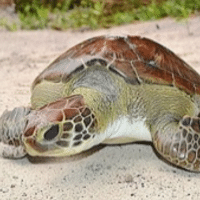
The Grand Mano Master Plan promotes transboundary conservation to protect West Africa’s complex coastal ecosystems across Sierra Leone and Liberia.
Where land meets sea, these coastal ecosystems are among West Africa’s most complex and productive, shaped by species that help sustain them. The Grand Mano Master Plan addresses current challenges and promotes transboundary conservation across Sierra Leone and Liberia to protect this shared landscape.
Case study: Grand Mano Landscape in Sierra Leone & Liberia
Rewriting the Rules of African Conservation
Zambia
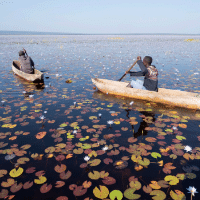
Conserve works with communities beyond park boundaries to protect wildlife, wetlands and vital biodiversity corridors in Zambia’s Tondwa region.
In Tondwa Game Management Area, poaching and habitat loss have pushed species to the brink despite the region’s importance for wildlife migration and local food systems. Conserve works in partnership and with pragmatism beyond park boundaries and into the overlooked buffer zones and biodiversity corridors that communities, farms, fish depend on.
The Wetlands Working Group
18 Alliance Partners (and growing) have joined the Wetlands Working Group, including:








Plus expert representatives from Swedish University of Agricultural Sciences; Nelson Mandela University (South Africa); Utrecht University (The Netherlands); Conservation International (USA); University of Cape Town (South Africa).
The Ramsar Convention on Wetlands
The Global Rewilding Alliance are helping share a rewilding-informed future for the Ramsar Convention on Wetlands and other global frameworks.
The Ramsar Convention on Wetlands is the intergovernmental treaty providing the framework for the conservation and wise use of wetlands and their resources. Rewilding is of high relevance for meeting the objectives of the Ramsar Convention on Wetlands. By adopting a rewilding perspective with ecosystem functionality and ecological character at the heart of its agenda, the Ramsar Convention on Wetlands could become a crucial pioneer in achieving a wilder, more resilient and stable future.
The Global Rewilding Alliance will be attending the 15th meeting of the Ramsar Conference of Parties (COP15) from 23rd to 31st July 2025 presenting the results of our wetlands working group. If you’d like to connect with our team on the ground at the conference please contact .

Wetlands resources
The Wetlands Working Group have produced Taking Animals Into Account – a report highlighting the underestimated but vital role wild animals play in keeping the world’s wetlands functional and resilient.

FULL REPORT
54-page technical report revealing how wild animals play an underestimated but vital role in keeping the world’s wetlands functional and resilient.

VISUAL SUMMARY
9-page visual summary of the main findings for public understanding

CASE STUDIES
Full 96-page full report of the 11 case studies that outlines the evidence of the positive impact of key wild animal species in wetlands.

VISUAL SUMMARY
15-page summary of the case studies of Taking Animals Into Account for public understanding

AFRICA REPORT
A special 154-page follow-up report to ‘Taking Animals into Account’, featuring the African continent and based on a literature review and a set of case studies.

Rewilding Wetlands
A Global Priority
square km of wetlands globally – larger than Canada
%
of the world’s plant and animal species rely on wetlands
%
of wetlands lost since 1970, disappearing 3x faster than forests
%
decline in freshwater species populations over the last 50 years
Wetlands are critical for all life on earth
Rewilding wetlands and taking animals into account will boost the supporting services of wetlands such as:
Next steps
Have a look
At the rest of the thematic focused work, and if you’d like to get involved, please get in touch.
Spread the word on social media
You could also help us spread the word about the importance of wetlands by downloading resources and social media captions and sharing them with your networks, including the resource Why Our World’s Wetlands Matter, and the Wild Animals Within Them.
Promoting a Rewilding Perspective at the Ramsar COP15 in Victoria Falls, Zimbabwe, 23-31 July
The Global Rewilding Alliance and IFAW have partnered on this 7-page analysis on how Parties to the Ramsar Convention could feed a rewilding perspective into the work and outcome of COP15 in Zimbabwe. Specific opportunities have been identified and the document gives the background and rationale for how to convene the rewilding perspective, especially linked to the role of wild animals.

Rewilding wetlands, restoring balance
Stay up to date with insights and findings from our global working groups on key rewilding themes.