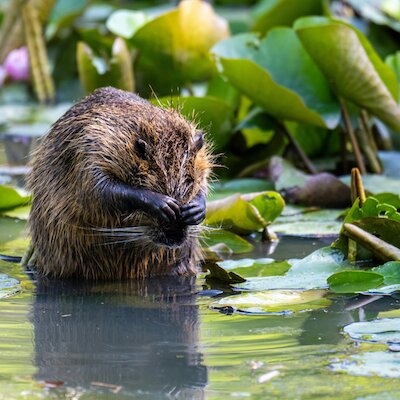
Photo credit: Rewilding Argentina – In Parque Nacional Ciervo de los Pantos, the iconic marsh deer relies on protected wetlands, Matias Rebak
Rewilding shapes the future of wetlands
Our first working group focuses on wetlands, an important and highly threatened ecosystem that connects land, freshwater, and oceans. Wetlands are critical for life on earth, as they provide water and play a key role for the climate.
But despite their importance, wetlands are the most degraded ecosystem on the planet. Wild animals have been found to shape essential functions of inland and coastal wetlands, and yet the wild animals that inhabit them are the most decimated and threatened group of species globally. We must bring back the functionality of wetlands for the survival, wellbeing and prosperity of rural and urban communities around the world.
The future of wetlands will be shaped through rewilding efforts, in which intact food chains and the presence of wild animals in sufficient population numbers play a particularly critical role.
What are Wetlands?
The Ramsar Convention on Wetlands defines wetlands as “areas of marsh, fen, peatland or water, whether natural or artificial, permanent or temporary, with water that is static or flowing, fresh, brackish or salt, including areas of marine water the depth of which at low tide does not exceed six metres”.
Five major wetland types are generally recognized:
- Marine (coastal wetlands as coastal lagoons, rocky shores, coral reefs, and marine subtidal aquatic beds, which include kelp beds, sea-grass beds, tropical marine meadows);
- Estuarine (including deltas, tidal marshes, and mangrove swamps);
- Lacustrine (wetlands associated with lakes);
- Riverine (wetlands along rivers and streams); and
- Palustrine (meaning “marshy” – marshes, swamps and bogs)
The wetlands working group
18 Alliance Partners (and growing) have joined the Wetlands Working Group, including:


The Working Groups Process
STEP 1 Partners all around the world have been working on Wetland initiatives and studies individually. It’s time to bring them together.
STEP 2 The Global Rewilding Alliance brings together rewilding experts and practitioners to facilitate knowledge exchange & collaboration, and produce evidence, such as reports and research, to inform policy and practice.
STEP 3 The Global Rewilding Alliance and partners bring the evidence to governments, conventions, NGOs, etc. to shape policies that prioritise ecosystem functionality and wild animal recovery.
The Ramsar Convention on Wetlands
The Global Rewilding Alliance are helping share a rewilding-informed future for the Ramsar Convention on Wetlands and other global frameworks.
The Ramsar Convention on Wetlands is the intergovernmental treaty providing the framework for the conservation and wise use of wetlands and their resources. Rewilding is of high relevance for meeting the objectives of the Ramsar Convention on Wetlands. By adopting a rewilding perspective with ecosystem functionality and ecological character at the heart of its agenda, the Ramsar Convention on Wetlands could become a crucial pioneer in achieving a wilder, more resilient and stable future.
The Global Rewilding Alliance will be attending the 15th meeting of the Ramsar Conference of Parties (COP15) from 23rd to 31st July 2025 presenting the results of our wetlands working group. If you’d like to connect with our team on the ground at the conference please contact .

Wetlands resources
The Wetlands Working Group have produced Taking Animals Into Account – a report highlighting the underestimated but vital role wild animals play in keeping the world’s wetlands functional and resilient.

FULL REPORT
54-page technical report revealing how wild animals play an underestimated but vital role in keeping the world’s wetlands functional and resilient.

VISUAL SUMMARY
9-page visual summary of the main findings for public understanding

CASE STUDIES
Full 96-page full report of the 11 case studies that outlines the evidence of the positive impact of key wild animal species in wetlands.

VISUAL SUMMARY
15-page summary of the case studies of Taking Animals Into Account for public understanding

AFRICA REPORT
A special 154-page follow-up report to ‘Taking Animals into Account’, featuring the African continent and based on a literature review and a set of case studies.

Rewilding Wetlands
A Global Priority
square km of wetlands globally – larger than Canada
%
of the world’s plant and animal species rely on wetlands
%
of wetlands lost since 1970, disappearing 3x faster than forests
%
decline in freshwater species populations over the last 50 years
Wetlands are critical for all life on earth
Rewilding wetlands and taking animals into account will boost the supporting services of wetlands such as:
Next steps
Have a look
At the rest of the thematic focused work, and if you’d like to get involved, please get in touch.
Spread the word on social media
You could also help us spread the word about the importance of wetlands by downloading resources and social media captions and sharing them with your networks, including the resource Why Our World’s Wetlands Matter, and the Wild Animals Within Them.
Promoting a Rewilding Perspective at the Ramsar COP15 in Victoria Falls, Zimbabwe, 23-31 July
The Global Rewilding Alliance and IFAW have partnered on this 7-page analysis on how Parties to the Ramsar Convention could feed a rewilding perspective into the work and outcome of COP15 in Zimbabwe. Specific opportunities have been identified and the document gives the background and rationale for how to convene the rewilding perspective, especially linked to the role of wild animals.

Rewilding wetlands, restoring balance
Stay up to date with insights and findings from our global working groups on key rewilding themes.