Picture credit: Peace Parks Foundation – Historic return of rhinos to Zinave National Park, Mozambique, made possible through strong partnerships and collective commitment
At the heart of rewilding successes are people & hope
Communities on every continent are responding to a deep, positive, visceral drive to support nature’s recovery. We are coming together under the shared vision to be nature’s guardians and good ancestors to coming generations.
Success is rooted in people – their love for nature, connection to our land, seas and wild kin, and their dedication to its recovery.
And hope is a direct consequence: it is a practical hope based on real, positive actions happening right now, in all corners of the world.
Rewilding is happening everywhere!
Nature often comes roaring back faster than in our wildest dreams, at both small and vast scales.
Explore our movement’s success stories, proving that rewilding works.


Gorongosa: the silent landscape transformed into an ecosystem teeming with biodiverse life
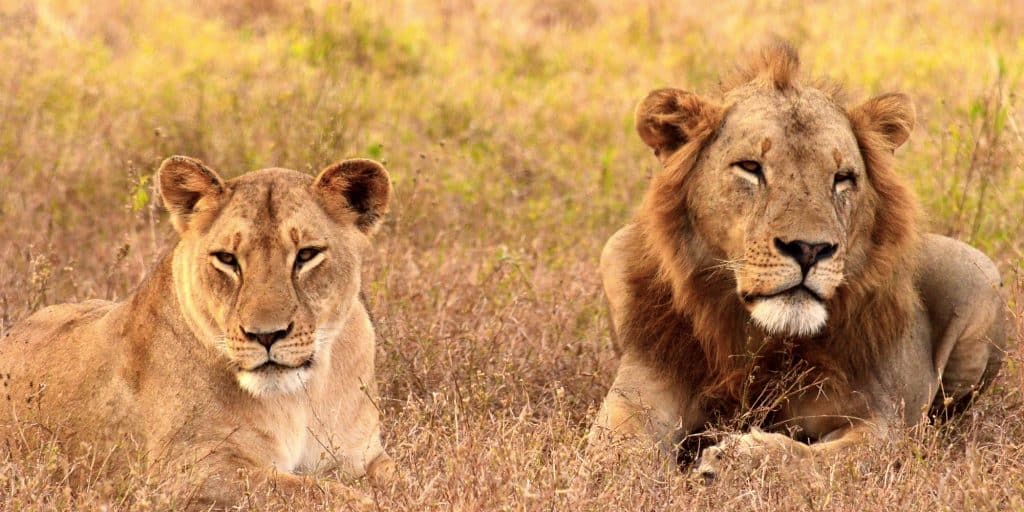
Gorongosa Restoration Project
Twenty years ago, Gorongosa National Park in Mozambique faced a dire situation: only 7,000 animals remained. Fast forward to 2022, and the park’s transformation is nothing short of extraordinary, with over 100,000 large animals, despite covering only 59% of the park.
Local Impact, Global Responsibility: Australia at the Heart of our Shared Future
Bush Heritage
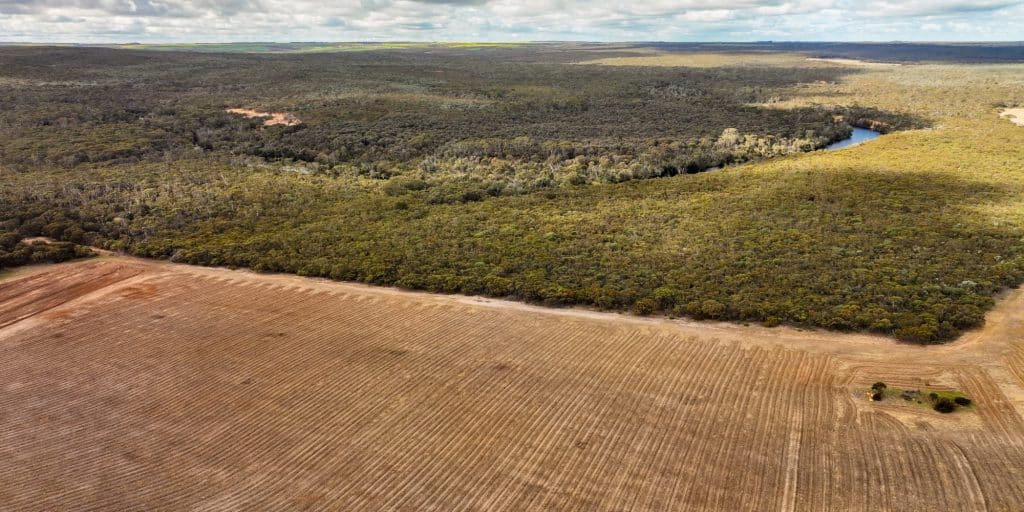
A first-of-its-kind vision, Gondwana Link reconnects a 1000-kilometre corridor from the tall wet forests on the south coast to the semi-arid woodlands on the edge of an inland desert. This collaborative effort brings local acts of nature recovery along the way. Stitch these rewilding efforts together, zoom out, and you see the tide begin to turn for the whole country.
Rewilding Spain – Making Spain a Wilder Place
Rewilding Spain
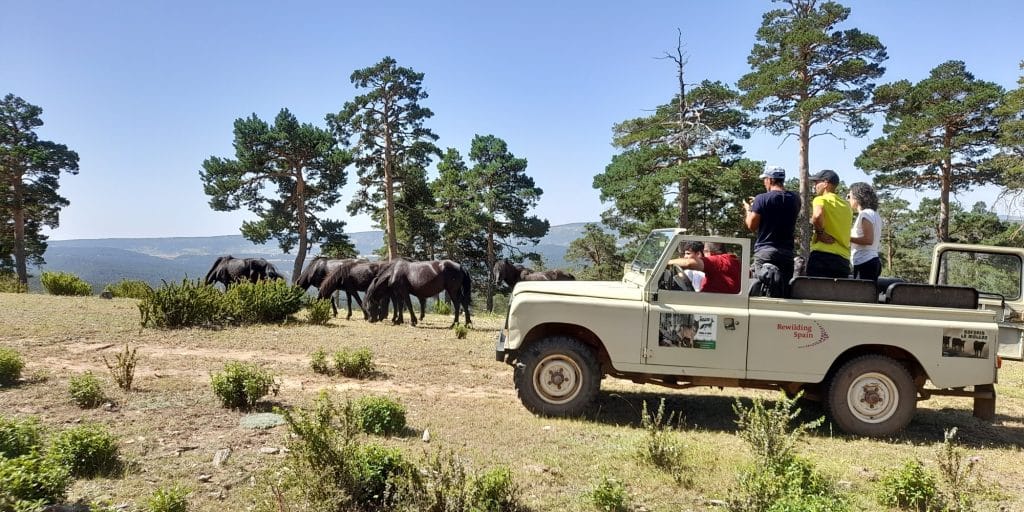
In the Iberian Highlands, rural abandonment leads to opportunities for large scale ecological restoration, bringing Tauros, Serrano, Cinereous vulture, Pottoka and Przwalski horses back into the land… but not only. People are once again finding new opportunities in these rural areas, with ecological restoration going hand-in-hand with socio-economic benefits.
Rewilding Jaguars in Argentina: How Big Cats Restore Ecosystems
Rewilding Argentina
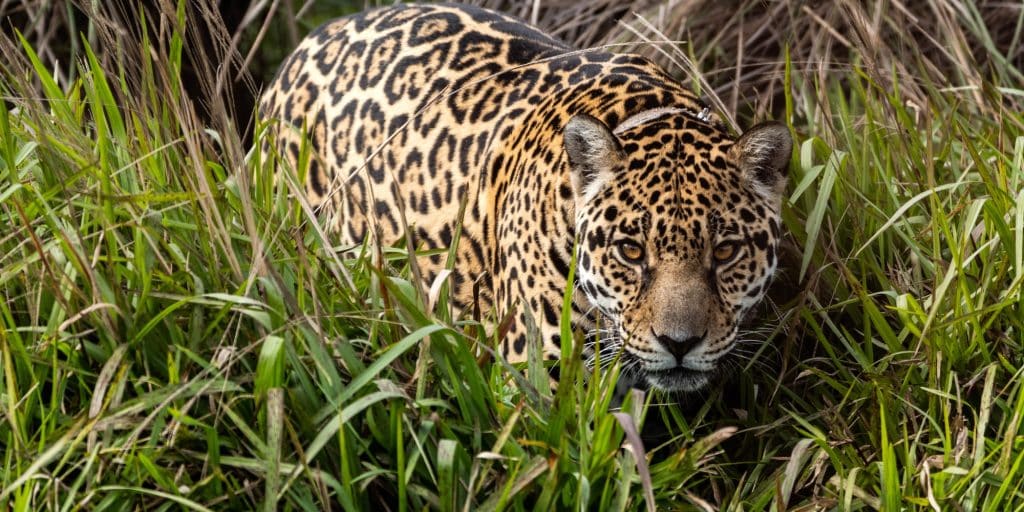
In El Impenetrable National Park, its once-thriving jaguar population currently numbers fewer than 20 individuals; and no females have been recorded there in two decades. A crucial element in restoring wild reproduction for jaguars in the Gran Chaco, therefore, is the reintroduction of potential mothers. And Kerana is the first.
The Corbett Foundation: Safeguarding India’s Wild Heart
The Corbett Foundation
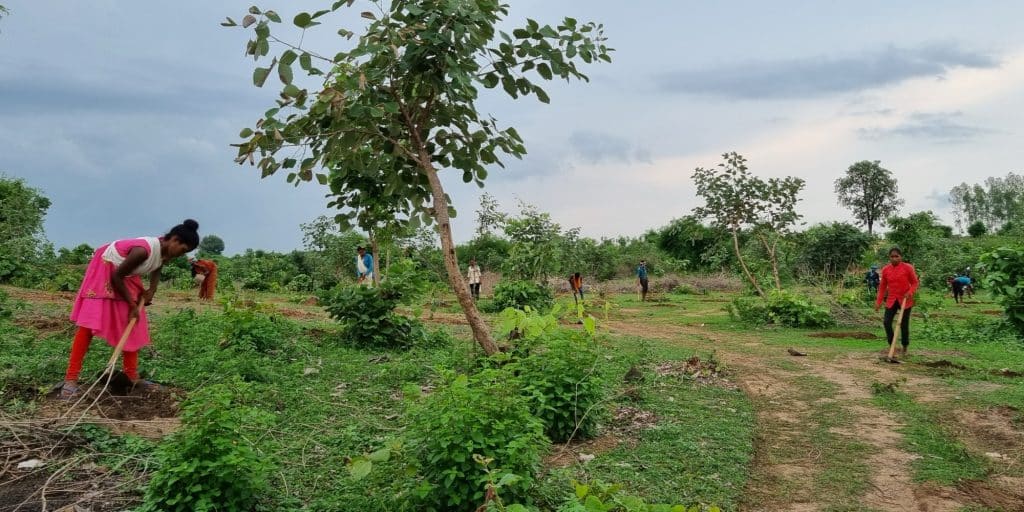
Across India’s key wildlife landscapes, degraded forests and grasslands are regenerating, reconnecting habitats, and giving space back to species such as tigers, elephants, bustards, leopards, and vultures. This supports sustainable livelihoods and communities in hundreds of villages, and rebuilds ecological balance so India’s iconic wildlife can thrive once again.
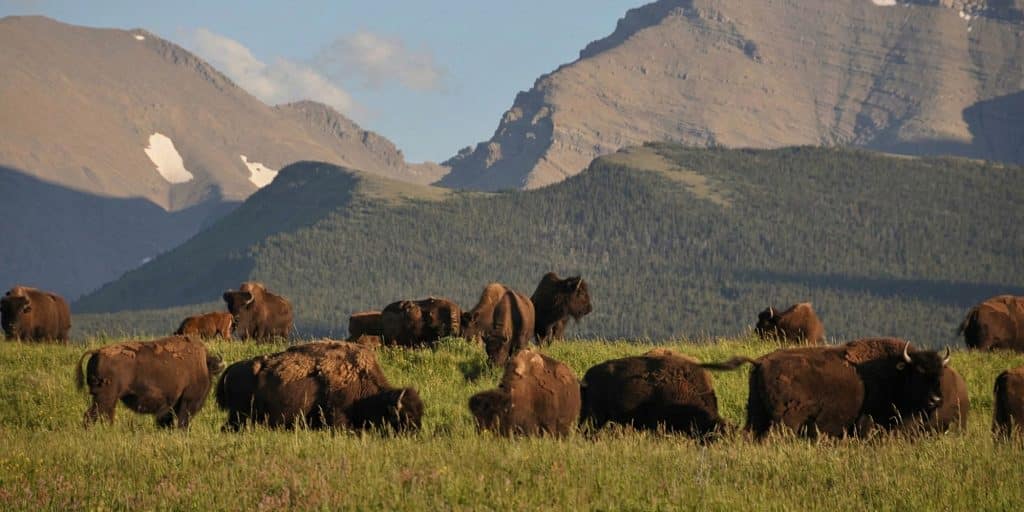
Olson Rewilding Project: Why the Olson Family’s Work Matters for Rewilding
Olson Rewilding Project
Relying on continuous observation and learning directly from how the land responds, the Olsons are witnessing what goes beyond conventional science: Bison are not just part of the ecosystem, they are the key to rewilding the ecosystem, and their return is essential to regenerate prairies, build soil health, store carbon, and sustain biodiversity.
Stories of a wilder world
Subscribe to our monthly emails & get access to the inner workings of the rewilding movement; a wilder world in the making, straight into your inbox.