Picture credit: IFAW – Marine Mammal Rescue & Research team releasing common dolphins back into deeper waters at Herring Cove Beach in Provincetown, MA
Rewilding in action
Around the world, the rewilding community is bringing nature back – on land, in freshwater, and across the oceans – to restore the health and function of Earth’s ecosystems. This benefits biodiversity and wildlife, while supporting the health and economic wellbeing of people everywhere.
The Global Rewilding Alliance is uniting partners across continents under a shared rewilding vision. While most of our Alliance Partners work at local or national levels, coming together at the global level allows us to influence global awareness, policies, and decisions that ultimately shape national and local rewilding agendas.
Together, we are developing shared strategies and mechanisms to advance rewilding, emphasizing the critical role of wild animals in connecting biodiversity with ecosystem services.
By aligning our efforts globally, we amplify our collective impact.
Nature recovery around the world
Each thematic focused working group brings together a core team of practitioners and experts connected through shared ecosystems and priorities. Together, they collaborate to demonstrate how wild animals enable and enhance ecosystem services, from buffering against droughts and providing clean water, to drawing down vast amounts of carbon. Through collaboration, our partners influence both national and international goals, share strategies and support each other to catalyse their impact.
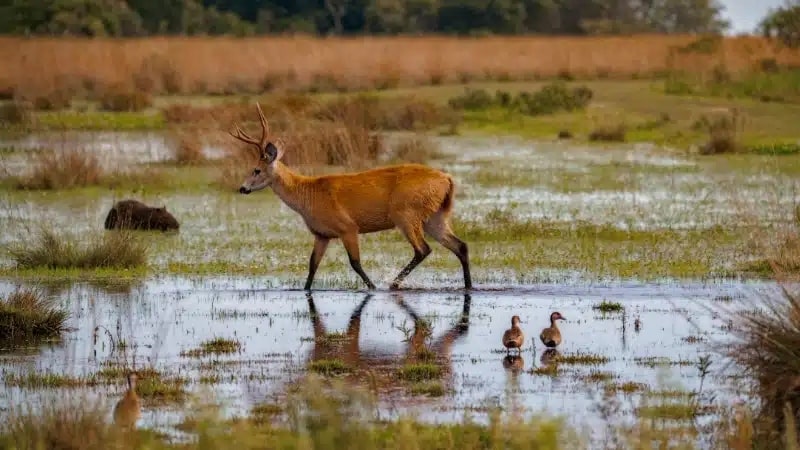
Photo credit: Rewilding Argentina, Matias Rebak
Our working group, composed of more than 15 rewilding organisations, put together evidence-based reports and case studies highlighting the critical role of wild animals in shaping wetland ecosystems and the services they provide.
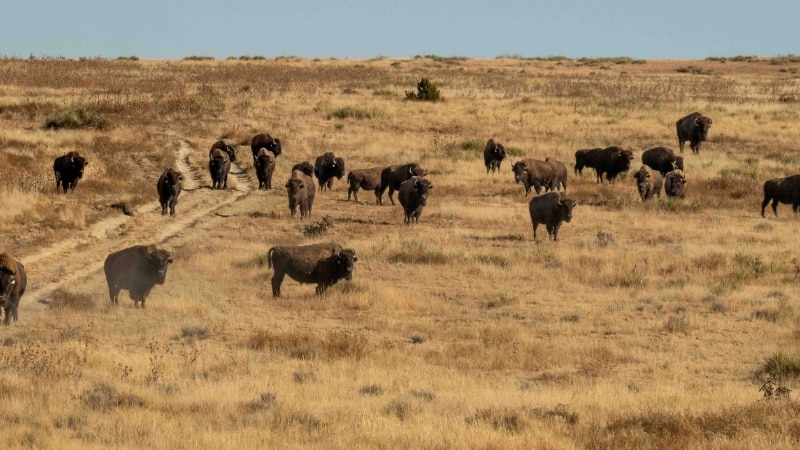
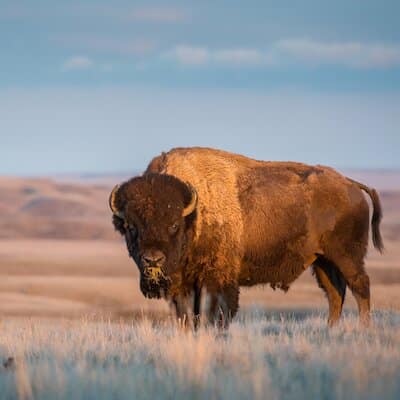
Photo credit: Southern Plains Land Trust, Karen Voepel
Organisations active in grasslands and rangelands connect and collaborate to shape tomorrow’s policies that prioritise ecosystem functionality.
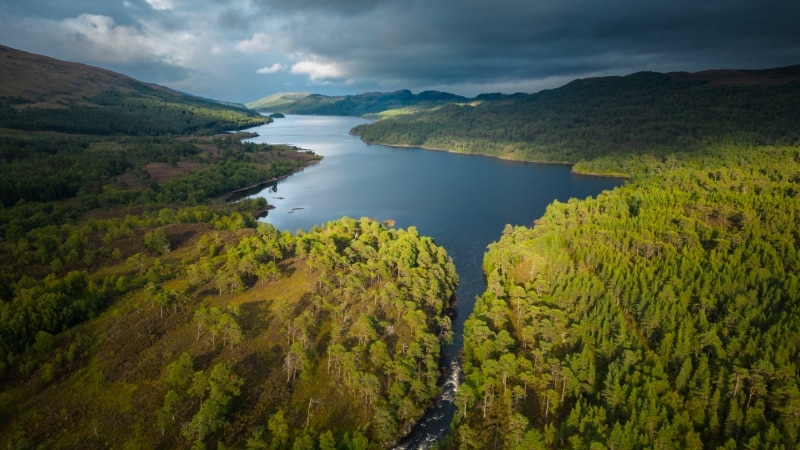
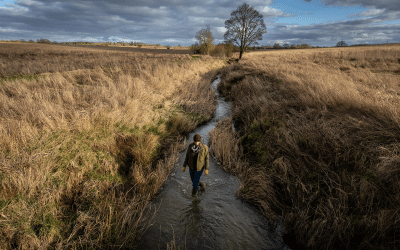
Photo credit: Rewilding Europe, James Shooter
We are advancing the science that reveals the central but overlooked role of wild animals in climate regulation with the initiative ‘Animating the Carbon Cycle’.
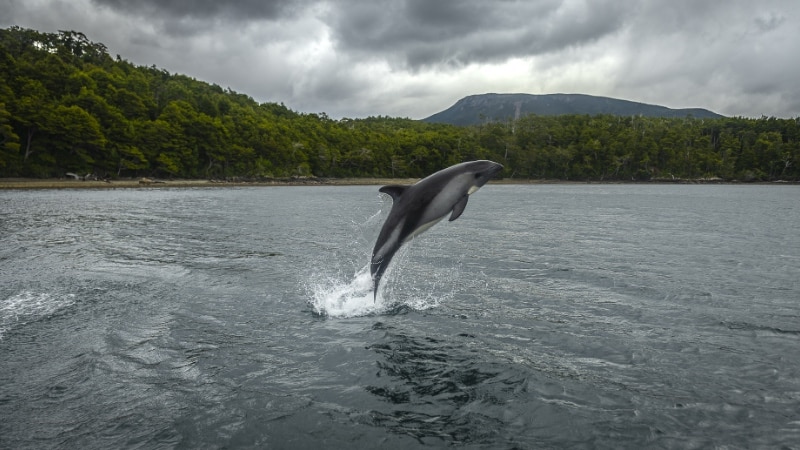
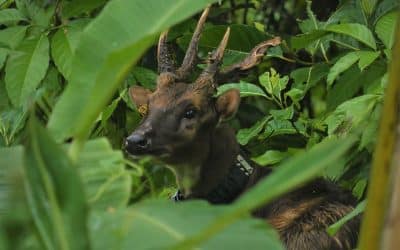
Photo credit: Rewilding Chile, Eduardo Hernandez
Covering 71% of our planet, the ocean is one of the most important ecosystems for biodiversity, climate and all life on Earth. Organisations active in marine protection and restoration are stronger together.
MORE INFORMATION TO FOLLOW

Wild animals: essential to healthy ecosystems
All life on Earth depends on healthy ecosystems and the essential services they provide, including water purification, climate regulation, food production, flood, drought & wildfire prevention and much more. Yet healthy ecosystems can only provide these with their full array of wild animals.
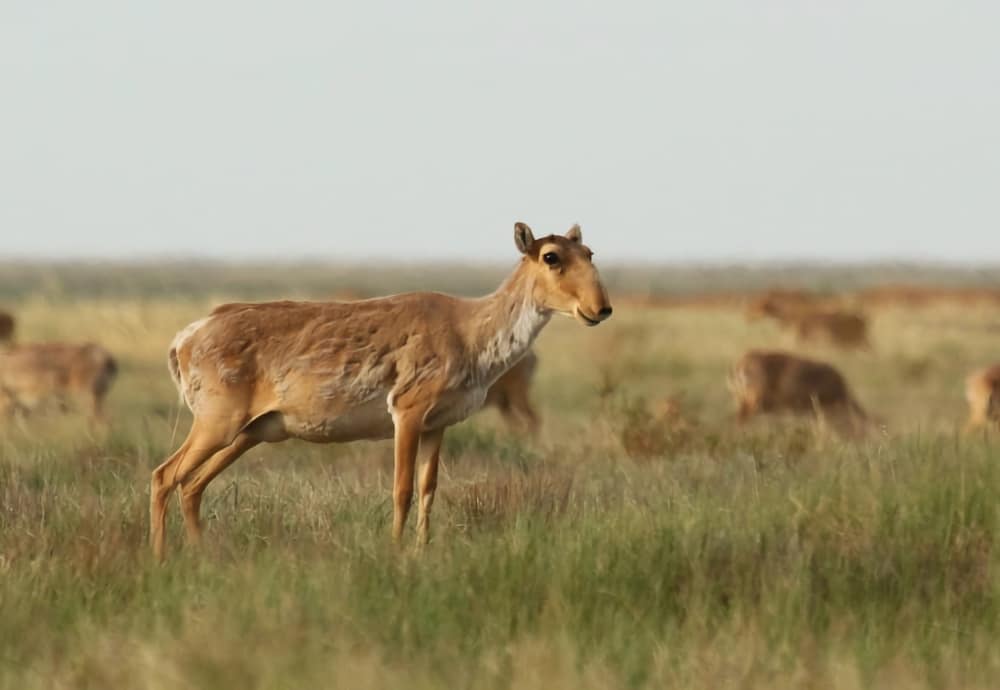
Saiga antelope are vital to the Kazakh Steppe, providing essential grazing pressure that keeps the ecosystem healthy. Without them, steppe vegetation begins to degrade and burns more frequently. The Altyn Dala Conservation Initiative has achieved a remarkable recovery — bringing their population from fewer than 50,000 to well over 4 million. Image credit: Albert Salemgareyev
From large herbivores to apex predators, these species shape landscapes, regulate natural processes, and support the resilience of nature. Unfortunately, this is often overlooked in the global policy community, despite there being many conventions that seek to create international-scale positive action.
As their populations decline, so too does the quantity and quality of the ecosystem services and natural goods we all rely on for the survival, wellbeing, and prosperity of rural and urban communities.
We are now convening to highlight the critical role that wild animals play in sustaining the natural systems we all rely on. The reintroduction and flourishing of these animal species also creates the conditions for other wildlife to return, thereby recreating whole, healthy and resilient ecosystems, which we all need for our own well-being and survival.
Building collective impact
Stay up to date with insights and findings from our global working groups on key rewilding themes.