life is returning.
communities thrive.
The momentum is undeniable.
Join us.

We can bring nature back
By restoring wildlife, reviving natural processes, and empowering local communities, rewilding strengthens biodiversity, stabilizes the climate, and builds resilient economies.
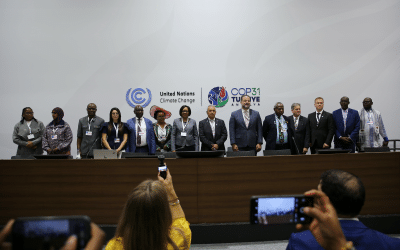
NEWS FROM COP31 – November 2026
WILDLIFE FOR CLIMATE DECLARATION
26 Countries Recognise Wild Animals as Key to Carbon Drawdown, Climate Resilience & Ecosystem Integrity


Protecting and restoring wildlife is climate action. It must be recognised and prioritised as such.
Honourable Evelyn Ndlovu, the Minister of the Environment, Climate & Wildlife, Government of Zimbabwe.
We are catalysing the Global rewilding movement
Rewilding is a journey towards a more biodiverse, wild future where dynamic ecosystems are resilient, self-sustaining and abundant, providing many benefits to all living things.
Together, we are embedding rewilding into science, policy, and practice worldwide.
Alliance Partners
Countries involved
Sq.km of land
Sq.km of ocean
(Figures updated November 2026)
Protecting the best. Rewilding the rest.
Rewilding reawakens landscapes and regenerates the web of life from cities to the wildest places on the planet, offering nature’s own solutions to our greatest environmental, social and economic challenges.
Video credit: Planet Wild, Monarch Butterflies
Rewilding in action
Rewilding Superpowers
Science & Evidence
Working Groups
Rewilding Policy
Study published by Yale School of the Environment and Nuwat – June 2026
Dugongs more than double the carbon sequestration power of Bahrain’s seagrass
2.5 X MORE
Carbon capture
UP TO 53% LESS
Carbon capture if dugongs are lost from Bahrain’s seagrass area
546,000 TONNES CO₂ /YEAR
When dugongs are present at a healthy population size (~700 individuals)
Including wildlife as part of climate solutions is therefore an opportunity to align marine conservation with climate action and sustainable development.
Dr. Reem AlMealla – Co-author and founder of NUWAT, Bahrain’s first ecological research think tank
Choose Our Rewilded Future
And it’s already happening.
Across continents, our partners are proving that nature can recover — faster and at greater scale than many believed possible.
Altyn Dala Conservation Initiative are rewilding Kazakhstan’s vast steppe ecosystem – including leading the dramatic rebound of the Saiga Antelope from fewer than 50,000 to well over four million animals, making it one of the largest and most successful rewilding efforts on Earth.
This remarkable rebound has been driven by wildlife crime prevention, species reintroduction, and advanced surveillance technology to establish new protected areas. Supported by national and international collaboration, this is a great example of restoration at an extraordinary scale.
Picture credits: Altyn Dala Conservation Initiative, Evgeniy Leshenko, Adbuaziz Madyarov, Bakhtiyar Taikenov, Albert Salemgareyev
Picture credit: Inga Foundation
A Honduran farmer used to spend two months earning what he can now make in two hours, thanks to the Inga Alley Cropping method transforming smallholder agriculture in Central America.
Picture credit: iStock
Fundación Montescola recognises that some of the most effective firefighters don’t carry hoses or wear helmets. Instead they graze the hillsides on four legs: Galician wild horses are emerging as unlikely heroes in facing increasing wildfires.
Video credit: Island Conservation
Just one year after Sooty Terns’ nesting sites were cleared of invasive species by Island Conservation on this atoll in the Republic of the Marshall Islands, life is buzzing again! Nature rebounds if we allow her to, often faster than we imagine. Turn on sound for full effect.
Many rewilding success stories are unfolding across the world, right now. Discover more:
Rewilding is rewriting the history of nature’s loss
Rewilding is this very positive thing that engages people in our movement and gives some practical hope built on credibility and on sound science.
Listen to Alister Scott, Executive Director of the Global Rewilding Alliance, as he talks about the powerful force of rewilding
THE GLOBAL REWILDING ALLIANCE, AS SEEN IN…











Latest news
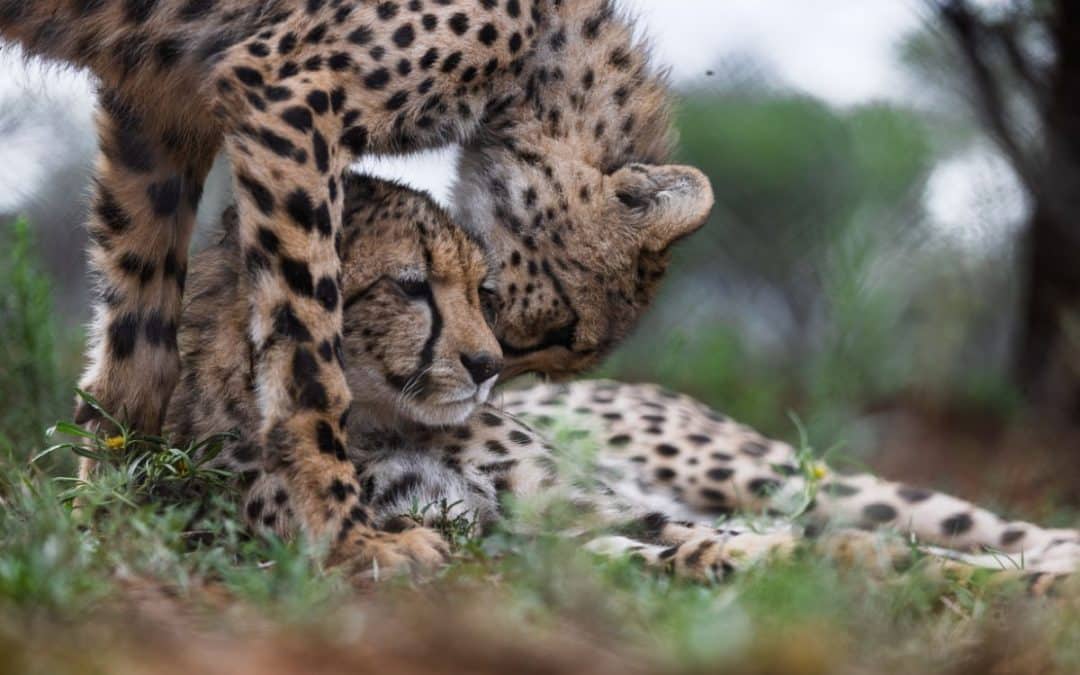
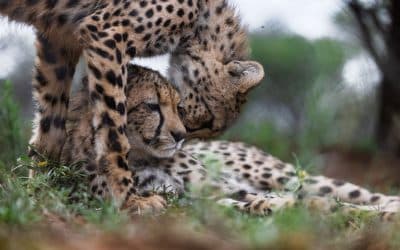
Cheetah Conservation Fund: the diplomacy of coexistence
CCF residents, credit: Cheetah Conservation FundBianca Thiglia, from the Global Rewilding Alliance team, recently visited our longstanding Alliance Partner in Namibia: the Cheetah Conservation Fund. Bianca explores how CCF's real impact lies in not only rescuing and...
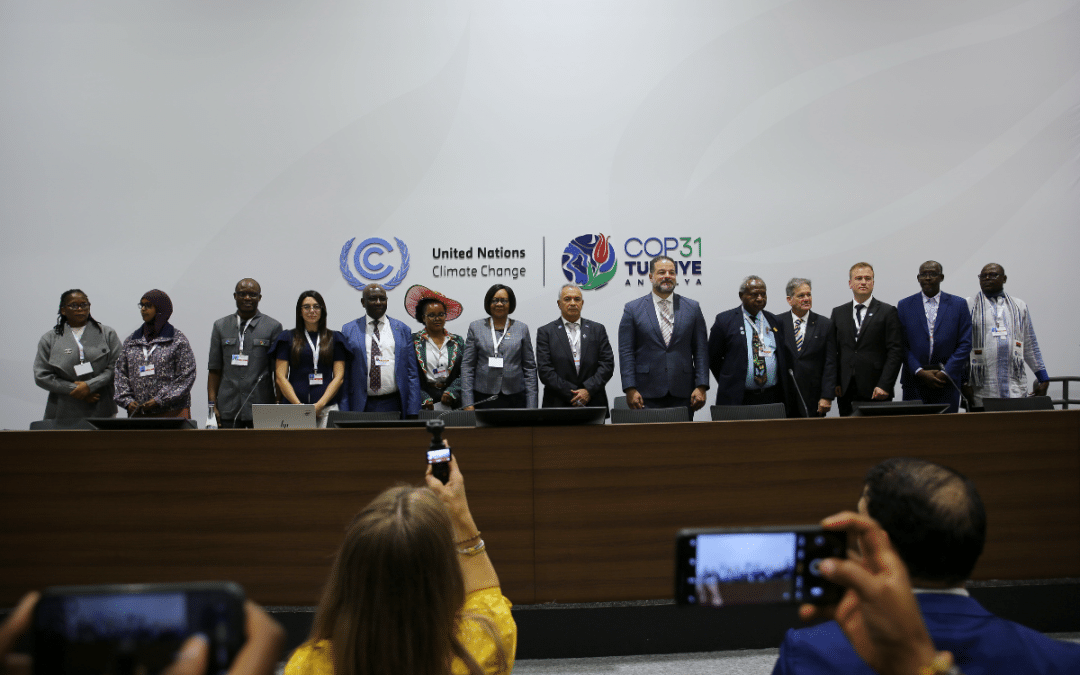
Wildlife for Climate: 26 Countries Recognise Wild Animals as Key to Carbon Drawdown, Climate Resilience & Ecosystem Integrity
Group picture, Wildlife for Climate Declaration, COP31.Twenty-six countries have launched the Wildlife for Climate Declaration at the Climate COP31 in Antalya, Türkiye, committing to protect, conserve and restore wild animal populations and their habitats “as a...

Is Wellington the world’s wildest capital city?
A street in Wellington. Photo: Predator Free NZ.Wellington, New Zealand, is demonstrating that a modern city can successfully rewild through three major overlapping initiatives over the past 25 years: Zealandia (the world's first fully fenced urban sanctuary),...
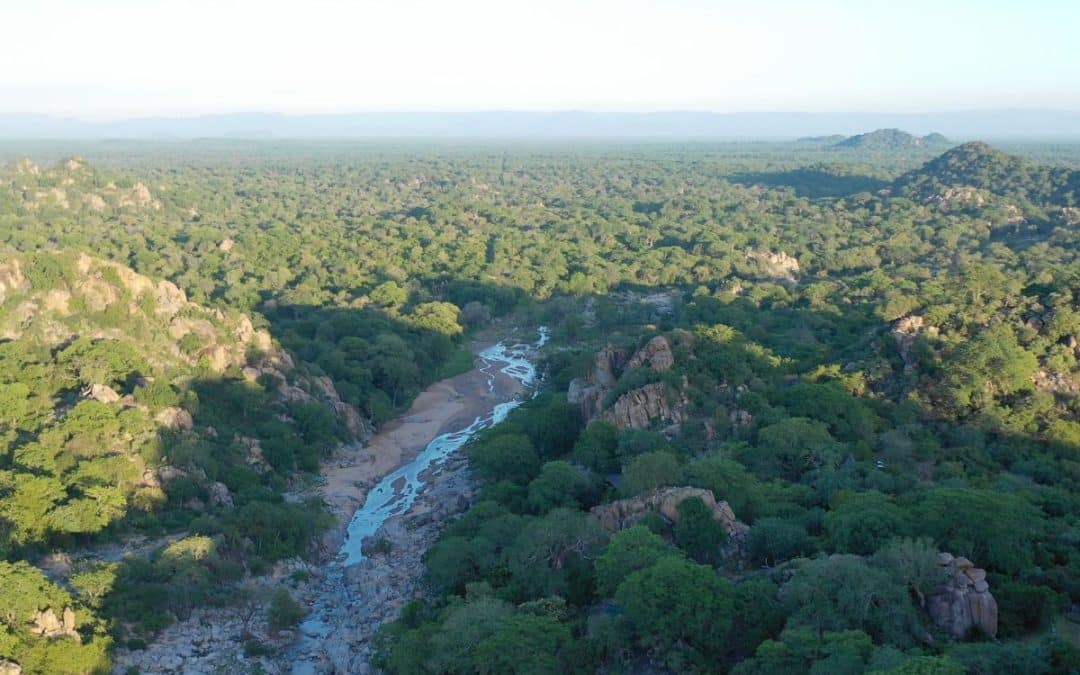
Sango Nature Project: A Rewilding Story Three Decades in the Making
Aerial view of Sango. Photo credit: Sango Nature Project.Over the course of 30 years Sango Nature Project has rewilded the Sango Nature Reserve, reintroducing several species and restoring ecological processes through rigorous, science-based rewilding, with climate,...

ECO Chamber Podcast Episode 215: Has the High Court kicked lynx out for good? | Alastair Driver
The law bites: Has the High Court kicked lynx out for good? In 2022, the charity Rewilding Britain (of which Prof Alastair Driver was the Director) was opposing Natural England’s refusal to carry out, or sign off on, the release of three Eurasian lynx to be released...

NACRES: What does Rewilding look like in Georgia and the wider Caucasus?
Credit: NACRESNACRES (Centre for Biodiversity Conservation & Research) protects and restores biodiversity across Georgia and the South Caucasus. Founded in 1989, NACRES combats "empty forest syndrome" by reintroducing keystone species like the critically...
The momentum is undeniable. Join us.