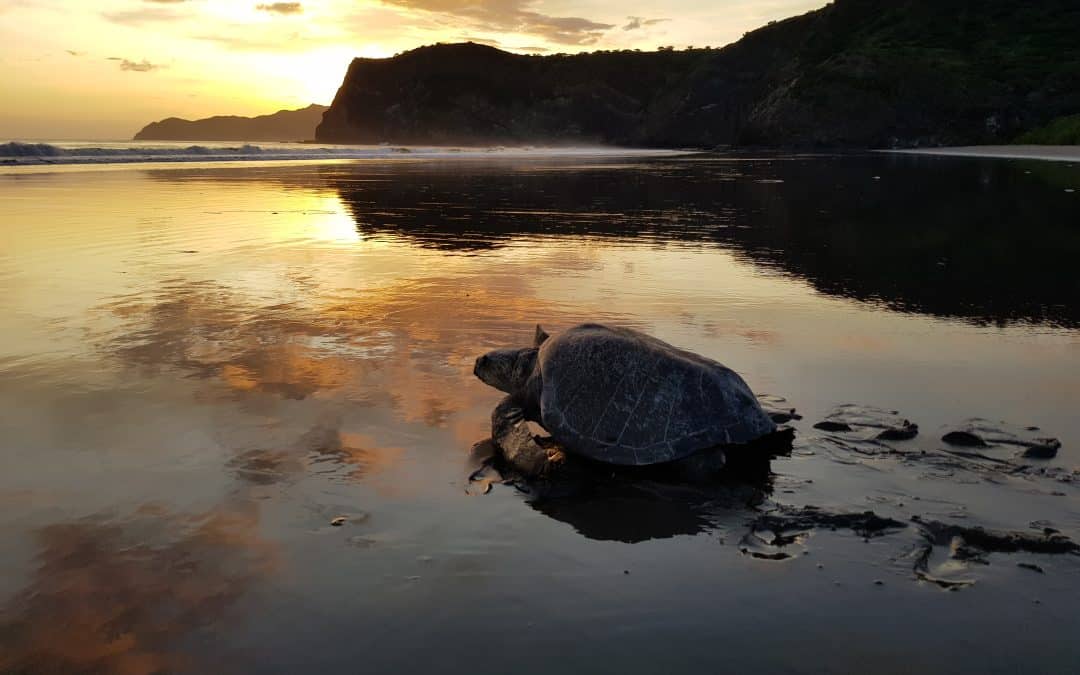
An Olive Ridley Sea Turtle in ACG. Photo credit: Mayra Bonilla.
Área de Conservación Guanacaste (ACG), a UNESCO World Heritage Site in northwestern Costa Rica, protects an estimated 2.6% of Earth’s biodiversity – an astonishing concentration of life found in one interconnected ecosystem. Extending from the Pacific Ocean to volcanic peaks, these 172,000 hectares used to be mostly cattle pasture. Now Guanacaste Dry Forest Conservation Fund (GDFCF), our newest Alliance Partner, is a proud enabler and supporter of four decades of rewilding work that brought the rainforest back. Through Biological Education Programs they give children and adults the opportunity to witness wildlife firsthand. Their long-term goals and continuous commitment ensures that one of the most researched landscapes on the Planet continues to thrive – alongside local stewards and committed communities.
“Look what we managed to do,” says Selena Avendaño, the Socio-Economic Coordinator for Área de Conservación Guanacaste, as she looks across an endless expanse of tropical dry forest. “People used to tell them they were crazy. But they wanted to restore the Dry Forest. And now… it’s forest.”
What stretches before her was, within living memory, largely cattle pasture. Today it is one of the world’s most extraordinary conservation success stories.
Área de Conservación Guanacaste (ACG), a UNESCO World Heritage Site in northwestern Costa Rica, protects 172,000 hectares extending continuously from the Pacific Ocean, across tropical dry forest, cloud forest, volcanic peaks, and into Caribbean rainforest. Within this single protected landscape lives an estimated 2.6% of Earth’s biodiversity – an astonishing concentration of life found in one interconnected ecosystem.
For more than four decades, scientists, park rangers, educators, firefighters, parataxonomists, neighboring communities, and countless partners have worked together to restore and protect this remarkable place. Supporting that work is the Guanacaste Dry Forest Conservation Fund (GDFCF), our Alliance Partner and the principal international nonprofit partner dedicated to ensuring ACG’s long-term success.
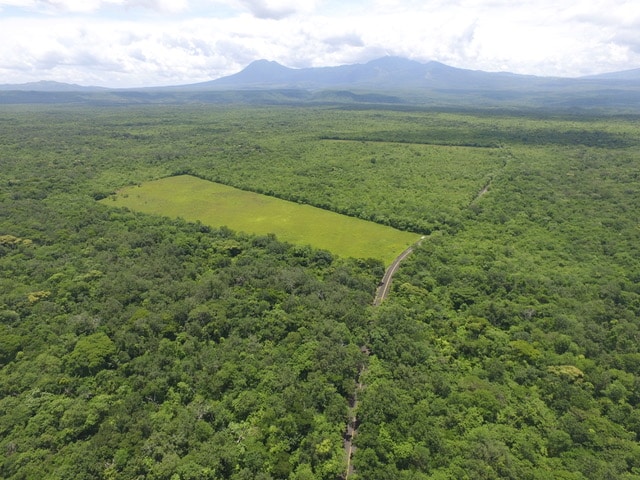
An idea of what the Área de Conservación Guanacaste (ACG) landscape looked like before 40+ years of restoration. We regularly burn that patch of land so that people can understand the transformation. Photo credit: Felipe Chavarría.
This is more than a story of protecting nature. It is a story of bringing abundant life back.
A landscape reborn
When ecologists Dr. Daniel Janzen and Dr. Winnie Hallwachs began their work in Guanacaste, much of the surrounding landscape had been transformed into cattle ranches and agricultural land. Many believed the tropical dry forest – a globally endangered ecosystem – could never recover.
Instead, ACG demonstrated what patience, science, and long-term commitment could accomplish.
Over the decades, former pastures have regenerated into thriving forests. Wildlife has returned. Ecological processes have been restored. Today, visitors can walk through forests that barely existed a generation ago.
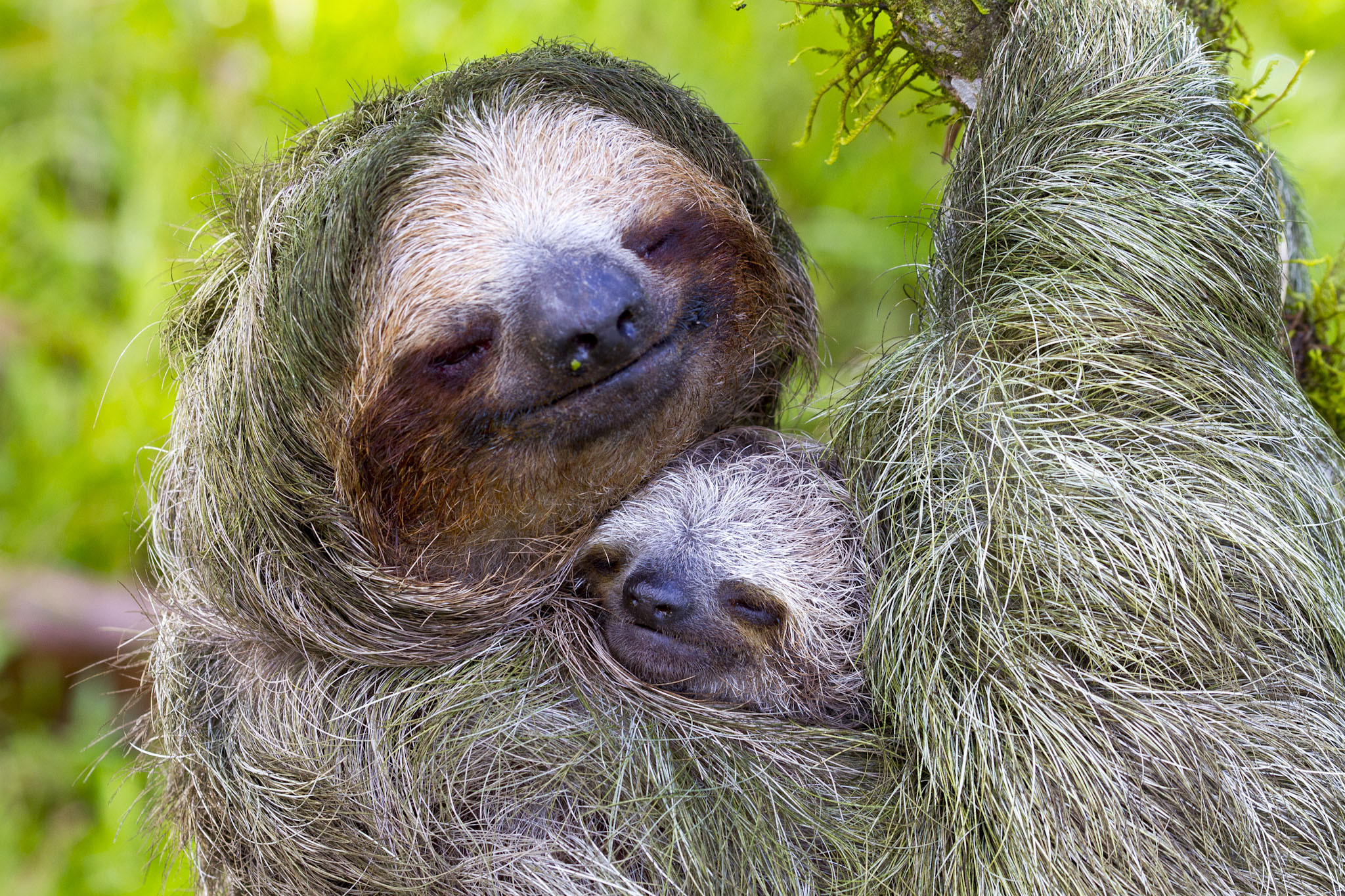
Brown-throated Sloth. Photo credit: Luciano Capelli.
Rather than attempting to recreate the past exactly, ACG has shown that given protection, time, and thoughtful management, nature possesses an extraordinary capacity to heal.
Built by people
The restoration of Guanacaste has never been the work of scientists alone.
Every dry season, one of the greatest threats to the recovering forest returns: wildfire. Unlike many ecosystems, fire is not a natural part of the tropical dry forest. Nearly all fires are caused by human activity, and as climate change brings hotter temperatures and longer, drier seasons, the challenge has become increasingly severe.
Protecting more than four decades of restoration depends on the dedication of ACG’s firefighters and park staff, who spend months preparing firebreaks, monitoring conditions, responding to outbreaks, and, when necessary, risking their own safety to stop fires from sweeping through the forest. Their work protects not only trees, but entire ecosystems, along with the countless species that depend on them.
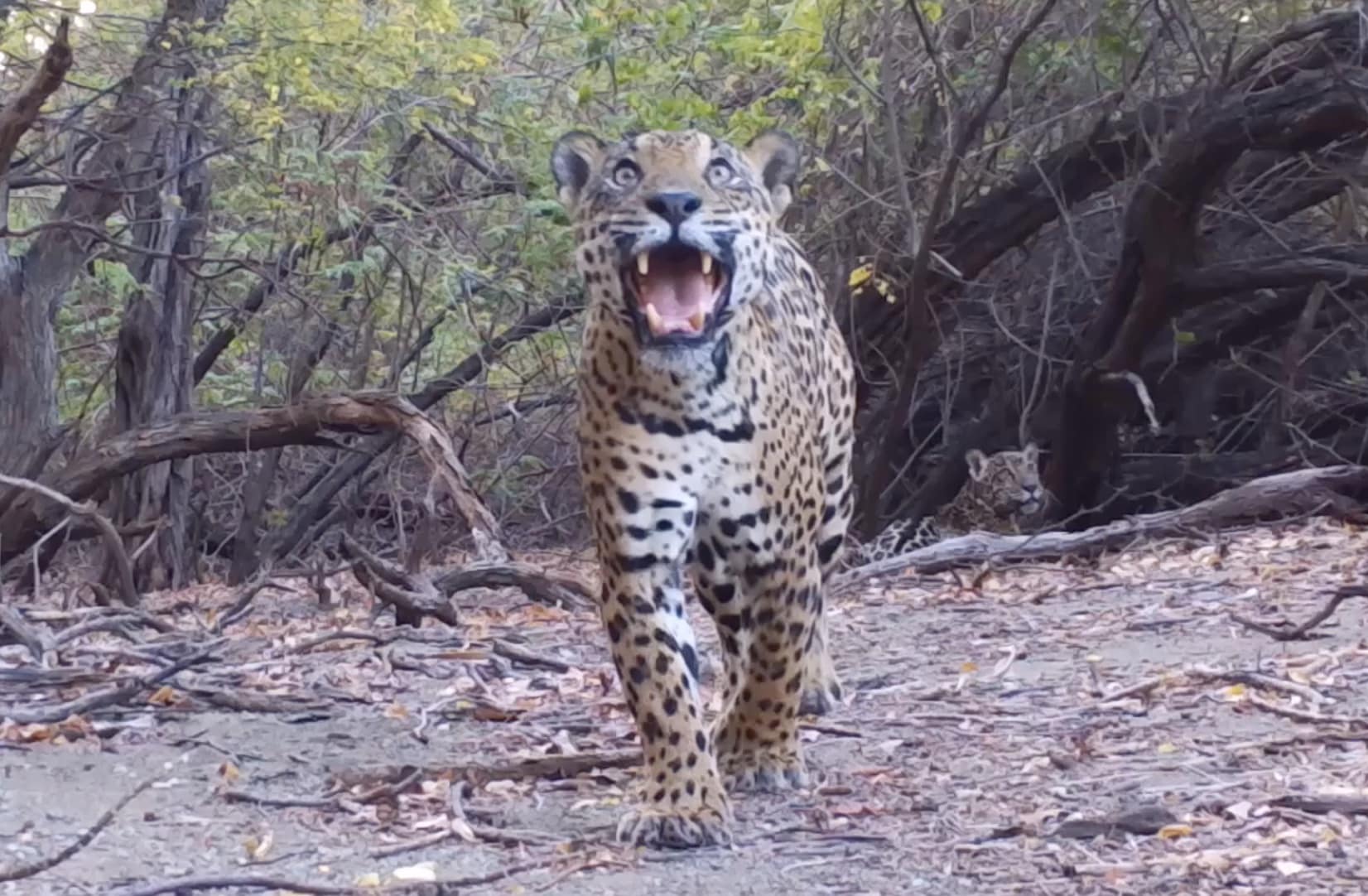
Camera trap image of a Jaguar. Photo credit: Guanacaste Dry Forest Conservation Fund.
Local residents are central to this conservation effort in many other ways as well. ACG pioneered the internationally recognized parataxonomist program, employing and training people from neighboring communities to document biodiversity through daily fieldwork. Their meticulous observations have transformed scientific understanding of tropical ecosystems and contributed to discoveries of thousands of species.
These long-term careers demonstrate that conservation succeeds when local people become its firefighters, researchers, educators, and conservation leaders.
Restoring ecosystems – and relationships
Perhaps the most innovative aspect of ACG is its philosophy of biocultural restoration.
Daniel Janzen often argued that restoring a forest would never be enough if the people living around it remained disconnected from nature. Conservation would only endure if each new generation understood the value of the ecosystems surrounding them.
This philosophy inspired ACG’s renowned Biological Education Program, which has introduced tens of thousands of local schoolchildren to the forests, beaches, and rivers of their own conservation area. For many, these visits provide a first opportunity to experience wildlife firsthand.
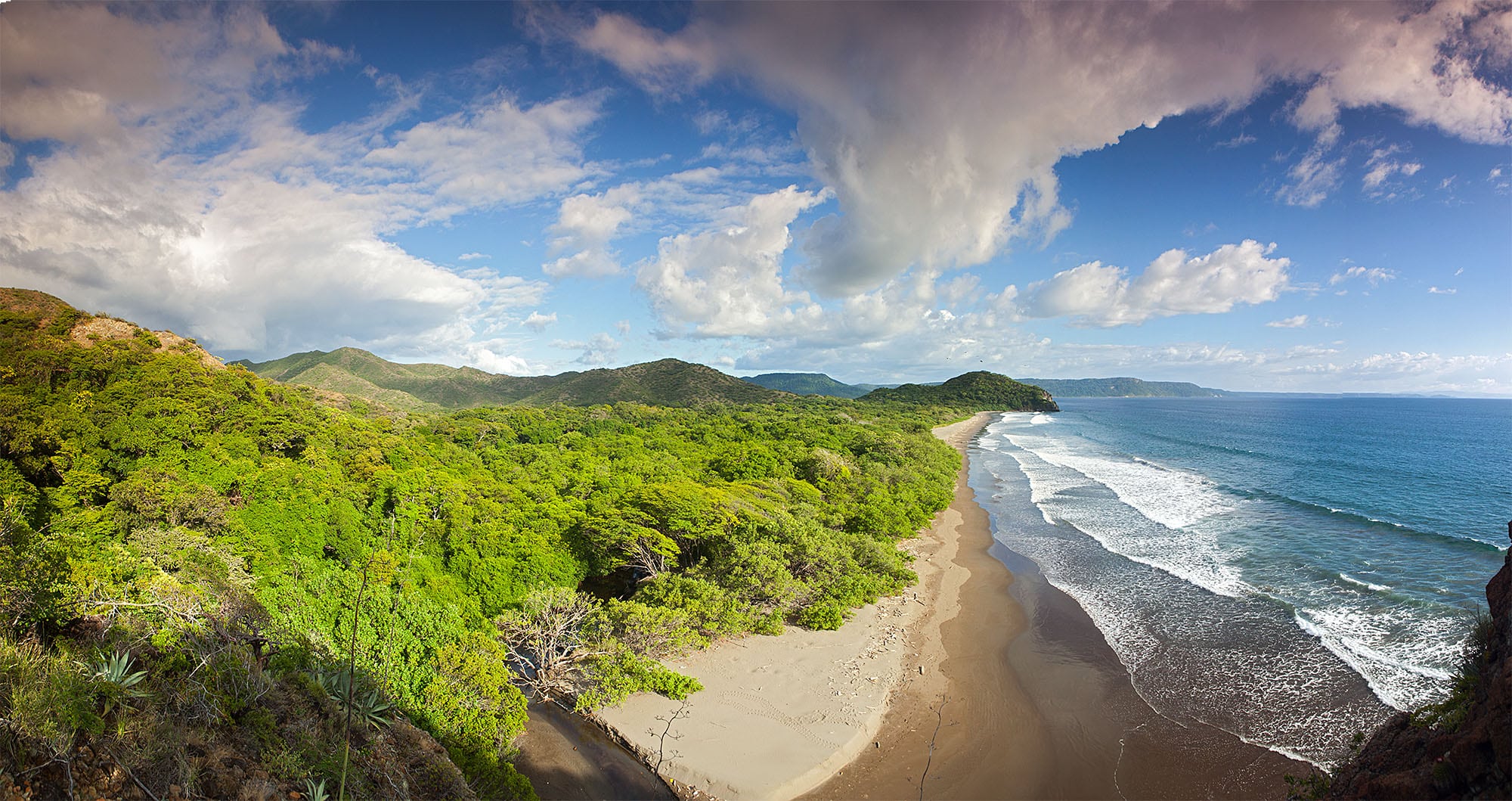
An ACG beach. Photo credit: Luciano Capelli.
When children discover a caterpillar becoming a butterfly, hear howler monkeys in the canopy, or witness sea turtles nesting on the beach, conservation becomes personal rather than abstract.
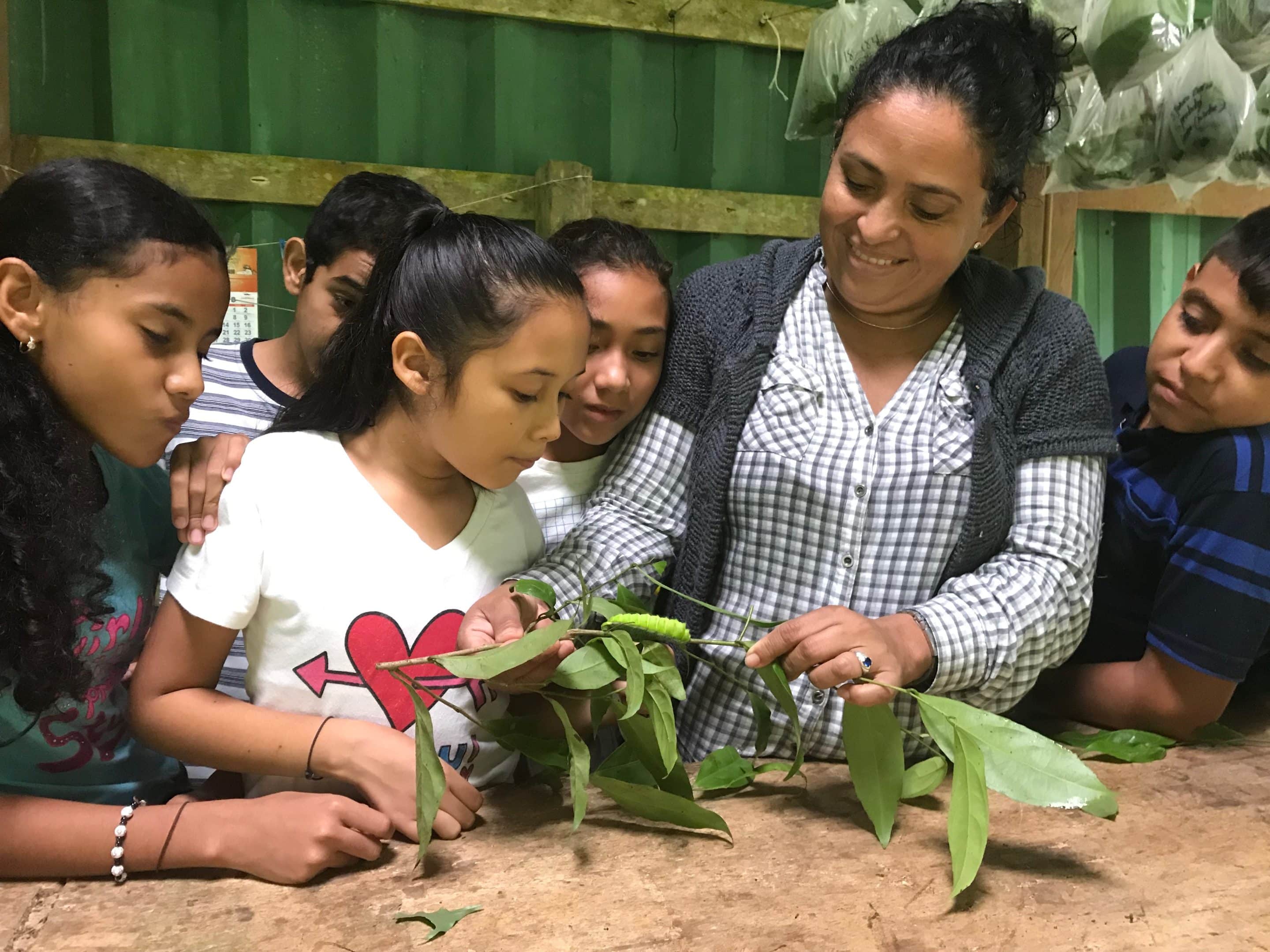
Parataxonomist Carolina Cano with students in the education program. Photo credit: Guanacaste Dry Forest Conservation Fund.
You have to be a hero to conserve and care for the environment. I want to be one of those heroes.
Young participant speaking at the Biological Education Program
A living laboratory
ACG is not only restoring ecosystems – it is helping the world understand them.
Its forests have become one of the most intensively studied tropical landscapes on Earth. Long-term research conducted by Costa Rican and international scientists, together with parataxonomists, has fundamentally expanded knowledge of biodiversity, species interactions, climate resilience, and ecosystem recovery.
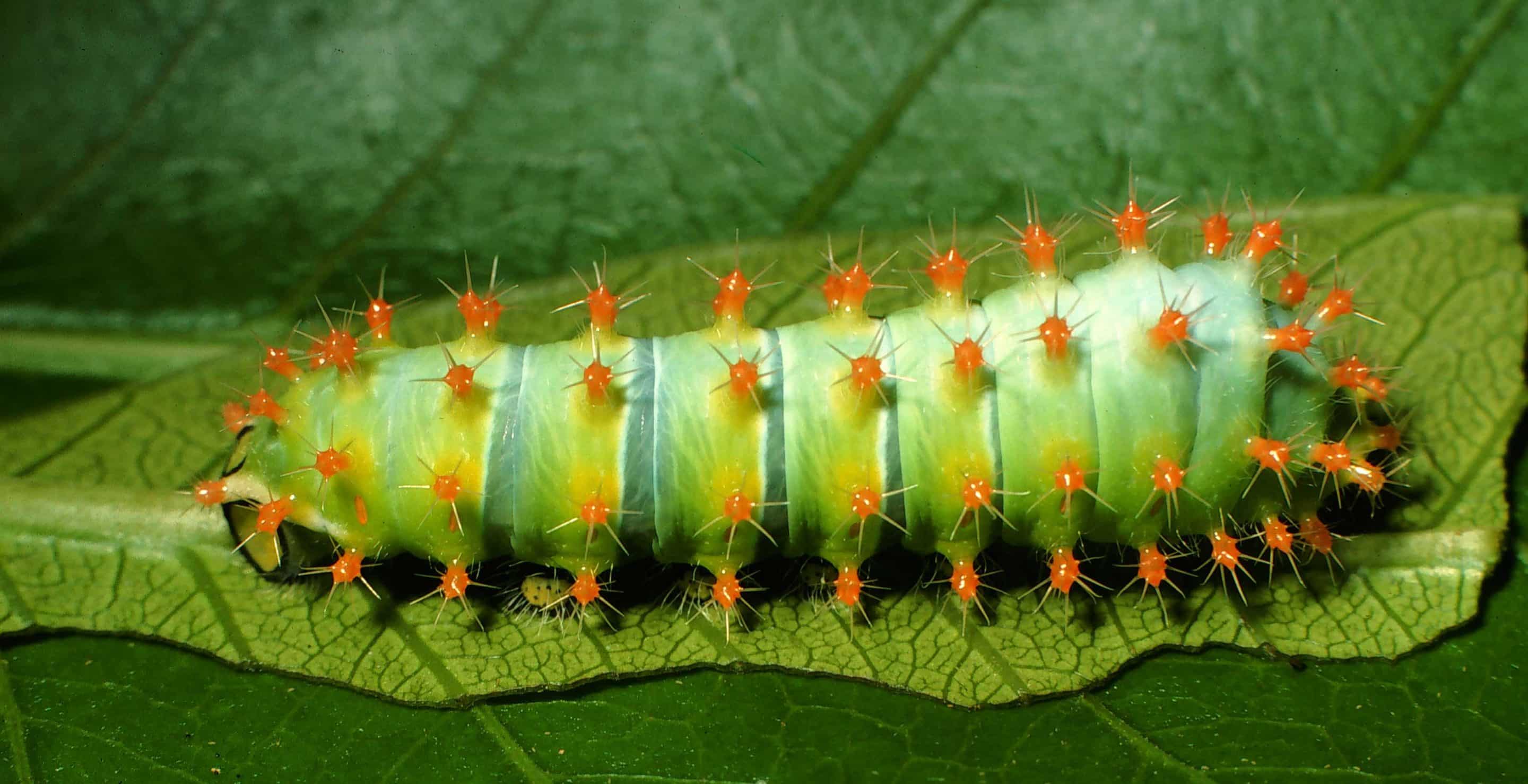
Rothchildia lebeau. Photo credit: Daniel Janzen.
Recent research based on more than 1.6 million DNA-barcoded insects collected in ACG has reshaped scientific estimates of global insect diversity, demonstrating that discoveries made in Guanacaste continue to influence conservation science worldwide.
Thinking in generations
The restoration of Guanacaste did not happen in a few years. It has taken decades of vision, persistence, and partnership.
GDFCF exists to help ensure that this work continues – for the forests that are still recovering, for the species yet to be discovered, and for the children who will inherit this extraordinary landscape.
The story of Área de Conservación Guanacaste reminds us that nature can recover when people commit themselves not simply to protecting what remains, but to restoring what has been lost.
Forty years ago, much of this landscape was cattle pasture.
Today, it is forest once again.
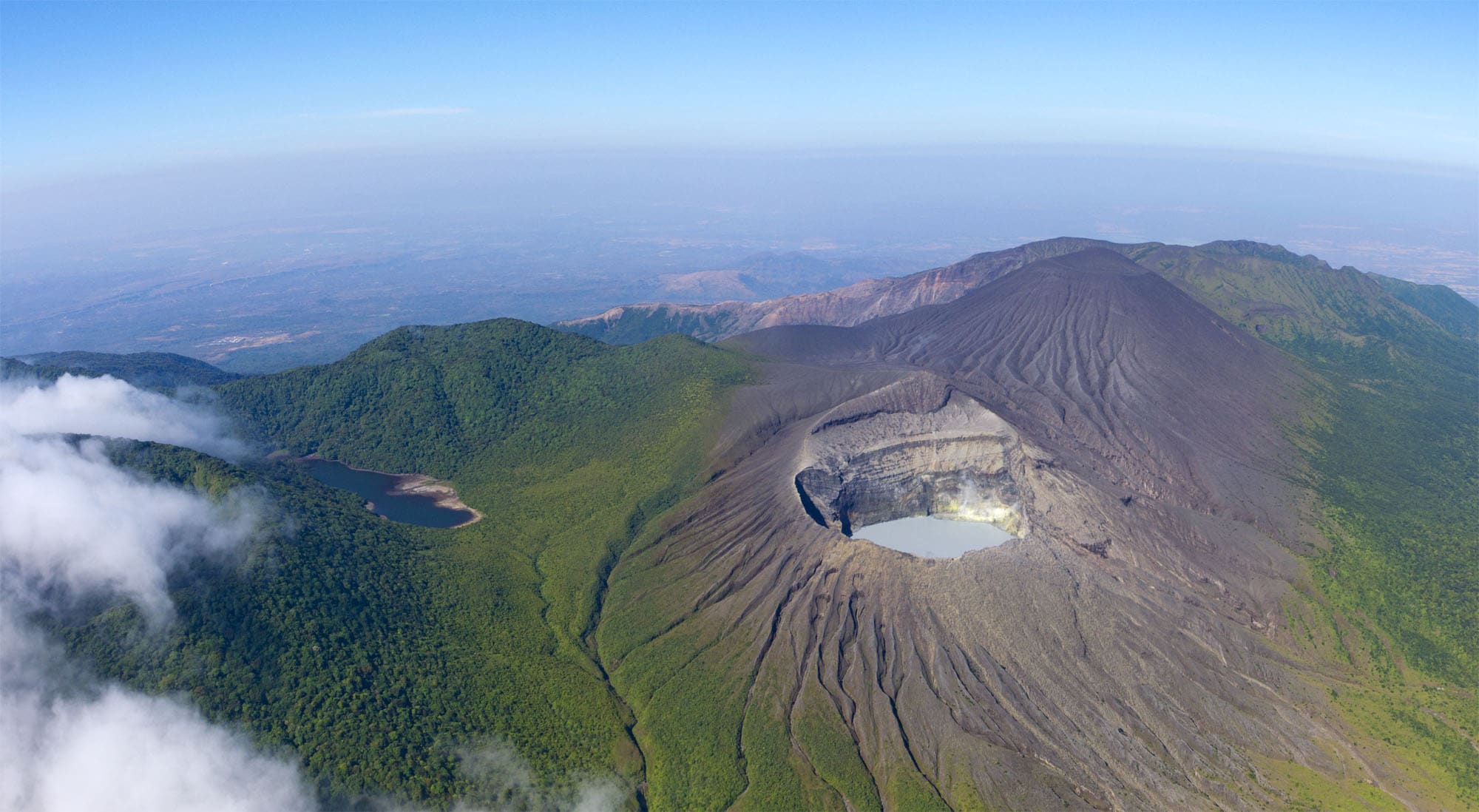
The crater or Volcano Rincón de la Vieja. Photo credit: Luciano Capelli.