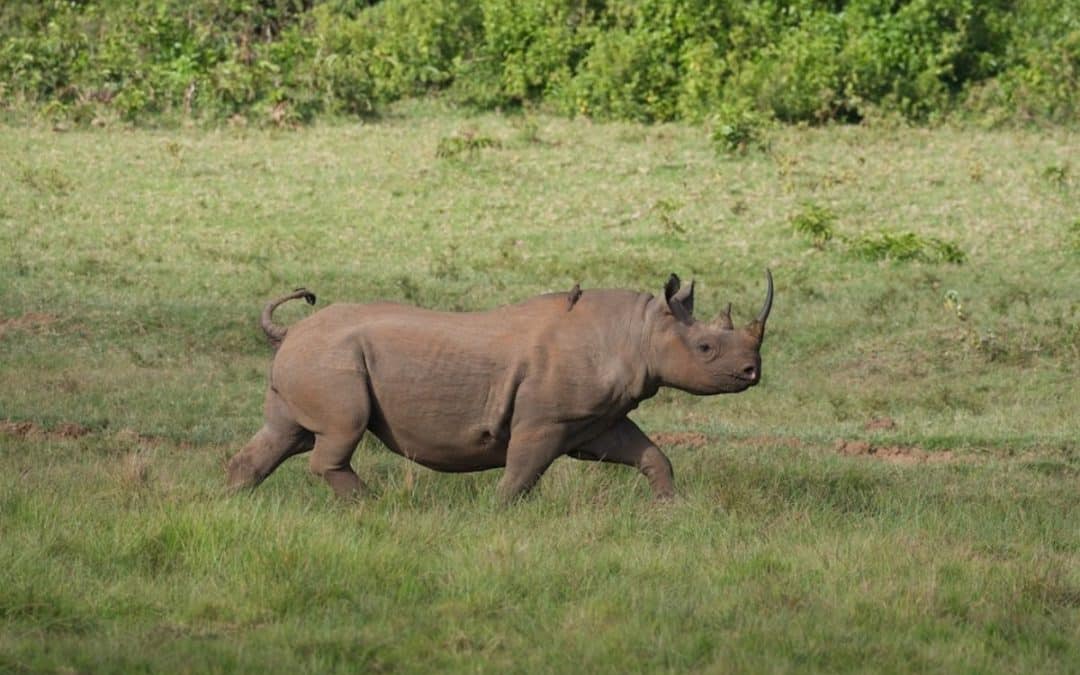
Black Rhino – an important species in the mountain forest habitats where Rhino Ark works. Photo credit: Rhino Ark.
Rhino ARK work across Kenya’s mountain forests to protect keystone species, restore ecological processes and empower local communities. Starting with the Black Rhino, an umbrella species, they now work with the critically endangered Eastern Mountain Bongo and help foster coexistence between farmers and Elephants through eco electric fences, walking grids and innovative AI cameras, capable of recognising Elephants and deterring them without physical barriers. Over 85,000 households living on forest edges benefit from their work, and 184 schools nurture a new generation of rewilding champions.
The emblematic Black Rhino, one of Africa’s most iconic and endangered species, has become a symbol of hope. Once teetering on the edge of extinction due to poaching and habitat loss, Black Rhinos are now making a slow but steady comeback thanks to dedicated protection globally.
These solitary, highly territorial animals roam and browse the mountain forests of Aberdare and Mount Kenya, shaping the ecosystem with every step they take.
Inspired by these ecosystem engineers, our Alliance Partner Rhino Ark is a dedicated team working towards a harmonious coexistence between people and wildlife. What started as a focus on one species – the Black Rhino – became a holistic approach to breathing life back into a whole ecosystem.
Beyond One Species: A Whole Ecosystem
As an umbrella species, the presence of the Black Rhino has trickle down effects on the species they coexist with and on the wider health of the ecosystem they inhabit. A system-wide shift, that is termed a ‘trophic cascade’, where key wild animals drive processes that are scaled well-beyond their direct interactions. While Rhino Ark was born out of the urgent need to stop Rhino poaching, it quickly expanded its lens to protect entire ecosystems – inspired by the wide influence of the Rhino.
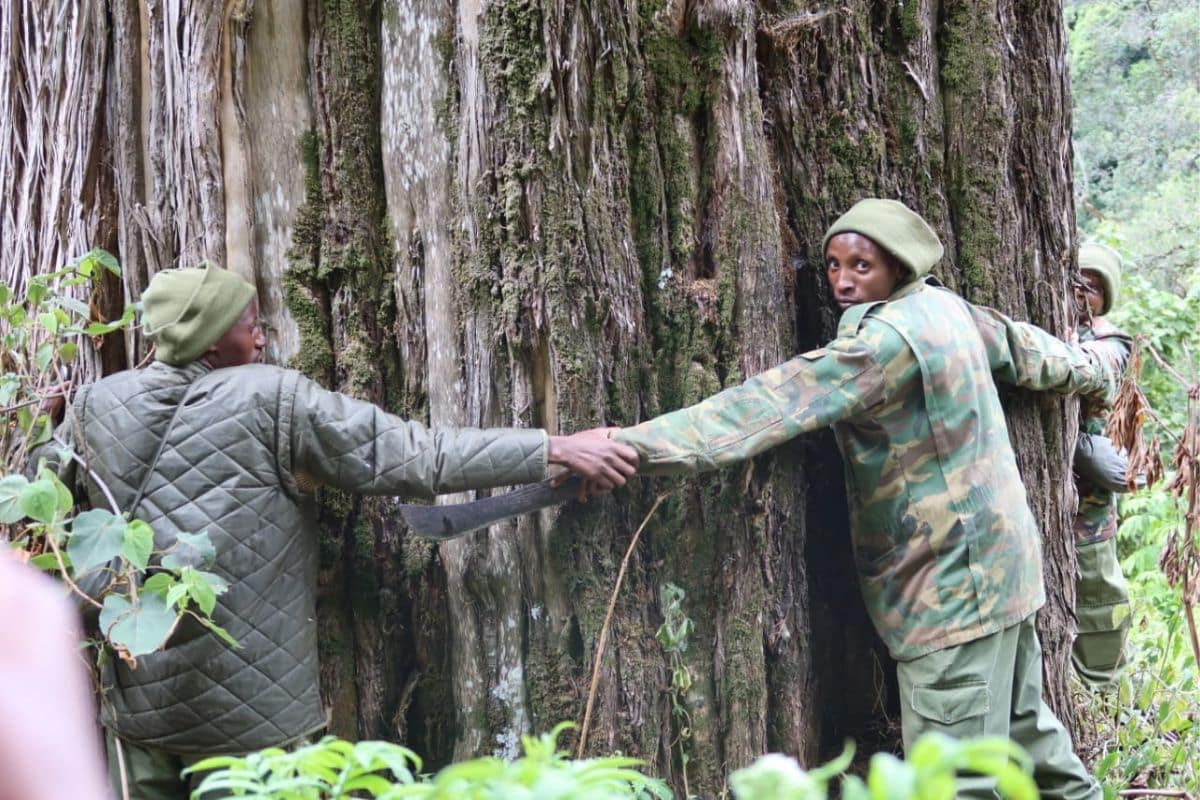
Rangers from the Joint Surveillance Unit help protect the habitat from the unwanted incursions of poachers and charcoal burners while monitoring wildlife. Photo credit: Rhino Ark.
Kenya’s mountain forests: the Aberdares, Mount Kenya, Mount Eburu and the Mau Forest, are vital “water towers.” These highland ecosystems absorb and release water through rivers that sustain millions of people and wildlife across the country.
To ensure the protection of these watersheds, Rhino Ark works to understand the reality of the communities living around them. While the region is home to extraordinary biodiversity, it remains threatened by pressures from poaching, illegal logging, agricultural encroachment and human‑wildlife interactions.
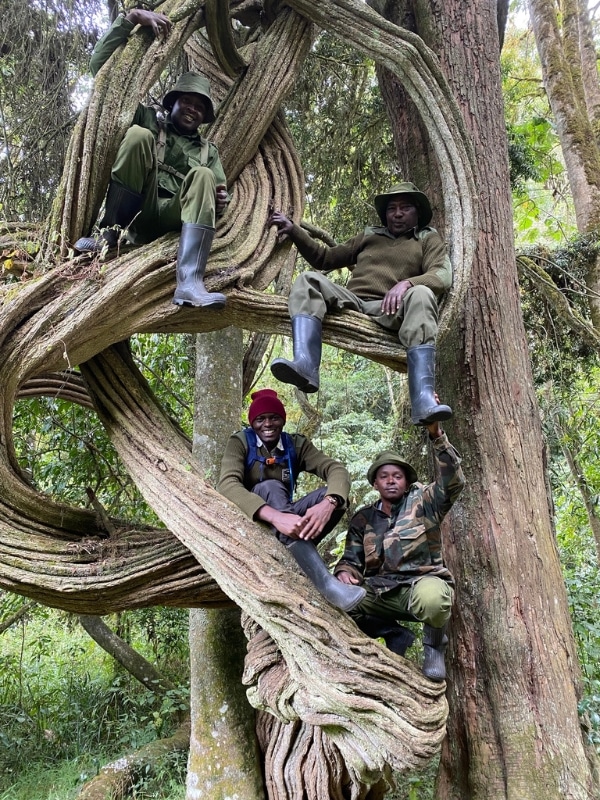
Many of the rangers employed by Rhino Ark are former poachers; they know the forest best and with regular employment no longer need to hunt for bush meat to feed their families. Photo credit: Rhino Ark.
Ensuring Safety for Peaceful Coexistence
As a response to the fundamental need of safety and stable livelihoods for the local communities, Rhino Ark successfully fundraised for electric fencing. These facilitate people and wildlife to live alongside one another. Interestingly, the fences act more like a psychological barrier, sending well-controlled strong yet short-lived pulses that do not cause bodily harm to the animal, but are sufficiently unpleasant to act as an effective deterrent.
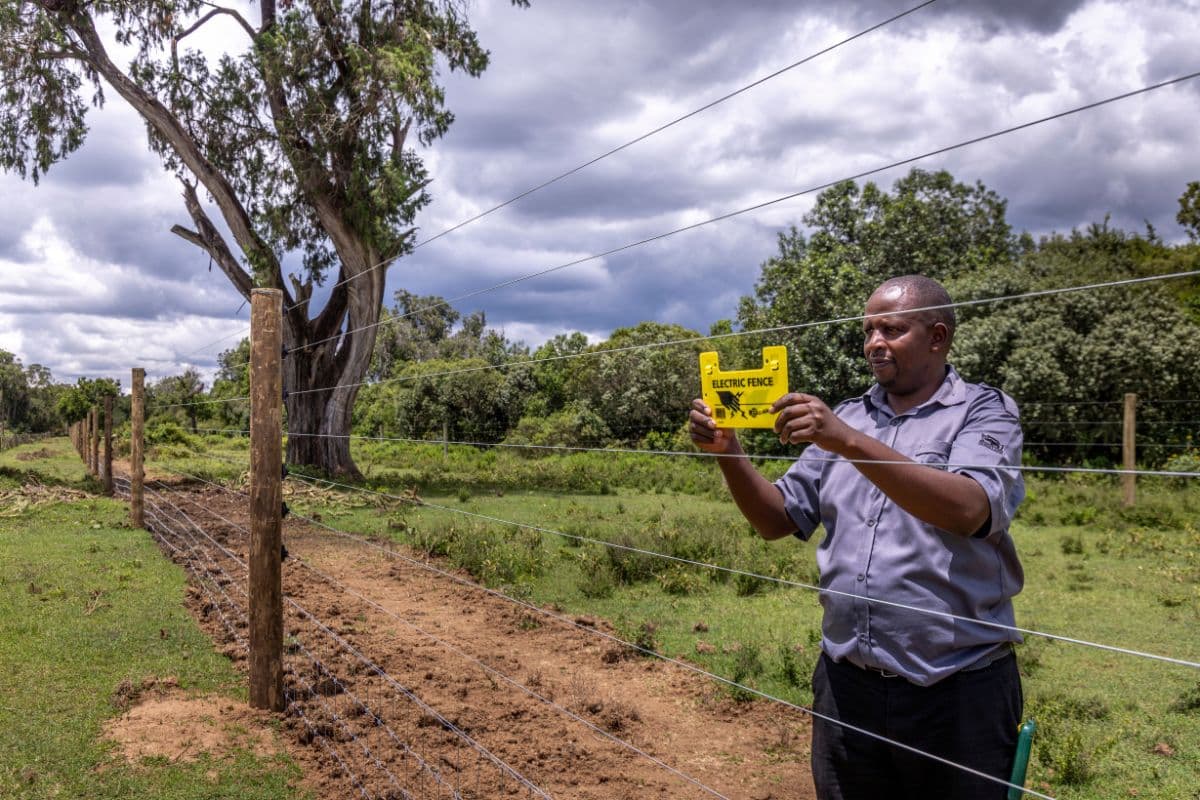
These eco electric fences keep the wildlife in the national parks so farmers get increased yields and safety for them and their families. Land values of farms around the park consequently increase. Photo credit: Rhino Ark.
This has since become a symbol for rekindling hope in the relationship between people and wildlife: the fences help keep wildlife within protected habitat, deter illegal land use, and reduce dangerous encounters between animals and neighbouring communities.
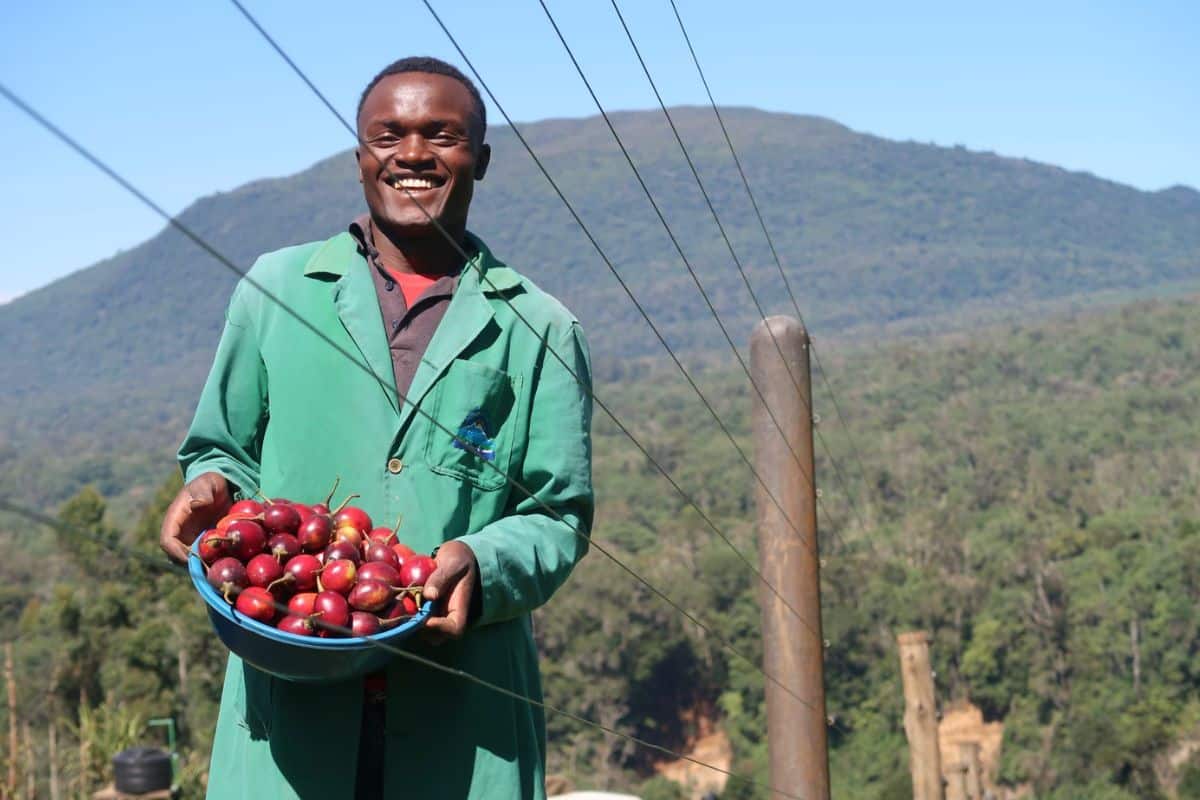
Crops are no longer raided by hungry Elephants so the communities see effective improvements in their livelihoods; more to eat and excess to sell. Keeping local communities on side with conservation work ensures a sustainable future for everyone involved in these projects. Photo credit: Rhino Ark.
Over 570,000 hectares of forest and key water catchments now benefit from this protection, safeguarding 15 threatened species – such as the Mountain Bongo antelope – and preserving ecological functions that extend far beyond the forest boundaries.
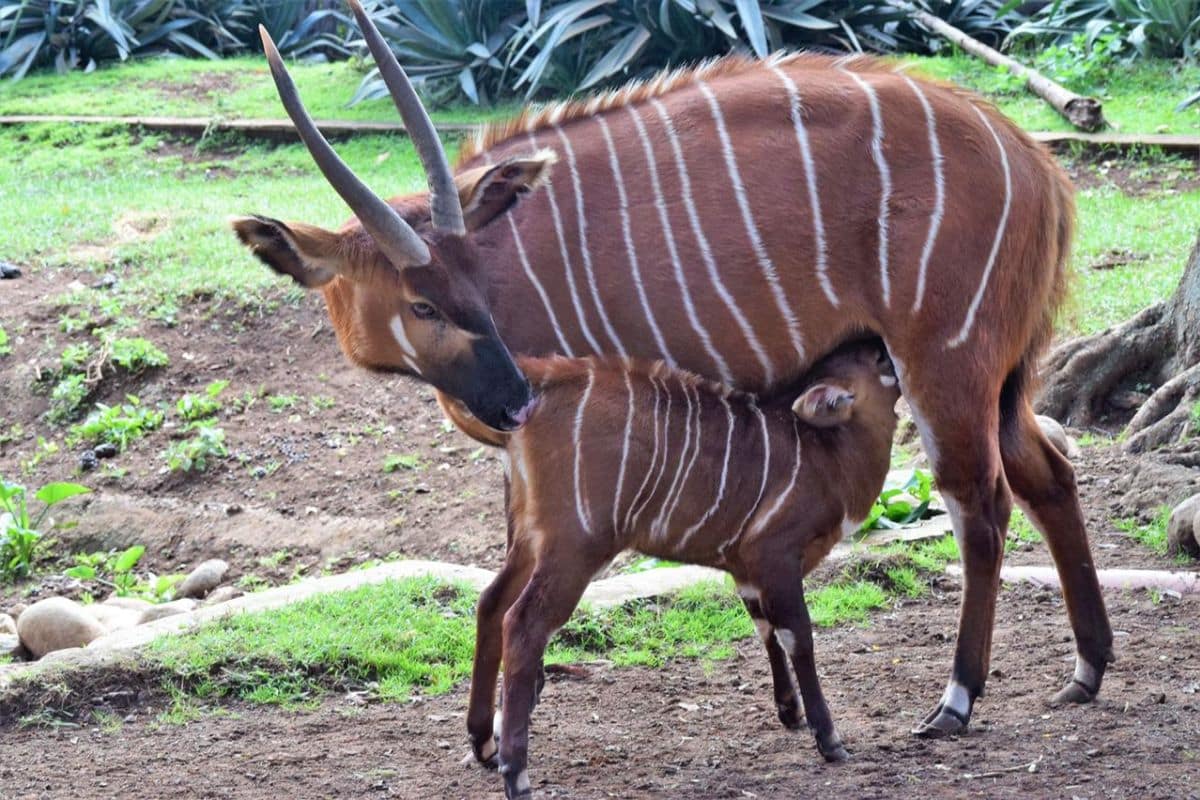
The critically endangered Eastern Mountain Bongo, with less than wild 80 individuals, are part of a reintroduction scheme using Bongos from zoos around the world to diversify the gene pool and hence increase numbers in the wild. Photo credit: Rhino Ark.
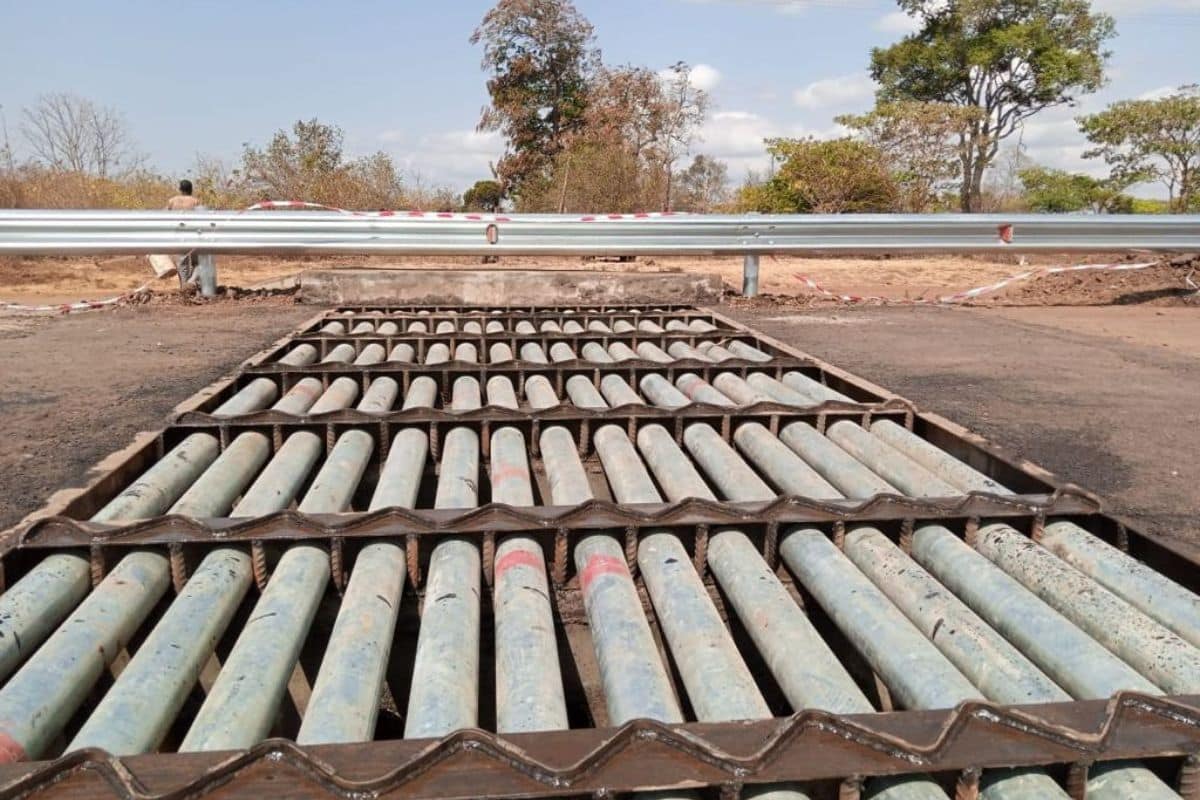
Rhino Ark also ensures the safe migration of wildlife through the deployment of innovative technologies, including an AI-powered ‘Virtual Elephant Grid’ in the Imenti Forest that uses smart cameras to detect Elephants approaching roads, activating lights and sounds to deter them without physical barriers.

Rhino Ark uses modern technology with AI integration in these virtual Elephant grids that keep Elephants away from the dangers of the road. Photo credit: Rhino Ark.
Empowering Communities as Stewards: A Hopeful Future
Adopting a fundamental principle of rewilding, people are central to Rhino Ark’s approach. Education and livelihood support have become fundamental pillars of their long‑term success. More than 85,000 households living on forest edges live more peacefully and programmes with 184 schools nurture a new generation of rewilding champions.
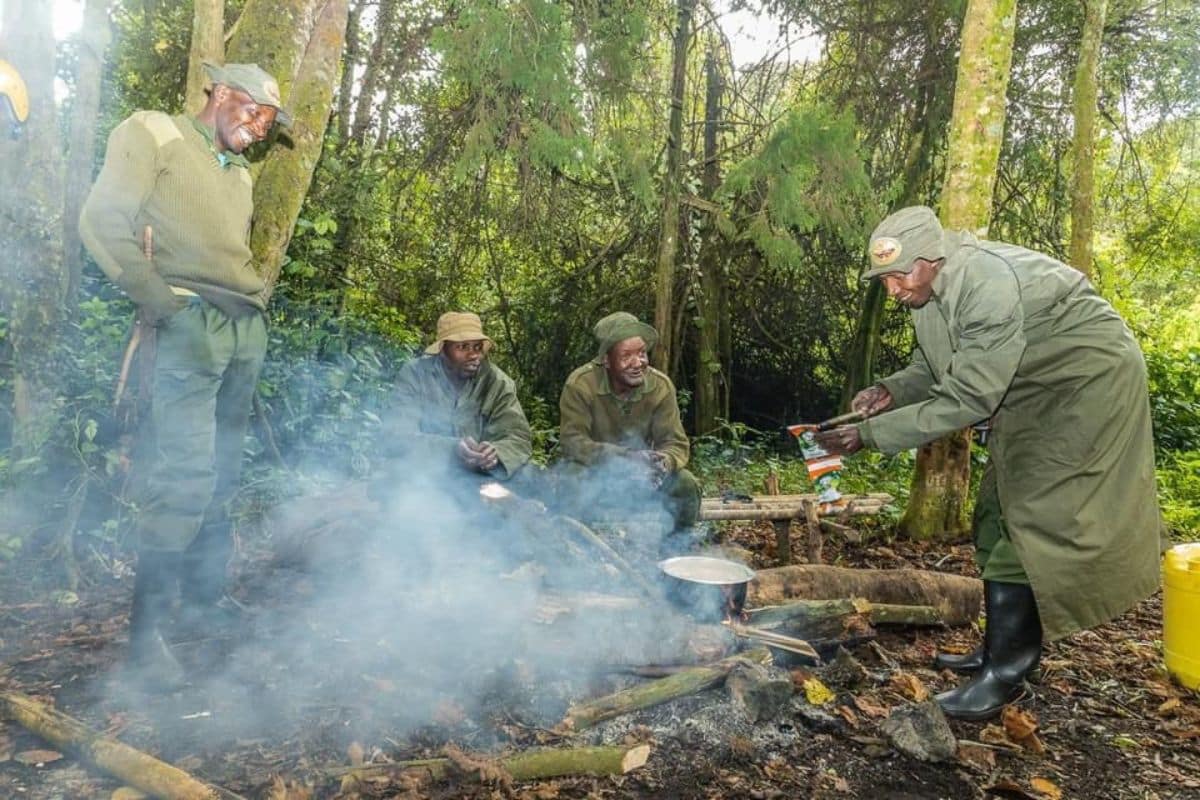
Pupils in the annual fence relay run around the Aberdare National Park, tree planting, ranger patrol stopping for lunch, Elephant grids to stop crop raids. Photo credit: Rhino Ark
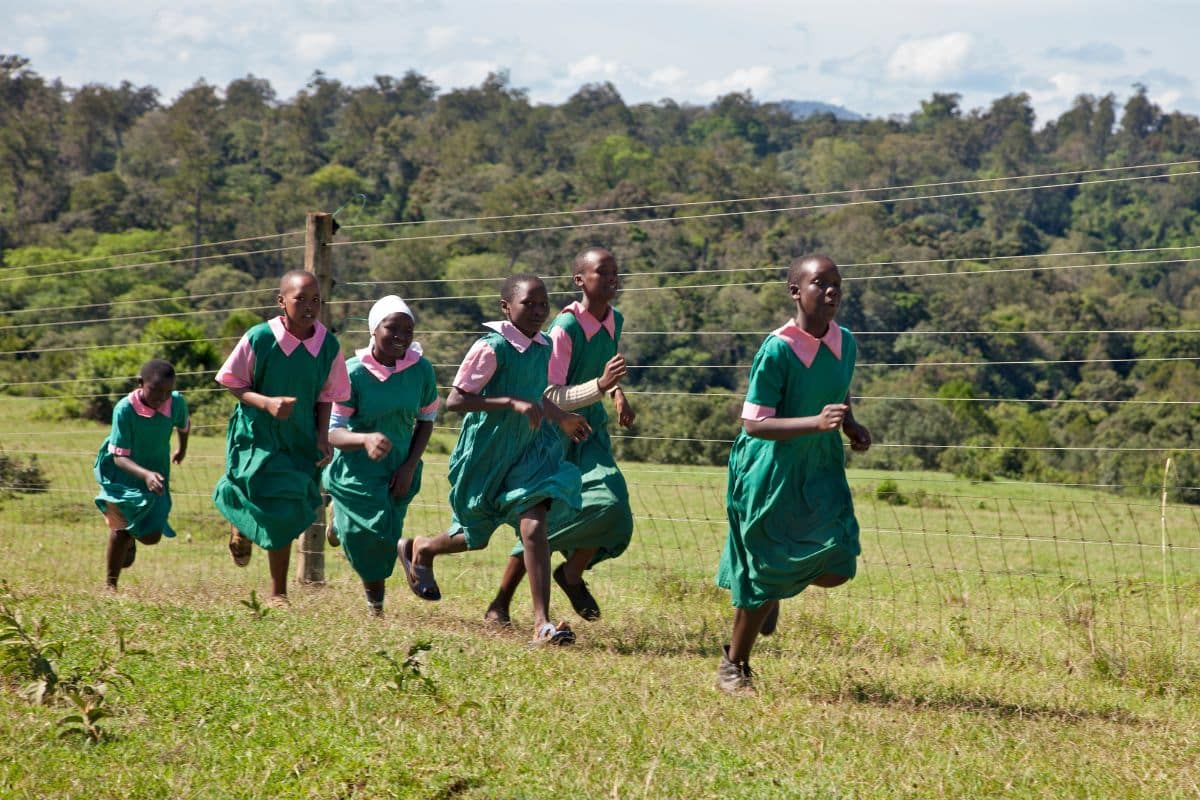
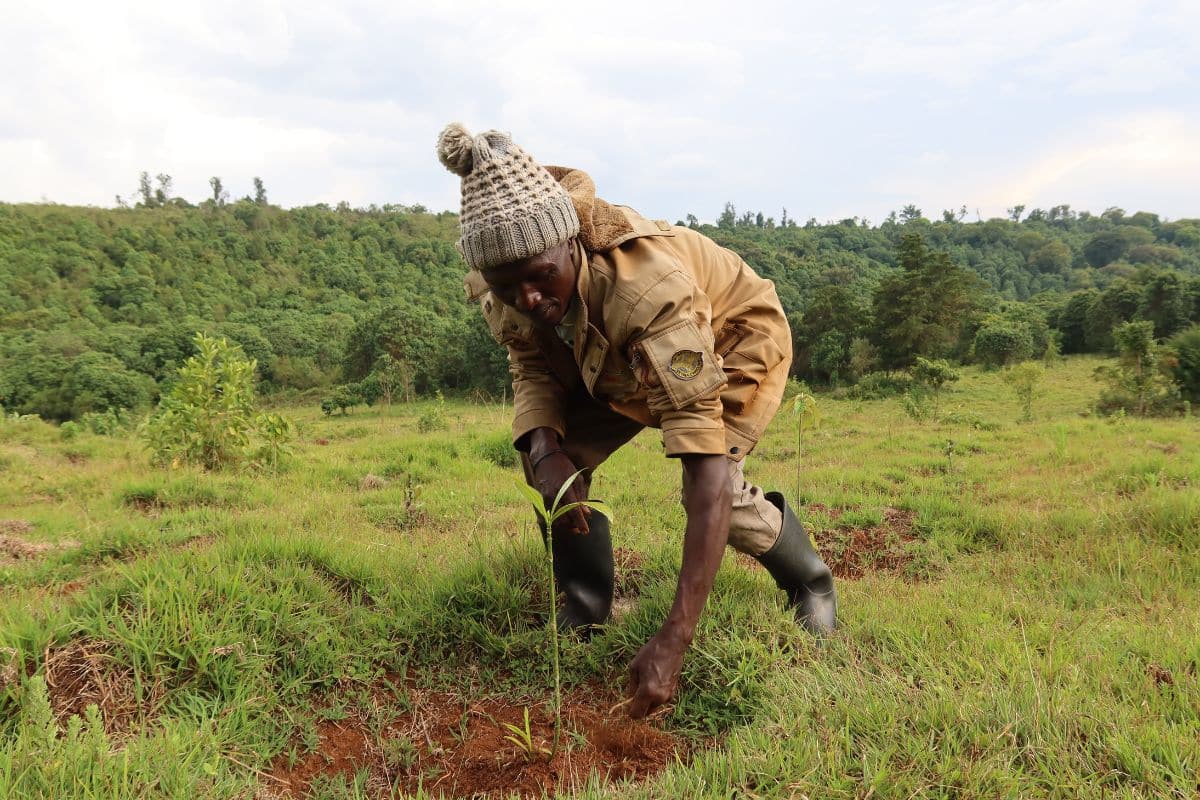
Through public‑private partnerships, local families are empowered as forest stewards, from participating in surveillance and restoration to finding sustainable ways to earn a living that align with ecological health.
Fence construction, patrols and community ranger initiatives that see locals become defenders of the land, Rhino Ark’s work revolves around exemplifying that there is a way for coexistence to mean resilience.
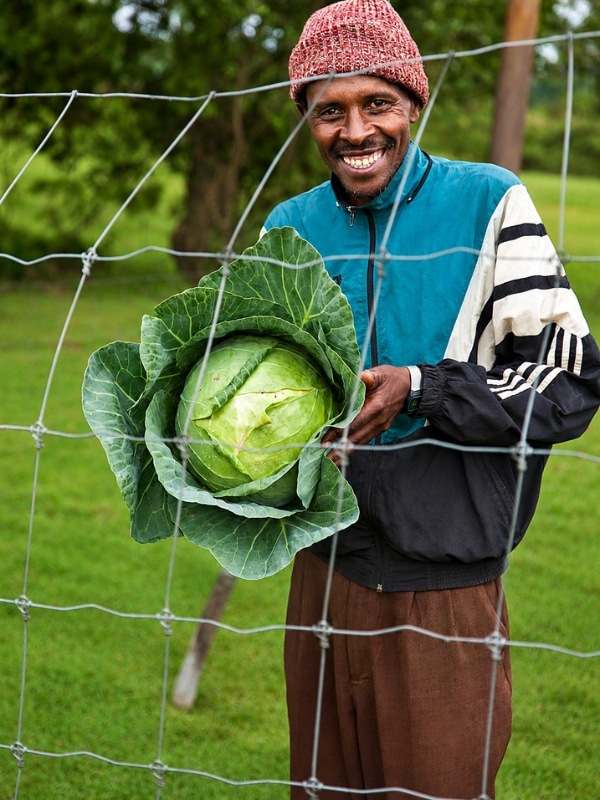
As Kenya’s population increased the fertile land around the mountain National Parks became ever more important for food production. Farms now surround many of the parks. This led to increased human wildlife conflict until the fence arrived and reduced it by 97%. Photo credit: Rhino Ark.
Rhino Ark demonstrates the true integration of the web of life, and our role as stewards within the system. Inspired by the Black Rhino, they have let their work spread to restoring balance and connectivity across entire landscapes, strengthening water security, empowering communities, and nurturing a future where life in all its forms can prosper together.
About the Global Rewilding Alliance
The Global Rewilding Alliance brings together over 300 organisations across every continent to catalyse a worldwide movement for nature’s recovery. We accelerate learning, convene evidence, and share the successes and benefits of rewilding —inspiring more organisations to rewild and unlocking new resources for rewilding. Learn more about our work.