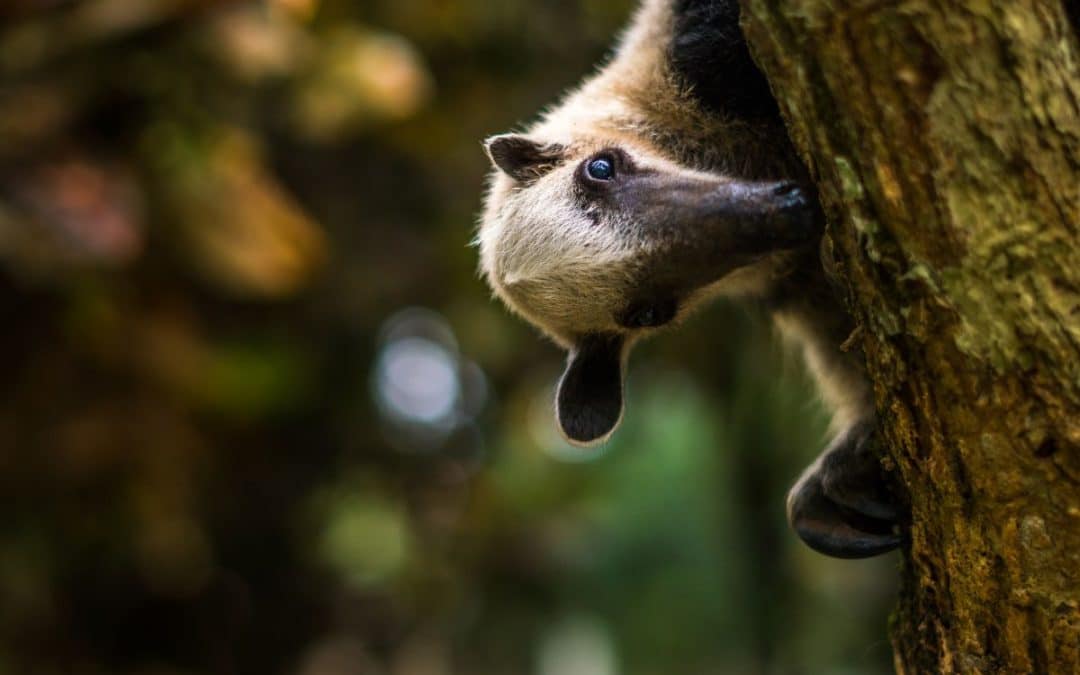
Tamandua. Credits: Jaguar Rescue Center
The Jaguar Rescue Center in Costa Rica is a sanctuary dedicated to the rescue, rehabilitation, and rewilding of injured wildlife, including Monkeys, Reptiles, and Sloths. Founded by Encar García and Sandro Alviani, the center fosters a deep culture of coexistence by engaging local communities through environmental education and outreach. Beyond immediate animal care, the organisation promotes habitat restoration, notably through its La Ceiba Primary Forest Conservation program and the “Shock Free Zone” initiative, which insulates power lines to prevent wildlife electrocutions. Their holistic approach connects human compassion with nature’s resilience, protecting vital ecosystems and the wildlife that sustains them.
If you’ve ever sat in a room – or a zoom call – full of rewilders, you’ve probably felt that electric pulse of passion in the air. Stories of experiences that have led each of them to take on the role they have today. The story behind our Alliance Partner Jaguar Rescue Center gave us that exact feeling.
Catalonian primatologist Encar García and Italian herpetologist Sandro Alviani met through their love for wild animals, a love that they dedicated to Costa Rica’s unique Primates and Reptiles. Their work started naturally, welcoming injured animals into their home until they were restored to heal, but one day their space became too small, or rather, the living wild beings outgrew the space.
And so, the Jaguar Rescue Center was born – a place where healing happens with deep compassion and it continues today.
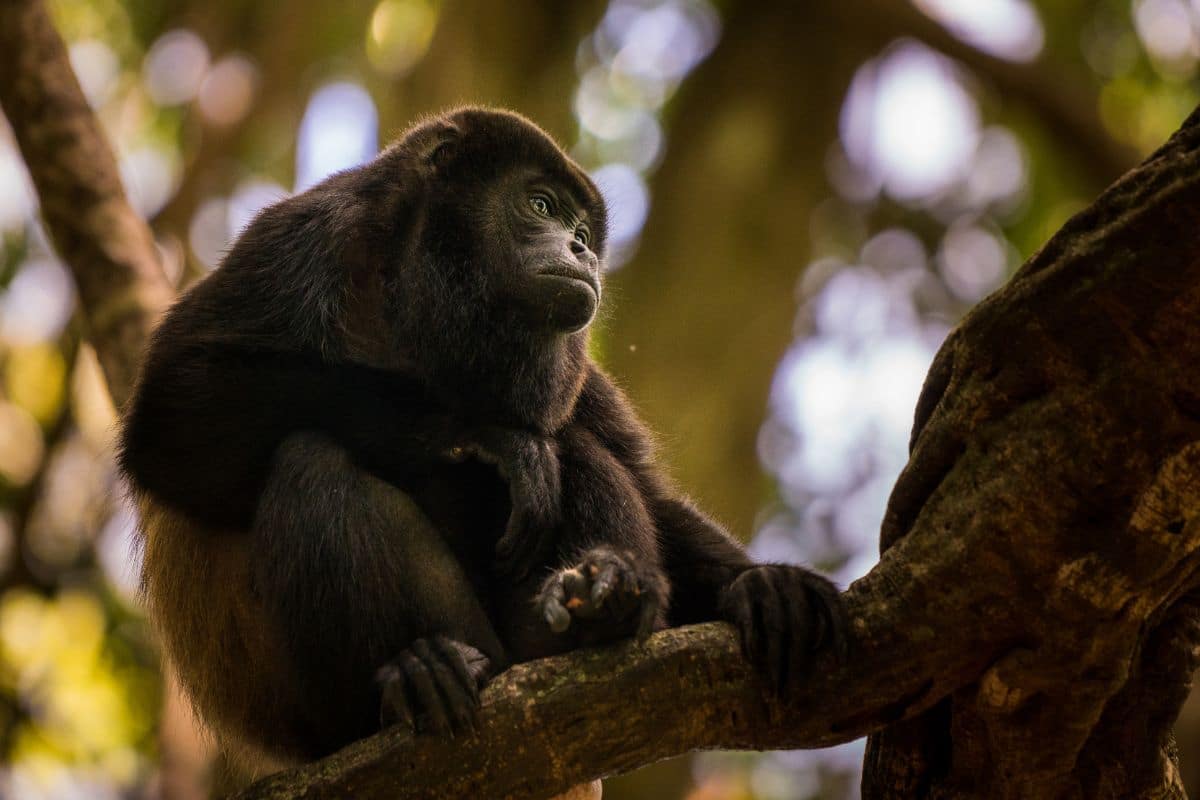
The Mantled Howler Monkey, Alouatta palliata, is the most commonly seen and heard species on Costa Rica’s Caribbean coast. Recognized for thunderous vocalizations, this monkey holds the title of loudest land animal and often signals the start of the day with early morning calls. Credit: Jaguar Rescue Center
A Temporary Home for Healing Wildlife
Since its founding in 2008, JRC has answered thousands of calls for help from vulnerable and injured animals with round-the-clock care and a vision of return to the wild. Monkeys, Bird species, Mammals and Reptiles in distress have been found and brought to the center, including the two Sloth species of Costa Rica, one of them known for their ‘pura vida’ smile.
In 2025 alone, 1,429 wild animals were brought into the centre’s care, treated by their dedicated expert team, and prepared for release back into the rainforest when they were ready. For those who are too injured to make their way back into the wild safely, the Jaguar Rescue Center becomes their permanent home, helping to raise awareness in the local community of their wild neighbours.
As the legendary oceanographer Jacques-Yves Cousteau said: “We only protect what we love, we only love what we understand, and we only understand what we are taught.”
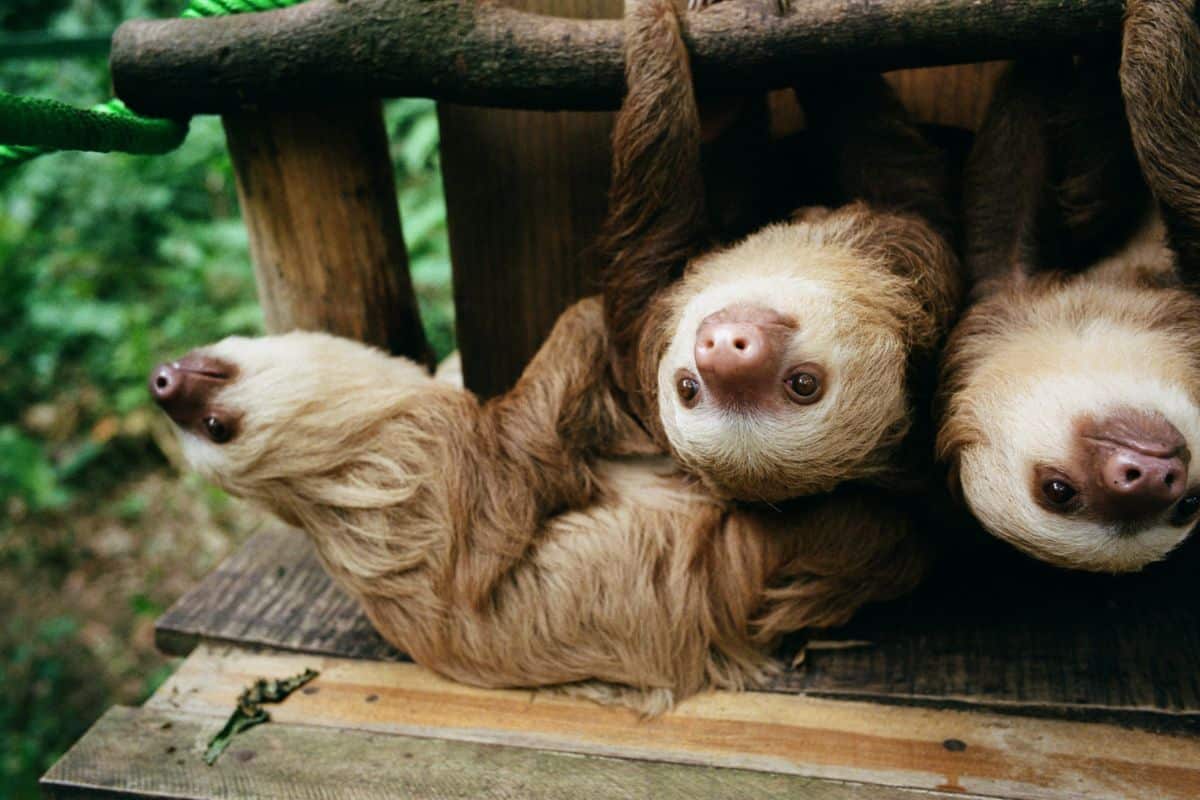
Each year, the Jaguar Rescue Center receives over 300 sloths. Some sloths become permanent residents due to injuries too severe for release. Others, once ready, are released into the wild where they truly belong. Credit: JRC
Healthy Forests for Wild Animals, People, and Planet
Our Partner’s work is strongly founded on the care for hurt species. It has since evolved into something more complex: a holistic approach that improves habitats.
Costa Rica is known for its vibrant ecosystems, full of animal song, calls and swift movements through the canopy and underwater. It is also known as one of the first countries in the world to reverse deforestation, transforming from 40% of rainforest cover in 1987 to 60% in 2021 thanks to a nation-wide vision.
To continue protecting and rewilding these ecosystems, JRC has implemented La Ceiba Primary Forest Conservation programme. This Programme protects nearly 49 hectares of primary forest. The primary forest – characterised as untouched forests – is part of a biological corridor that links protected lands from Costa Rica into Panama. Today, the rehabilitated animals are released into habitats that are safe, intact, resilient and connected.
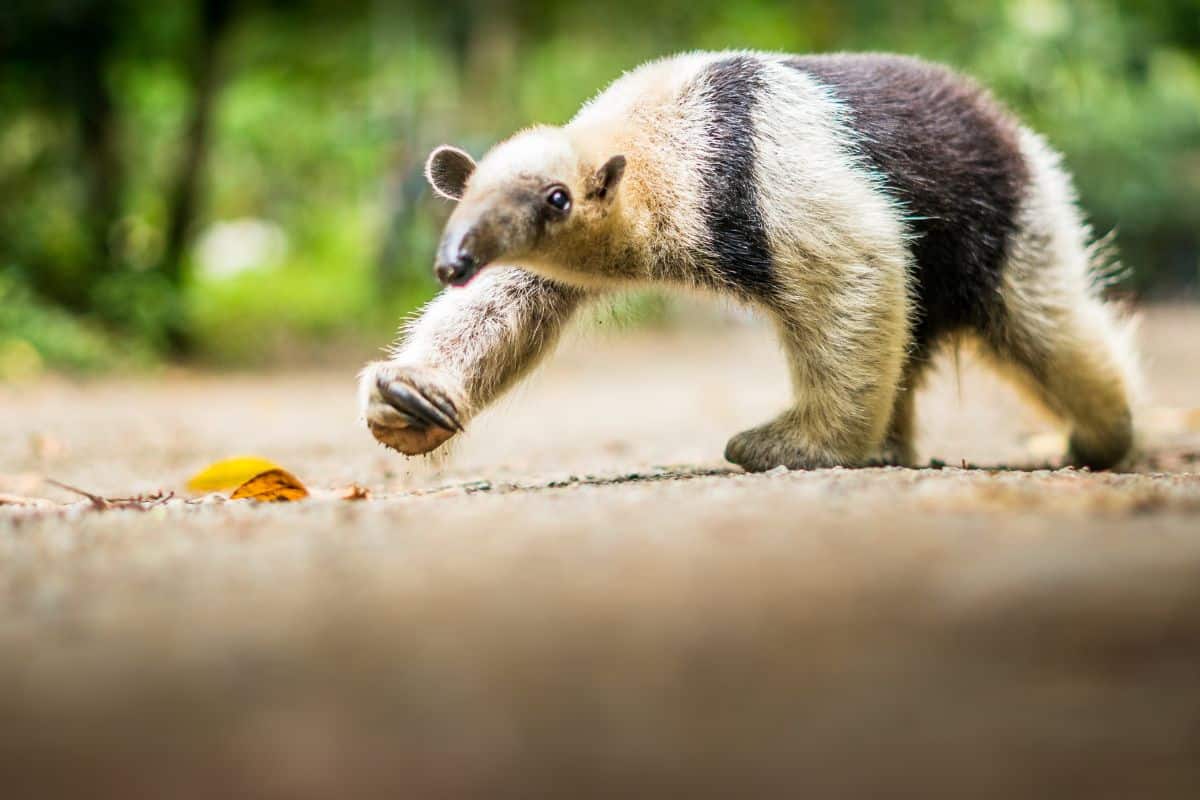
A Tamandua under the care of Jaguar Rescue Center. Did you know? Tamanduas don’t have teeth like other mammals. Instead, they have a long, sticky tongue that helps them collect insects from nests. Credit: JRC
As Sloths reclaim their treetop perches and Monkeys rejoin social troops, these releases help maintain the natural processes of seed dispersal, predator–prey balance, and ecological connectivity crucial to a healthy forest ecosystem. Empty forests function very differently to forests that teem with life and dynamic interactions, including rainforests’ ability to capture carbon.
A Vision of Coexistence
“Don’t leave any animals behind” is the mission behind our Partner’s work. The only way this can happen is by involving local communities and collaborating with other organisations.
Through environmental education, community outreach, and volunteer programmes, the centre fosters a culture of coexistence between people and wildlife. Local schools, residents, and visitors learn about the animals and their role in protecting the forests and the intricate web of life they support. Workshops, guided tours, and partnerships with universities and government agencies help bridge knowledge and action, creating champions within the very communities that share land with wildlife.
We only protect what we love, we only love what we understand, and we only understand what we are taught.
Jacques-Yves Cousteau, oceanographer
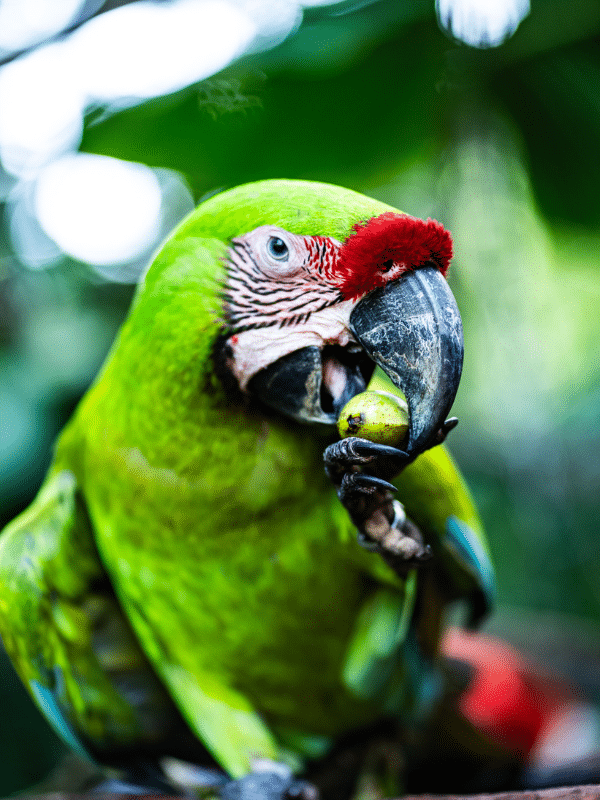
Birds face a wide range of threats in Costa Rica. The Jaguar Rescue Center cares for a diverse array of avian species—raptors, parrots, aquatic birds, and songbirds—each with distinct ecological roles and rehabilitation needs. Credit: JRC
One of JRC’s inspiring initiatives is the Shock Free Zone, a collaboration with Costa Rica’s electricity company and the national Ministry of Environment. By insulating dangerous power infrastructure, this programme dramatically reduces wildlife electrocutions which is a leading threat to Sloths and Monkeys that use these lines as they would natural canopies.
Since 2015, they have insulated 41 transformers, protected nearly 10km of power line and built 17 wildlife bridges. They communicate regularly with the electrical companies who have become partners in recording any electrocutions facilitating the care the injured animals can get and collecting data. This project has become so successful that they are now being asked to implement it in other regions of the country.
We are proud to welcome the Jaguar Rescue Center to our Alliance.
Look at the inspiring survival stories and meet the incredible species under their care.
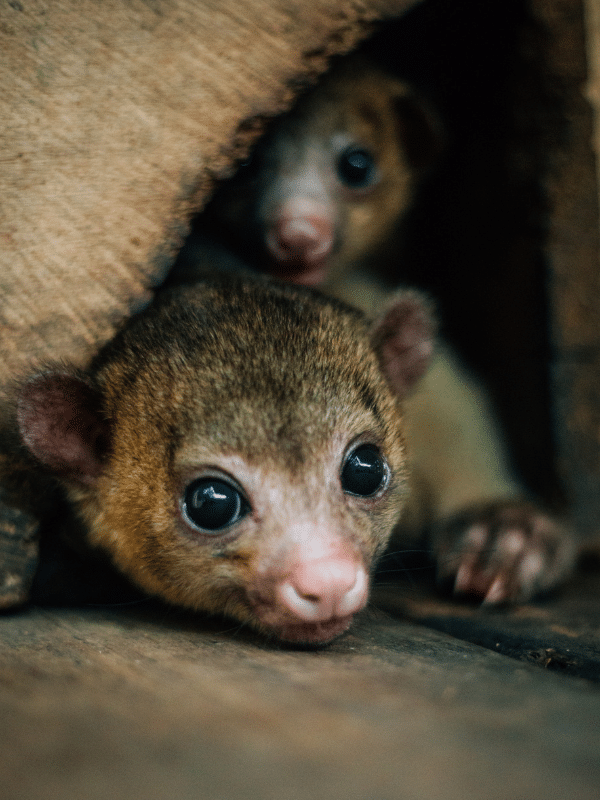
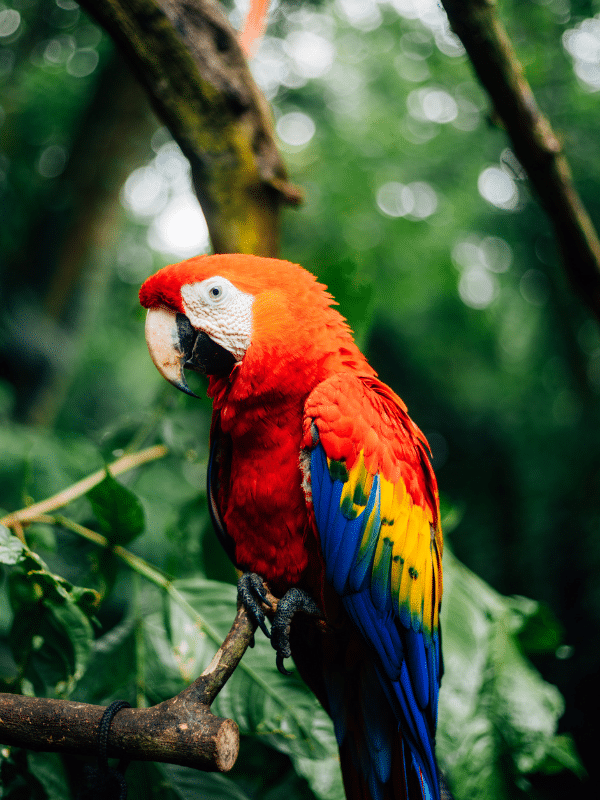
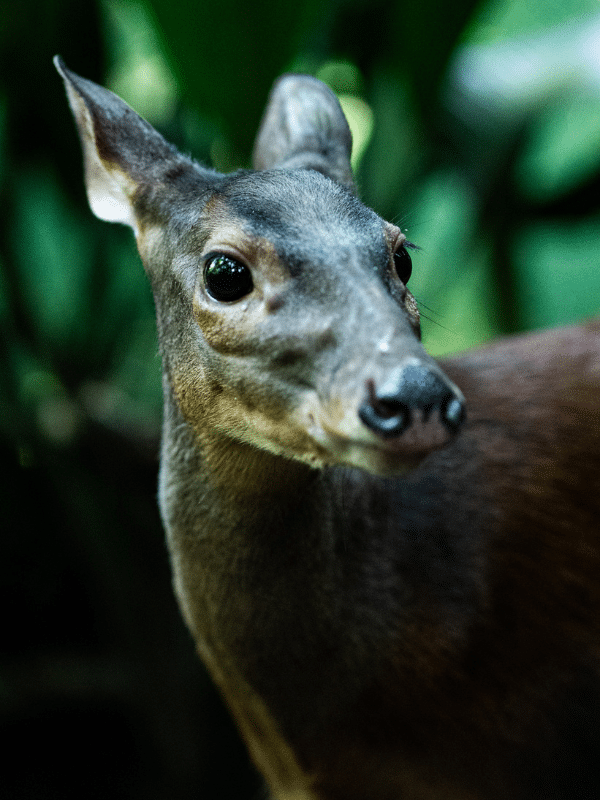
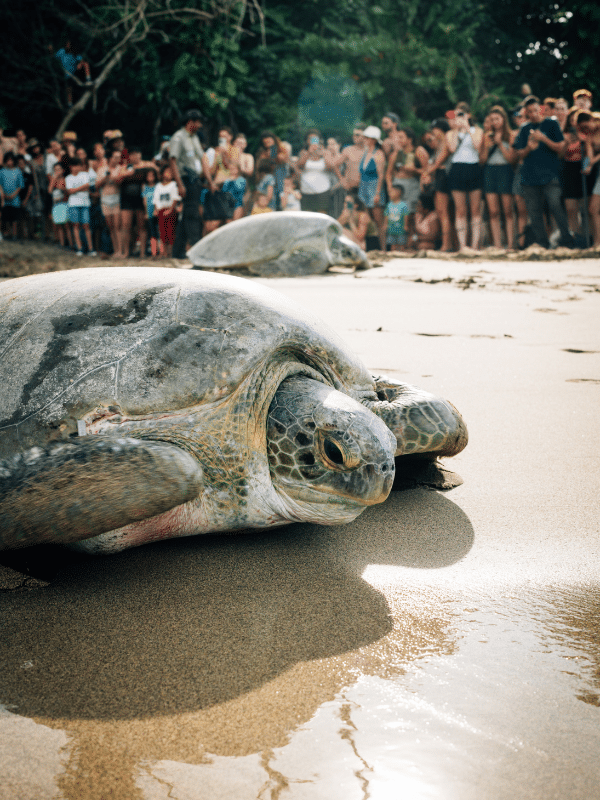
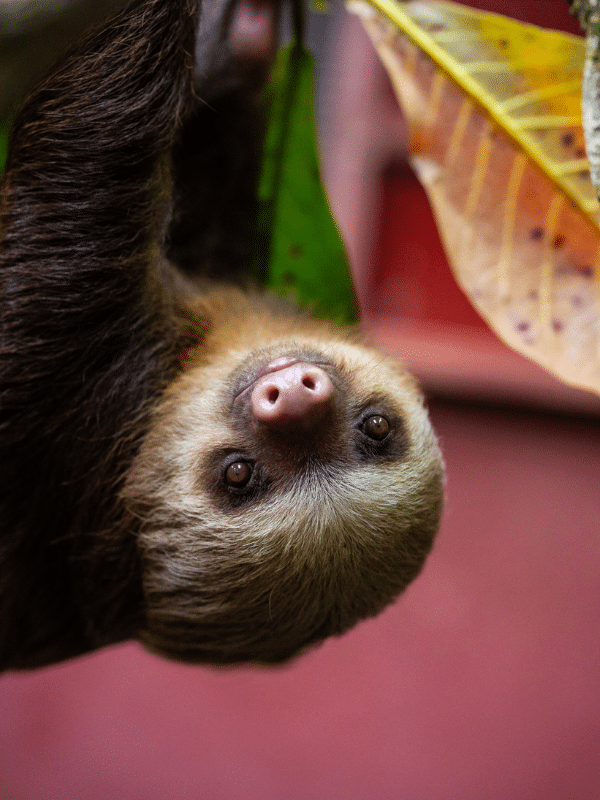
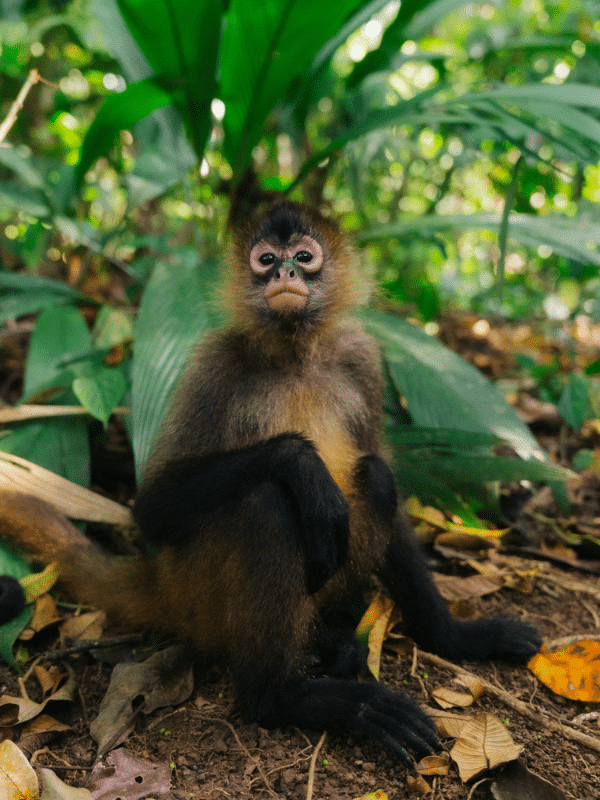
The JRC Sanctuary forms a fundamental part of the JRC family, it is home to approximately 150 animals that cannot be released. Thanks to them, people can be made aware through environmental education of the problems that wild animals are experiencing in the Southern Caribbean Coast of Costa Rica. For those that can be released, like the Sea Turtle, a wild future awaits. Credit: JRC