
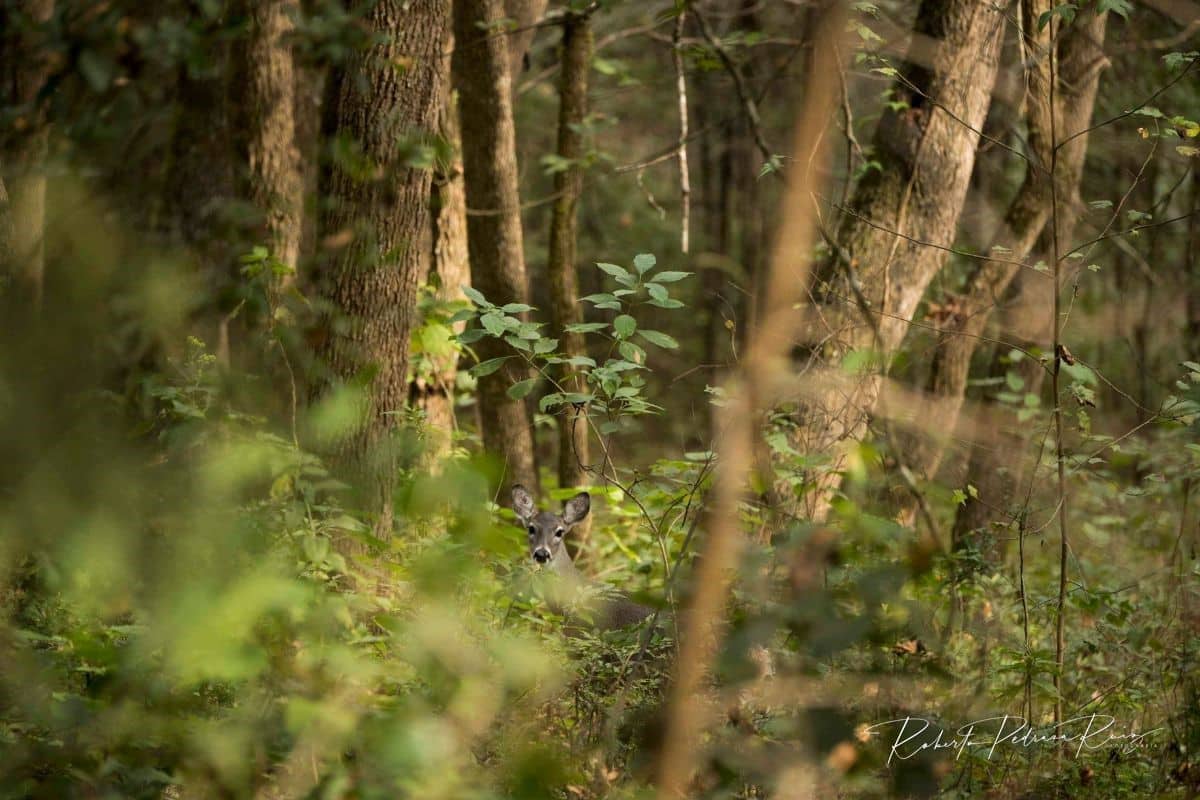
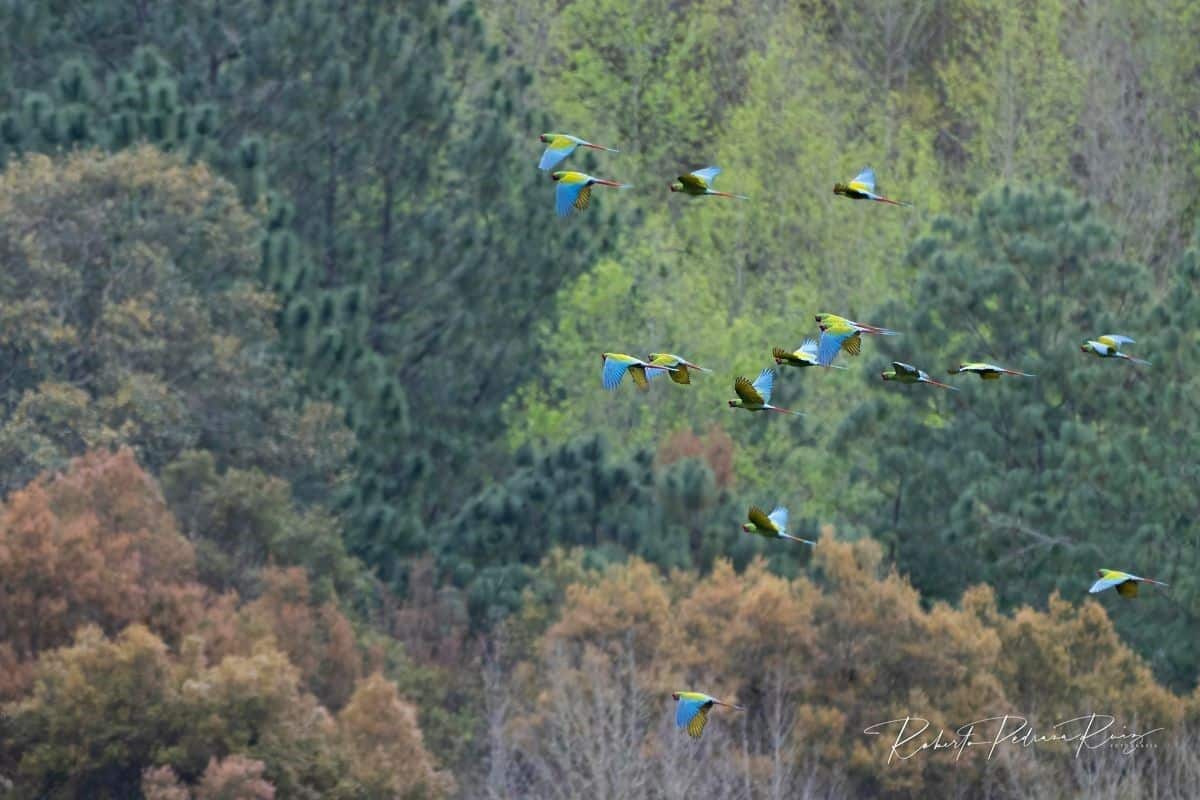
Wildlife photography by Roberto Pedraza
The first of Funding to Scale Rewilding webinars is about Grupo Ecológico Sierra Gorda, creators of Carbono Biodiverso, a local carbon protocol that links Querétaro’s state carbon tax (Sello Querétaro), private-sector compliance offsets and local landowners. Since 2023 the protocol has paid over USD $5.5 million directly to landowners, supports 900+ smallholders across 40,000+ hectares, and is now being promoted for replication across Mexico and beyond.
A Knowledge-sharing Webinar Series: Funding to Scale Rewilding
The Global Rewilding Alliance now spans over 300 rewilding organisations working across the globe to help nature recover, a movement that is benefiting people, wildlife and climate simultaneously. One of the core roles of the Alliance is to help these practitioners to connect and learn from one another.
In 2025, we held our first Global Rewilding Survey, and perhaps unsurprisingly, funding was named the single greatest challenge facing rewilding organisations, and it is the area where our network has asked for the most support.
‘Funding to Scale Rewilding’ is a new webinar series that will spotlight replicable financing models, platforms connecting rewilders to investors, and expert insight into how funders think and what makes a project fundable. In this first episode, we explore an innovative funding model created by Grupo Ecológico Sierra Gorda, a subnational climate protocol linking state government, private-sector carbon-tax obligations, and local landowners in one of Mexico’s most biodiverse protected areas.
We join four speakers:
- Martha “Pati” Ruiz Corzo, Founder and Director, Grupo Ecológico Sierra Gorda
- Ricardo Torres Hernández, Deputy Secretary of Sustainable Development, State of Querétaro
- Alexander Watson, CEO, OpenForests
- David Ross, GESG Consultant, Carbono Biodiverso
Watch the full recording, or read on for the main findings.
Who should read-watch-listen to the session?
This session is for rewilding practitioners, fundraisers, and NGO leaders looking to diversify their funding beyond grants, as well as government officials, carbon-market professionals, and funders or investors keen to understand what makes a rewilding project fundable.
Protecting and Regenerating Sierra Gorda – for local people and biodiverse wildlife
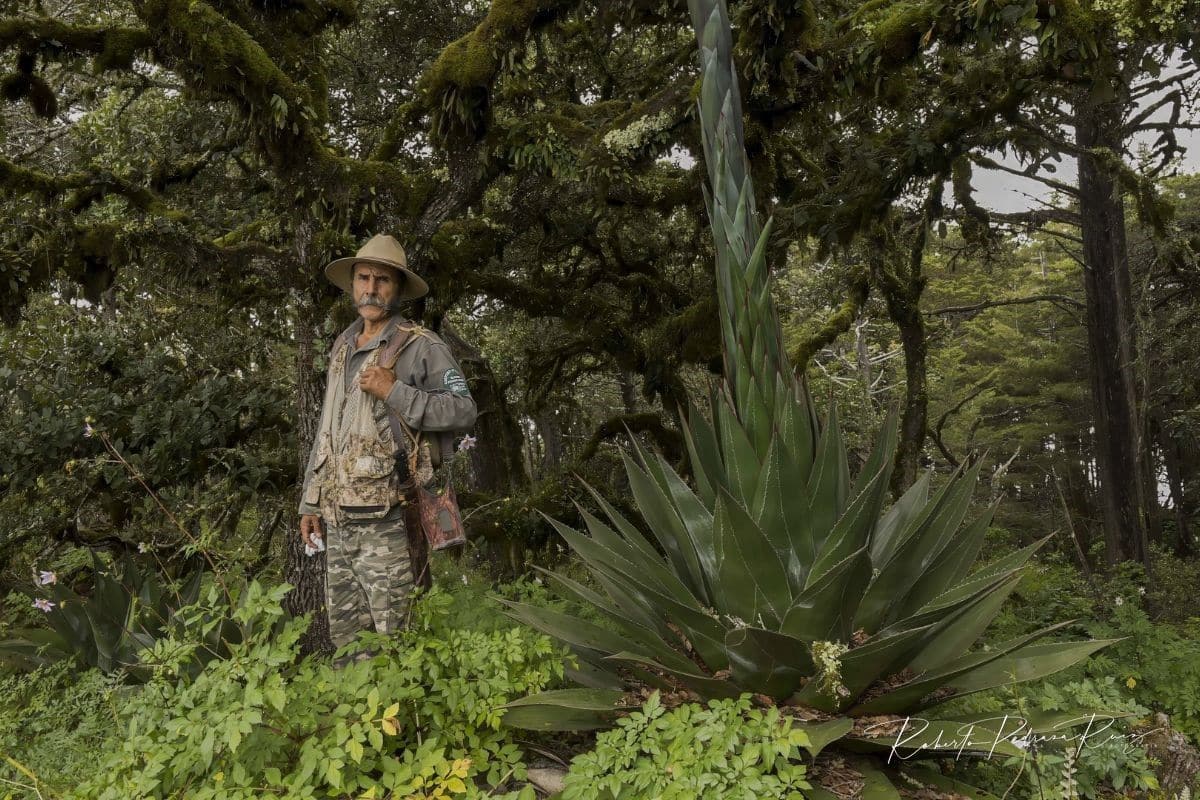
Grupo Ecológico Sierra Gorda is a local grassroots NGO working for four decades in the Querétaro territory in a Biosphere Reserve. The “beautiful green jewel of Mexico”, “a sacred place for Nature and life” is privately owned by hundreds of communities to cultivate local will to protect and regenerate the forests.
The Sierra Gorda Biosphere Reserve is part of UNESCO’s Man and the Biosphere Programme, covering a third of the Mexican state of Querétaro – the biosphere supports over 100,000 people and a huge amount of biodiverse life. The majority is privately owned (70%) with under a third being ejido land (land held collectively by a rural community), and a remaining 3% is federal.
All of us are here because we love Nature. We are an excellent wave, we give back regeneration and love actions: local, loving actions. Thousands, millions of small little actions
Martha “Pati” Ruiz Corzo, Founder and Director, Grupo Ecológico Sierra Gorda
The need for a local protocol
Pati spent extensive time working within the international carbon market, selling credits. She saw that local landowners, often poor and remote, were excluded by international protocols. Grupo Ecológico Sierra Gorda (GESG) was later chosen by the United Nations Environment Programme to develop a transparency framework for monitoring carbon reduction through forest regeneration.
Carbono Biodiverso was created in response to the inadequacy of international protocols for the conditions of rural areas of Mexico with high levels of poverty. Since developing the protocol, GESG has partnered with the local government of Querétaro, which was open to working together, to link the state’s carbon tax, Sello Querétaro, with the Carbono Biodiverso mechanism.
Carbono Biodiverso: a local protocol bringing benefits to the forest and its people
Carbono Biodiverso is a high-integrity carbon finance mechanism developed with OpenForests. It forms part of the diversified, largely self-sustaining funding model that GESG has been building since 1991. It now supports over 900 smallholders across more than 40,000 hectares. Since 2023, Carbono Biodiverso has made over USD $5,586,600 total direct contributions to local landowners.
“We are organising and operating regeneration”
The Carbono Biodiverso Local Protocol is a scalable, inclusive carbon compensation model, successfully implemented in Querétaro. It ensures direct financial benefits for landowners, biodiversity conservation and local economic growth. Its robust digital infrastructure could enable expansion into a national framework to support Mexico’s climate goals.
The protocol is designed bottom-up to address the needs of local initiatives. Local companies that buy the offsets take pride in knowing they are contributing directly to their own region. Many companies now contribute through compliance offsets (mandatory, to reduce the tax they owe), and there are increasingly voluntary offsets too (bought by companies by choice). The collaboration between government, business and landowners ensures that the profits go back to nature.
Advantages of a protocol adapted to the local context
The advantages of a locally-adapted protocol are the following:
- Compensation reaches local people. Landowners must receive an average of at least 80% of the total amount paid for emission compensation.
- Help securing legal title to land. The protocol compensates the current legitimate land holders, so it accepts documents of legitimate land possession issued by local authorities. In rural areas with high levels of poverty, official titles often lag behind who currently holds the land, and this helps to close that gap.
- No intensive inventories. Under many international carbon credit protocols, each landowner typically has to submit hundreds of monitoring sites, which is often dangerous, time-inefficient and can harm the local environment. The local protocol uses fewer monitoring sites, chosen to be representative, using both on-ground and remote sensing methods.
- Lower project development costs. More of the compensation can therefore flow to local landowners.
- Shorter-term contracts. International protocols often require long-term commitments, which can block rural involvement. The local protocol favours annual renewable contracts, which are seeing a high level of renewal.
- Designed for local conditions. The protocol reflects the conditions and traditional practices of communities.
Harnessing local knowledge and personnel
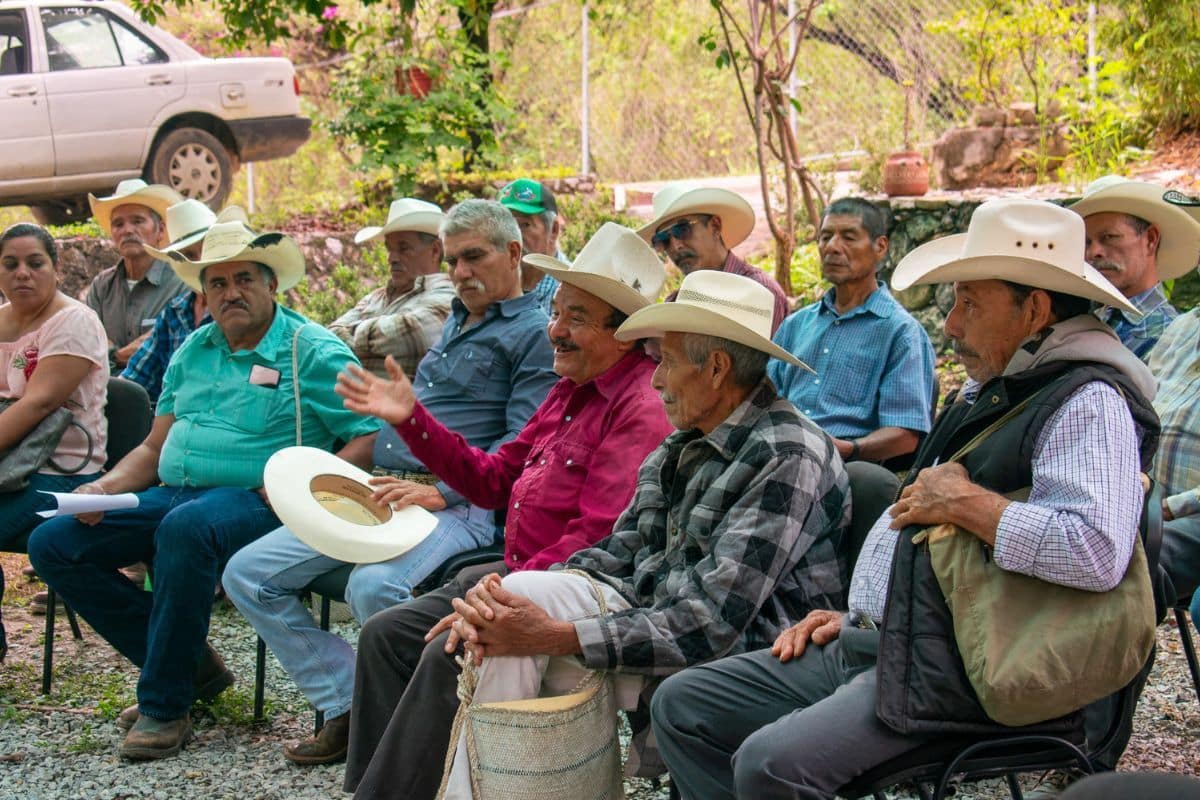
Carbono Biodiverso requires the project proponent to be a civil society organisation (CSO) with knowledge of the region and of forest regeneration, and a minimum of three years’ experience in the region. This means the project prioritises local skills, knowledge and community participation as much as the effective ability to protect, regenerate and rewild the local forests, benefiting people and nature alike.
On average, up to 20% of the total amount paid can be used to cover the project’s operational and administrative costs. The remaining funds must be invested in other community development or nature recovery activities in the local area.
The model’s strength is a robust legal framework. It covers the compliance of emitters, as well as administration (from land registration to carbon inventory, and from transactions to the public registry) and monitoring, both on the ground and by satellite. The shares of Carbono Biodiverso are also publicly disclosed, ensuring that compensation flows directly to on-ground initiatives rather than to consultants.
Led by nature: natural regeneration
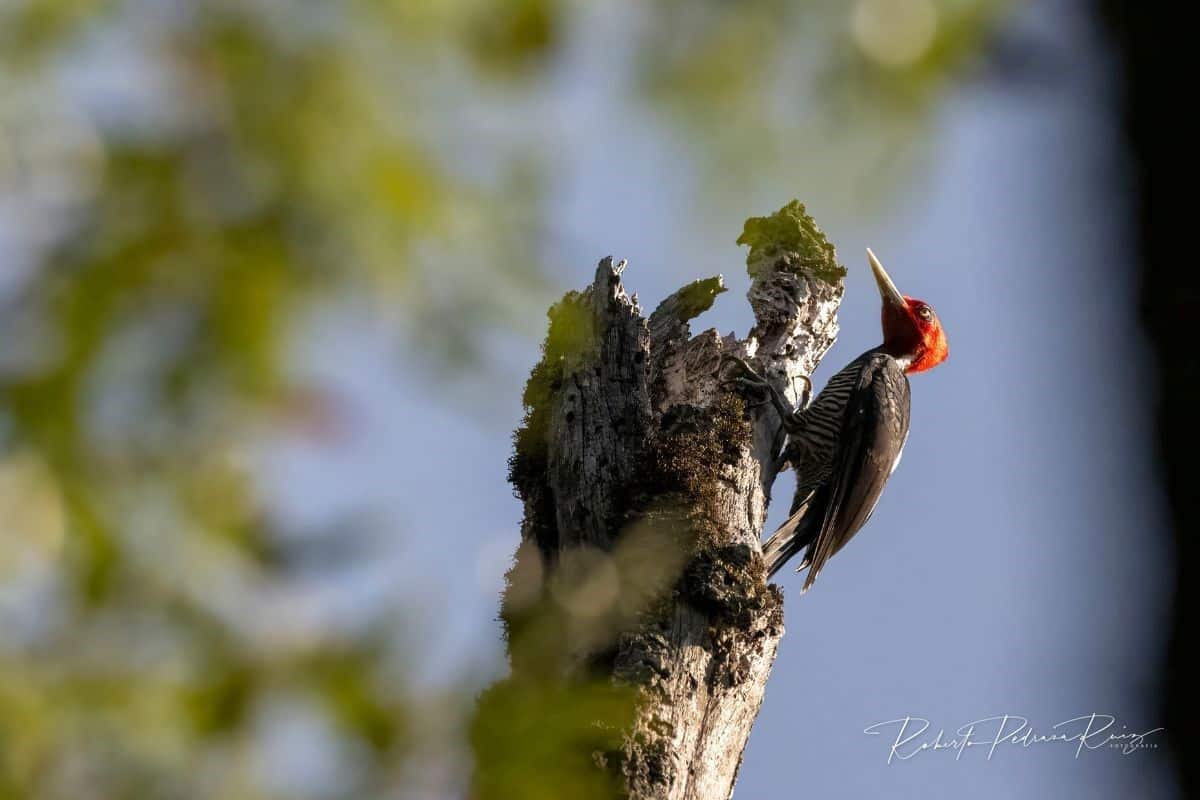
Many offset initiatives have become synonymous with tree planting, but this local protocol lets nature lead. Tree plantations require significant human management and time, and they can grow into “empty forests” with very few tree species. Natural regeneration, by contrast, brings back a huge diversity of species, led by nature and the many wild animals that call the forest home (who also often play a central role in seed dispersal and forest health). Frequently, the process begins by removing livestock, such as cattle, from the area, followed by long-term commitment driven by local stewardship.
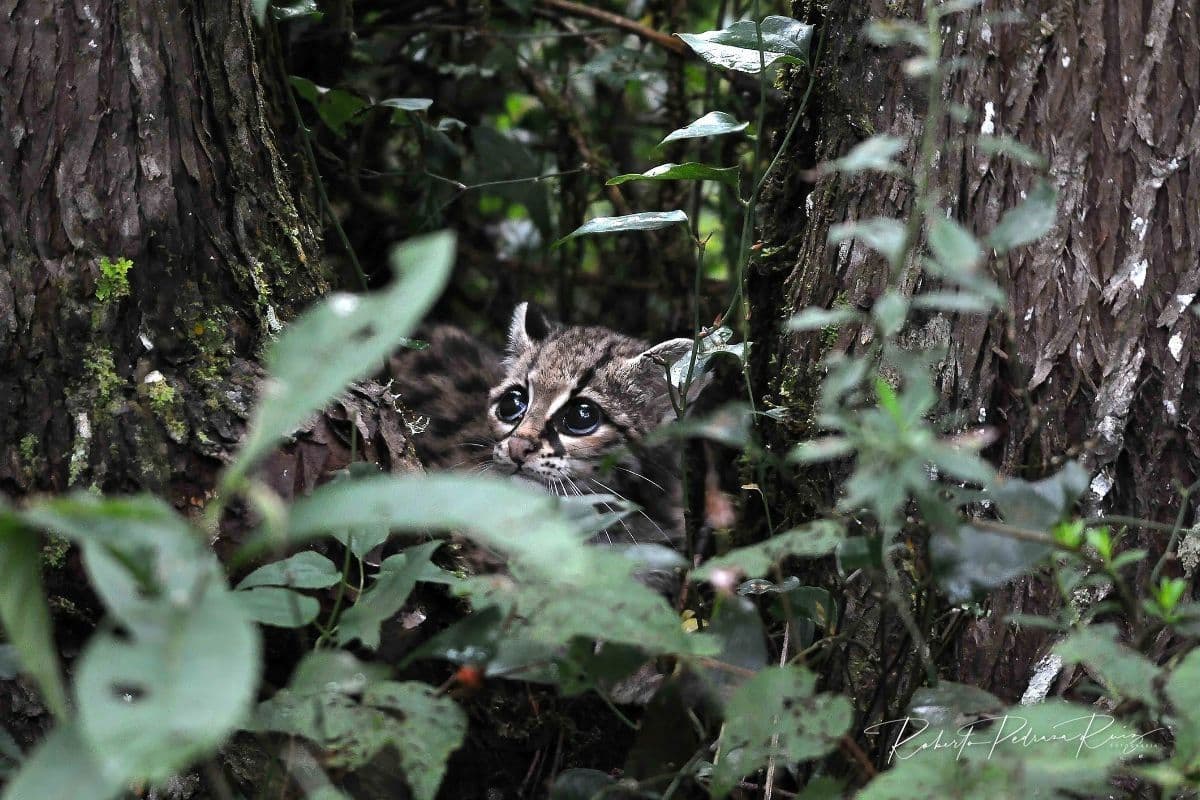
“Many seeds are waiting for the moment that the cows are taken off the land to germinate or grow. The miracle happens when you take the cows out, it is like a whole other planet!”
Local Government Involvement: Decarbonisation Economy in Querétaro
The environmental agenda of the state government of Querétaro has two pillars: circular economy and economic decarbonisation. Querétaro is a small, industrialised state close to Mexico’s capital, representing 2.5% of the country’s total GDP, which makes it well placed to develop pilot mechanisms that can be replicated nationwide.
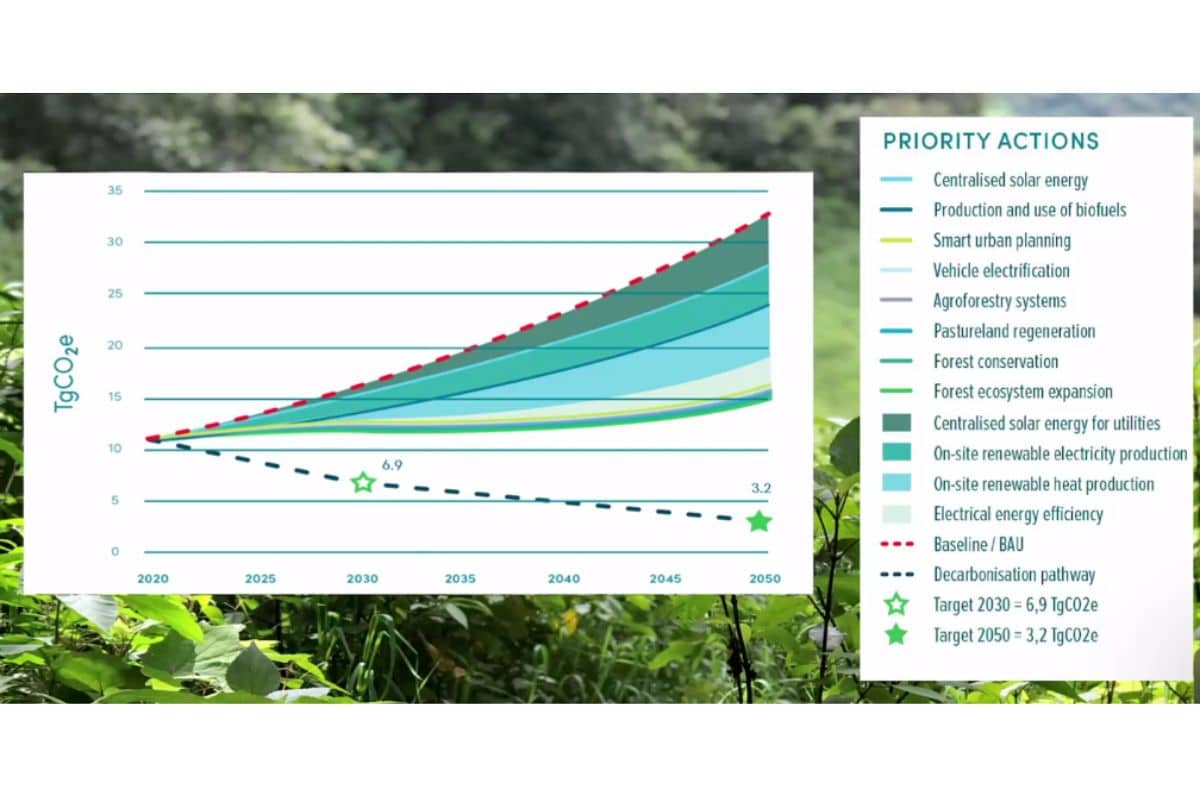
Alongside various partnerships, the state government has developed decarbonisation pathways to reduce emissions (currently 12 million GHG annual emissions) and to prevent their further growth, aiming for a reduction to 3.2 million GHG emissions by 2050. Under business as usual, emissions are estimated to triple by 2050. The graph shows the actions needed to stay within the Paris Climate Agreement, including forest conservation and forest ecosystem expansion.
The state’s forest targets are aiming to establish 10,000 hectares of new forest in the state by 2030, and increasing to 30,000 hectares by 2050.
We had aimed to prevent the deforestation of 26,000 hectares by 2050, which we have already completed by protecting over 50,000 hectares from deforestation
Ricardo Torres Hernández, Deputy Secretary of Sustainable Development, State of Querétaro
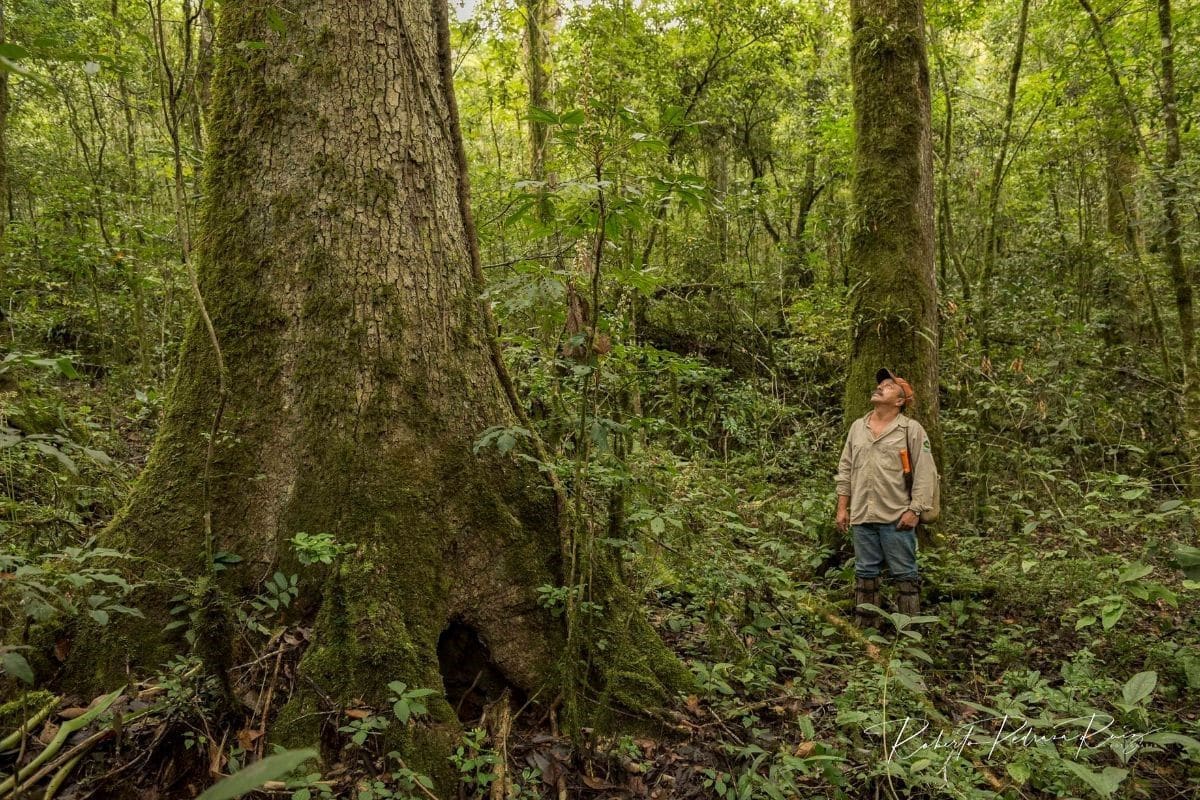
Co-benefits
The co-benefits expand beyond the carbon emission reductions, amongst them are:
- Local economy and employment boost
- Community building
- Cultural, social and recreational services
- Protection of local water sources
- Increased biodiversity through protected areas
“We are very proud. We are here because we love Nature. Our main strategy – through the carbon tax and subnational protocol – is to protect our natural capacity and patrimony, and generate pride amongst our local owners.”
What this means for rewilding
Alister Scott stated that the paradox of rewilding is that contrary to expectations, the focus is often more about people than nature (which is usually standing ready to return in all its wonder). All rewilding organisations understand that to heal our natural systems, local people hold the key.
Key takeaways for other rewilders
- Design funding mechanisms around local landowners, with a high, guaranteed share of income reaching them.
- Link with government: a state carbon tax created steady demand for compensation.
- Keep monitoring short and renewablecontracts, so smallholders can take part.
- Let nature lead: natural regeneration can restore more diversity than planting.
- Publish how funds are shared, so money reaches on-ground work rather than intermediaries.
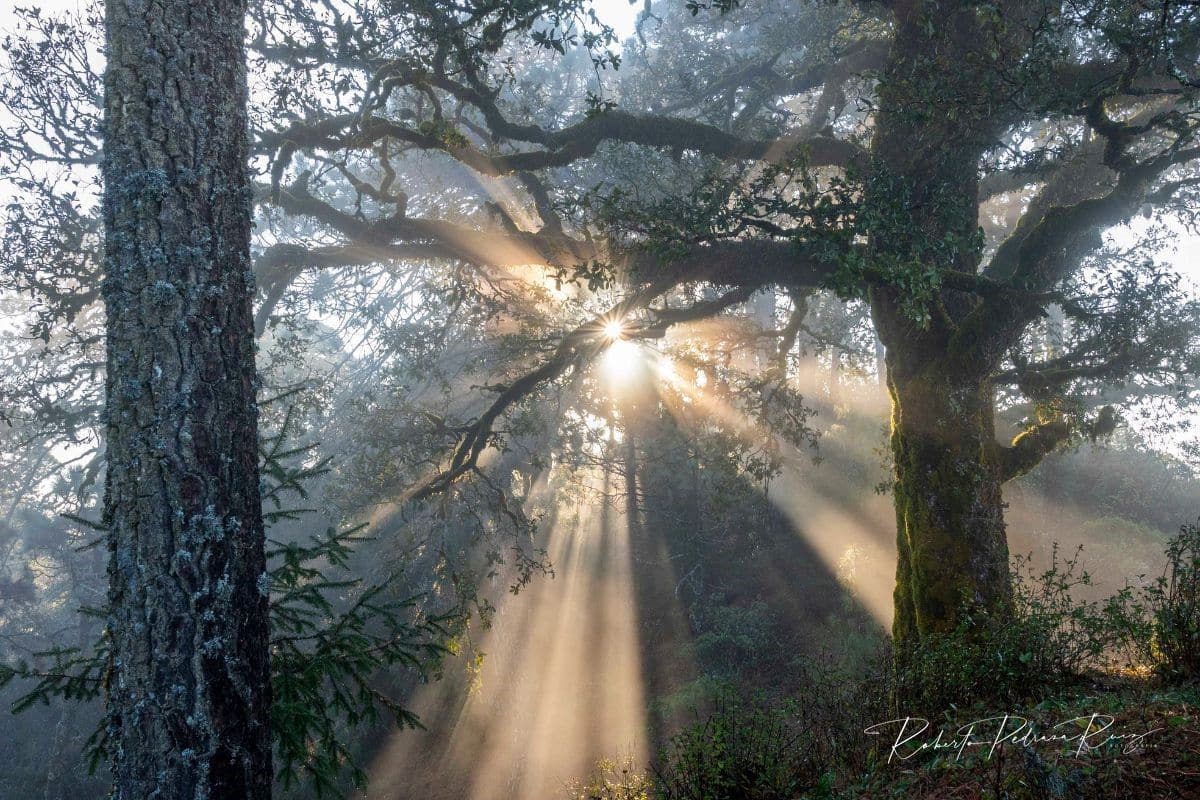
Wildlife photography by Roberto Pedraza
A seed to be spread: the replication of the local protocols
GESG is now working with the Secretariat of Sustainable Development in Querétaro, the National Commission of Natural Protected Areas and the National Ministry of Environment to promote the replication of Sello Querétaro (the carbon tax and compensation system) and Carbono Biodiverso across regions of Mexico and beyond.
The robust digital infrastructure allows for expansion within and potentially beyond Mexico. If you have an initiative looking for a methodology to capture your positive impact, in order to align with the carbon market in your local area, GESG and partners are open to sharing their knowledge.
Alexander Watson, CEO, OpenForests
As Alister Scott said: “If we could all bottle Pati’s and the team’s courage and determination, the world would certainly be a better place.” If you are interested in replicating the system, the team at GESG encourages you to get in touch.
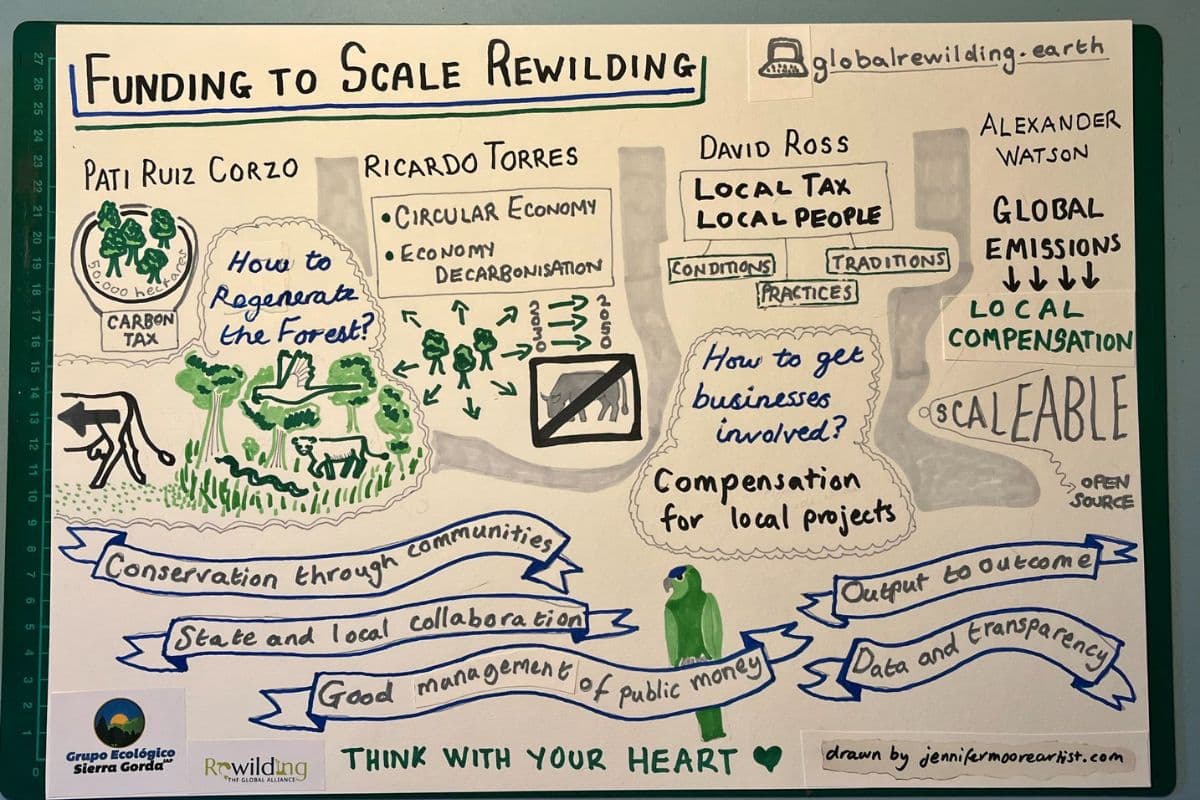
An illustration by www.jennifermooreartist.com
With all my heart, I call to action, I call to passion, I call to emergency. From Sierra Gorda, a big wave of love for all the Nature people who are here..
Martha “Pati” Ruiz Corzo, Founder and Director, Grupo Ecológico Sierra Gorda
About the Global Rewilding Alliance
The Global Rewilding Alliance brings together over 300 organisations across every continent to catalyse a worldwide movement for nature’s recovery. We accelerate learning, convene evidence, and share the successes and benefits of rewilding —inspiring more organisations to rewild and unlocking new resources for rewilding. Learn more about our work.