Credit: Anambas Foundation
The Anambas Foundation, operating across Indonesia’s Anambas Islands, implements an integrated “Ridge to Reef” rewilding model that unites land, sea, and local communities. Operating within a 1.2-million-hectare Marine Recreational Park, their holistic approach spans three pillars: Above, restoring terrestrial forests through agroforestry; Below, rehabilitating coral reefs and monitoring marine health; and Beyond, empowering island communities with sustainable livelihoods and locally-led waste management systems. By treating forests, reefs, and residents as a single interdependent ecosystem, the Foundation combats climate pressures, marine debris, and the legacy of destructive fishing to foster long-term environmental and community resilience.
Wildlife and nature’s processes rarely respect the line we draw between land and sea. That is also the case here in Indonesia’s hidden archipelago, where the forest meets the reef.
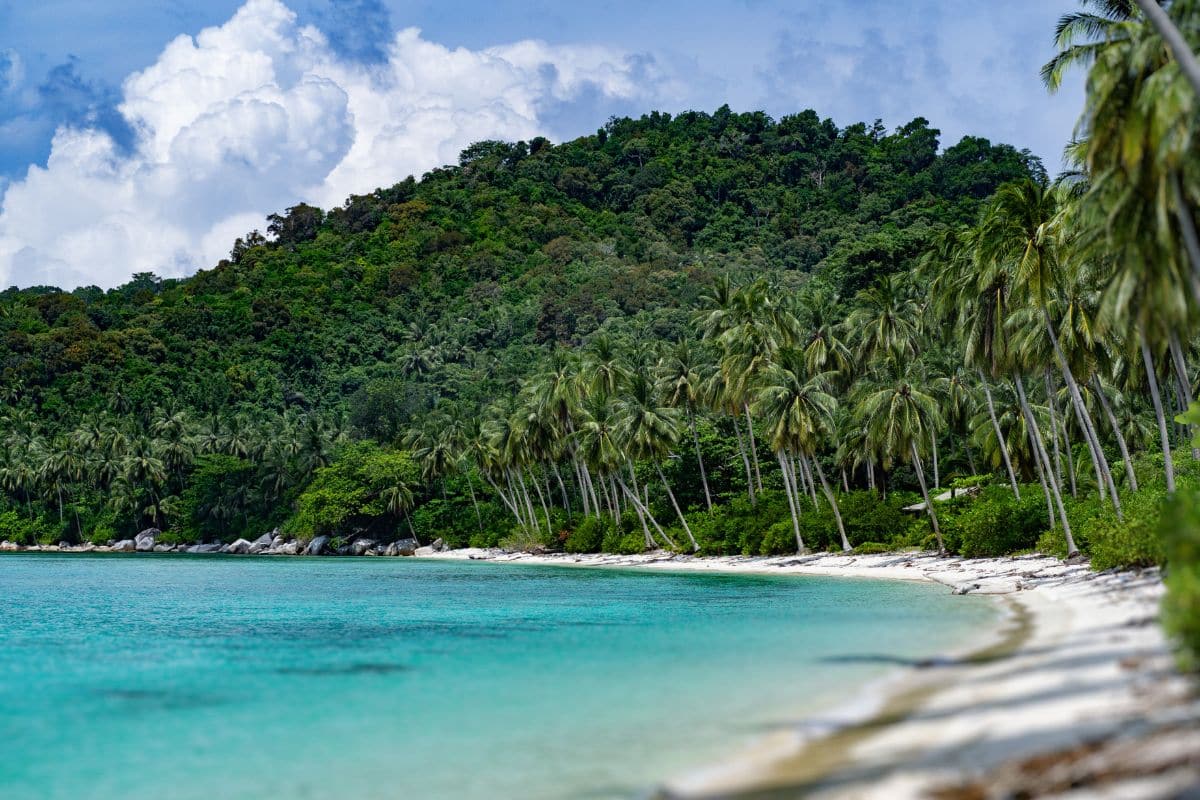
A reef thrives or collapses based on what runs off the hillside above it. A forest’s roots hold the soil that keeps a lagoon clear enough for coral to thrive. That connection is visible in the Anambas Islands, a scattered archipelago in the heart of Indonesia’s Coral Triangle, where our Alliance Partner Anambas Foundation works both above the waterline and below it, treating the islands’ forests, reefs, and people as one continuous system rather than separate elements to involve.
Anambas sits in one of the most biodiverse marine regions on Earth, its waters home to extraordinary coral reef ecosystems even as they face mounting pressure from climate change, marine debris, and the legacy of destructive fishing. More than 1.2 million hectares of the Anambas Islands region are designated as a Marine Recreational Park, protected and managed through a zoning system. Yet where the protection on paper starts a process, turning that designation into a living, recovering reef takes years of monitoring, restoration, and the trust of the communities who depend on these waters for their livelihoods.
The Foundation’s roots came from establishing a waste management system on the remote archipelago, and have grown into an integrated rewilding model that weaves together what happens above sea surface and below. Anambas Foundation has a three-part approach: Above, restoring the islands’ forest ecosystems by identifying and replanting native flora; Below, rehabilitating coral reefs and protecting marine biodiversity; and Beyond, working directly with island communities to build sustainable livelihoods.
Credit: Anambas Foundation
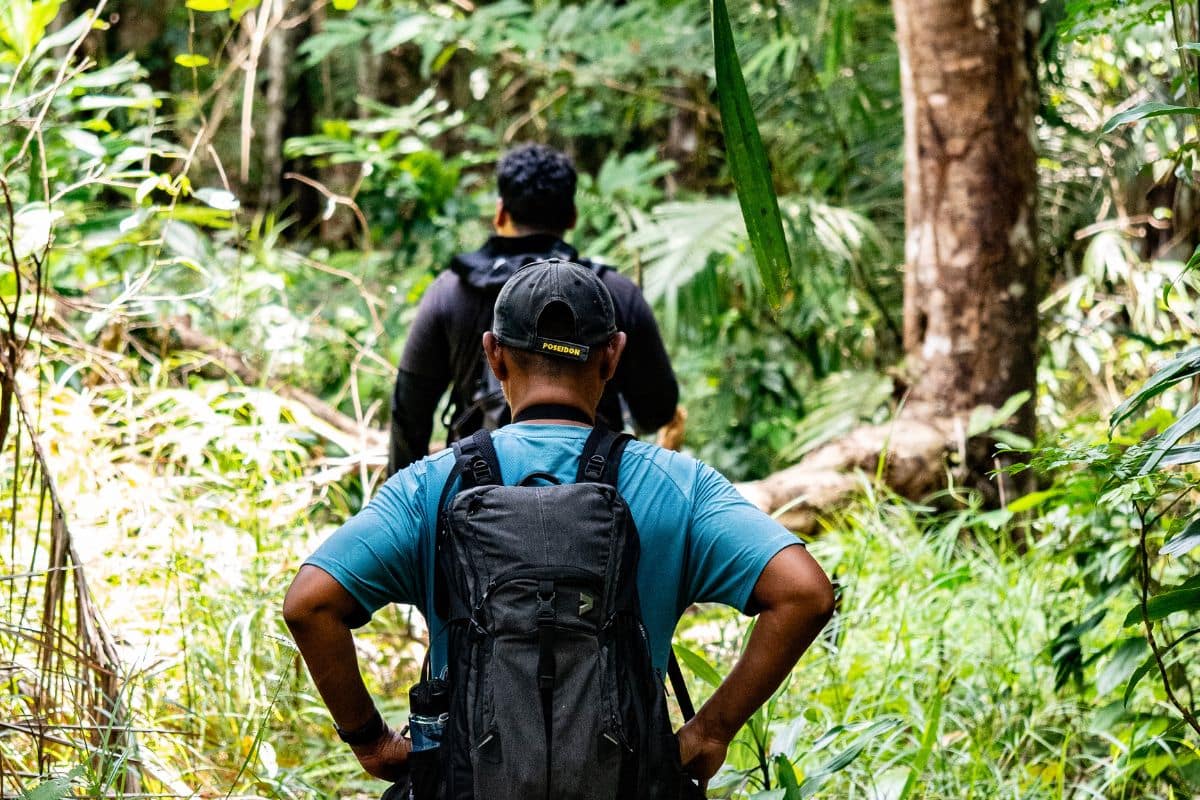
Above: people, forests, and coasts
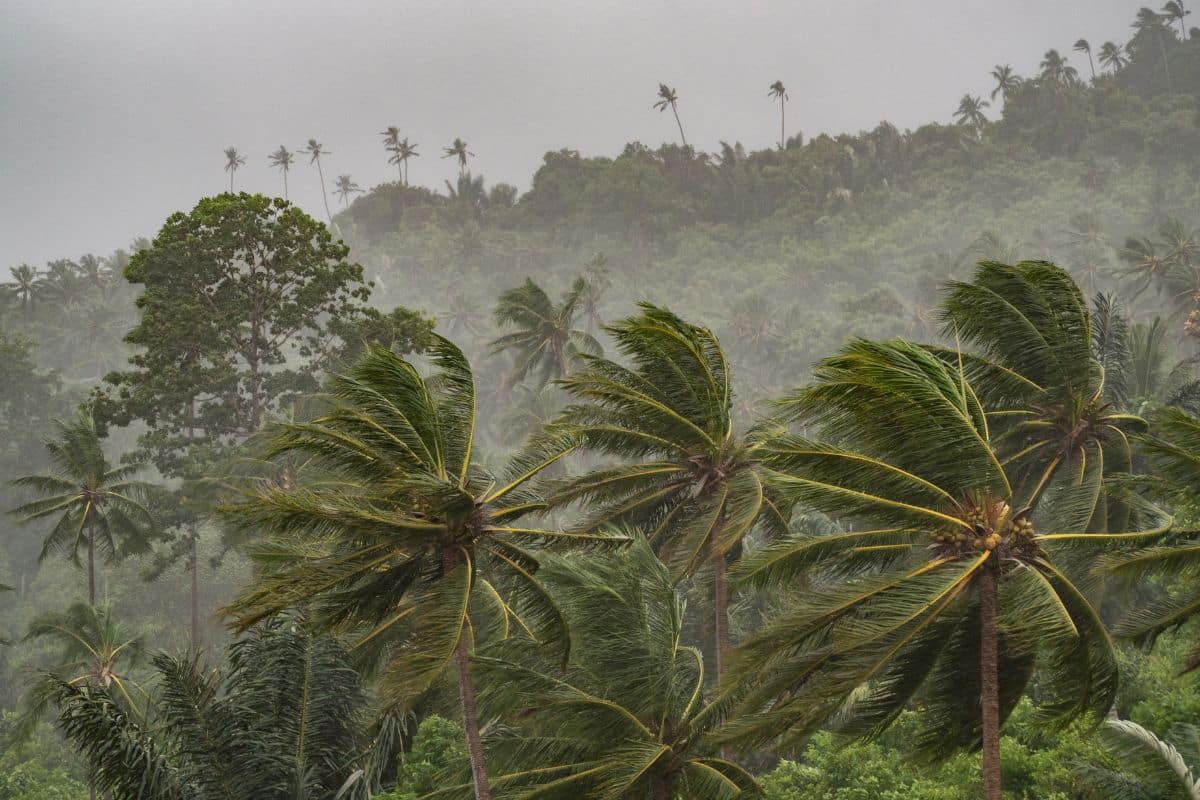
The Above chapter connects terrestrial, coastal, and marine ecosystems at the landscape level through agroforestry and their ‘Ridge to Reef’ vision. They drive a holistic approach that connects ecosystem services to economic empowerment; where community governance — from gardening for food production and owning production processes to microfinance — drives the rewilding efforts, while education enables future generations to build a future based on harmony with nature and new opportunities.
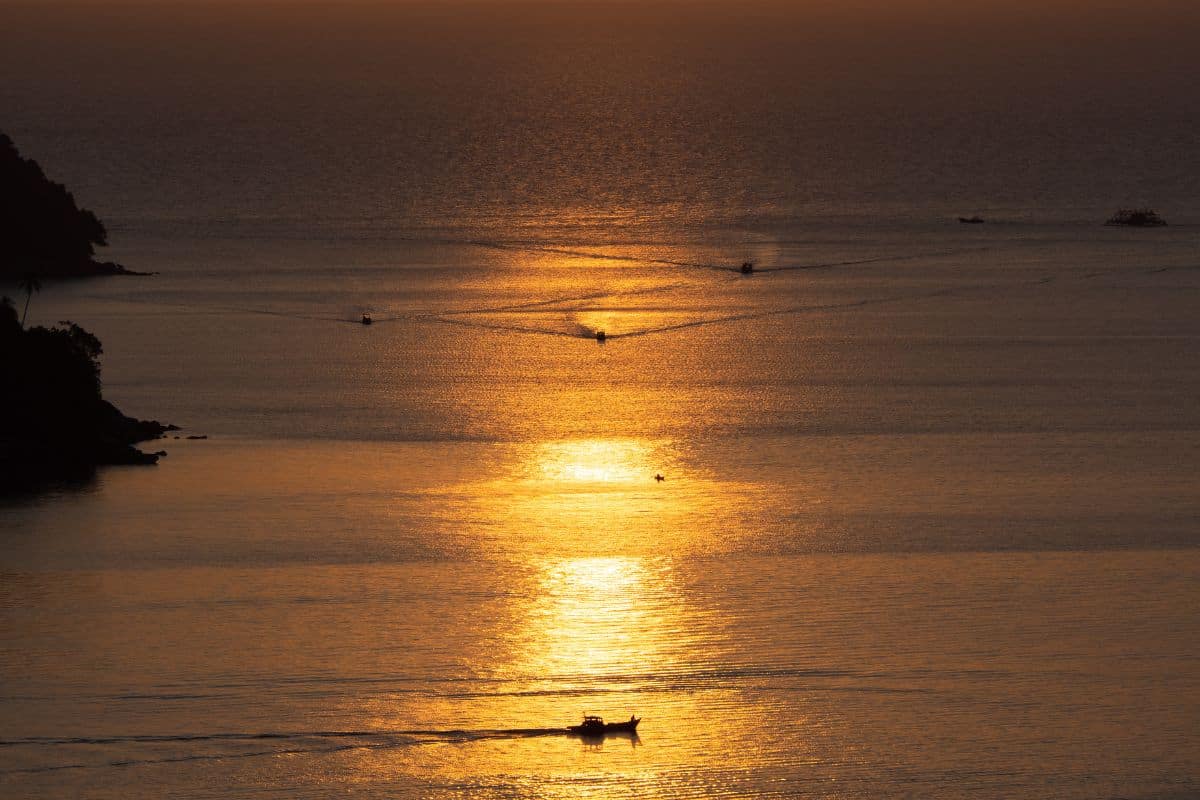
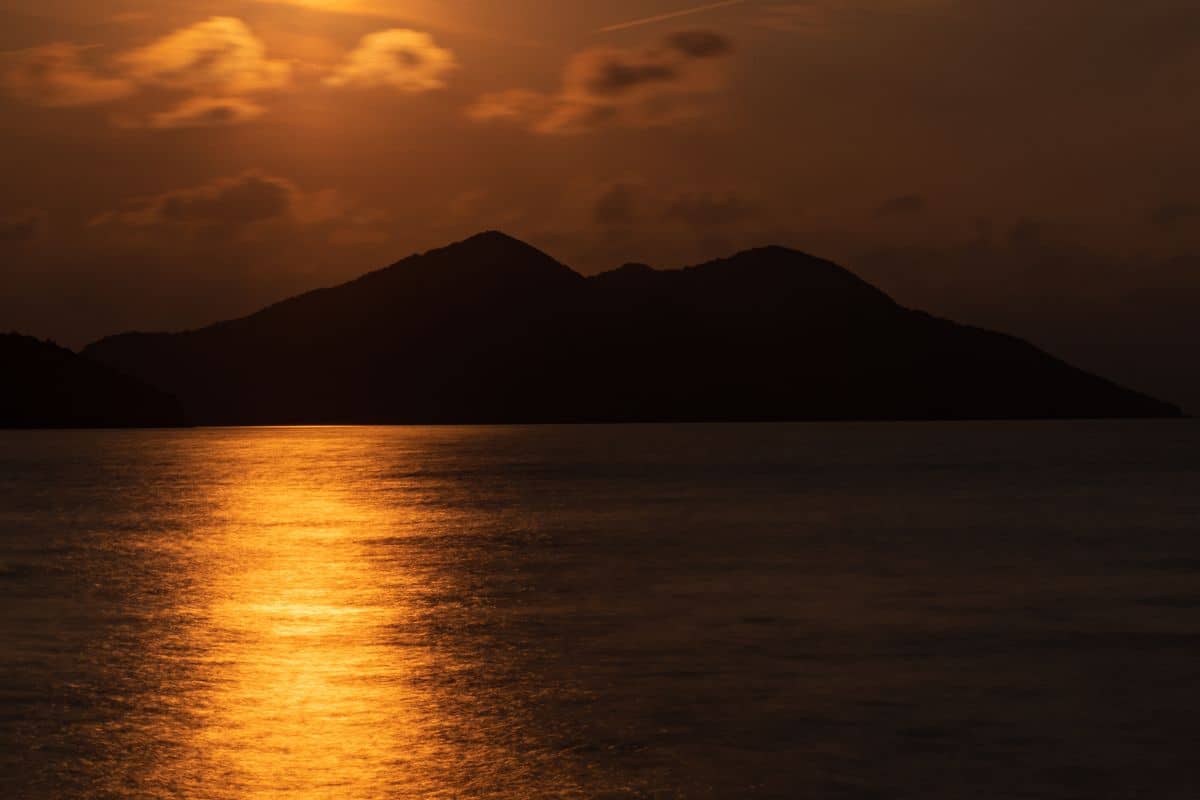
Rising from the Natuna Sea in isolation, Bawah Island climbs to 150 metres through a landscape that shifts from white sand beaches and mangrove fringes to a dense, dramatic jungle canopy at its peaks. Fruit bats roost in the mangroves and drift across to the island at night, while the forest canopy hums with life. The Anambas Foundation is now turning its attention upward, with community-driven efforts that will restore the island’s native tree cover and protect the vital link between land and sea.
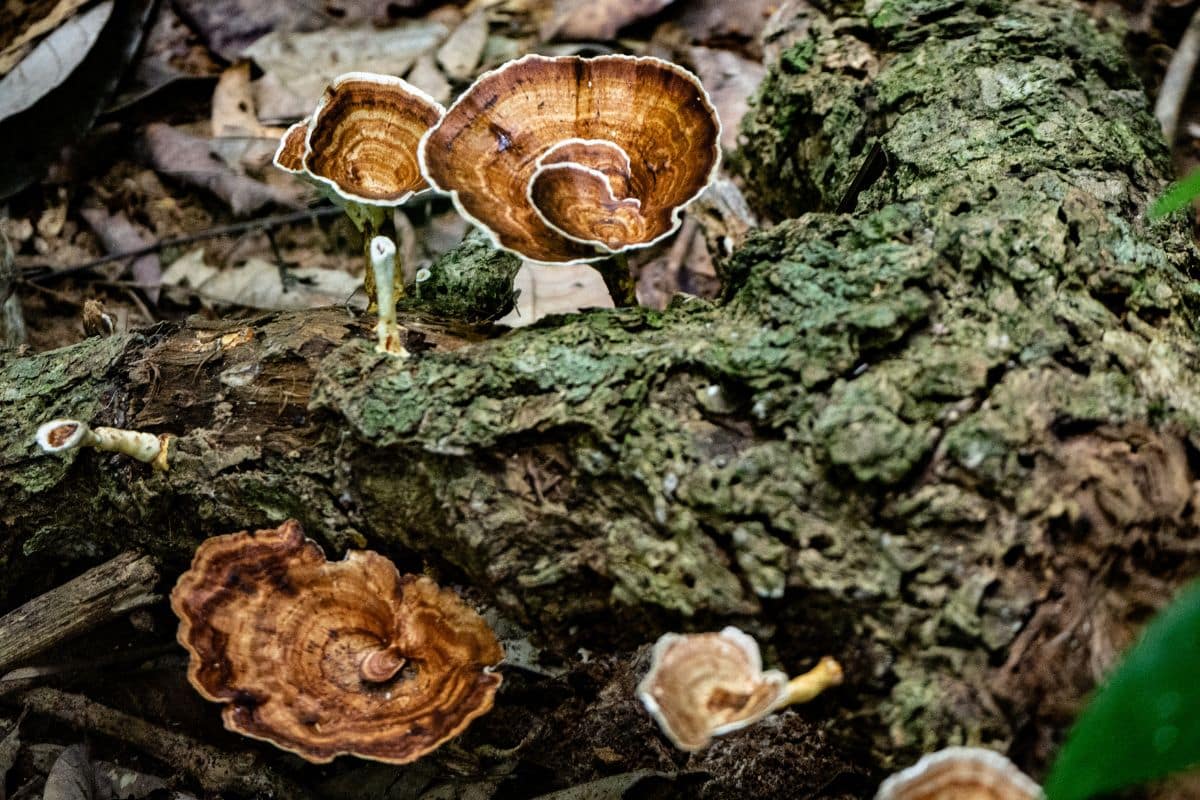
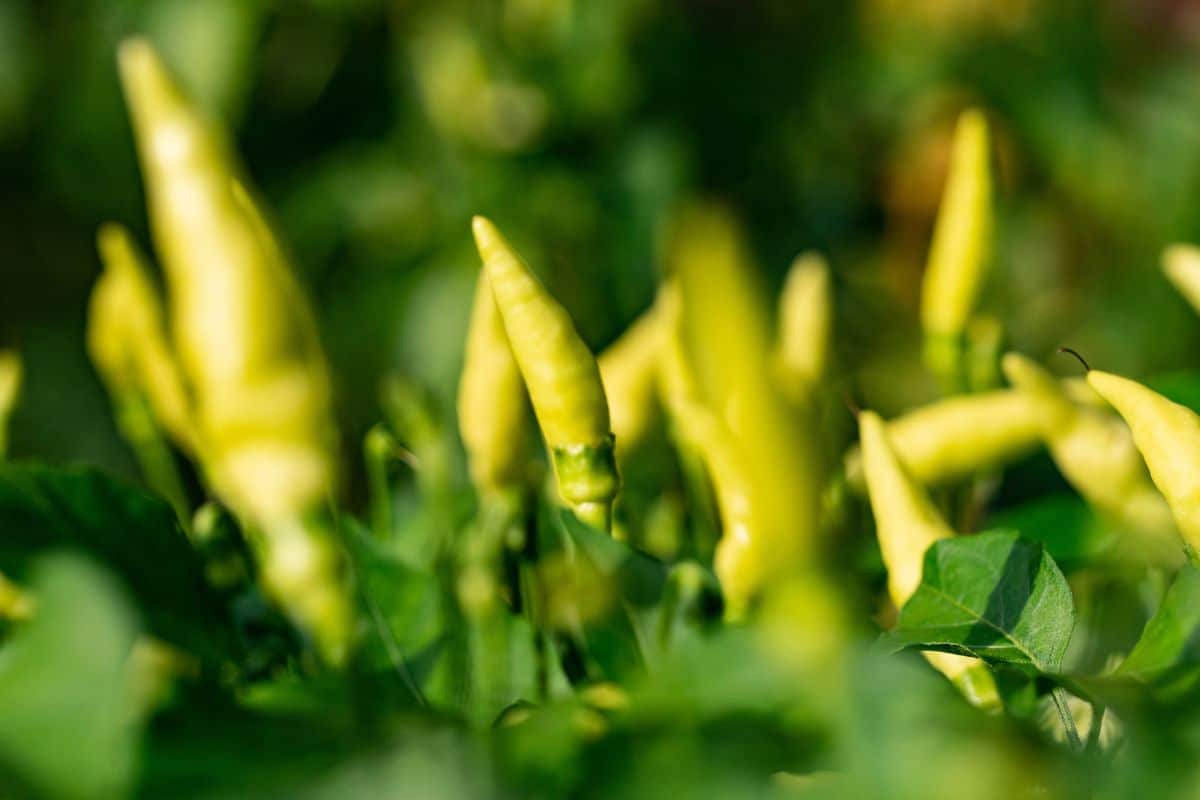
For example, Anambas’ agroforestry programme enables communities to plant local species that will encourage forest cover and harvestable plants to grow together organically. Native forest tree species are encouraged to sit alongside fruit trees and economically valuable crops within community-managed lands and social forestry areas. It is a powerful vision of economic empowerment and ecosystem connectivity, while reducing human pressures on existing forests.
Their Ridge to Reef program recognises that terrestrial, coastal, and marine ecosystems are a single, interdependent ecological system and works to connect them. The approach calls on many stakeholders – local communities, forest farmer groups, local government authorities – with the protection and the long-term wellbeing of island communities underpinning the efforts. At a global scale, we are only just beginning to understand the significance of the land-ocean links, with recent research by Island Conservation linking the recovery of Seabird populations with reef health.
Credit: Anambas Foundation
Below: mangrove, reef, and guardians of the oceans
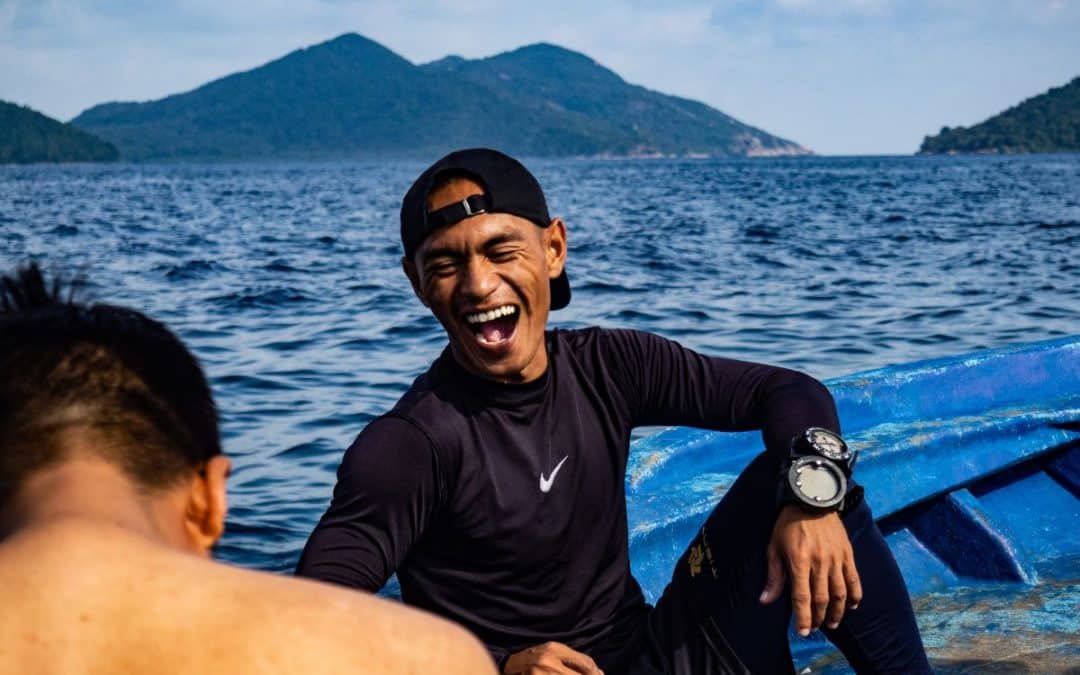
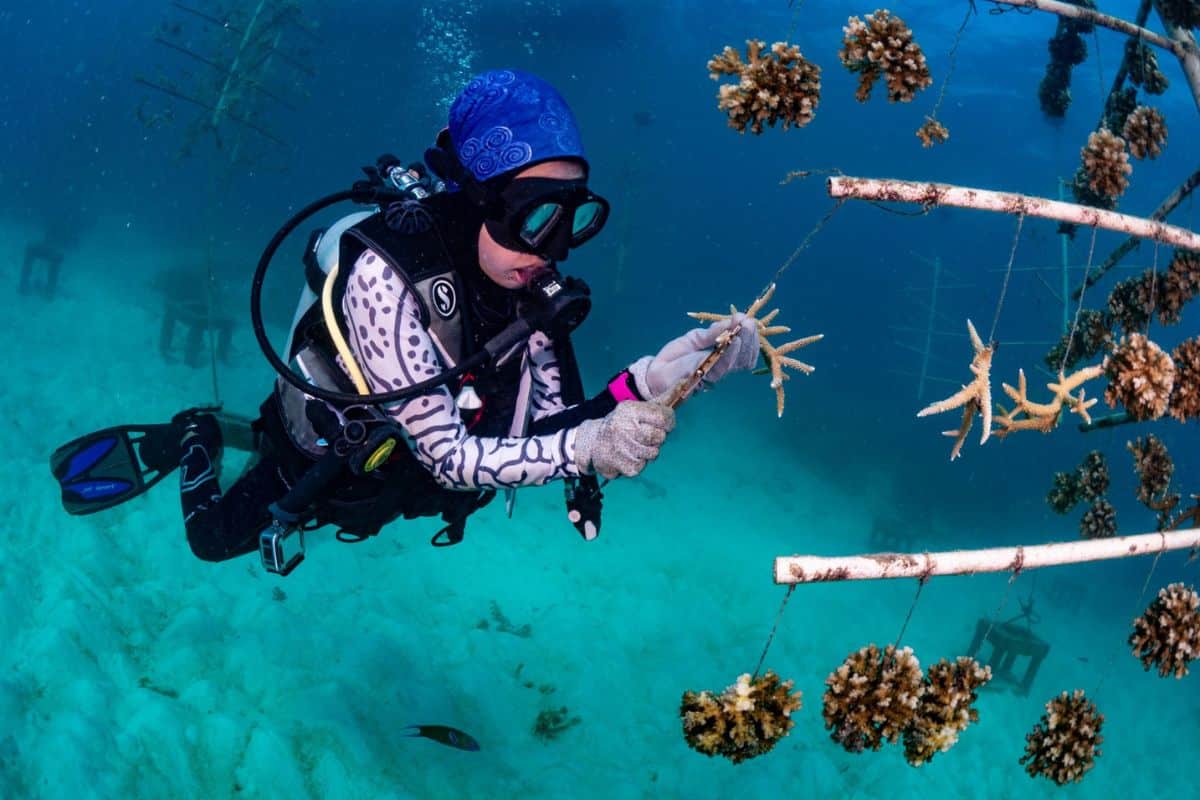
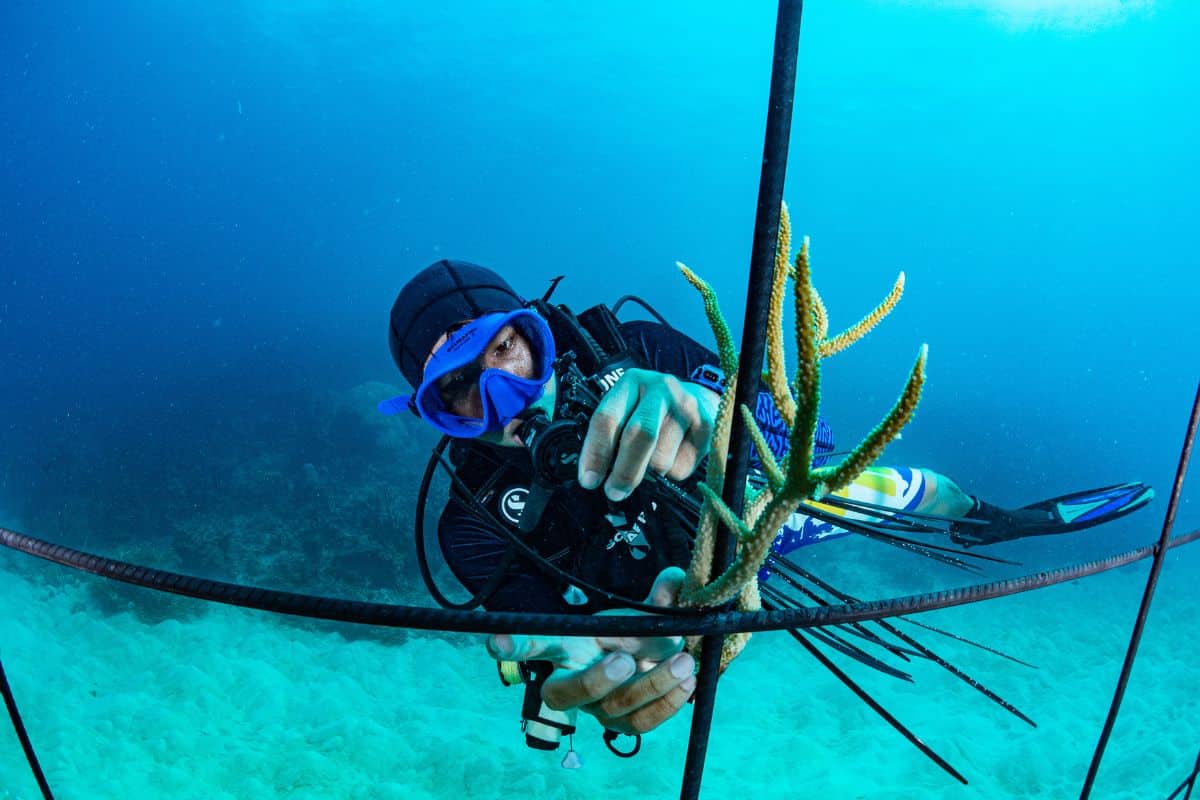
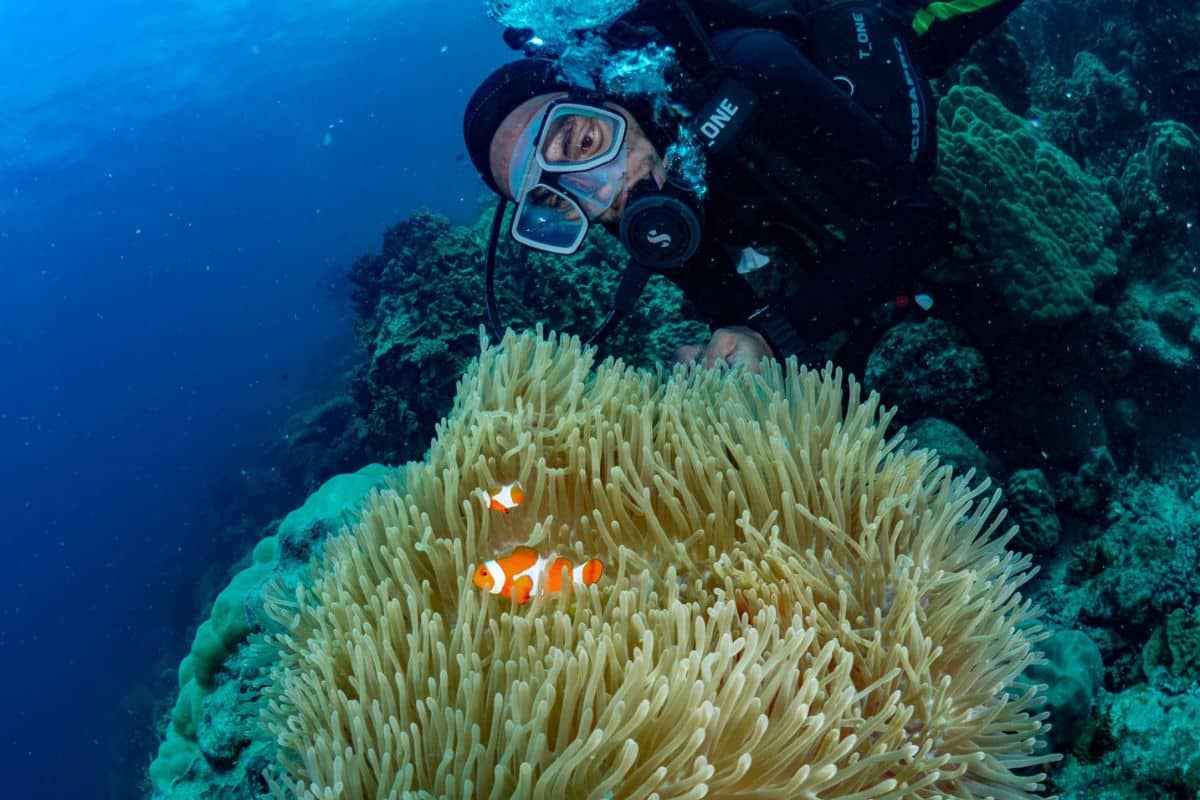
The Below chapter focuses on coastal and marine rewilding: expanding mangrove coverage for carbon sequestration and climate resilience, training fisherfolk to dive and replant coral reefs in exchange for economic incentives, protecting turtle breeding sites, and empowering women in conservation work.
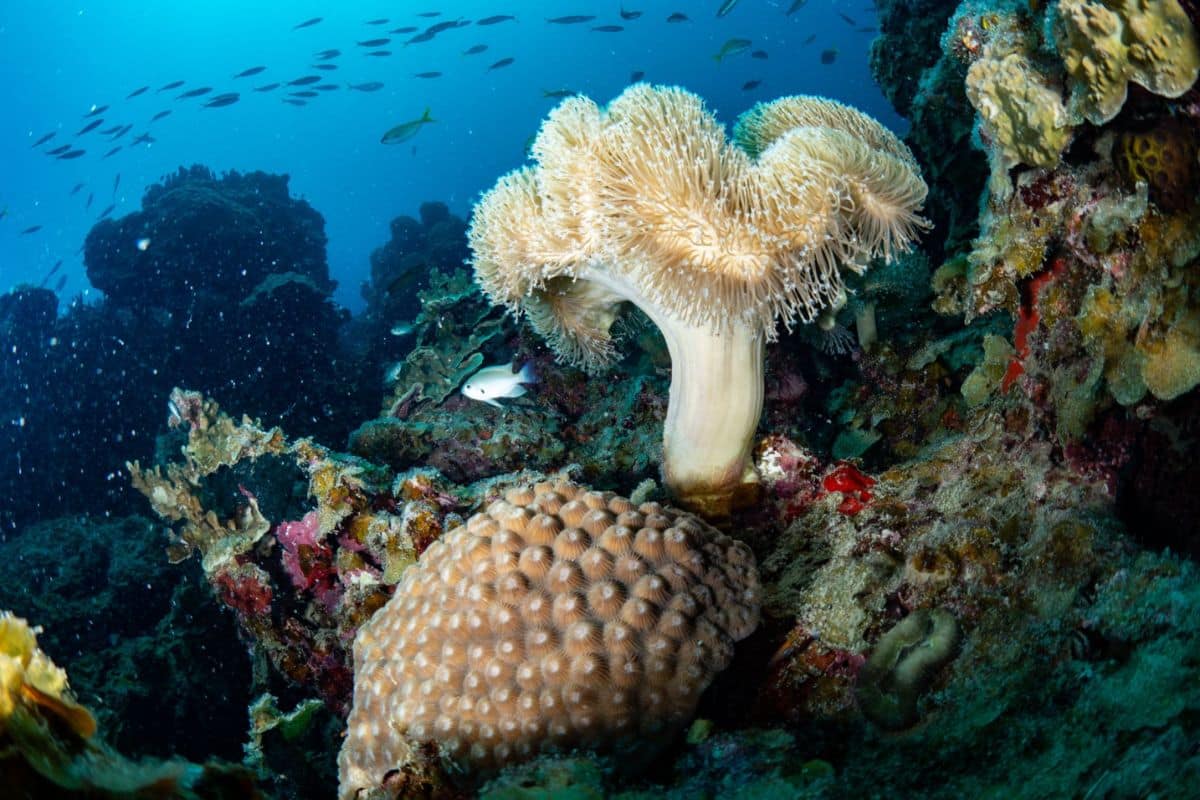
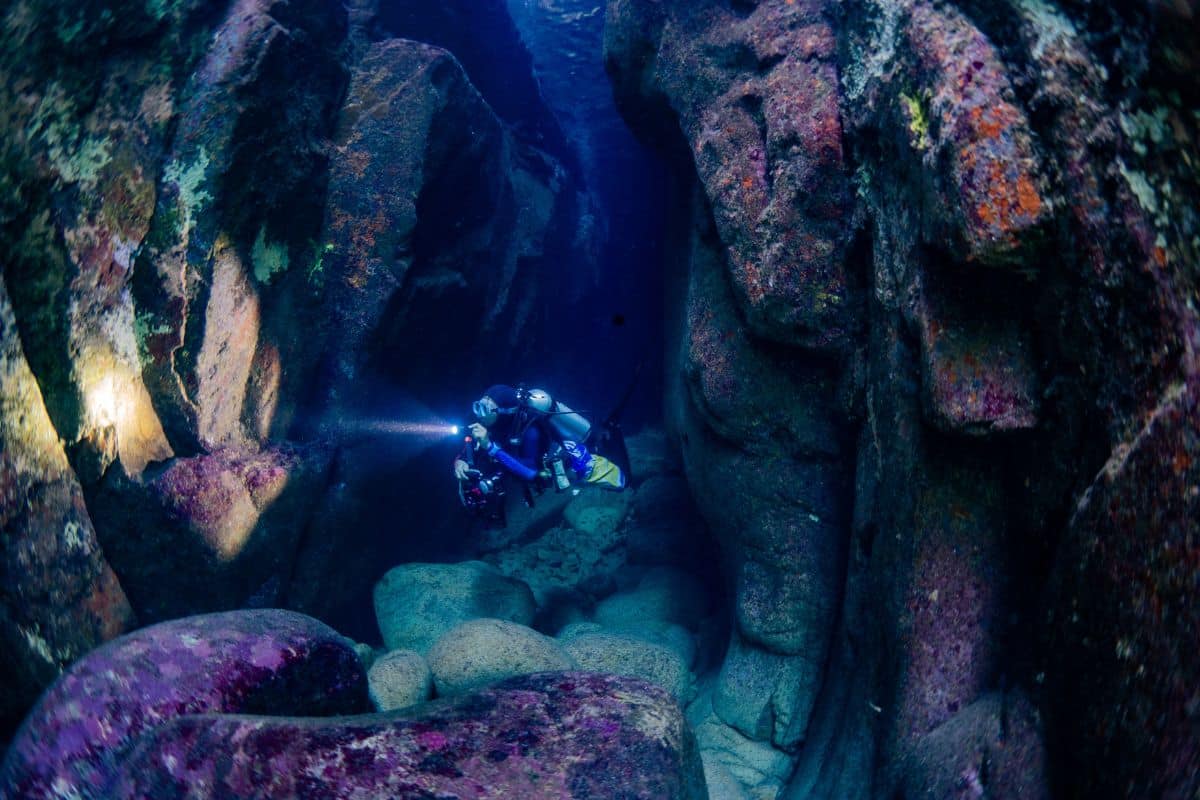
Beneath the surface, the Anambas Islands harbour one of Southeast Asia’s most spectacular coral ecosystems. Over 1.2 million hectares of the surrounding waters, the Marine Recreational Park Anambas Island protects a reef system of extraordinary biodiversity.
Their marine work includes:
- Reef Rehabilitation
- Coral Adoption
- Blue Carbon
- Turtle Recovery
- Nature and Marine Class
- Guardians of the Anambas Seas
While the reefs are still recovering from destructive fishing practices of the past, and face ongoing pressure from climate change and marine debris, the Anambas Foundation runs an annual Reef Health Monitoring programme to track coral cover, fish populations, biodiversity, biomass, and resilience across four key sites.
For the first time, fisherfolk are invited to dive in and actually experience the underwater world they depend on. With training, they are learning firsthand how easily destructive fishing techniques can damage marine life — and how long coral reefs take to recover. That direct experience is now translating into a direct role in safeguarding fish stocks.
Credit: Anambas Foundation
Beyond: local development, empowerment and stewardship
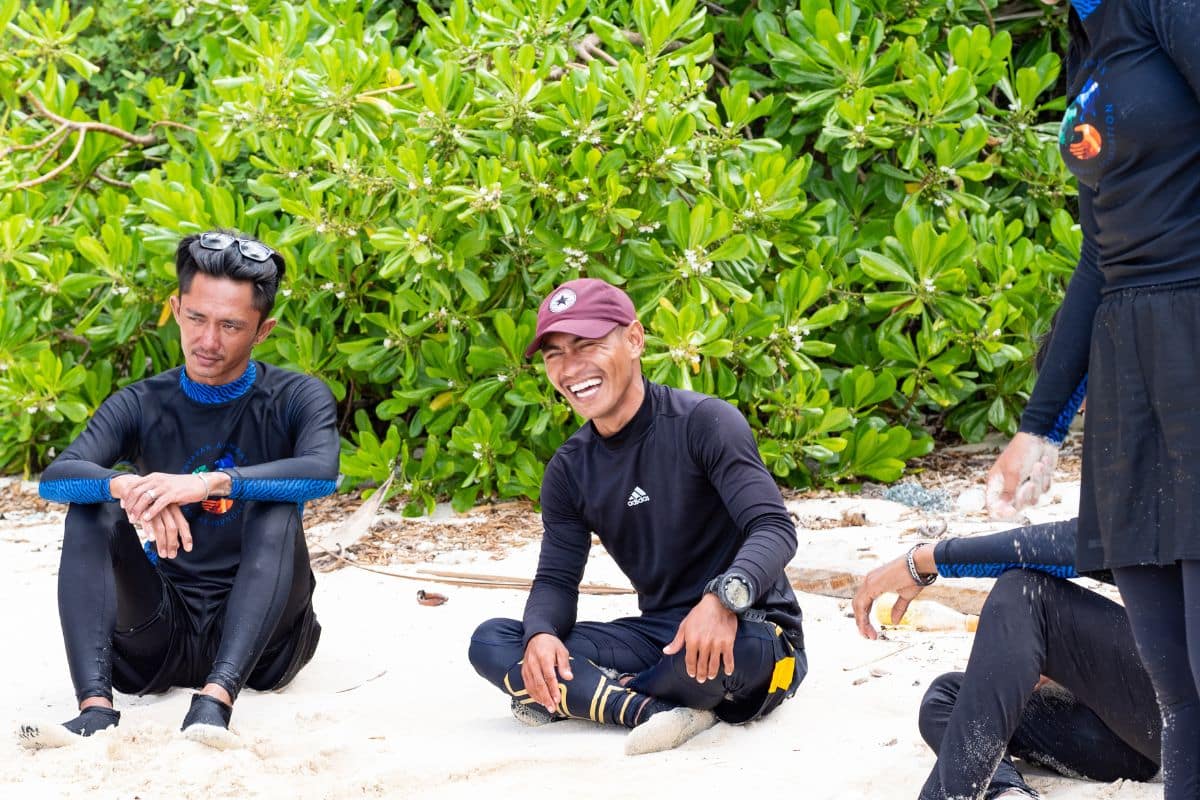
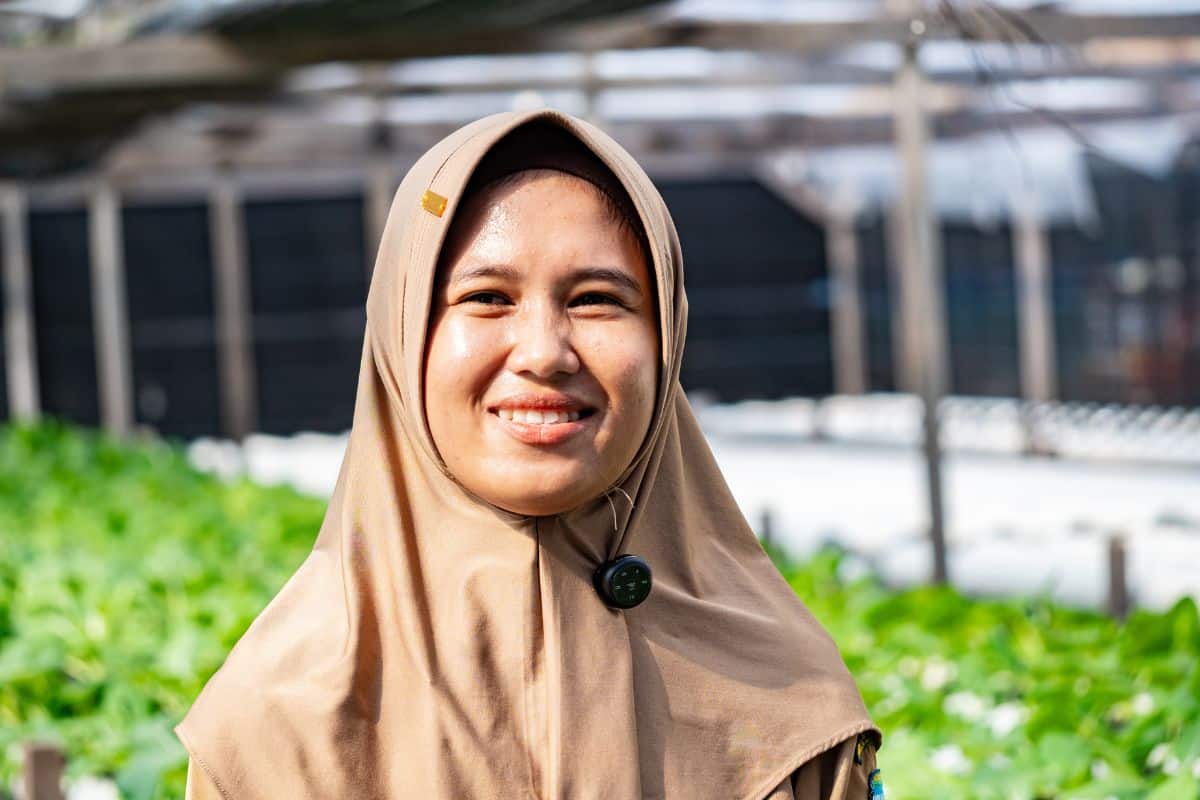
The Beyond chapter focuses on local ownership, encouraging communities to become independent stewards of the archipelago, and all the while sustaining more satisfactory livelihoods out of their rewilded land. This chapter includes a cunning waste management system, English education for future generations, and women empowerment to make sure that the voices of women, that hold the communal space while men are at sea, are heard and have weight in the communal decision making.
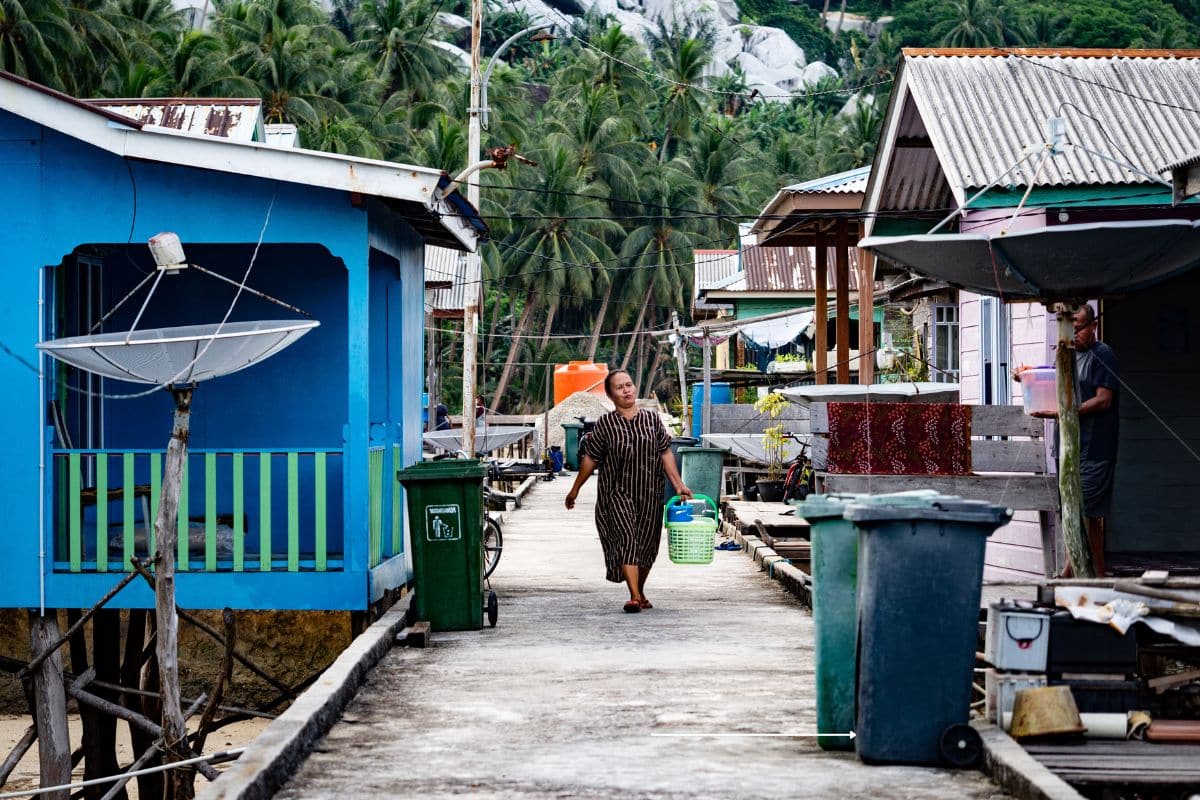
Repeatedly, our team hears that the top factor of success in rewilding efforts is community involvement. When local people – within rewilding teams and beyond – are engaged and empowered to support their local nature, results are deep rooted and long-term. In this unique context, throughout the 255 islands in the Anambas cluster, only 26 are inhabited, home to around 45,500 people whose lives have long been shaped by the sea.
Without a proper waste management system, residents have often had little choice but to dispose of waste into the ocean, compounding the pressures on the very reefs their livelihoods depend on. The Anambas Foundation’s Beyond programme addresses this directly, building community education initiatives and offering alternative sources of income to reduce dependence on marine resources, ensuring that the future of the islands belongs equally to the people who call them home and the wildlife that surrounds them.
In particular, the waste management programme is fully locally owned and develops across education, a mobile and shared wastebank, and upcycling economic activities. Developing the model was a truly collaborative process, with villagers coming up with the idea of managing through trucks moving across the islands instead of building permanent waste collection sites, an ill-suited infrastructure for smaller communities.
The ambition of the Anambas Foundation goes beyond its geographic scope. The team wishes to share and scale its peculiar waste management model and to create the first rewilding forum and knowledge-sharing platform in Western Indonesia. As a Partner of our Alliance, we are excited to make this happen together.
If you want to know more about the Anambas Foundation, visit their website and follow their Instagram and Facebook pages.
Credit: Anambas Foundation