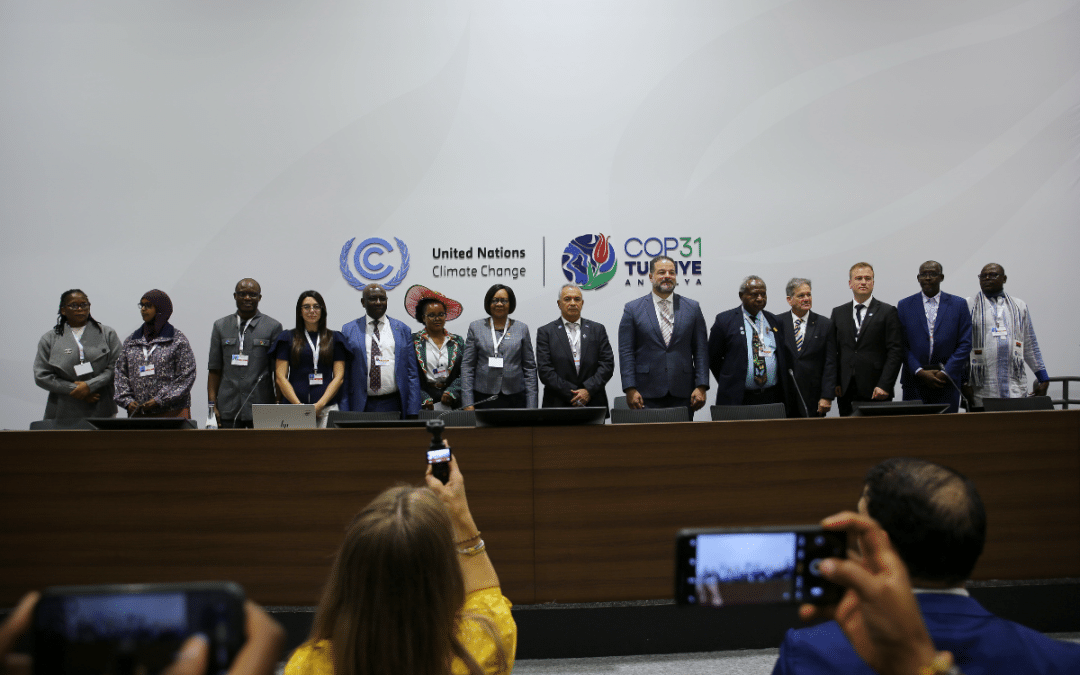
Group picture, Wildlife for Climate Declaration, COP31.
Twenty-six countries have launched the Wildlife for Climate Declaration at the Climate COP31 in Antalya, Türkiye, committing to protect, conserve and restore wild animal populations and their habitats “as a cornerstone of science-based climate action”. The declaration is a step towards recognising the link between biodiversity and climate; wild animals are the drivers of ecosystem integrity, and therefore central to our planet’s carbon cycles. Supporting science is rooted in a Nature Climate Change paper led by Yale University & Global Rewilding Alliance; published in 2023 the study shows that protecting and restoring just nine wildlife groups could help capture an additional 6.4 gigatonnes of CO₂ a year. Since then, evidence has continued to build on the contributions of wild animals to carbon drawdown and storage, from Tigers in Asia to Dugongs in Bahrain.
Simply put, the presence of wild animals – eating, trampling, migrating, pooing, and predating – keeps the manifold processes and cycles within ecosystems healthy. The carbon cycle is partly driven by the interactions and behaviour of wild animals; a key link between biodiversity and climate that is often overlooked in the global policy community. Recognising the role of wild animals could elevate wildlife recovery and rewilding efforts as climate action, supporting further initiative to support life rebounding across our planet’s ecosystems.
At the recent climate conference, 26 endorsing governments came together to encourage Parties to the United Nations Framework Convention on Climate Change (UNFCCC) to recognise the role of wild animals in maintaining natural carbon sinks; and specifically to build actions that allow the return and protection of wild animals into national climate and biodiversity plans.
According to the International Fund for Animal Welfare (IFAW) and the World Federation for Animals (WFA), partnering organisations that are supporting the launch, it is the first time a group of governments has jointly promoted the protection of wild animals as part of climate action at a UN climate conference. The announcement has global significance for the nature recovery movement, laying foundations for increased international recognition of the contribution of rewilding efforts to climate resilience.
What does the declaration commit to?
Endorsing countries will work together, and encourage others to:
- Advance recognition within the UNFCCC of the role of wild animals in maintaining and enhancing natural carbon sinks and promote measures to protect, conserve, and restore wildlife, alongside animal welfare considerations;
- Design wildlife protection and recovery measures to prevent and reduce human-wildlife conflict and promote coexistence, with safeguards for the rights and needs of affected communities;
- Integrate these measures into relevant national climate and biodiversity plans, including NDCs, NAPs, NBSAPs, consistent with national circumstances;
- Promote coherent action across multilateral agreements, from the Rio Conventions to CITES, CMS, Ramsar Convention and BBNJ, recognising wild animals as a vital link between climate and biodiversity action;
- Support and expand research, long-term monitoring, and knowledge-sharing on wildlife’s ecosystem and carbon benefits, and the development of robust methods to assess their contributions to climate mitigation, adaptation, and resilience;
- Mobilise finance, technical cooperation, and technology transfer to build capacity for wildlife-positive climate action, with particular attention to developing countries, least developed countries, and small island developing States;
- Ensure carbon-market and climate-finance interventions affecting wildlife have strong environmental and social safeguards that protect habitats, biodiversity, ecosystem integrity and community rights and interests, with fair and equitable benefit-sharing;
- Draw on the knowledge, innovations and practices of Indigenous Peoples and local communities, with their full and effective participation, free, prior and informed consent where applicable, and meet the needs of communities living with wildlife and those working to conserve wildlife; and
- Convene regularly to review collective progress and exchange best practices.
This Declaration is the beginning of a shared commitment to see climate action more clearly. To understand that healthy wildlife and healthy ecosystems belong together, and that both are essential to a resilient future. Zimbabwe is ready to work with all countries in a spirit of partnership, openness and common purpose.
Honourable Evelyn Ndlovu, the Minister of the Environment, Climate and Wildlife, Government of Zimbabwe
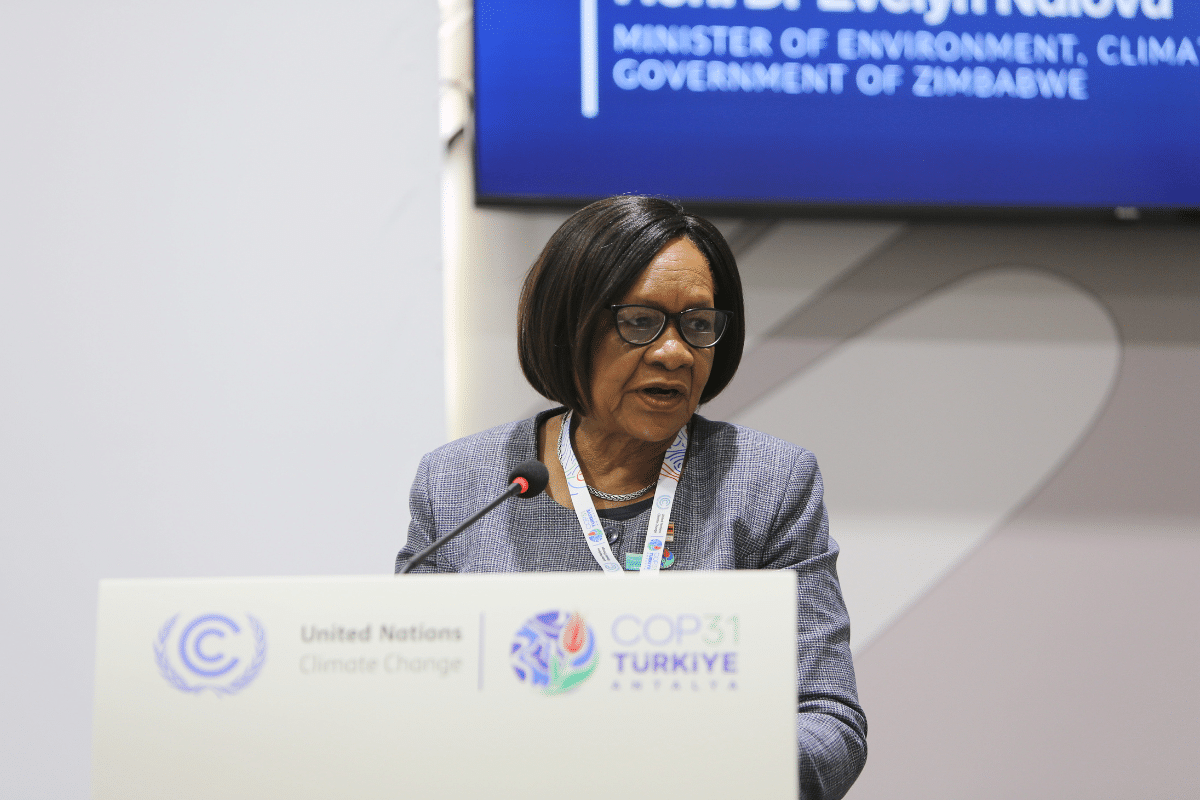
Honourable Evelyn Ndlovu, the Minister of the Environment, Climate and Wildlife, Government of Zimbabwe.
When we lose wildlife, it is not only a loss of species; it is a loss of the living processes that keep natural systems working as they should. That is why protecting and restoring wildlife is climate action. It must be recognised and prioritised as such.
Who has joined the declaration so far?
The Declaration has been endorsed across varied, biodiversity-rich regions, including the countries of Brazil, Belize, the Democratic Republic of the Congo, Fiji, Guatemala, Kenya, and championed by Zimbabwe. All the endorsing countries are listed.
We commend the African governments, scientific community and partners who have brought an essential message to the climate agenda: wildlife is not simply a victim of climate change. Wildlife is also an ally in addressing it. For Belize, this connection is deeply meaningful.
Honourable Orlando Habet, the Minister of Sustainable Development and Climate Change, Government of Belize
The cohort is just the beginning! The declaration ‘invites other States to endorse the Wildlife for Climate Declaration and to work together to protect wildlife and restore ecosystems for a stable climate and a sustainable future’. It remains open for endorsement after the launch, and more countries are expected to follow.
Why is wildlife important to climate action?
The declaration is rooted in a growing field of science called Animating the Carbon Cycle that highlights wild animals as often-overlooked climate heroes. A Nature Climate Change paper led by Yale University and the Global Rewilding Alliance – Trophic rewilding can expand natural climate solutions – found that protecting and restoring functional populations of just nine terrestrial and marine wildlife groups could help capture an additional 6.4 gigatonnes of CO2 a year (Schmitz et al., 2023); an amount that rivals each of the IPCC’s top 5 options in 2023 for reducing net emissions.
Speaking at a COP31 side event, Honourable Evelyn Ndlovu, Minister of the Environment, Climate and Wildlife, Government of Zimbabwe, said: “When we lose wildlife, it is not only a loss of species; it is a loss of the living processes that keep natural systems working as they should. That is why protecting and restoring wildlife is climate action. It must be recognised and prioritised as such.”
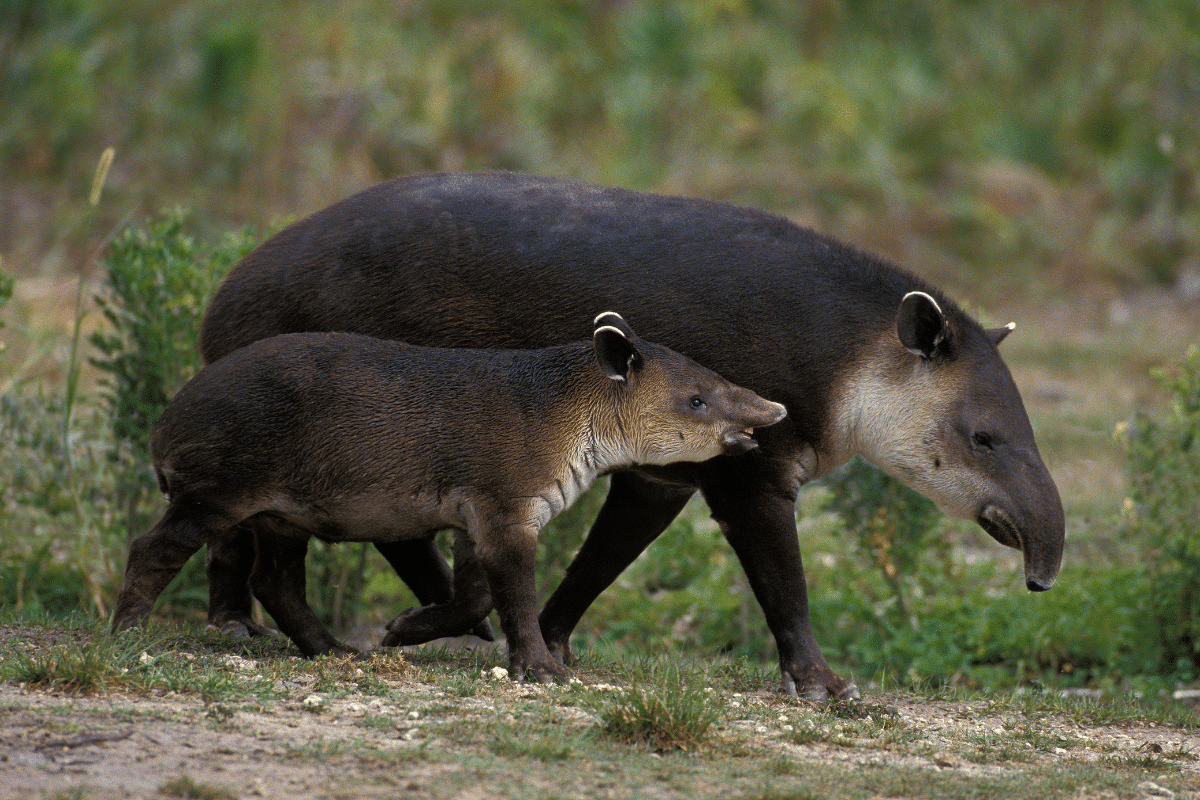
Baird’s Tapir are keystone herbivores in tropical forests that contribute to healthy ecosystems through seed dispersal, nutrient cycling, pathway creation and vegetation pruning.
Through processes such as grazing, predation, seed dispersal, nutrient cycling, and modifying soils and sediments, wild animals from whales to tigers shape the capacity of forests, grasslands, wetlands, coastal ecosystems, and oceans to absorb, retain, and lock away carbon.
Our forests are not merely collections of trees. They are living communities, sustained by relationships among plants, animals, soils and water. Consider Baird’s tapir, our remarkable forest gardener. By consuming fruit and dispersing seeds across the landscape, tapirs help regenerate tropical forests… Protecting these animals means protecting processes that renew our forests.
Honourable Orlando Habet, the Minister of Sustainable Development and Climate Change, Government of Belize
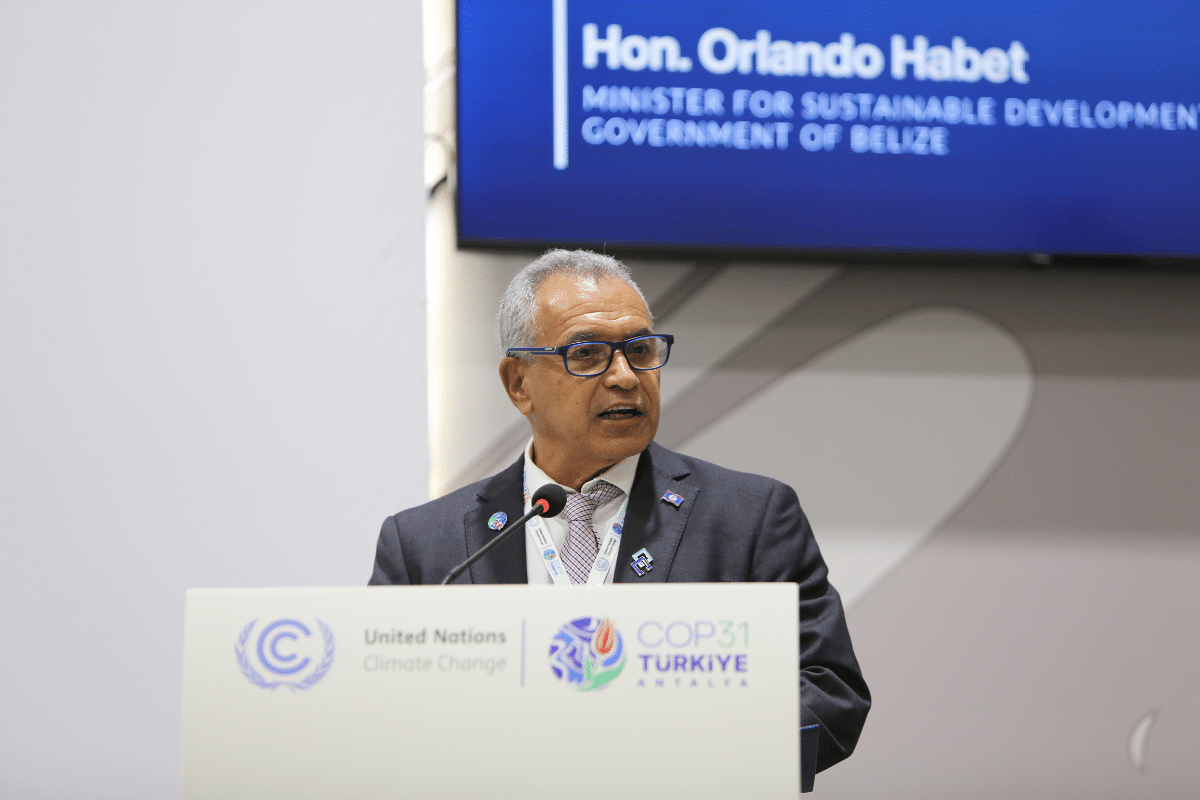
Honourable Orlando Habet, the Minister of Sustainable Development and Climate Change, Government of Belize
Additional evidence continues to grow; just this year a report found that Dugongs more than double the carbon sequestration of Bahrain’s seagrass, a finding that is supporting the government to incorporate wildlife into their ambitions for their Nationally Determined Contributions (NDCs). The study comes from a collaboration between Yale University, led by professor Oswald Schmitz, with the Global Rewilding Alliance to catalyse modelling that quantifies the role of wildlife in climate capture.
Building on emerging evidence, the Scientific Consensus on Wildlife and Climate, supported by more than 350 scientists from 47 countries, calls on governments to “explicitly account for wild animals and their functional roles in climate policies and frameworks”. These academics argue that it is scientifically incomplete, in many contexts, to assess nature-based climate mitigation and adaptation without considering the role of wild animals in ecosystem functioning.
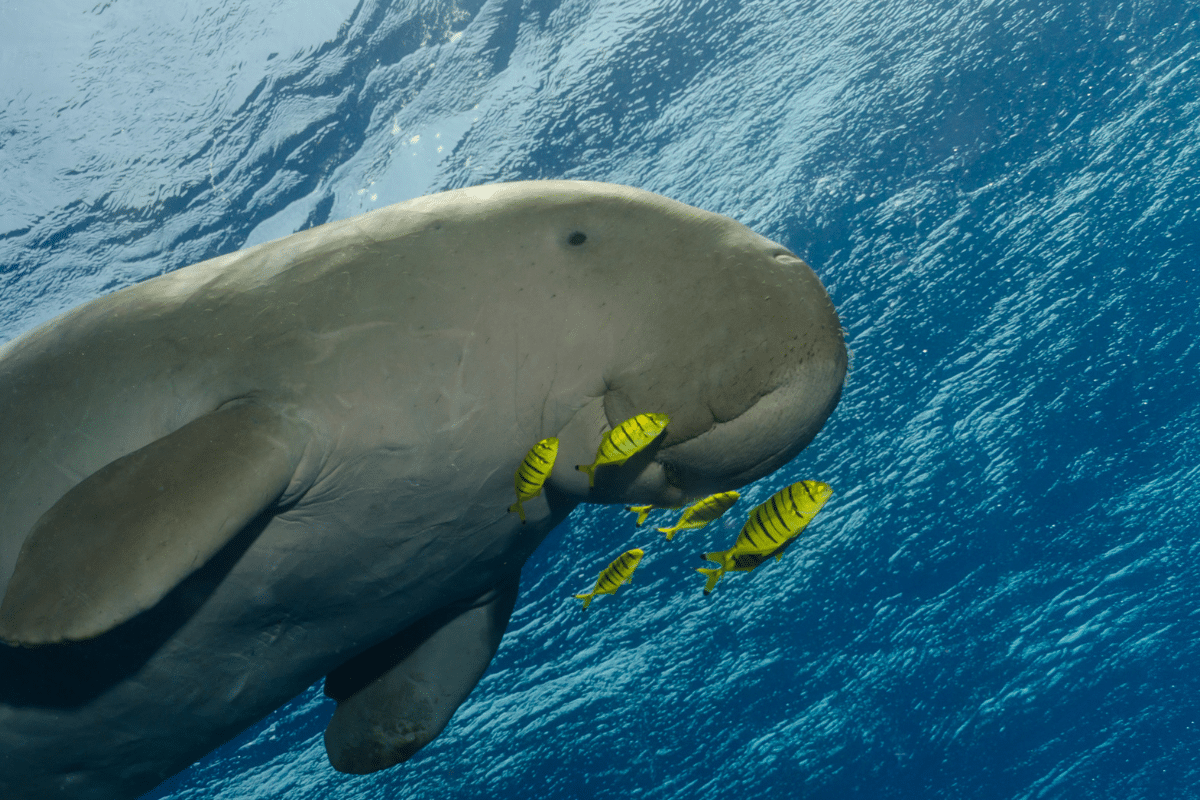
Dugongs provide key ecological processes to marine ecosystems
Beyond climate: wildlife is key to ecosystem integrity, and our resilience
The return and protection of healthy wildlife populations has relevance well beyond the climate benefits. Wild animals, like Elephants and Sea Otters, contribute to ecosystem integrity: the capacity for an ecosystem to maintain its natural composition, physical structure, and ecological processes over time, allowing it to self-regulate, adapt to stress, and sustain biodiversity.
When a storm approaches our shores, a mangrove forest can make all the difference for the families who live behind it. The same is true inland. A healthy forest helps keep water flowing to homes and farms, and a healthy reef protects the coast and supports the people who make their living from fishing.
Honourable Armando Paíno Henríquez, Minister of Environment and Natural Resources, Government of Dominican Republic
Honourable Armando Paíno Henríquez, Minister of Environment and Natural Resources, Government of Dominican Republic, applied this to his context, saying, “For a small island developing state like ours, protecting biodiversity means protecting the water we drink, the food we grow, and the jobs our people depend on.”
The role of species is a part of a whole. Nature is not a collection of isolated species, it is an integrated and dynamic system. To focus on ecosystem integrity, and ensure a holistic approach, is fundamental to both global climate and biodiversity action, and to the resilience of our Planet.
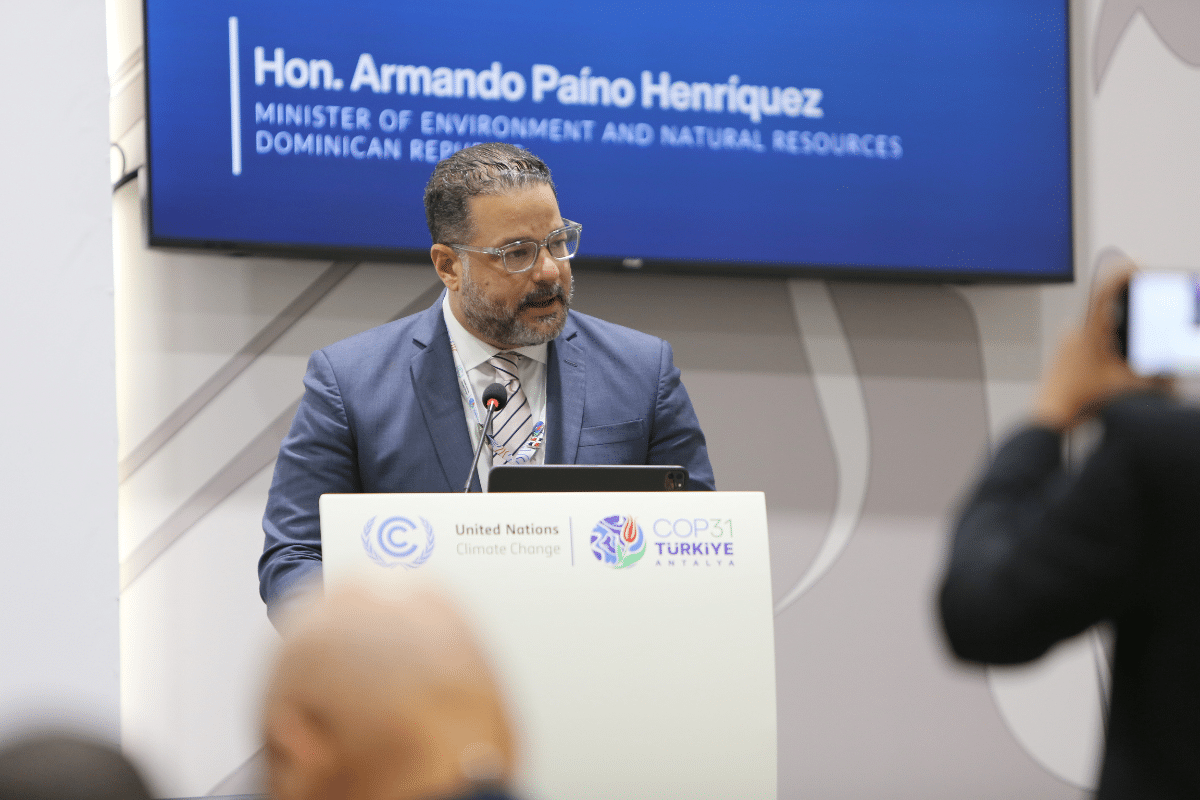
Honourable Armando Paíno Henríquez, Minister of Environment and Natural Resources, Government of Dominican Republic
Why does the Wildlife for Climate Declaration matter?
The Wildlife for Climate Declaration provides a unique window of opportunity for governments to enable climate-biodiversity action, and practitioners in endorsing countries to find support for on-the-ground conservation and rewilding efforts. It is a recognition of their massive effort and commitment to rewilding and conservation work all over the globe, and an emphasis on how protecting species and restoring biomes is one of the solutions to the climate crisis.
Wildlife’s role in climate action has been recognised under the Convention on Biological Diversity and the Convention on Migratory Species, but not yet within the UNFCCC. The timely and politically practical response aims to address the absence of its acknowledgement in climate policy to date. The Declaration indicates that the tide is turning, establishes a shared direction, encourages cooperation, and brings greater coherence across existing commitments.
It is a spark of hope that must be nurtured into action. Matt Collis, Senior Director of Policy at IFAW said: “The real test now is whether this recognition translates into national climate plans, meaningful investment, and action on the ground. Governments have an opportunity to turn a scientific breakthrough into lasting change for wildlife, people, and the planet.”
Simon Masanga, Permanent Secretary, Ministry of Environment, Climate and Wildlife, Government of Zimbabwe, underlined the range of practical next steps:
“For some countries, the immediate priority may be strengthening evidence and monitoring to include wildlife processes in their national climate plans. For others, it may be joining up climate and biodiversity planning, improving conditions for coexistence, restoring connected habitats, and identifying finance and technical partnerships.”
At a time when regulation falls behind, the commitment of these 26 countries to wildlife sparks hope in keeping within planetary boundaries.
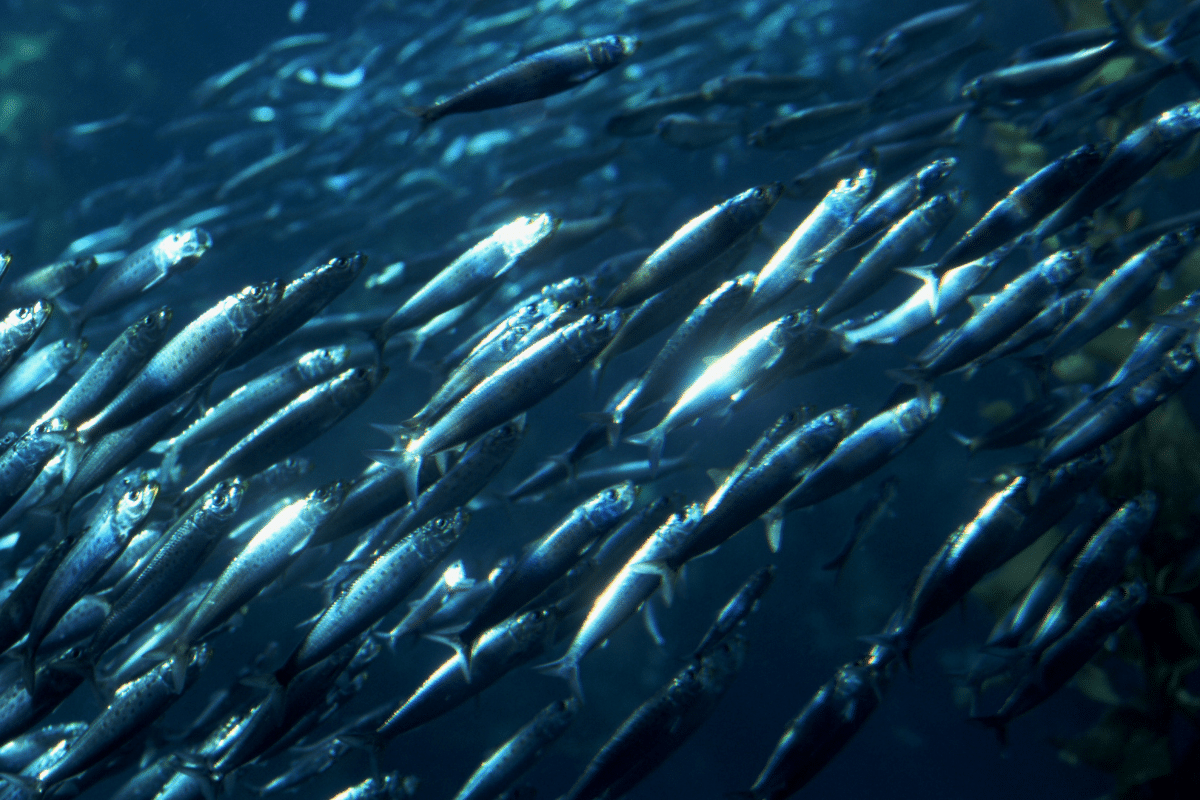
Mesopelagic Fish make the biggest daily migration on Earth, bringing carbon from the surface to the depths, where it remains for thousands of years
Our declaration is a call to action, it is up to us – the individual countries – to heed and act now. Effectively.
Juan Carlos Navarro, Minister of Environment, Government of Panama
What next?
The Wildlife for Climate Declaration will be included in the Power of Nature PAS (Plan for Accelerated Solutions) under the UNFCCC Global Climate Action Agenda, which serves as the implementation arm of international climate diplomacy, uniting governments, businesses, investors, cities, and civil society to execute the Paris Agreement.
Through a 2026–2030 five-year vision, the Power of Nature PAS translates the findings of the first Global Stocktake (GST-1) into real-world delivery through six thematic axes, 30 shared objectives, and 120 practical Plans to Accelerate Solutions (PAS). Under each Axis are ‘Activation Groups’, within which the Declaration will best sit under AG6 (that cuts across ecosystem types).
In July 2027, in Bonn, Germany, the signatory partners will gather at the UNFCCC’s Subsidiary Body for Scientific and Technological Advice (SBSTA) to advance collaboration and action in the global policy community.
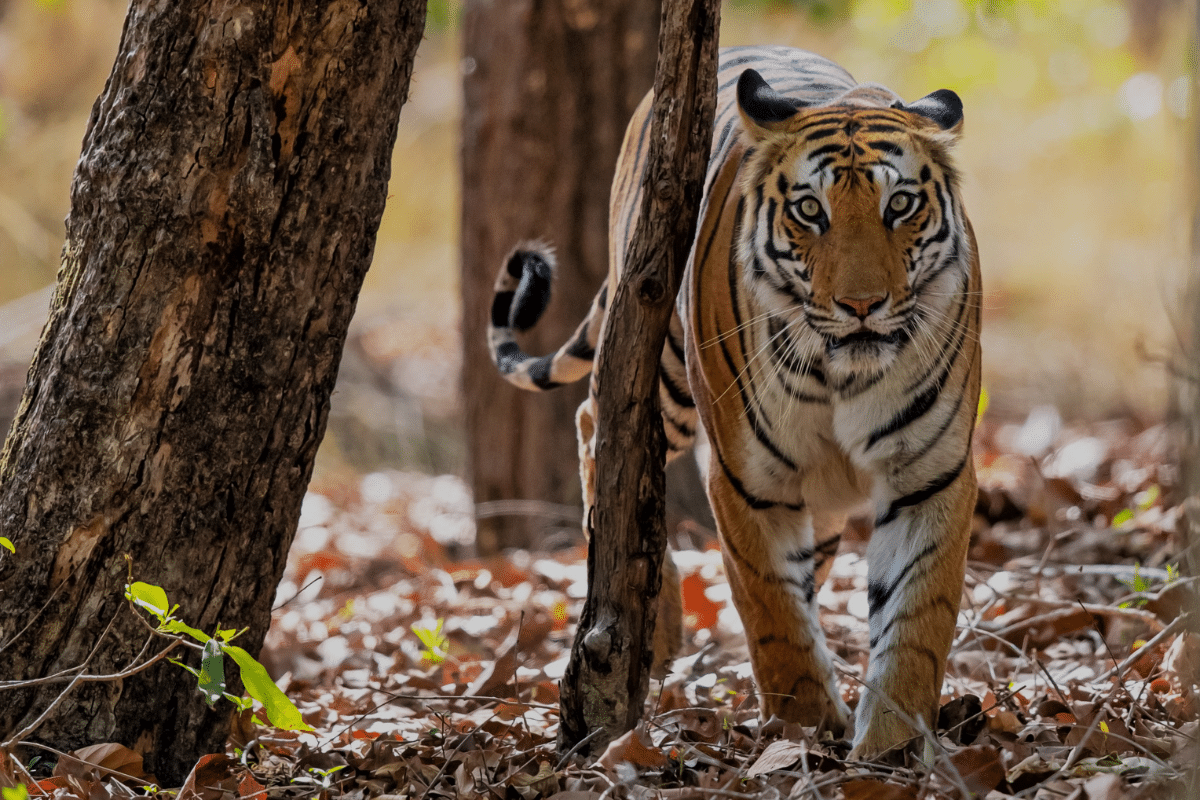
Tigers are apex predators: their role in food web has an impact on climate storage
Want to learn more?
Watch the recording Wildlife for Climate Action Declaration: Official Launch at COP31 in Antalya.
Learn more about the Wildlife for Climate Action Declaration.
Learn about the founding science of Animating the Carbon Cycle, and consider applying the model to your rewilding landscape.
A special thanks to the coalition of partners who have been supporting the process, including the Yale School of the Environment, International Fund for Animal Welfare (IFAW) and the World Federation for Animals (WFA).

About the Global Rewilding Alliance
The Global Rewilding Alliance brings together over 300 organisations across every continent to catalyse a worldwide movement for nature’s recovery. We accelerate learning, convene evidence, and share the successes and benefits of rewilding —inspiring more organisations to rewild and unlocking new resources for rewilding. Learn more about our work.