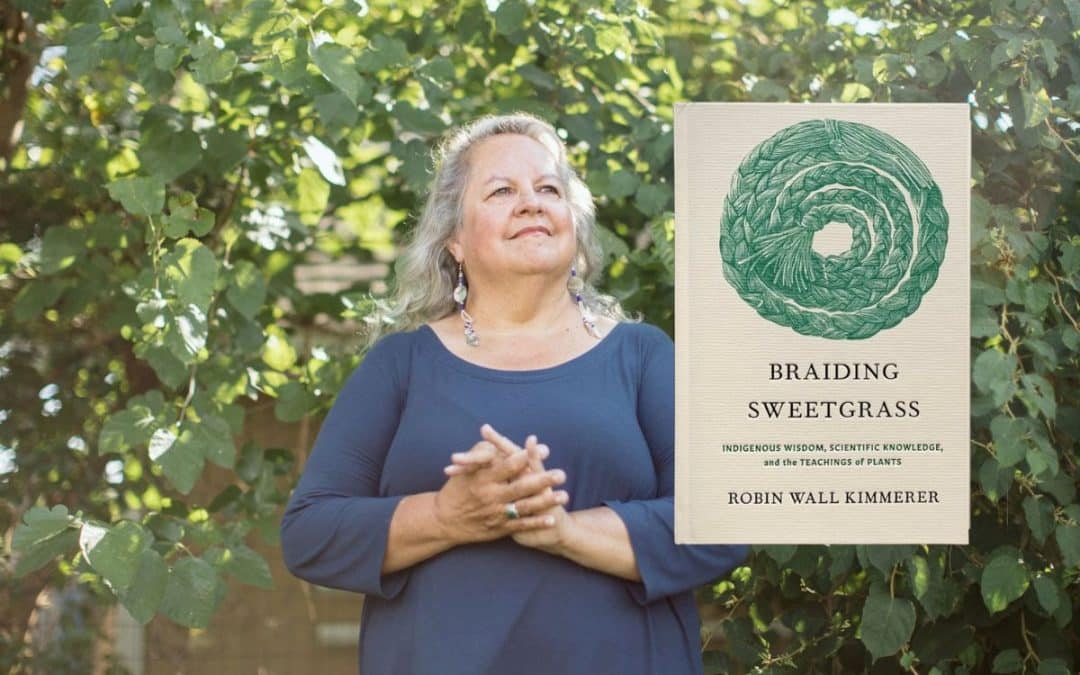
Robin Wall Kimmerer is a mother, scientist, decorated professor, enrolled member of the Citizen Potawatomi Nation, and author of multiple books, including Braiding Sweetgrass. Credits: Rosem Morton for The Washington Post/Getty
Wilder Reads: a library for our favourite and recommended rewilding-related books. In addition to our team’s small synopsis of the books that you will find on that page, here we intend to provide a deeper delve.
For the third of these in-depth overviews, Manon Calas from our Communications team and Will Kelsey, our Wilder Reads Lead, review Braiding Sweetgrass: Indigenous Wisdom, Scientific Knowledge and the Teachings of Plants by Robin Wall Kimmerer.
If, like us, you’re late to the Braiding Sweetgrass party and inexplicably did not cave in to seeing Robin Wall Kimmerer’s bestseller on every “10 books you must read in your lifetime” list – we can assure you it is not too late to treat yourself.
Braiding Sweetgrass details how the indigenous wisdom of North America’s First Nation Peoples, much of which comes from the teachings of plants, can be a much-needed companion to Western science and economics.
Reading Braiding Sweetgrass is to take a walk in and with nature. “Is that not grace”, Robin invites us to ponder upon encountering a Caterpillar, – “to see an animal of green light and water, a mere thread of a being who like me has gone walking in the rain?”. With every page, the author’s intimate knowledge, both ecological and spiritual, of the natural world, awakens in the reader a sense of newfound awe for the living world.
With storytelling that is part science, part poetry, she masterfully braids together stories, lived experiences and imagery, offering a renewed understanding of the living world and our place within it.
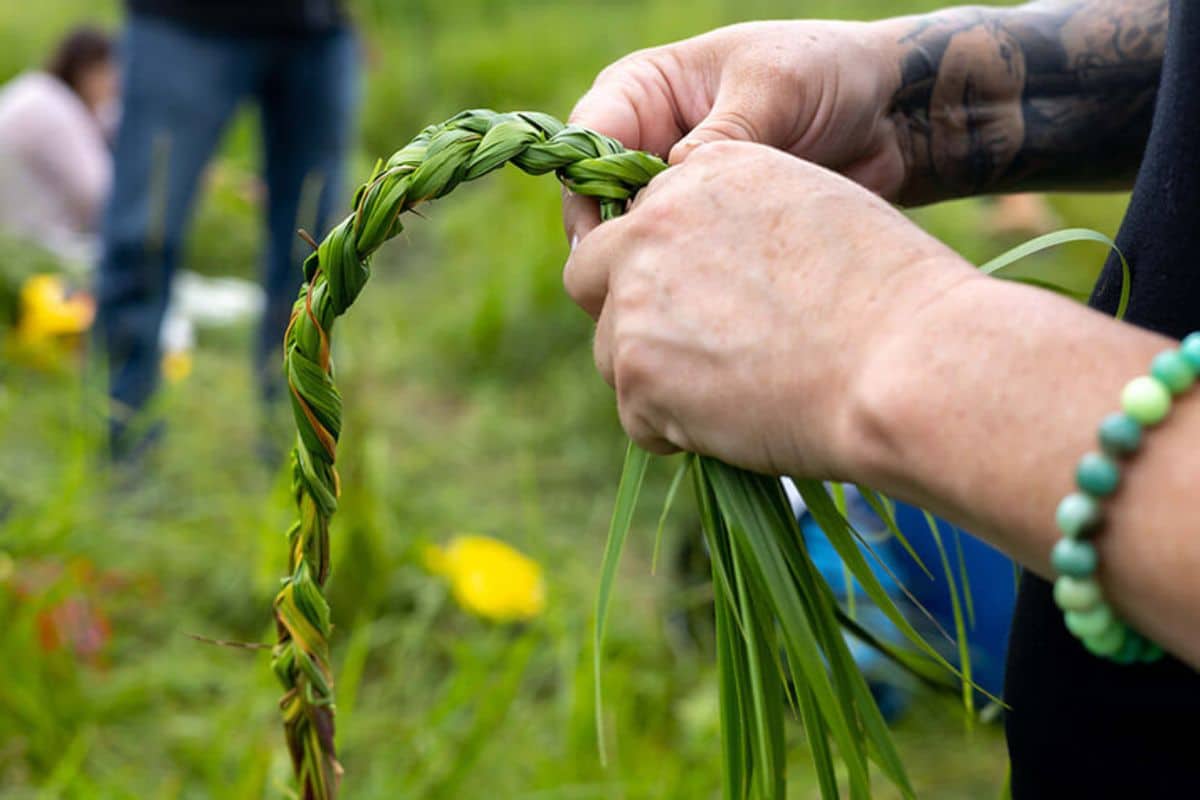
Braiding Sweetgrass: An invitation to see the world differently
Robin Wall Kimmerer, author of Braiding Sweetgrass
Why is the world so beautiful
Early on in the book, Robin recounts the “why” that set her on her path to becoming a plant scientist: she wanted to know “why we love the world”. Why is the world so beautiful? How can the sight of Goldenrod and Aster flowers with their purple and yellow, “rock us back on our heels with awe?”
However, Kimmerer’s school advisor — adamant that these questions have nothing to do with botany — tried their best to instill a belief that science is not about beauty, and in the process, awakened the young graduate to the tension between these two worldviews.
Folding to the necessary rigour and precision of botany during the course of her academic training, she learnt the complex world of plant science. At that time, she discovered how “science polishes the gift of seeing”, whilst regretting the time where she couldn’t tell the plants by their Latin names, but could only hear their songs.
“To walk the science path” Kimmerer laments, “one had to step off the path of indigenous knowledge.” Today, her readers can only rejoice, as her rigorous ecological knowledge has become intertwined with the songs she has since learnt to remember, making for a fascinating read.
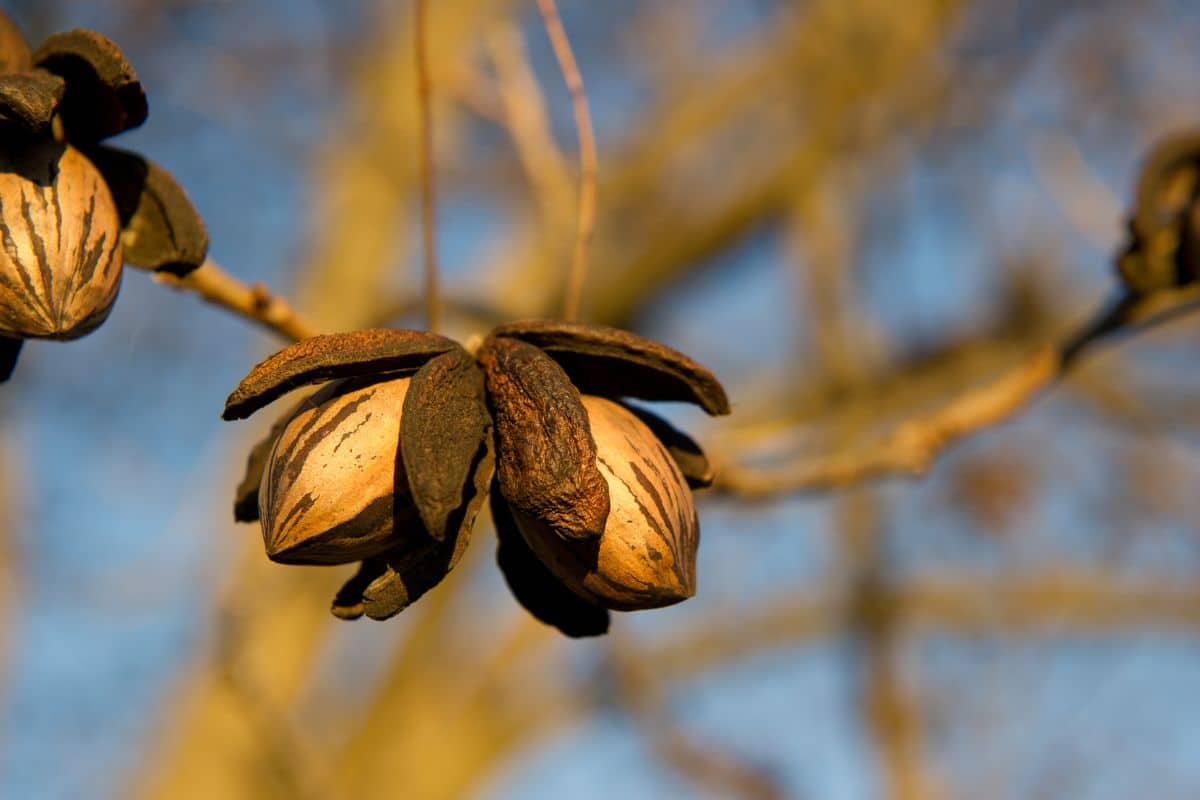
When we step on the path of indigenous ways of knowing – and Robin helps us all to remember how – we can find, not just knowledge, but awe all around; in the beautiful otherness of a Salamander, the generosity of a Strawberry field, or the wisdom of Pecans.
Isn’t this awe the origin story of every rewilder?
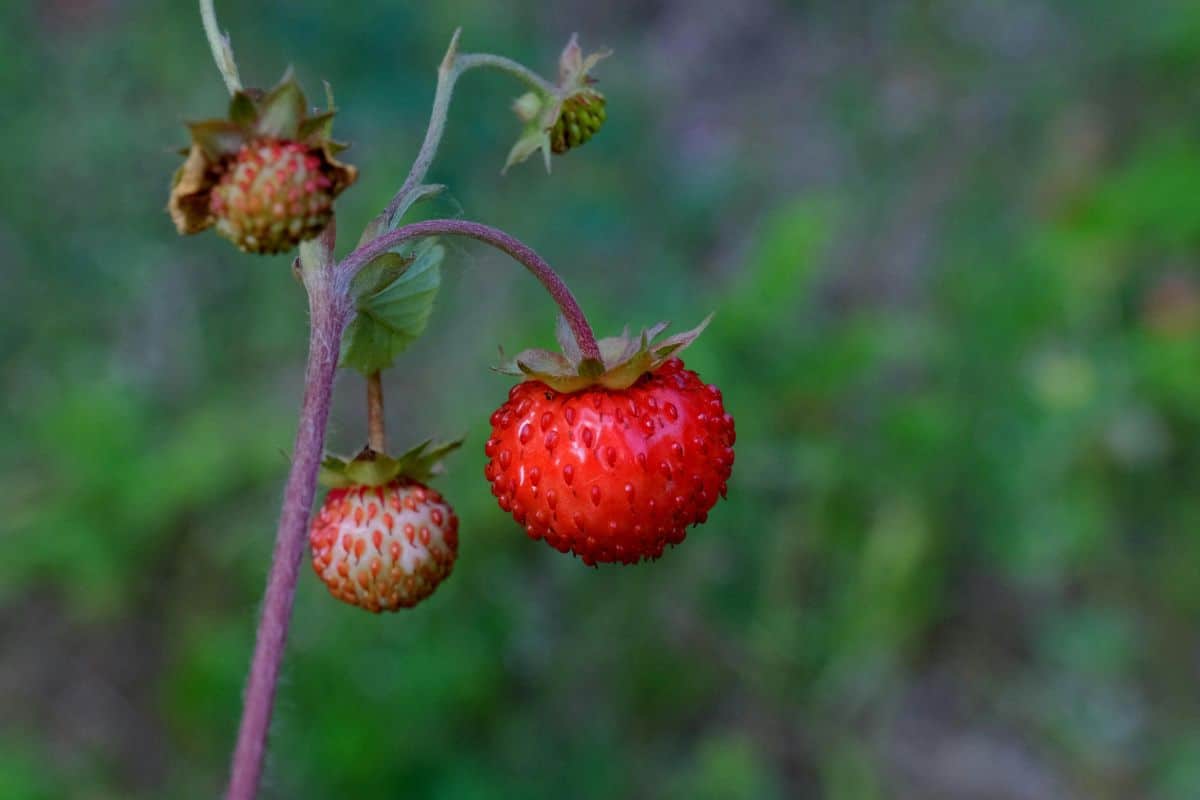
A gift from the Earth, wrapped in red and green.
In indigenous ways of knowing, we understand a thing only when we understand it with all four aspects of our being: mind, body, emotion, and spirit.
Robin Wall Kimmerer, author of Braiding Sweetgrass
Science as reciprocity and communication with the beyond-human
Have you ever looked at scientists in a lab and thought to yourself “here are people engaging in an act of communion and reciprocity with the living world”? I know I hadn’t. But see, this is where Robin hands you a pair of glasses to look at the world in a new way. When done with reverence and humility, the practice of science, she posits, is “a powerful act of reciprocity with the more-than-human world”.
Taking us behind lab microscopes or boots deep in salt marsh muds, she makes visible the relationality at the heart of science: that is data collection driven not by the love of data but as “a path to kinship”.
Illuminated by Kimmerer’s vivid metaphors, we begin to see the work of scientists as rituals of love and reciprocity. “We can’t ask the Salmon directly what they need,” the author explains, “so we ask them with experiments and listen carefully to their answers.”
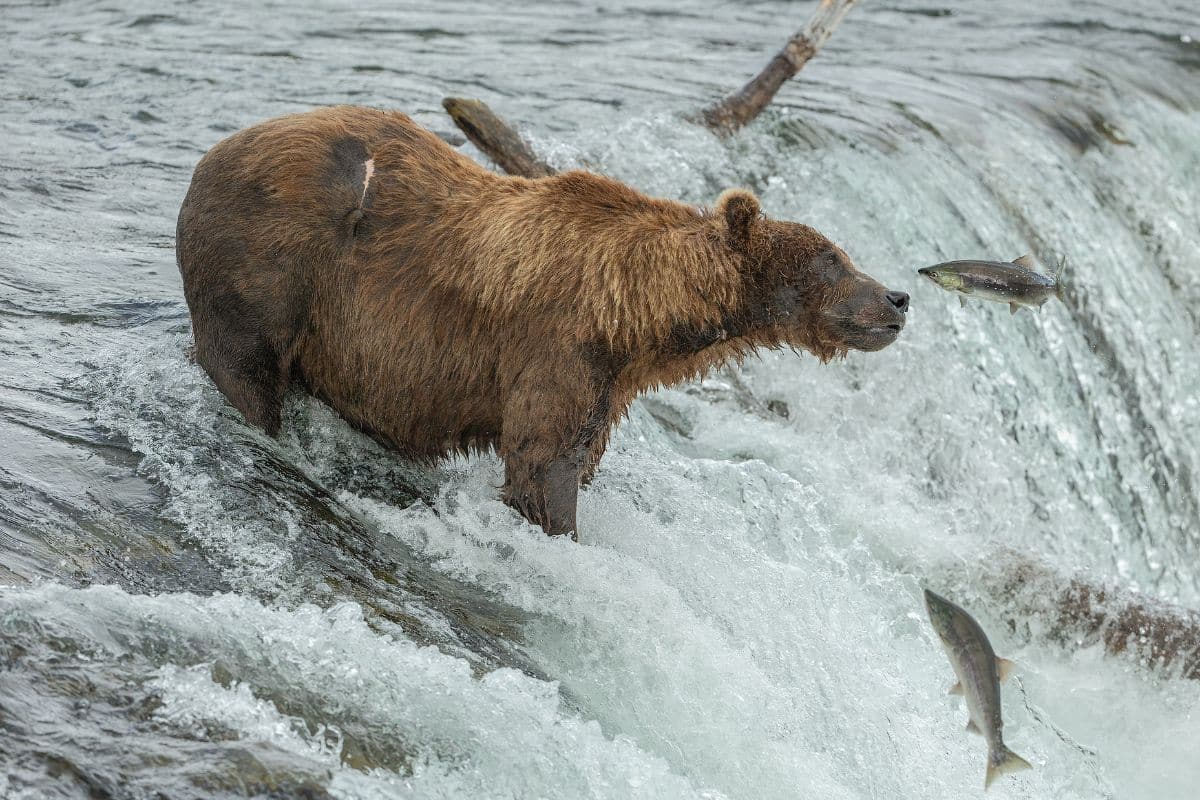
Reciprocity is the only viable foundation for an enduring, healthy relationship with the non-human world.
Despite humans sharing 99% of our DNA with apes – it is quite difficult to put ourselves in the fur, fins or feathers of other animals, or the foliage of a tree. Doing science, Kimmerer reminds us, is as close as we get to “slip off our human skins”. In our attempt to understand the living world beyond us, learn from its richness and listen to its hurts, we can begin to repair the harm, and love Earth back to health.
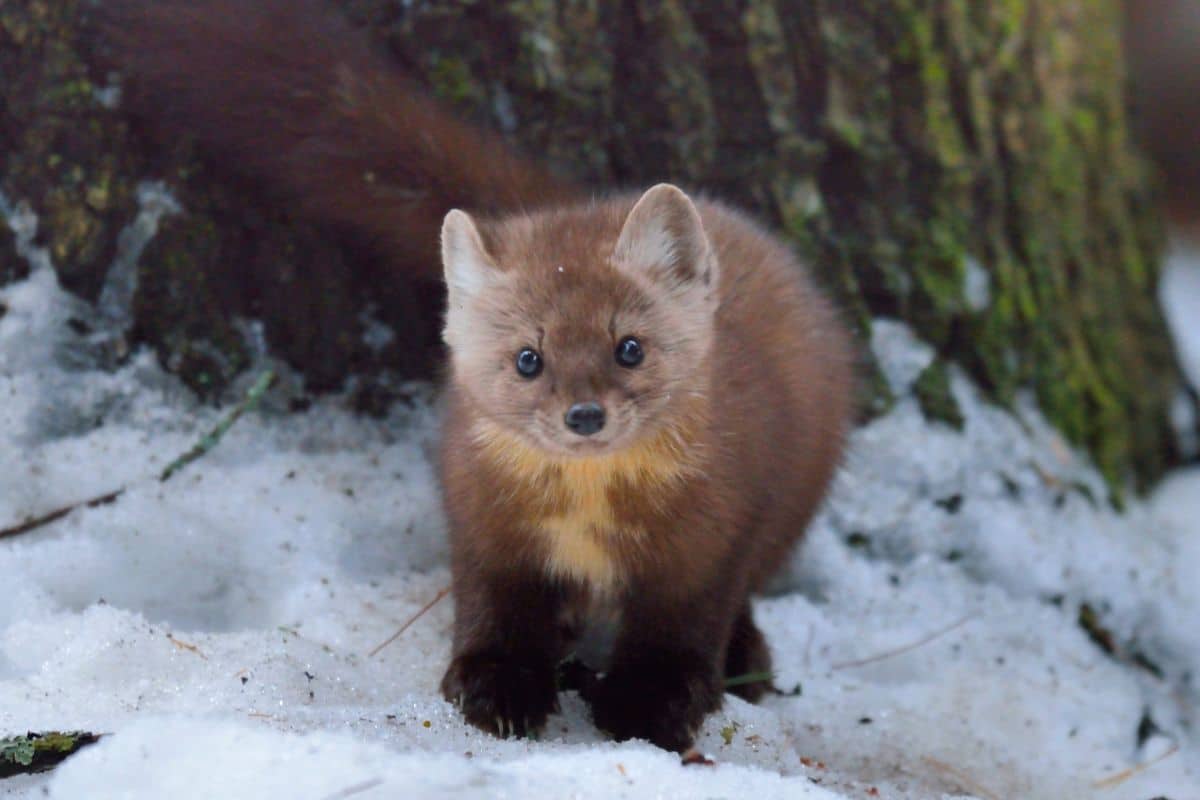
Another lesson in reciprocity, one of Braiding Sweetgrass’ most valuable teachings, is that of the Honorable Harvest. From Robin’s childhood amidst the Wild Strawberries who taught her “her place in the world”, to her tale of Lionel the fur trader and Pine Martens, she details how reciprocity is the only viable foundation for an enduring, healthy relationship with the non-human world.
As Robin explains: “a harvest is made honorable when it sustains the giver as well as the taker.” In the Wild Strawberries patch behind her house in the old farmlands in upstate New York, where she recalls running to after school, she experienced the generosity of Earth through this “gift wrapped in red and green”, nourishing a gratitude and attunement to reciprocity that trickles gently through every chapter.
In the case of Lionel the modern-day fur trader from the forests in Quebec, Canada, reciprocity means making sure his neighbouring wild Pine Martens are well fed during difficult times. Lionel’s practice of the Honorable Harvest is an invitation to reimagine our economic systems, investing in the resilience of nature as our greatest asset and life-support system.
Language as relationality and responsibility
Because humans are a species of many words, and those words have great power in our civilizations, Robin posits that language is our gift and responsibility.
Language is the lens through which we perceive the world and the basis for which we interact with one another. The words that we use, therefore, often dictate our relationship to the world. An enlightening passage is Robin’s explanation of differences between Western languages and her native Potawatomi. Where English says ‘It is an apple,’ Potawatomi says ‘Mshimin yawe’, meaning literally ‘The apple is a being.’ Where English objectifies the apple as an ‘it,’ Potawatomi insists that much of the natural world is alive, and therefore worthy of our respect and kinship.
As Robin explains: “We use the same words to address the living world as we use to address our family. Because they are our family.”
One of the many ways Kimmerer makes language a doorway to relationality is through the capitalisation of words, like Mosquito and Oak – a practice that our team has since adopted with unusual precision. We wouldn’t refer to the first American President as ‘abraham lincoln’, so why should we diminish Oak – who was standing long before the birth of the former, or any president for that matter?
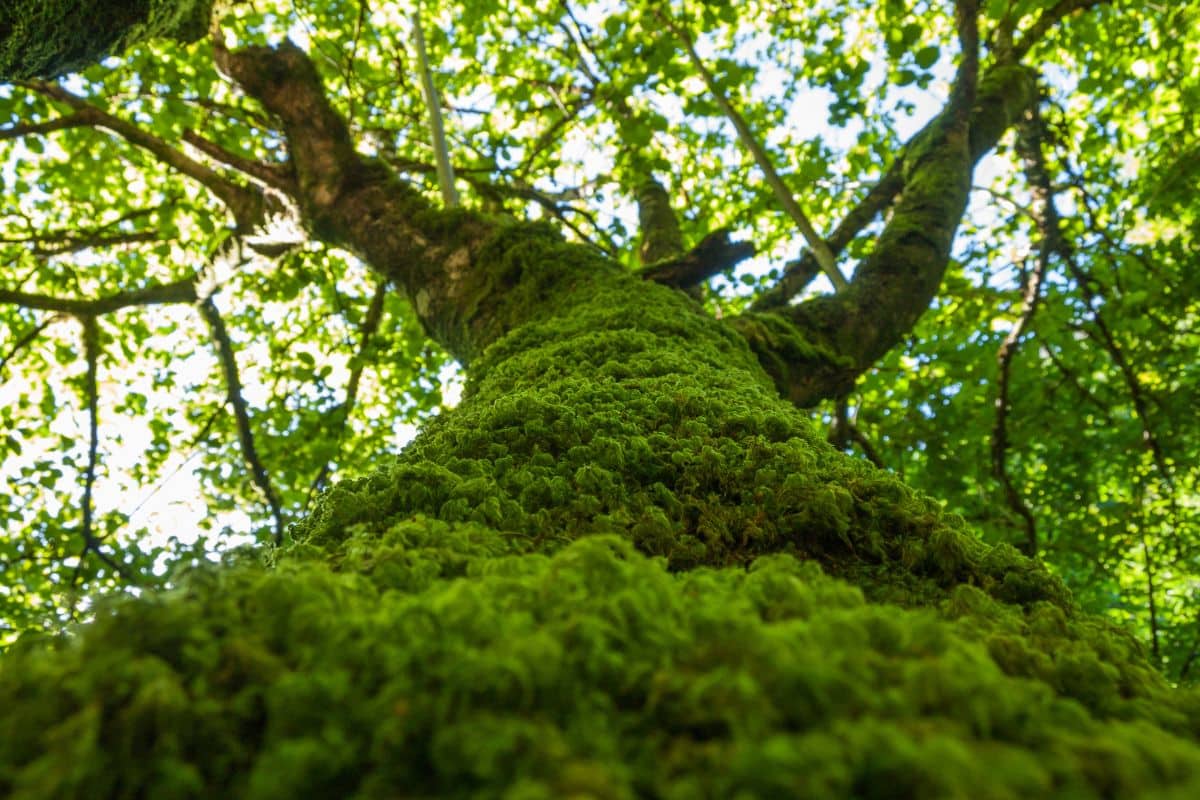
Through these small but significant language shifts, the author presents us with a newfound – or rather, remembered – place in the world: human beings as gratitude-filled, respectful stewards of the natural world.
Robin Wall Kimmerer, author of Braiding Sweetgrass
‘Re-storyation’ and hope into action
One way to give back with generosity is through what she calls, quoting Gary Nabhan, “re-story-ation”. Our team stands convinced, like the author, that at a time when “we are deluged by information regarding our destruction of the world”, our duty is to tell the stories of healing, restoration, rewilding, that shows us a hopeful and actionable path forward. At the Alliance, this is something we certainly resonate with, and do our best to champion in every sentence spoken, written, or whispered to both friends and strangers.
“We can’t meaningfully proceed with healing, with restoration, without re-story-ation” Gary Nabhan
Naturally, in her prose, restoring nature, rewilding, or any form of engaging positively with the living world, are portrayed as an expression of hope into action. Referring to a 1976 dam removal project that freed a river in Oregon, she has a beautiful phrase: the communities of scientists involved were performing an act of hope – “hoping that the land remembered to be an estuary”. And to the joy of biologists, the marsh did remember to be an estuary.
Rewilding is always an act of hope. Hoping that the river remembers to wiggle and meander, that the Bald Ibis remember their migration routes, that the Jaguar remembers to roam.
By using our power to perform nurturing rather than destructive acts, we choose to use our humanness for the good, and hence choose a future that we look forward to. We “invest our gifts on the side of creation.” And the wonderful thing about that, the author reminds us, is that by doing so, we are receiving great gifts in return. By nurturing the natural world, we nurture ourselves.
Or as one characters puts it: “in restoring the land, I restore myself”
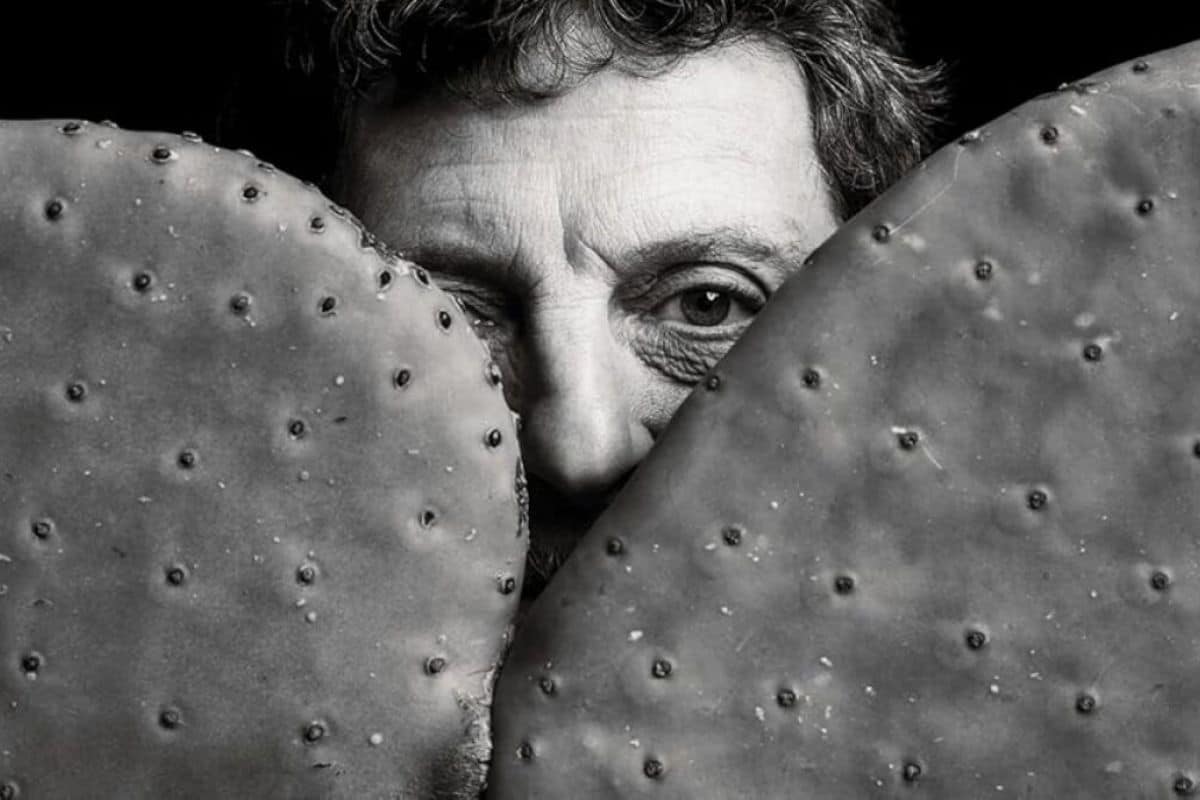
Gary Nabhan coins the term “re-storyation”
All Flourishing is Mutual – A Declaration of Interdependence
The invitation doesn’t end with the last page of the book.
Robin Wall Kimmerer, in collaboration with Plan It Wild and PlantBabyPlant, invites us, for the 250th anniversary of the United States, to a Declaration of Interdependence. An offering to come together with our Wild Kin and each other, to look toward the future we want our grandchildren to inherit.
The message is universal, and to us, rewilding is the act of recognizing, honouring and enacting interdependence. The very nature of it requires us to work together, to dream together and to celebrate together. Every one of us has a part to play, at all scales, at all times.
When Nature thrives, so too does Humanity.
Our collective story will be the story of a Planet Wild Again.
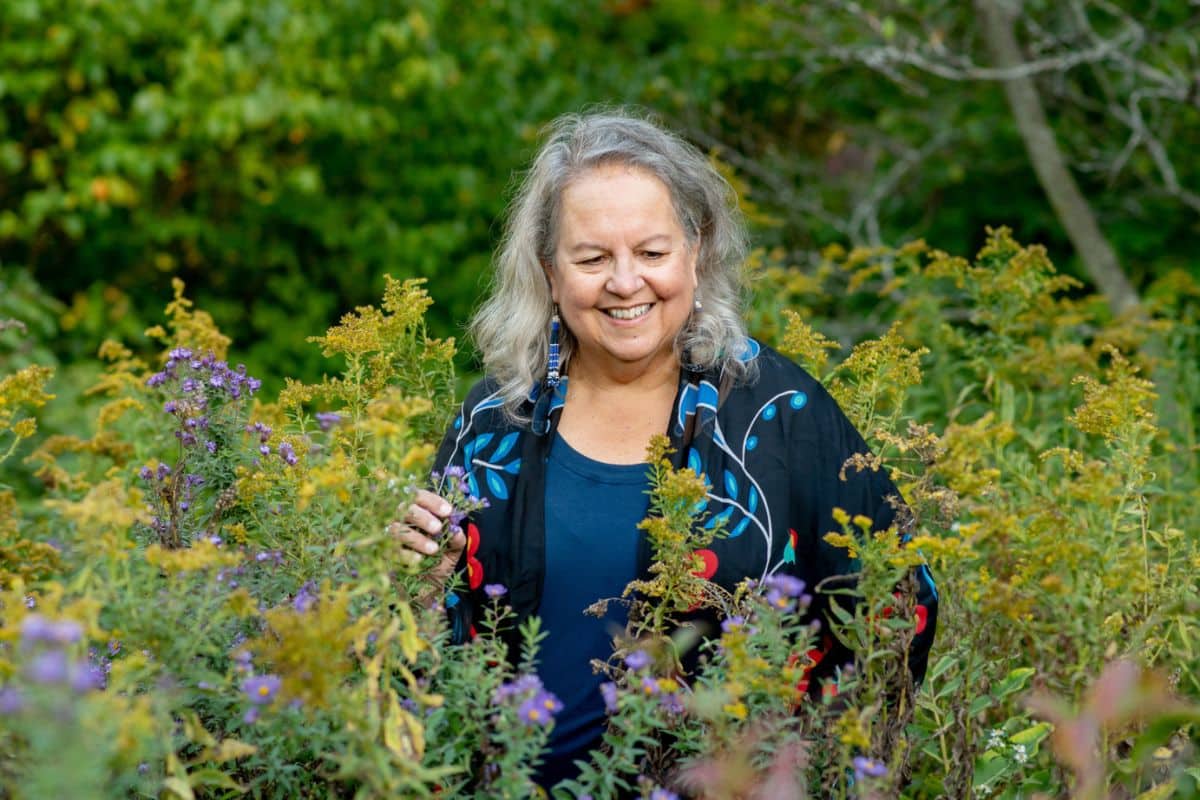
Robin Wall Kimmerer, author of Braiding Sweetgrass, offers us a braid of stories with the purpose of healing our relationship to the world.
Photo courtesy of the MacArthur Foundation.
Braiding Sweetgrass stands out precisely because it taps into our deep, innate longing for connection with the living world, a longing that finds renewed active hope in the growing global rewilding movement.
The momentum is undeniable.
This article was co-authored by Manon Calas and Will Kelsey

About Manon Calas
Part of the Global Rewilding Alliance’s Communications team, Manon contributes her creative skills to posts, presentations and projects telling the stories of the rewilding movement. With a degree in Modern Literature, an MSc in Sustainable Development, and a diploma in Communications for Conservation, Manon is particularly interested in the ways stories shape humanity’s relationship to Nature. Hoping to inspire and share her interest with likeminded people, she recently became a facilitator of the New Narratives Collage workshop.
About Will Kelsey
Will works for Surrey Wildlife Trust, building partnerships with businesses, both through traditional Corporate Social Responsibility and building the commercial case for nature as critical infrastructure. He holds an MSc in Conservation Science from Imperial College London. As a part-time volunteer with the Global Rewilding Alliance, he has helped to onboard new alliance partners, draft policy documents, and create our Wilder Reads collection. Will is also a Trustee of a wonderful London-based rewilding charity, Natural Neighbours.