Credits: Rapa Nui Ocean Council “Koro Nui o Te Vaikava”
In the Pacific Ocean, the Rapa Nui Marine Protected Area (MPA) exemplifies indigenous leadership in marine conservation. Established in 2017, it covers over 729,000 km² and is co-managed by the Rapa Nui community and the State of Chile, focusing on protecting marine ecosystems while honouring traditional fishing practices. In August 2025, a significant Integrated Management Plan was approved by 86% of the community, strengthening local governance and cultural identity under the principle of Te Moana Tapu a Hotu Matu’a. The community helps to innovate the MPA through science, education, and partnerships, whilst also seeking to connect with neighbouring islands to create a continuous protected area across the Pacific. Rapa Nui MPA is living proof of how culture and rewilding collaborate to improve lives locally and globally.
Far out in the waters of the Pacific ocean, where ancient indigenous traditions have shaped a people deeply connected to land and sea, the principle of Te Moana Tapu a Hotu Matu’a (The Sacred Ocean of the King Hotu Matu’a) is charting a bold path for marine rewilding.
The Rapa Nui Marine Protected Area (MPA) is one of the largest in the world, covering more than 729,000km2 of sea. Administered by the island’s own community, it is a living, evolving example of how indigenous leadership, cultural heritage, and ecological stewardship can come together to defend our oceans.
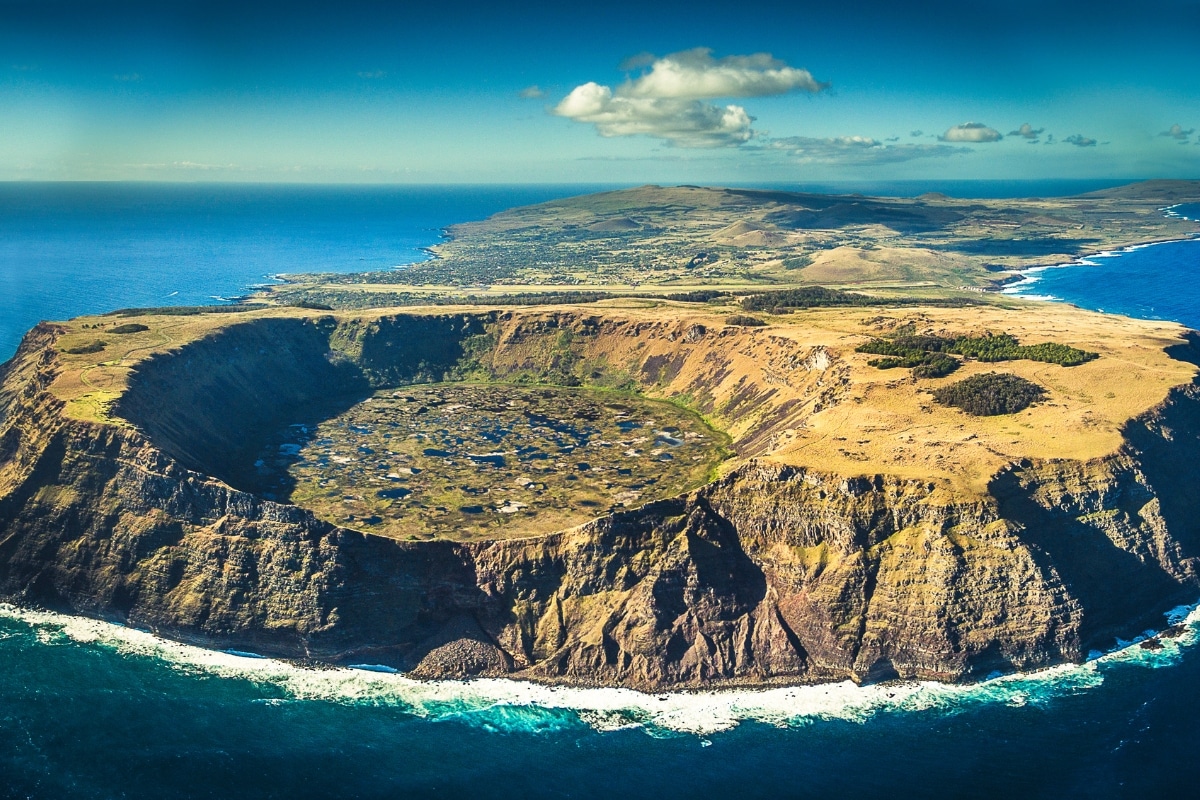
Panoramic view of Rapa Nui. Photo credit: Koro Nui o Te Vaikava.
Collaborative governance in an MPA
In 2017, the people of Rapa Nui voted in a historic referendum to create one of the world’s largest marine reserves, covering around 729,000 square kilometers of ocean and 100 % of the EEZ (Exclusive Economic Zone). The vast majority of residents endorsed the reserve and its rules: banning industrial fishing and extractive industries, while honoring traditional fishing practices passed down through generations.
Now, the co-management of Rapa Nui Marine Protected Area is shared by the Rapa Nui people, through the Koro Nui o te Vaikava, together with the State of Chile. The result is an unprecedented example of collaborative governance for our marine ecosystems.
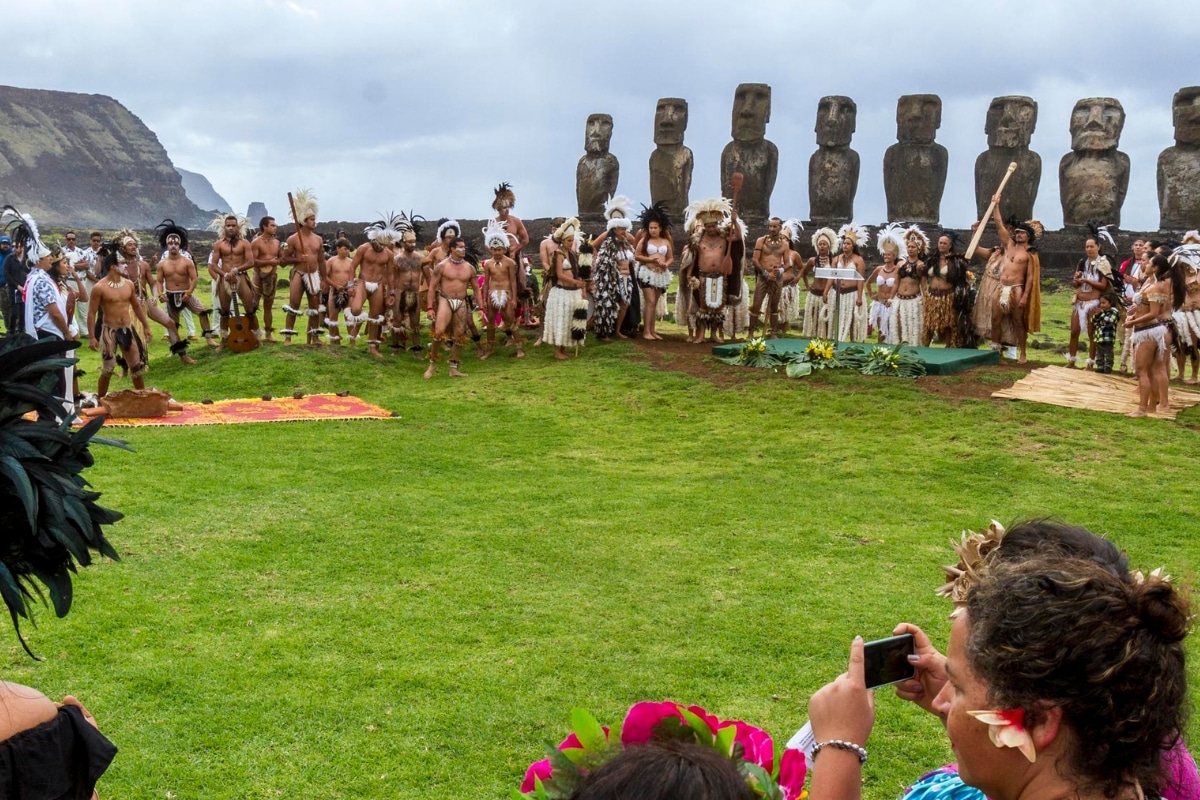
President of Chile, Michelle Bachelet, announced the creation of the Marine Protected Area and the administration of the National Park by Mau Henua (November, 2017). Photo credit: Yvan Neault.
“If we want to make a great plan we need to include the indigenous communities“, says Ludovic Burns Tuki, Executive Coordinator of Rapa Nui Ocean Council “Koro Nui o Te Vaikava”.
Early in the process, it was recognised that the plan requires full community approval, ensuring that the future of the island’s seas is decided collectively, by those whose lives and heritage are inseparable from them.
A commitment rooted in community will, culture and identity
In August 2025, following a formal Indigenous consultation, the Integrated Management Plan for the Rapa Nui Marine Protected Area was approved by 86% of community voters. The approval is celebrated as a turning point in giving the Rapa Nui community greater authority and legitimacy in co-governance with state institutions; the result of years of hard work and dialogue between the government and community members elected, the Koro Nui o Te Vaikava.
The plan envisages the Rapa Nui Marine Protected Area being managed under the principle of Te Moana Tapu a Hotu Matu’a, combining the recognition of sacred sea with both prohibition and respect. The plan is a roadmap to safeguard the surrounding marine ecosystems, strengthen local governance, and respect the worldview of the Rapa Nui people.
An ongoing effort to enforce the MPA
The challenges are immense. Industrial fishing fleets press constantly at the edges of the MPA, threatening whales, sharks, and countless other species. Enforcement is difficult: few people and resources are dedicated to the MPA’s vast responsibilities. Invasive species—feral cats, rats, and bird species—add further strain to the island’s unique ecosystems.
And yet, there is resilience and innovation. The community is building an Ocean Science and Education Centre to anchor local knowledge with global research. They are exploring new technologies, including satellite monitoring of fishing vessels, to strengthen enforcement.
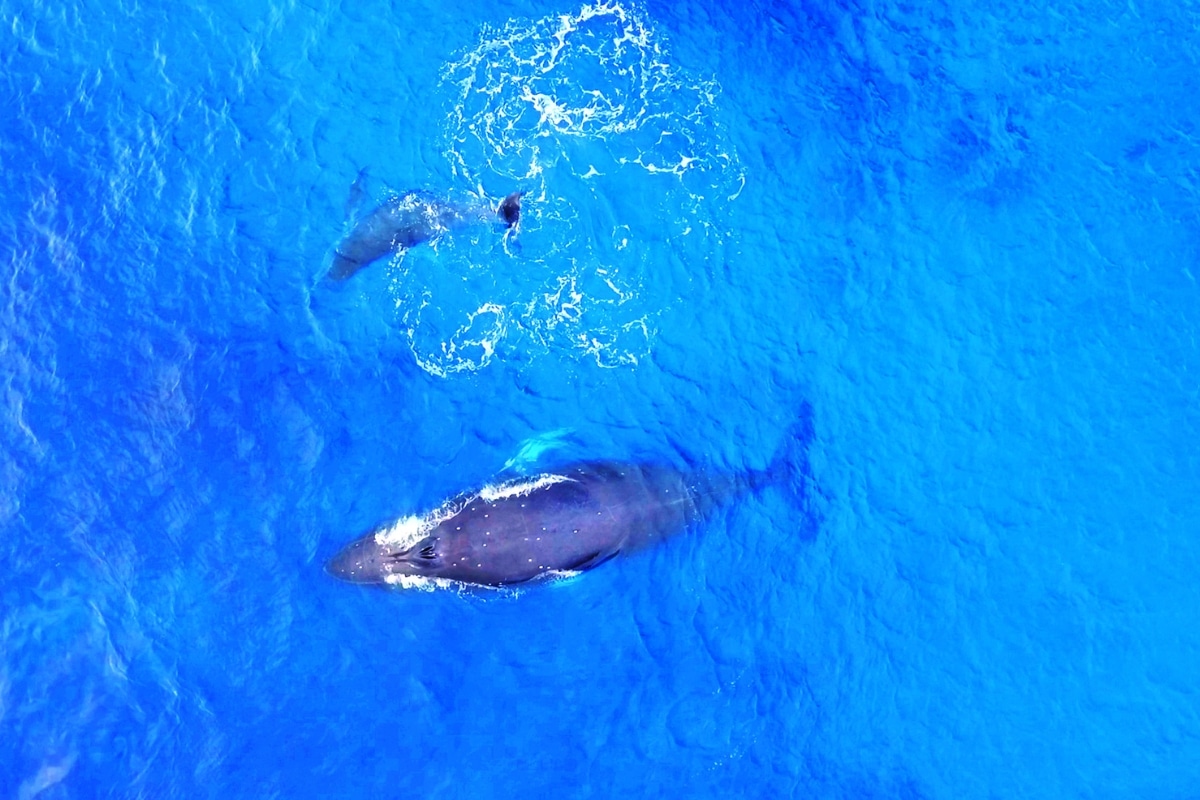
Whales in Rapa Nui waters. Photo credit: Koro Nui o Te Vaikava.
Partnerships are expanding, with Blue Nature Alliance, Island Conservation, and now the Global Rewilding Alliance, together we can bring resources, fieldwork, and connections to amplify their efforts.
An ambitious cross-continental vision & outcomes affect us all
Rapa Nui is reaching out across the Pacific, seeking to connect with neighbouring islands to weave a bridge of protected areas between Oceania and the Americas.
A partnership with Pitcairn Island — a British territory that has also declared a vast MPA — offers a glimpse of what such a bridge could look like: islands far apart, yet linked by shared purpose in protecting the ocean commons. The protection and recovery of these marine and coastal ecosystems are relevant to us all – wherever we are on the globe.
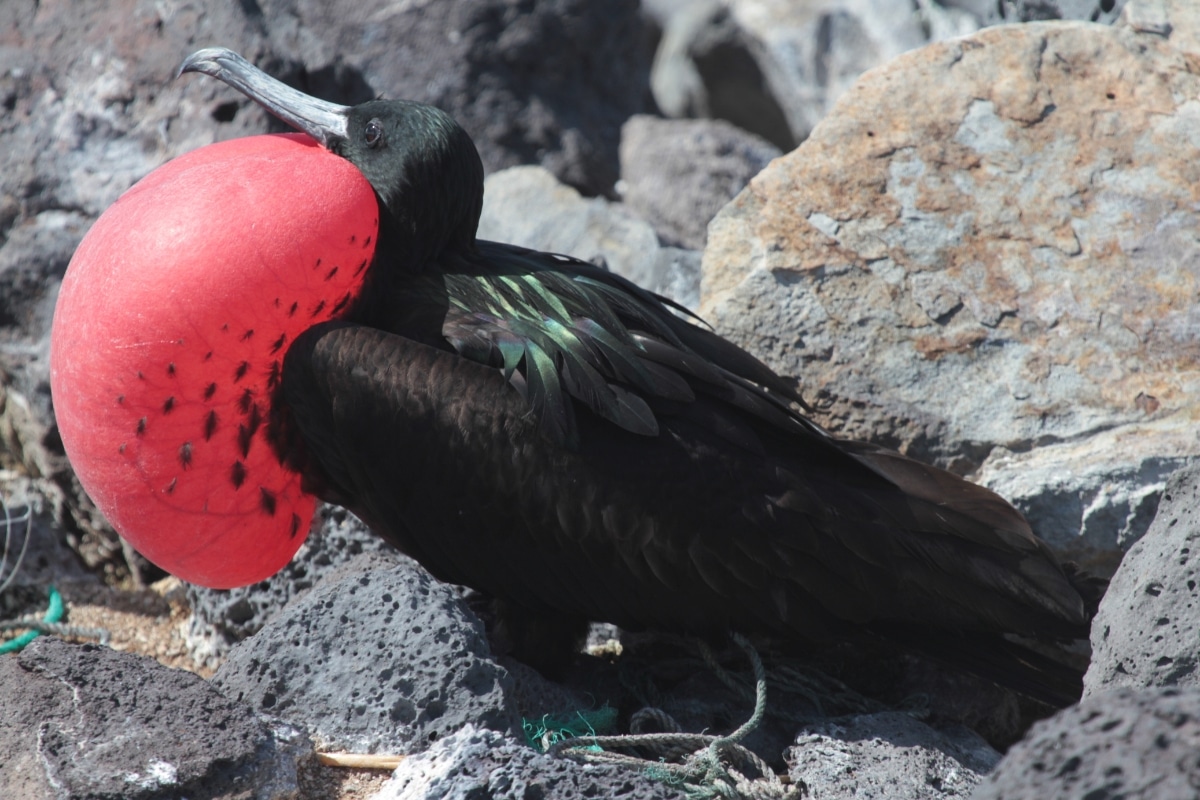
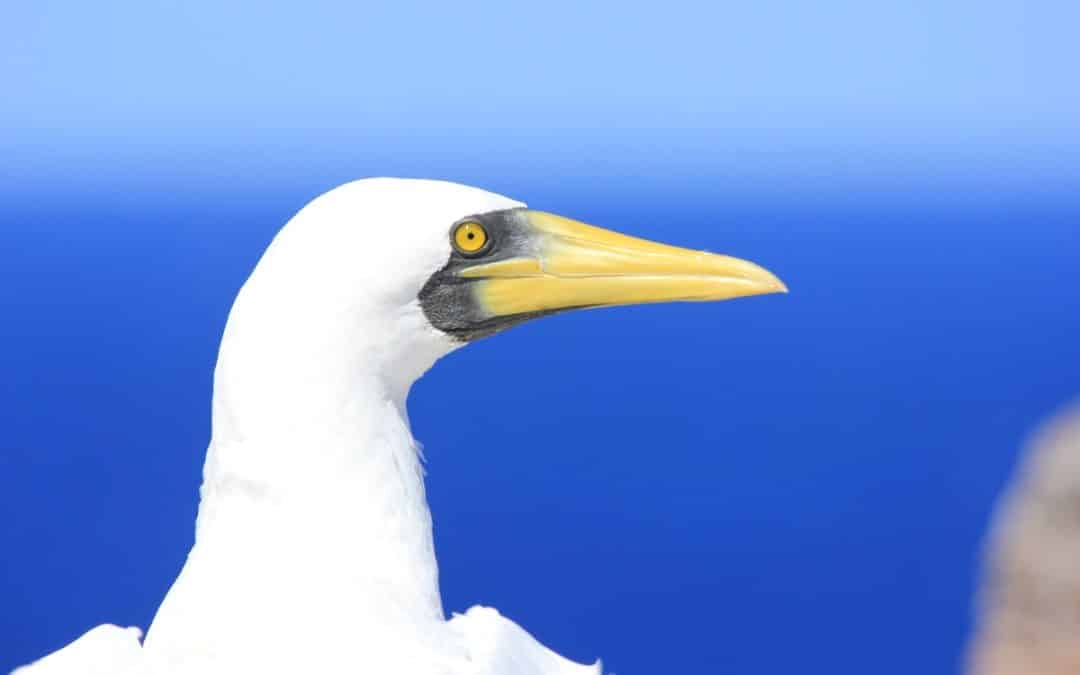
Great Frigatebird. Photo credit: Koro Nui o Te Vaikava.
According to Mongabay, some 142 marine species found nowhere else on Earth (27 of which are at risk of extinction) and 77% of the Pacific’s fish abundance thrive in the waters around Rapa Nui! An expedition in early 2017 and another in early 2024 uncovered even more species, some new to science, in the depths surrounding the island. These expeditions highlight how much remains unknown about deep ocean ecosystems there, reinforcing the need for robust scientific monitoring to guide enforcement and zoning decisions.
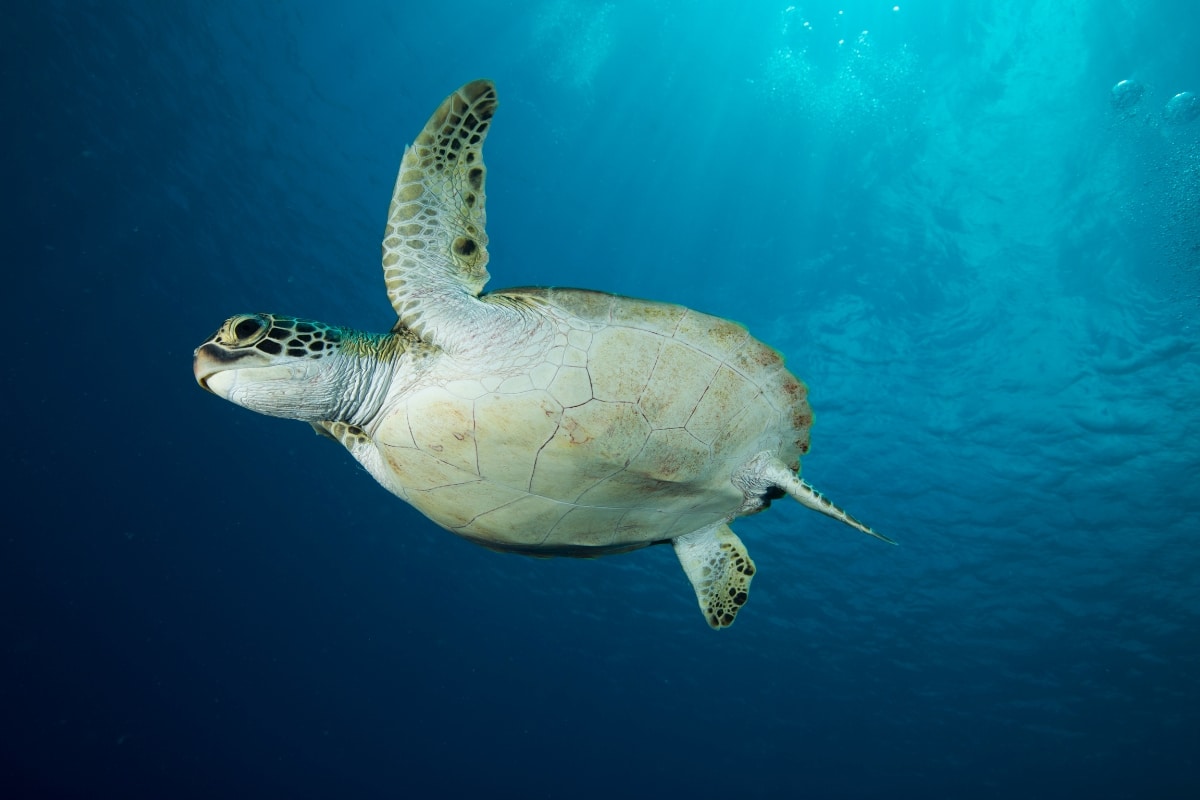
Green Turtle in Rapa Nui waters. Photo credit: Koro Nui o Te Vaikava.
A positive turning point for marine rewilding
In the global policy community, foundations were laid to scale marine rewilding efforts as two critical implementation pillars for the oceans were agreed – on Fisheries Subsidies and the UNCLOS BBNJ treaty.
The Rapa Nui community worked to embed participation, dialogue, and cultural values into a robust plan that now grows into a living example of how legitimacy is built: through patience, consultation, and collaboration.
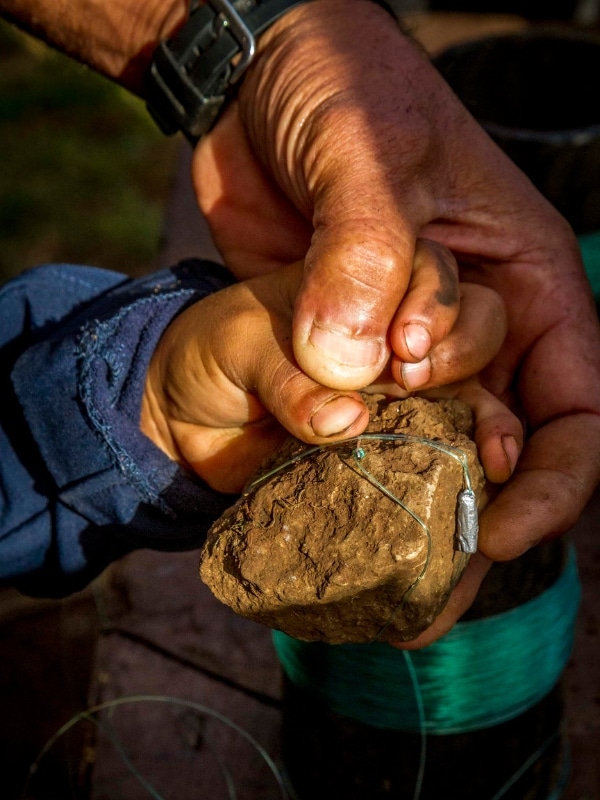
Educational programme: teaching the traditional and ancestral technique of fishing. Photo credit: Koro Nui o Te Vaikava.
The Global Rewilding Alliance is honored to have Rapa Nui MPA as an Alliance Partner. Together, we will strengthen connections as a global network to support Rapa Nui’s bold vision. This small island in the Pacific matters to all of us: it is a beacon of how culture and conservation can move in harmony to safeguard our one ocean.
The journey thus far has involved many collaborating bodies: the Municipality of Rapa Nui, with the support of the UN System in Chile, the UN Environment Programme and the Chilean Ministry of Foreign Affairs, as well as representative organizations of the Rapa Nui people, such as the Council of Elders, the Rapa Nui Parliament, the Hōnui Territorial Assembly, Koro Nui o te Vaikava (Rapa Nui Sea Council), the Ma’u Henua Indigenous Community (administrator of the Rapa Nui National Park) and the Rapa Nui representatives of the Easter Island Development Commission.