
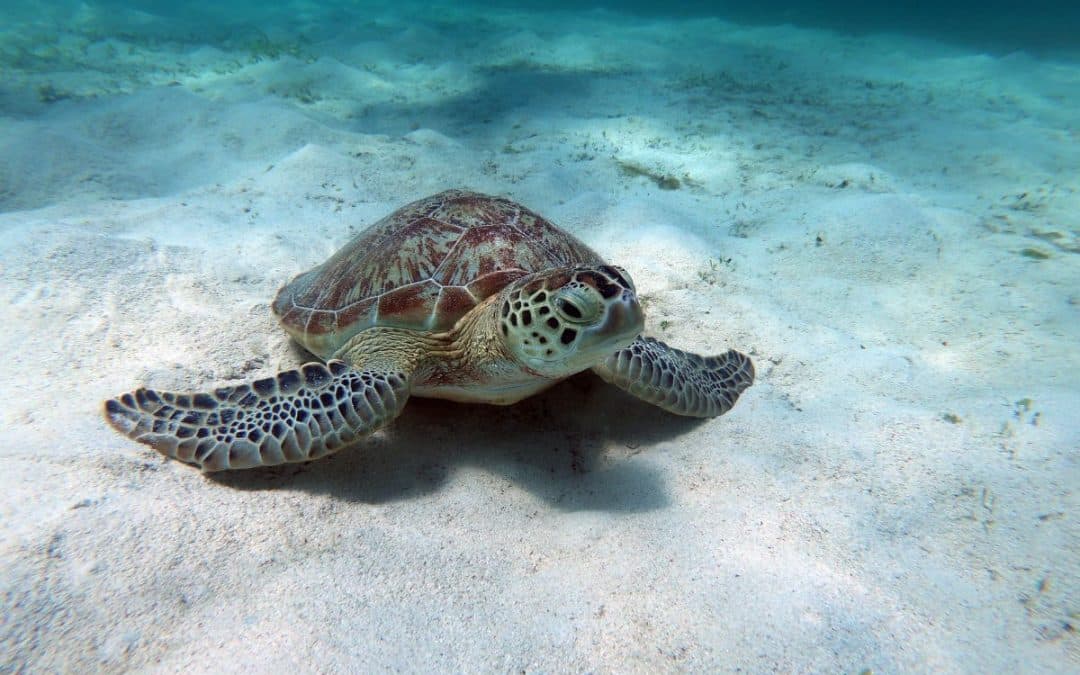
Credits: Tomasz Dutkiewicz
Mariners for Action (MFA), led by Linus Owino, is a community-driven organization working along Kenya’s coastline to restore ecosystems and support local livelihoods. Mariners for Action addresses critical issues like industrial bottom trawling, illegal mangrove logging, and plastic pollution. Their multifaceted approach includes restoring mangrove forests to protect vital Sea Turtle nesting sites and coastal barriers, and launching plastic recycling initiatives that provide income for local women and youth. By combining traditional knowledge with scientific data, MFA empowers coastal communities to build resilience against environmental degradation, fostering an abundant, thriving future.
“Be the change you wish to see in the world.” This is exactly what our Alliance Partner, Mariners for Action (MFA), embodies. Operating along the vibrant, yet vulnerable, coastlines of Kenya, Mariners for Action stands as a testament to the power of community-led rewilding efforts. They are tackling complex challenges, including depleting fish stocks caused by industrial bottom trawling, illegal mangrove logging, and downstream plastic pollution. Speaking to our team members – Isaline and Swathi – their Founder and CEO Linus Owino highlighted how these interconnected problems necessitated the birth of a dedicated organisation deeply rooted in the local culture.
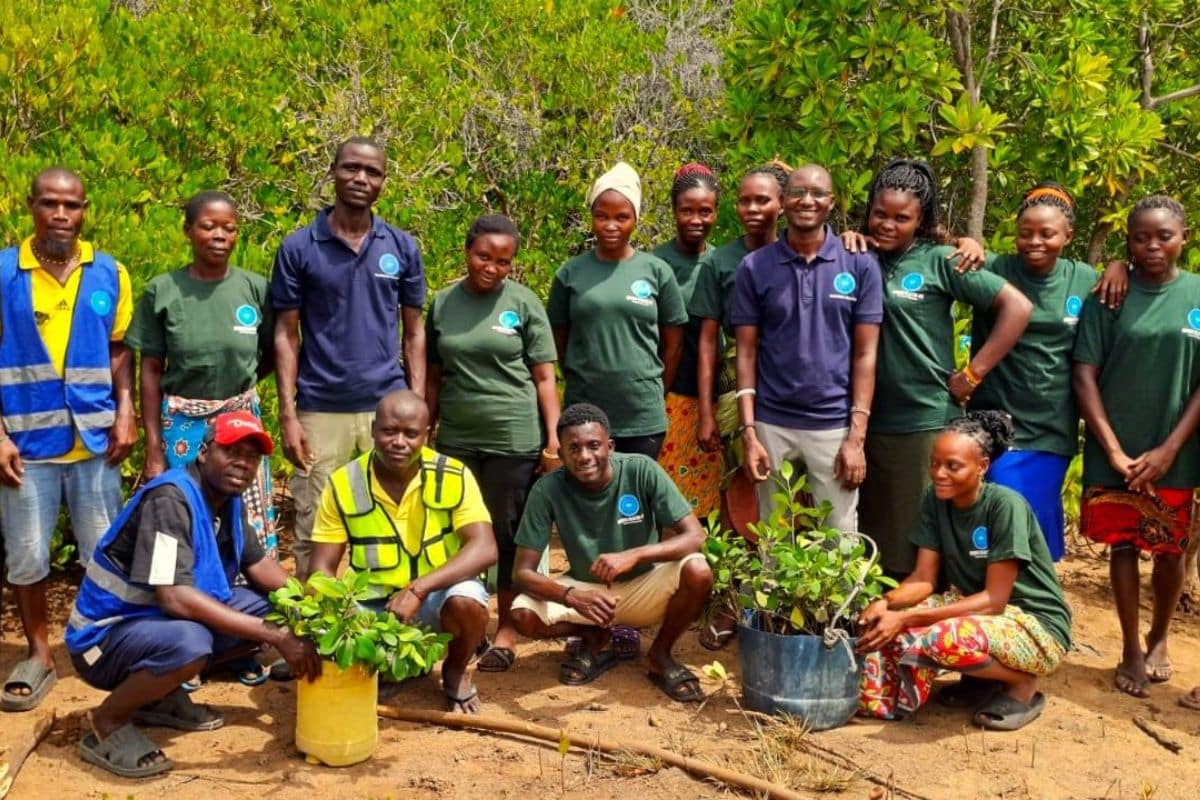
Mariners for Action team ready to plant Mangrove saplings. Credit: Mariners for Action
Rising from the Depths of Adversity
The story of MFA began in 2022 in Kilifi and Mombasa, where Linus, whose background lies in marine biology, witnessed firsthand the desperation of local fishers. He recounted how industrial bottom trawlers were decimating marine habitats and sweeping up fish stocks, leaving artisanal fishers with empty nets and forcing them toward illegal mangrove logging just to feed their families.
Mariners for Action emerged to break this cycle. Their vision fosters a future where biodiversity flourishes alongside sustainable livelihoods. By empowering coastal communities with skills and economic opportunities, they reduce dependency on exploitative practices and build resilience against environmental shifts.
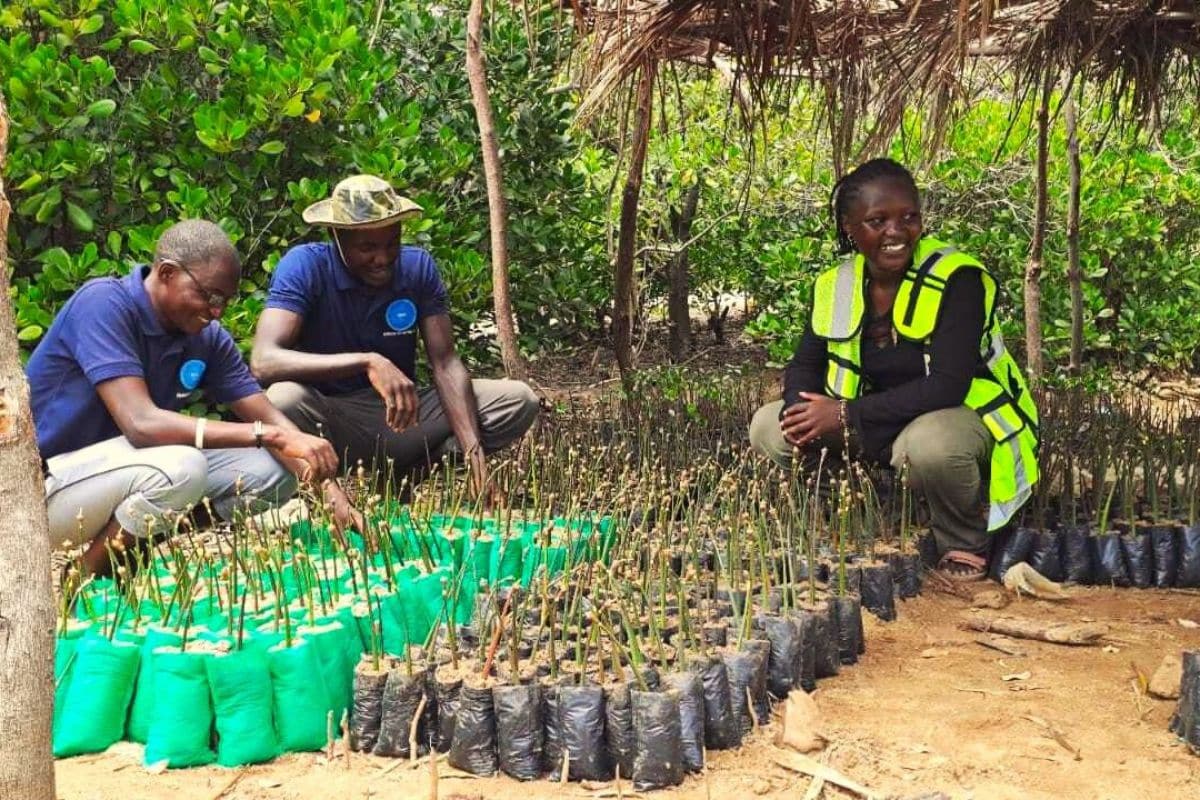
Mangrove Saplings Nursery. Credit: Mariners for Action
Safeguarding the Ancient Mariners: Sea Turtles
A central pillar of their work is the restoration of mangrove ecosystems, which serve as vital nesting sites for Sea Turtles, as well as safe havens for countless fish, and natural barriers against coastal erosion. The decline of these forests has a direct correlation to plummeting fish stocks; a relationship that local communities now clearly understand and are eager to repair. Therefore, their work exemplifies IUCN Guideline #5, i.e., “Rewilding is place-based and participatory”. Through MFA’s initiatives, community members actively engage in replanting efforts, carefully reversing habitat loss, with a vision of intact, resilient forests that support an abundance of life, both human and more-than-human.
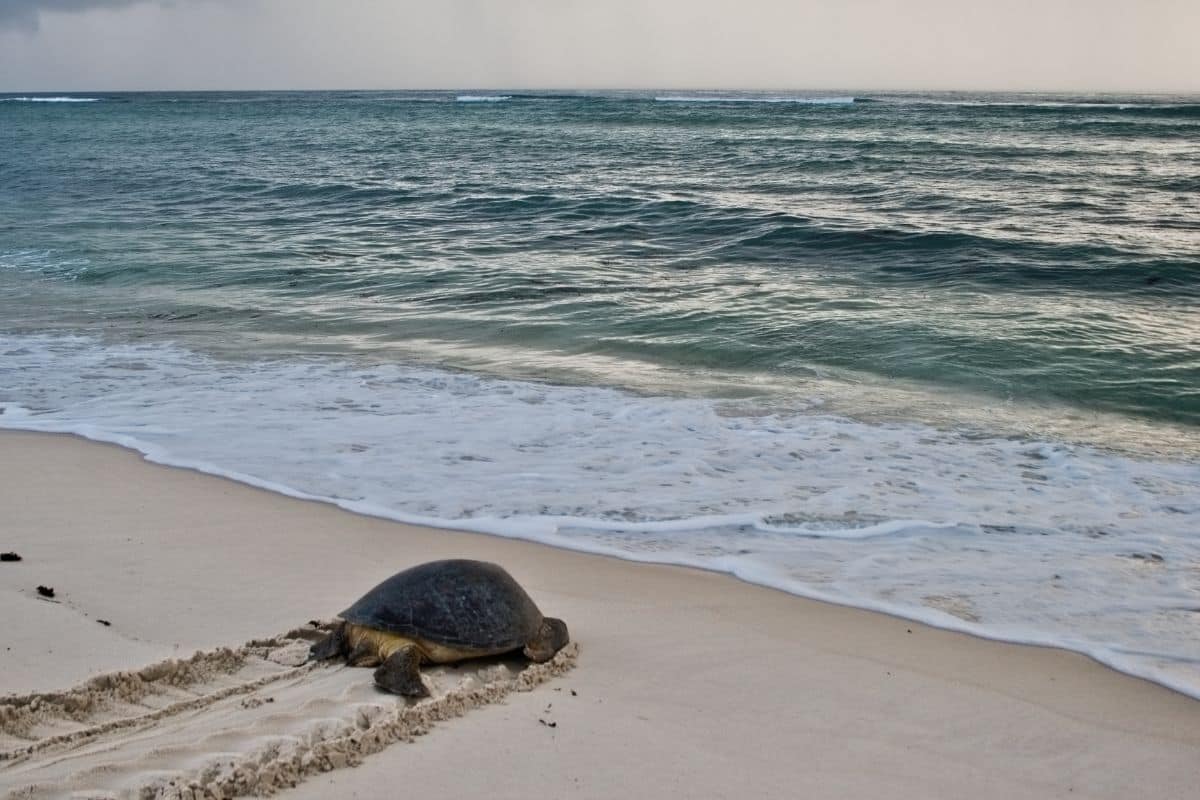
Sea turtle on the beach, Kenya. Credits: alexerich from Getty Images
This ecosystem-based approach extends to the protection of endangered marine life. The team monitors Sea Turtle nesting sites, which have been severely impacted by bottom trawling and poaching. MFA works to safeguard these species by combining scientific data collection with traditional knowledge, all while dispelling harmful myths and misconceptions about consuming Turtle meat.
Combating Plastic Pollution
The challenge of encouraging life in our oceans to rebound is unique, as the source of pollution often lies far from its impact. Linus notes that currents bring debris from upstream, meaning local efforts can feel arduous when over a tonne of plastic washes ashore in a single day (yes, sadly, this actually happened)! Yet, the MFA team approaches this with grit and systems-thinking.
Their Community Plastic Waste Recycling Initiative transforms this environmental hazard into an economic asset. By establishing recycling hubs and empowering waste pickers, primarily women and youth, beaches are cleared of hazardous waste while those involved generate income. This initiative creates a cleaner environment for marine life and provides a tangible benefit to the people. While this does not stop the source problem, MFA are creating opportunity from challenge, aligning the interests of people with those of our natural systems.
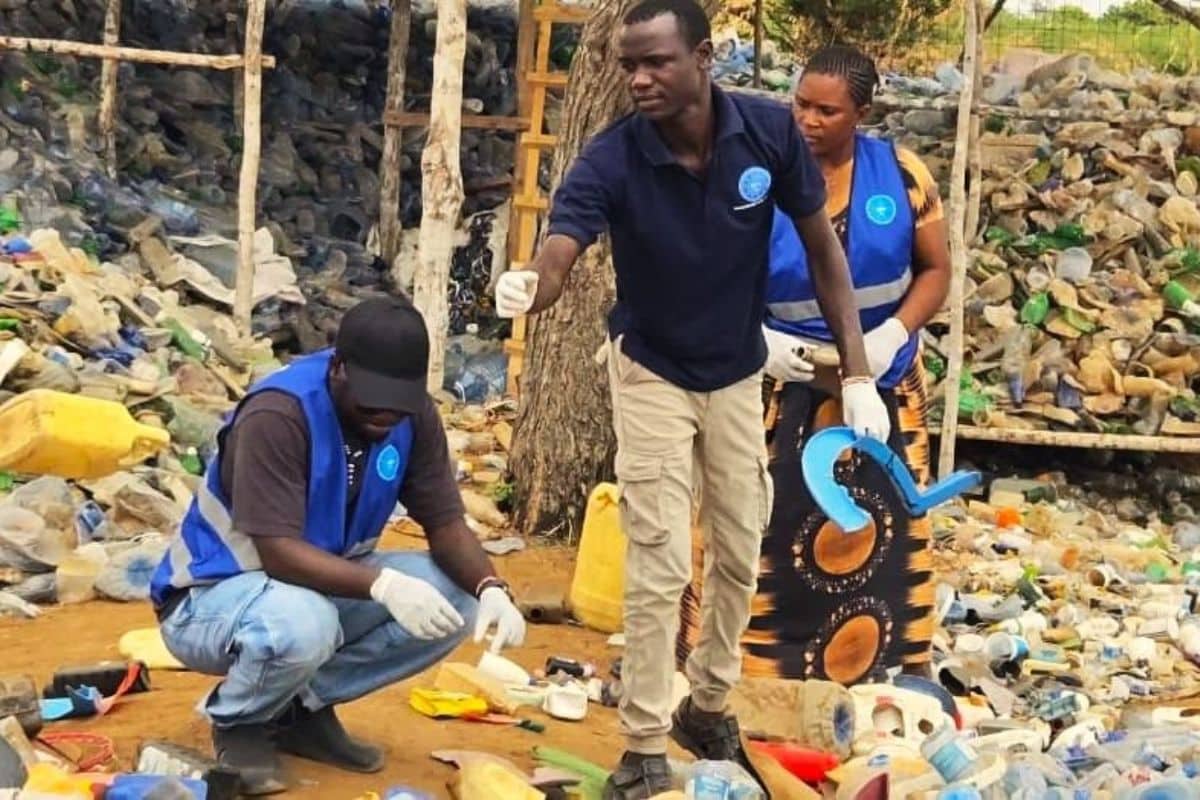
Community Plastic Waste Recycling Initiative. Credit: Mariners for Action
The Global Rewilding Alliance is proud to spotlight the work of Mariners for Action. Linus expressed that “all good things happen through teamwork,” and we are thrilled to facilitate knowledge exchange of science-based rewilding approaches that strengthen our network.
Together, we look forward to a future where the Kenyan coast thrives, teeming with life and safeguarded by the communities who call it home.