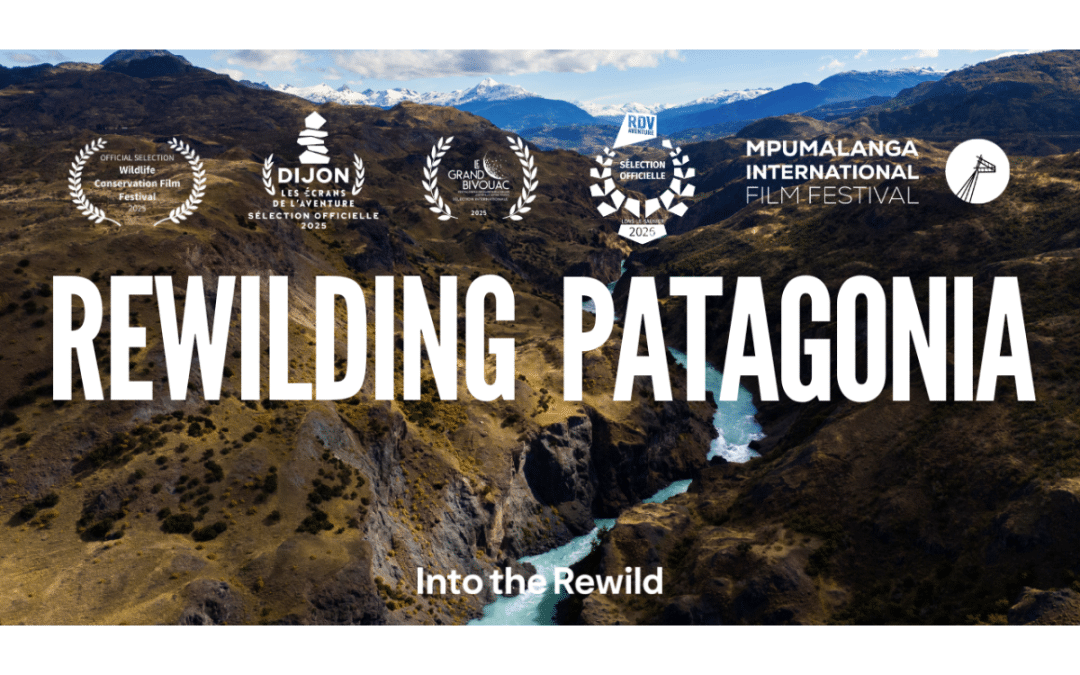
The documentary Rewilding Patagonia, available on Youtube, follows the landscape-scale transformation in the unique ecosystems of Chile and Argentina. Credits: Into the Rewild
We have more data than ever about the state of our planet. The IPCC reports are comprehensive, the science is clear, the urgency is tangible. So why aren’t more people taking action? How can we bring more people into our hopeful action-led movement?
One of the answers may lie in how we tell stories, according to filmmaker Arnaud Hiltzer, co-creator of Rewilding Patagonia and co-founder of Into the Rewild, and Dr Jonathan Mille, Research Fellow at UCL, Scientific Coordinator for the International Panel for Behaviour Change, co-author and scientific advisor of the film. In a recent session of the Global Rewilding Communicators Network, they opened up the thinking behind their documentary Rewilding Patagonia, the narrative choices they made, and how those choices are made to help unlock genuine engagement from audiences.
If you’re a communicator working in rewilding, conservation, or nature restoration, sign up to stay informed about upcoming meetings. Inspired topics are warmly welcomed. Get in touch if you’d like to be a guest speaker or suggest a topic.
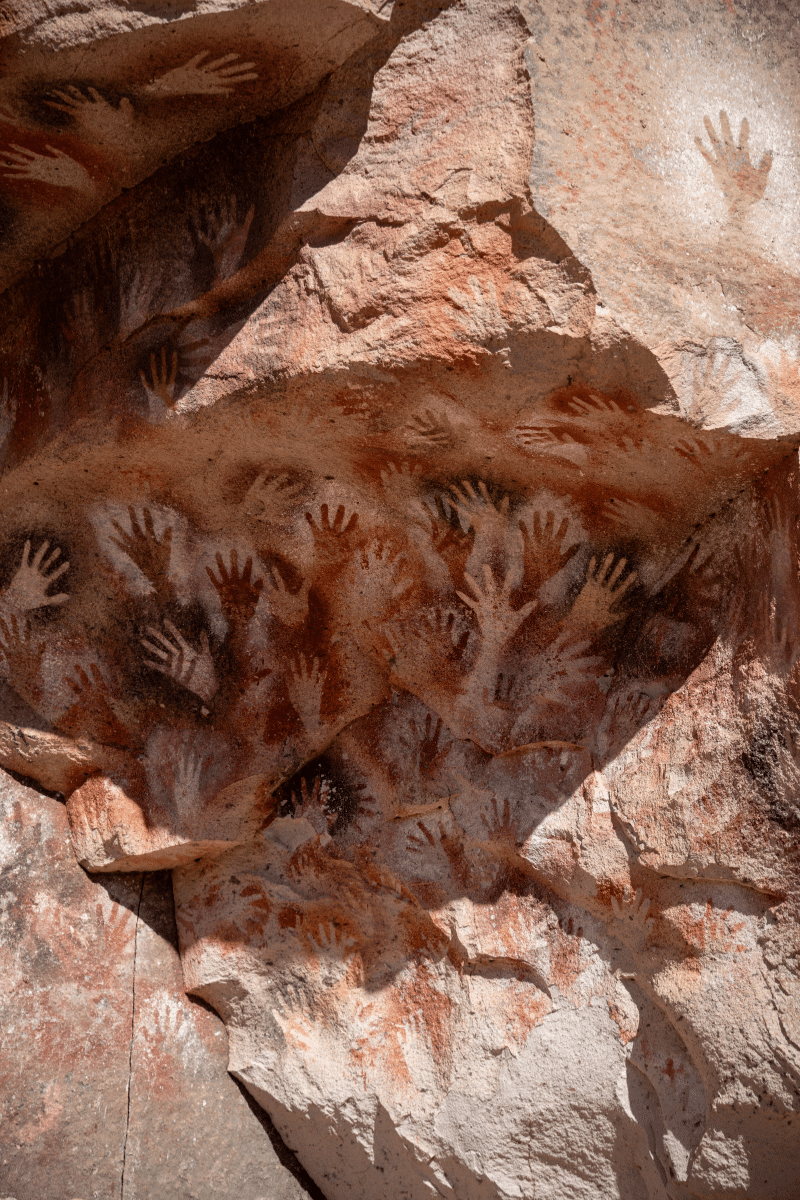
Behind the scenes of the film ‘Rewilding Patagonia’
In one of the most remarkable rewilding stories of our time, Douglas Tompkins, founder of The North Face and Esprit, and Kristine Tompkins, former CEO of Patagonia, decided to dedicate their lives to protecting and rewilding vast territories in Patagonia. Over 30 years, through the teams of Tompkins Conservation, and offspring organisations Rewilding Chile and Rewilding Argentina, they have enabled the creation and expansion of 17 national parks (and an additional one in the making) across Chile and Argentina, covering a total area of 7 million hectares, equivalent to the size of a country like Ireland.
By supporting nature recovery and the return of landscape-scale processes, their rewilding vision has fostered social connections, a new kind of economic activity – ‘the nature economy’ – and strengthened the local population’s sense of belonging. By offering local communities a renewed relationship with their ecosystems, national parks contribute to a long-term structural transformation of the interconnection between nature and people.
It is to witness, learn from, and be inspired by this effort that Arnaud Hiltzer and Aurélie Miquel set off on a journey into the heart of one of the world’s largest rewilding projects. The documentary quickly became dedicated to involving as many people as possible in the Tompkins’ success story, initiating a ripple effect of action.
To do so, the team assembled a scientific board, which Dr Jonathan Mille is part of, to combine insights of neuroscience, education sciences, and communication studies, with the aim to design a narrative that reaches far beyond a film’s usual audience and leave a wake of action.
From problem-based to action-based narratives
Insights from the UCL Climate Action Unit, where Jonathan works, turned a common belief on its head: actions drive beliefs, not the other way around. That means, instead of trying to convince people through moral urgency, we should focus on the tangible, visible actions people are already taking to create change.
In other words, platform and celebrate existing successes as a way to inspire more.
Moving away from a problem-focused narrative towards an action-based one, we can demonstrate possibility, instead of cataloguing harm. In order to do so, there needs to be a conscious choice to limit fear-based messaging. In particular, Jonathan warned us that emotionally-charged messaging can be tricky to navigate, using emotions as a trigger can be manipulative rather than conducive to long-term engagement and action. When people feel overwhelmed, emotional responses are hard to predict – withdrawal, denial, anger – and harder still to translate into constructive engagement.
The film puts the action-based principle into practice. For example, the film strategically ends with the start of Arnaud’s own family rewilding project: a 7-hectare site in Chamonix, where local communities and schools are invited, and feel inspired by the project. Not everyone can buy millions of hectares like the Tompkins, but many people can relate to what Arnaud, Aurélie and the team are doing. Ending the film on that practical note even inspired people from the audience to do the same.
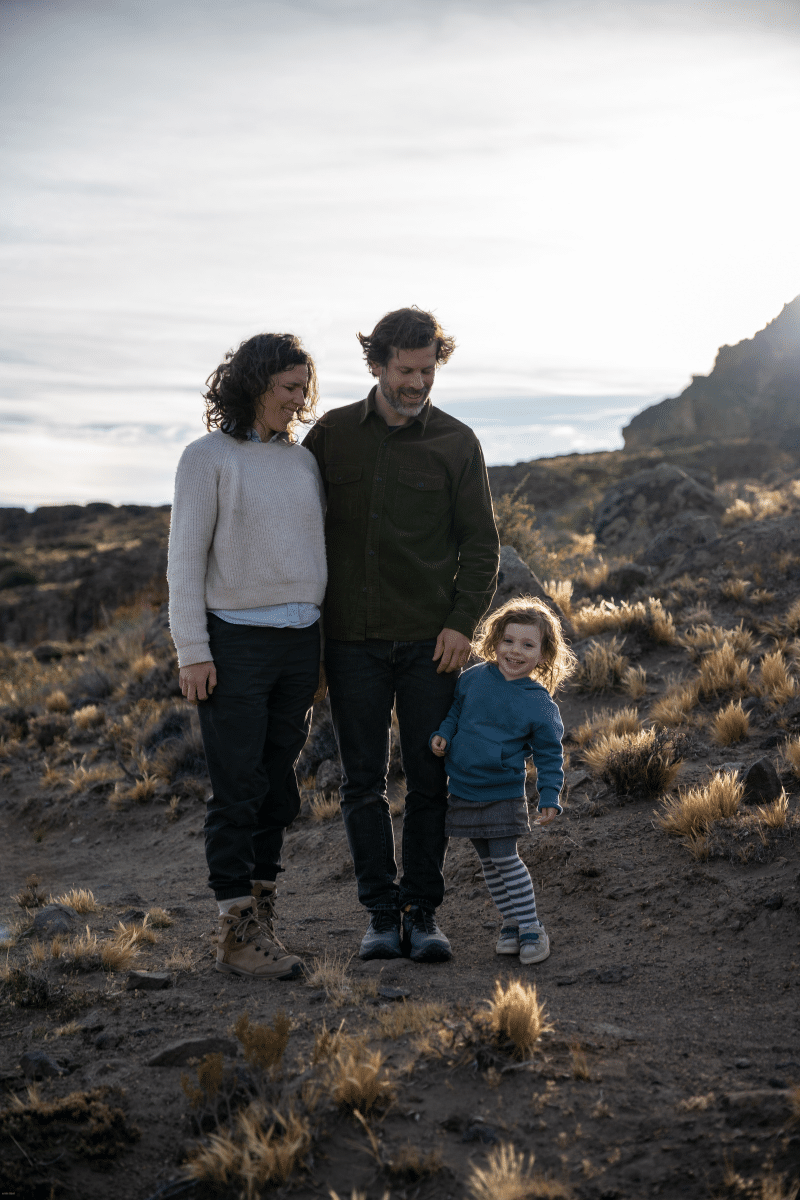
Bringing in a broad set of value systems to depolarise rewilding
One of the most striking outcomes of the film has been the quality of conversations it generates. After screenings, discussions tend to be calm, curious, and constructive, notably free of the ideological friction that so often surrounds environmental topics.
From our point of view, this is not accidental.
Adding insights from neurosciences helped to speak to a broad set of values. In avoiding politicised polars, the film called to values that run deeper, with entry points like: being safe from flooding and drought, breathing fresh air, feeding our family, and enjoying beautiful scenery. Throughout the film, scientists and rewilders are joined by local economic actors, communities,farmers and landowners. The film speaks to everyone and shifts the conversation from controversy to – again – possibility. Flip the frame, and you reach people who would otherwise tune out.
Rewilding is as much about people as it is about wildlife. Culture is key. Local communities are the guardians.
Arnaud Hiltzer, film director of Rewilding Patagonia
Learning is an ecosystem, not a linear path
Big change does not happen in a straight line. Movements function more like ecosystems, where different parts resonate with different people, and their actions weave together to create a wave of positive change. The choice to include multiple communities and economic sectors in the documentary was rooted in this understanding. The aim, as Jonathan noted, was to tell an interlocking story about change, rather than a single heroic arc. Crucially, the film does not position any single group as the problem. Instead, everyone is shown as a potential changemaker.
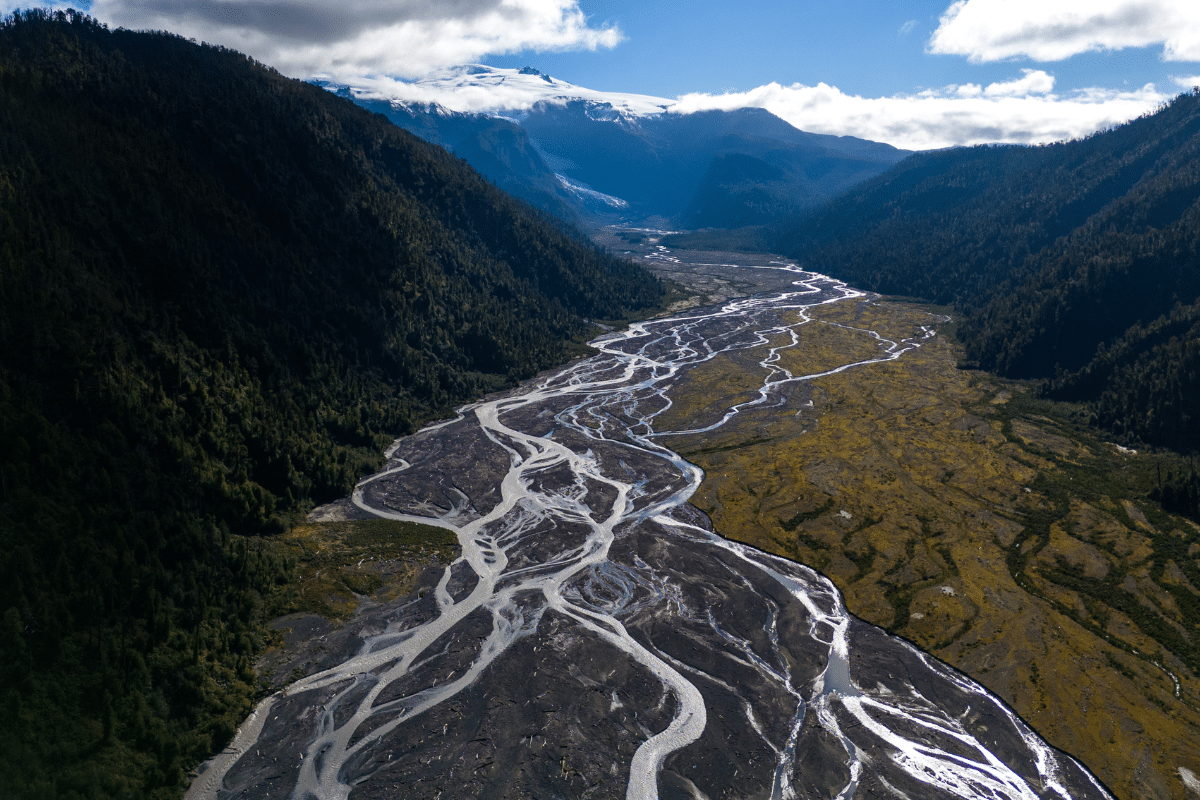
Aerial view of the Michinmahuida glacial valley. In the background, the glacier rests on one of the two active volcanoes of Pumalin Douglas Tompkins National Park. Credit: Into the Rewild
Key takeaways for rewilding communicators
The excitement in the network call chat was palpable. Here are the practical principles the UCL Climate Action Unit and Jonathan left communicators with:
- Switch from problem to action. Structure stories around what people are doing, not what is being lost. Visible action of others creates legitimacy.
- Possibility instead of fear-based messaging. Demonstrating the potential of our movement is more conducive to positive change than fear. Encouragement over threats.
- Broaden your cast of characters. When local actors of different backgrounds are included and spotlighted, the audience can tangibly see themselves acting.
- Frame rewilding through multiple value systems. Security, health, economic resilience, cultural identity, reach people through what matters to most of us.
- Think in layers. Day-to-day content, short films, and long-form documentaries each play a different role. Build an ecosystem of storytelling that pulls people into an ongoing journey. It is the -ing in rewilding.
The way we tell stories about nature recovery is itself a form of positive action. Done well, it shifts what people believe is possible, and with it, what they’re willing to do. Rewilding is a story of hope into action. We can all be rewilders at our own scale.
A huge thank you to Arnaud and Jonathan for joining us. We encourage you to keep your eye on their work as they release more of their storytelling and underlying research to the world!
The Global Rewilding Communicators Network meets every three months. Sign up to stay informed.
Learn more about Into the Rewild and watch Rewilding Patagonia at intotherewild.org.
Learn more about Climate Action Unit – Neurosciences
Connect with Arnaud and Jonathan on LinkedIn.
Why action-based storytelling matters for systemic change, World Economic Forum, April 2026

About the Global Rewilding Alliance
The Global Rewilding Alliance is a worldwide organisation catalysing the rewilding movement through a network of over 300 partners working across every continent. By aligning our efforts globally, we amplify our collective impact, mainstreaming rewilding in science, policy and practice. Through the Global Rewilding Communicators Network, we connect and support rewilding communicators worldwide, foster collaboration, and learn from each other, so together, we can amplify the rewilding message, inspire more people, and build momentum for systemic change.