

Tortoise. Credit: Greenhood Nepal
Greenhood Nepal is a science-driven conservation organisation that stands today as a formidable guardian of Nepal’s unique and rich biodiversity. From Pangolins to Orchids, Yew trees to Freshwater Turtles and Tortoises, Greenhood Nepal’s work prioritises lesser-known species in conservation research, policy, and action. They recognise that the web of life relies just as heavily on the small, the silent, and the stationary, like the Orchids. Their work is deeply involved with local community education, from children’s books to planting programs. They bridge the gap between academic science and on-the-ground reality, ensuring that policies are informed by evidence and implemented with compassion. As they continue to protect overlooked species and mentor the next generation of stewards, they inspire a wilder and more harmonious future for all.
Lily Tomlin – American actress and comedian – famously said, “I said, ‘Somebody should do something about that.’ Then I realised I am somebody.” In 2012, a group of university students in Kathmandu, Nepal, felt a profound sense of urgency regarding the disappearance of their natural heritage. Fueled by deep-seated outrage over the poaching of one-horned Rhinos, the youth rallied together to hold their nation’s leadership accountable and demanded stronger protection for the country’s wildlife. This student-led initiative has since matured into Greenhood Nepal, a science-driven conservation organisation that stands today as a formidable guardian of Nepal’s unique and rich biodiversity.
From Pangolins to Orchids, Yew trees to Freshwater Turtles and Tortoises, Greenhood Nepal’s work prioritises lesser-known species in conservation research, policy, and action. Their focus spans from Nepal’s Bears and Rhinos, to the Tree Ferns, Caterpillar Fungus, and Birds.
Caring for the Plant World
While global attention often gravitates toward charismatic megafauna, Greenhood Nepal recognises that the web of life relies just as heavily on the small, the silent, and the stationary. A prime example of this philosophy is their dedicated work with Orchids, which Greenhood’s Research and Program Lead, Reshu Bashyal, highlighted as a genuine passion of hers while talking to our team.
Nepal hosts nearly 500 species of these delicate flowers, yet they face an onslaught of illegal harvesting for traditional medicine and horticulture. Therefore, Greenhood Nepal conducts rigorous trade research and market monitoring. They discovered that traders often disguise rare Orchids like Pleione praecox as common ferns to bypass customs, exploiting a lack of botanical literacy among enforcement officials. By publishing identification guides focusing on trade parts and engaging with local communities, they are lifting the veil of invisibility that has allowed this exploitation to persist. They are educating children through illustrative storybooks like “The Monkey Flower” and empowering local forest dwellers to recognise the value of the blooms hanging from their trees, transforming indifference into pride and stewardship.
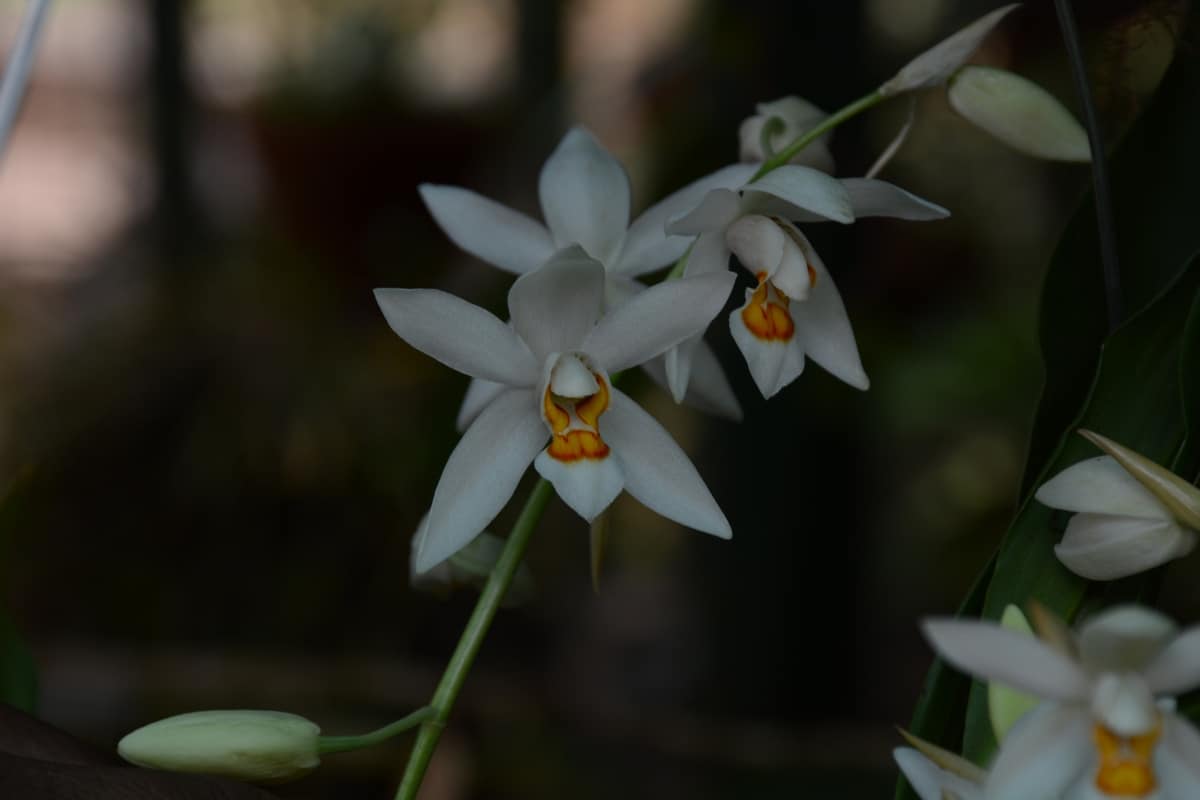
Orchid. Credit: Greenhood Nepal
This commitment to the botanical world extends to the Maire’s Yew, a slow-growing tree prized for its leaves, which contain taxol, a compound used in cancer treatment. The high market demand led to rampant overharvesting, pushing the species to the brink in its ancient ranges. To counter this, Greenhood Nepal collaborates with nurseries and Community Forest User Groups in the Kavrepalanchok district to develop a sustainable path forward.
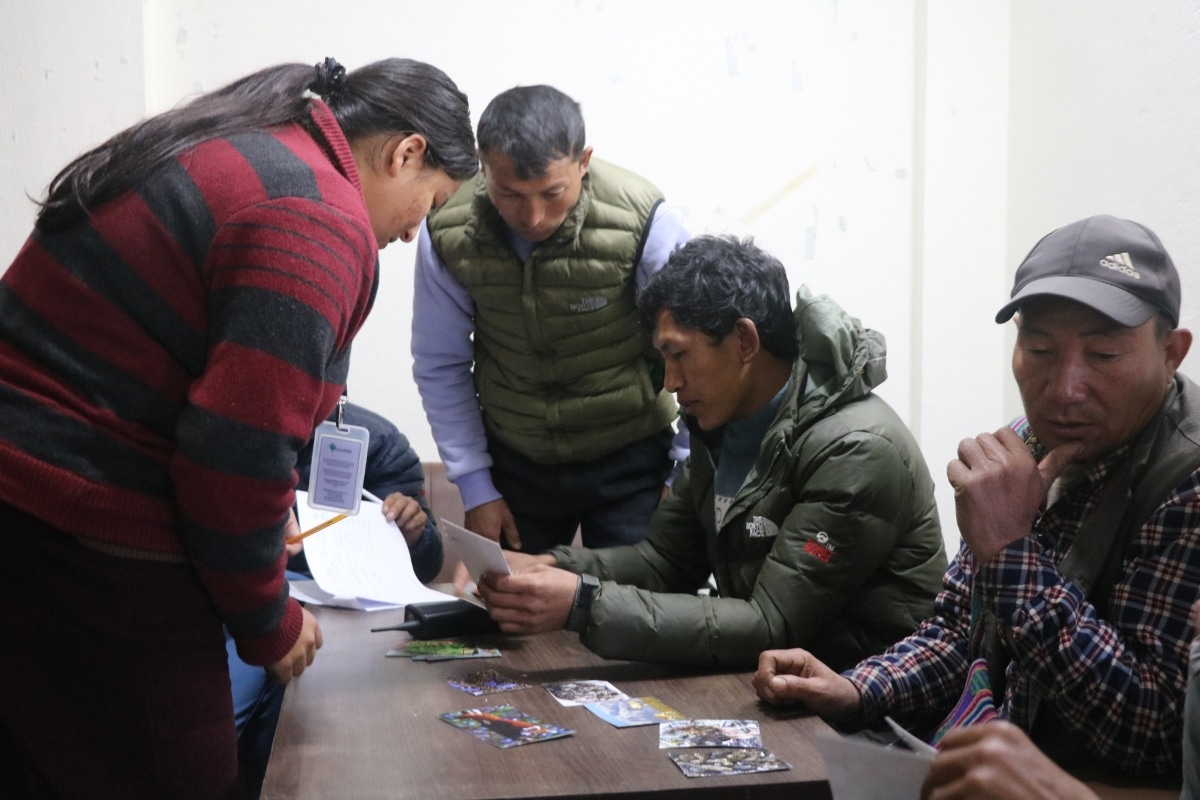
Training communities in species identification. Credit: Greenhood Nepal
Through a recent recovery initiative, the team worked alongside locals to plant over 1,000 genetically diverse yew saplings and stem cuttings in their native habitat. By developing a “Yew Plantation Toolkit” and training nursery owners in improved propagation techniques, they have equipped the local people with the tools to become the primary custodians of this precious resource. It is a model of nature recovery that respects both the ecological needs of the species and the economic realities of the people living alongside them.

Yew. Credit: Greenhood Nepal
The Nuances of Wildlife Crime Control
Greenhood Nepal distinguishes itself through its focus on the human element of nature protection. Their approach is rooted in the belief that lasting solutions must be equitable and just. This ethos led to a groundbreaking study where their researchers visited prisons across Nepal to interview individuals incarcerated for wildlife crimes. Rather than viewing these individuals solely as offenders, the researchers sought to understand the drivers behind their actions. The findings challenged the simplistic narrative that poverty alone drives poaching. They revealed that many were motivated by the ease of the crime and a lack of understanding regarding the severe personal and social consequences. This insight shifted the focus from purely militarised enforcement to behaviour change and targeted awareness. The team produced folk songs and videos that resonate with indigenous communities, using culture and music to convey the risks of illegal trade and the value of protecting wildlife.
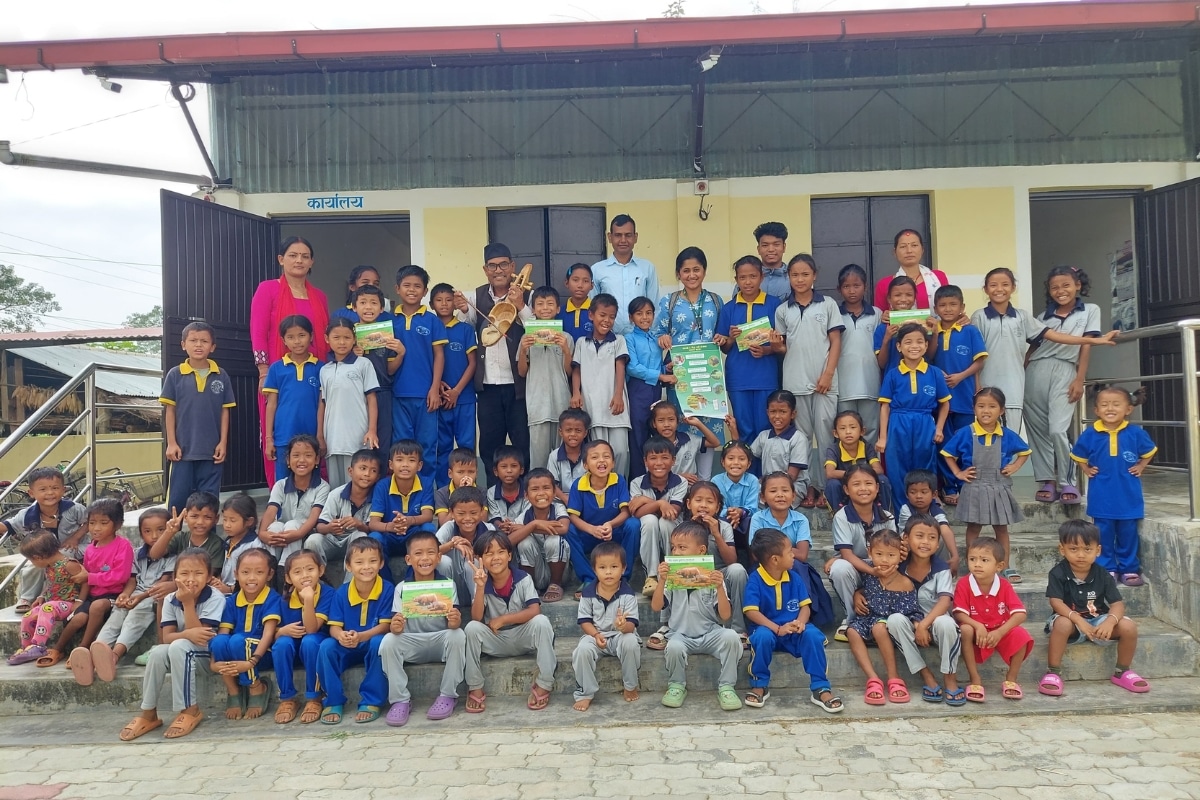
Traditional music for conservation. Credit: Greenhood Nepal
This pursuit of justice also extends to the highest levels of society. Greenhood Nepal’s founder, Kumar Paudel, spearheaded a legal battle against the double standards in law enforcement, where marginalised communities faced harsh penalties while the elite openly displayed (illegally traded) wildlife trophies. This determined advocacy resulted in a Supreme Court ruling in 2023, ordering the government to seize illegal private collections and ending the culture of impunity for wealthy collectors, a landmark victory!
Safeguarding the Pangolin and Beyond
Among the creatures benefiting from this holistic approach is the Pangolin, the world’s most trafficked mammal. Pangolins act as crucial ecosystem gardeners by excavating burrows to aerate soil and shelter other wildlife, breaking down organic matter to cycle nutrients, and serving as potent pest controllers by consuming millions of insects yearly. Once a common sight in the backyards of rural Nepal, these shy, scaly animals have vanished from many areas due to the demand for their meat and scales. Greenhood Nepal has become a leading voice for Pangolins in Nepal and the wider South Asia, moving them from the sidelines to the centre of national policy discussions. They established the “Pangolin Roundtable,” a platform that brings together experts, policymakers, and community leaders to strategise on protection measures.
Their work highlights that protecting a species requires understanding the complex supply chains that threaten it, from the forest floor in Nepal to the markets in foreign nations. This vigilance extends to the digital realm, where Greenhood monitors online trade in wildlife, ranging from exotic pets to the highly valued Caterpillar Fungus. Their research indicates that as physical markets face scrutiny, traffickers are shifting to social media and digital payment systems, necessitating a modern and adaptive response from defenders of wild nature.
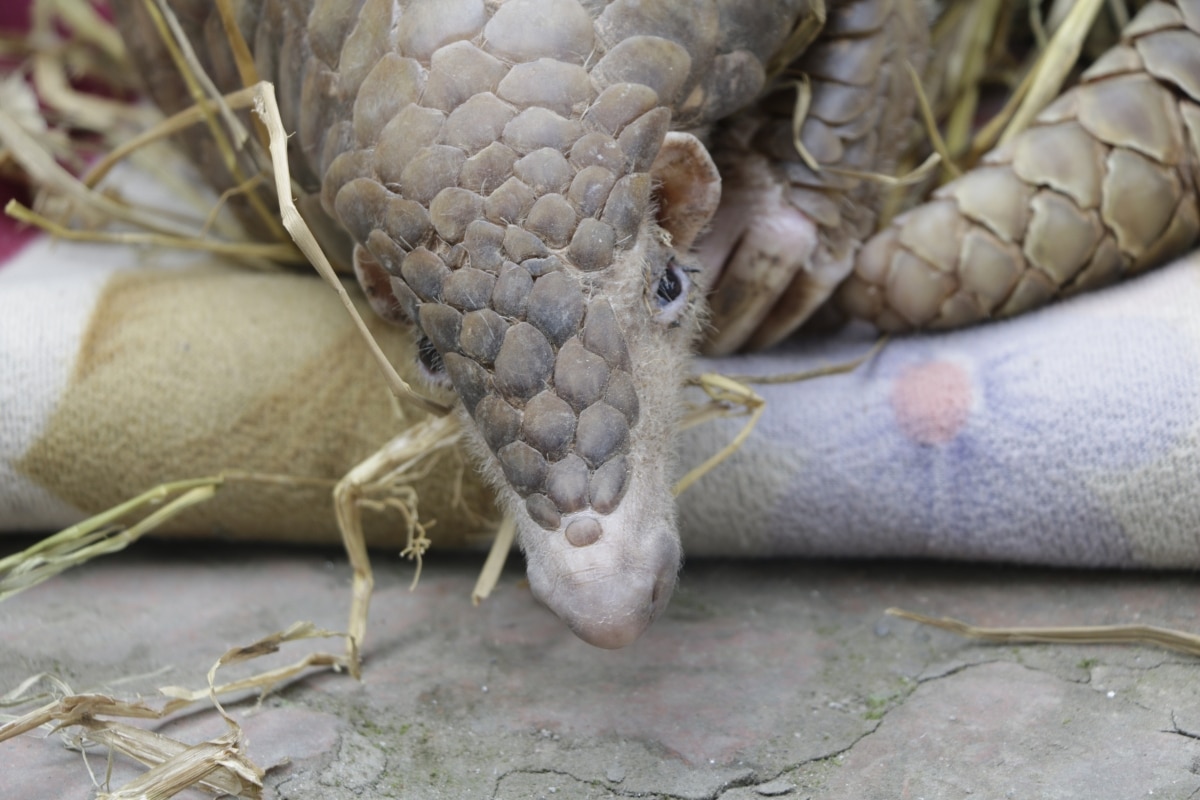
Pangolin. Credit: Greenhood Nepal
As they look to the future, Greenhood Nepal stands as a beacon of practical hope in South Asia. They bridge the gap between academic science and on-the-ground reality, ensuring that policies are informed by evidence and implemented with compassion. The Global Rewilding Alliance is immensely proud to have Greenhood Nepal as an Alliance Partner. As they continue to protect overlooked species and mentor the next generation of stewards, they inspire a wilder and more harmonious future for all.
Learn more about Greenhood Nepal’s inspiring work on their website.

About the Global Rewilding Alliance
The Global Rewilding Alliance brings together over 300 organisations across every continent to catalyse a worldwide movement for nature’s recovery. We accelerate learning, convene evidence, and share the successes and benefits of rewilding —inspiring more organisations to rewild and unlocking new resources for rewilding. Learn more about our work.