
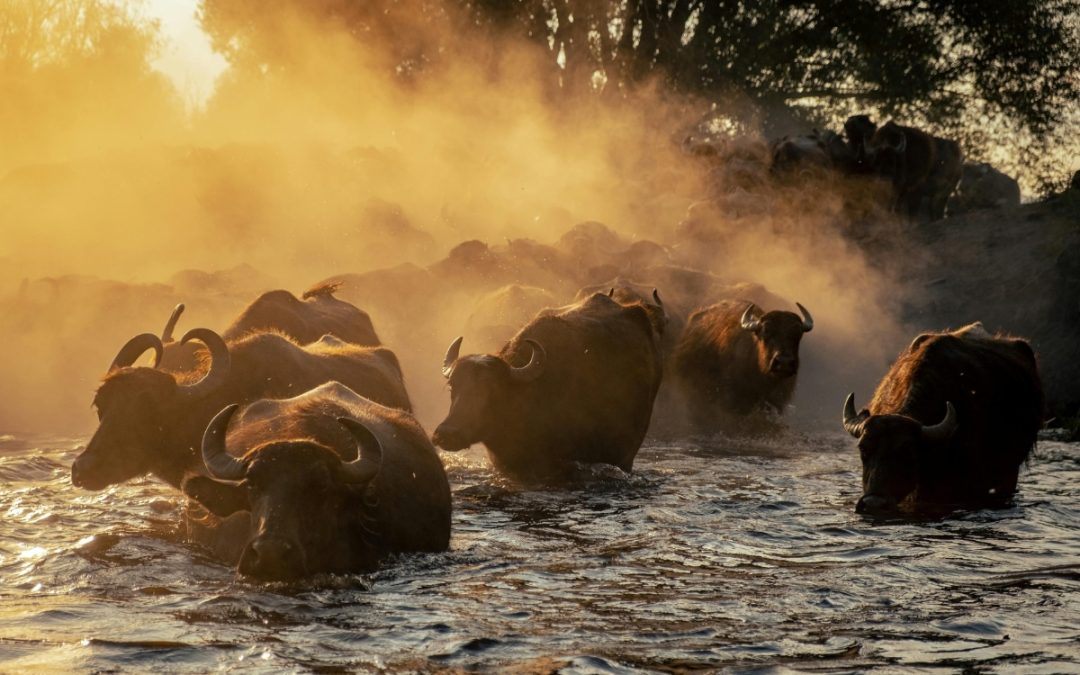
A herd of Buffalo wallowing at dusk. Photo credits: Zeynep Sude Emek from Pexels
An article co-authored by Karl Wagner, Jennifer Gooden, Magnus Sylvén, Adrian Cullis
Progress toward big challenges, like protecting rangelands and the pastoralists who use them, can be strengthened by finding partners who share common ground. We think this is the case with the pastoralism and conservation communities. In essence these communities have much in common, but in practice they have remained separate and therefore unable to achieve the protection of large, unfragmented landscapes. This is exacerbated by short-sighted perceptions:
- Conservation practitioners tend to see domestic livestock, especially in managed herds, as an intrusion into the natural ecosystem. Sadly, many conservation practitioners would rather see a grassland absent all large herbivores than a grassland grazed by pastoralists’ herds.
- Pastoralists – for cultural and subsistence reasons – prize a “bigger is better” approach to herds, seeking to maximize the animal numbers to enhance livelihood stability in fragile environments. This can result in oversized populations of domesticated animals and add another driver of land degradation.
In reality, it’s not either-or but rather a matter of finding an optimal balance of multiple land uses. This includes recognizing that livestock can cover some, perhaps many (but not all!), of the ecological functions of wild animals. For example, cattle and bison are both bovines and both increase the bioavailability of soil nitrogen for microorganisms and plants through excretion of dung and urine.

North American Bison herd graze vast rangelands. Photo credits: We Care Wild from Pexels.
However, wild bison must face predators, extreme weather, and food shortages, which keeps their population numbers within the ecosystem’s carrying capacity. Managed herds of cattle don’t face these risks to the same degree, and are also more selective in their grazing, resulting in a loss of rangeland biodiversity over time. Furthermore, when pastoralists and ranchers manage cattle herds more commercially, there’s often an increased risk of poorer grazing practices and accelerated rangeland degradation.
If we can zoom out and look at grasslands as socioecological systems, there are many things we might agree on:
- Human civilization has seriously degraded earth’s ecosystems, leaving less than 3% that could be considered fully functional.
- The more functional an ecosystem, the greater its ability to provide the goods and services that rural and urban communities need for their survival, wellbeing and prosperity – provided they are given access.
- The human population stands at 8 billion and counting, growing in numbers as well as in demand for natural resources.Yet we live on a finite planet, and natural resources are limited.
- We are in a systemic crisis, and we must identify and implement systemic solutions. This requires systemic, holistic thinking. Problems can no longer be seen or solved in isolated silos.
- As a pragmatic consequence, natural resource management must pursue multifaceted objectives. It needs to address not only harvests but also the functionality and long-term resilience of ecosystems.
There’s one more unifying but lesser-known fact: wild animals can repair and enhance an ecosystem’s functionality. Wild animal impacts on ecosystem processes benefit pastoralists, too. Left wild, they can help with nutrient cycling, carbon capture, invasive species control, flood control, and water purification. One can think of non-management of wildlife as a management tool for grazing.
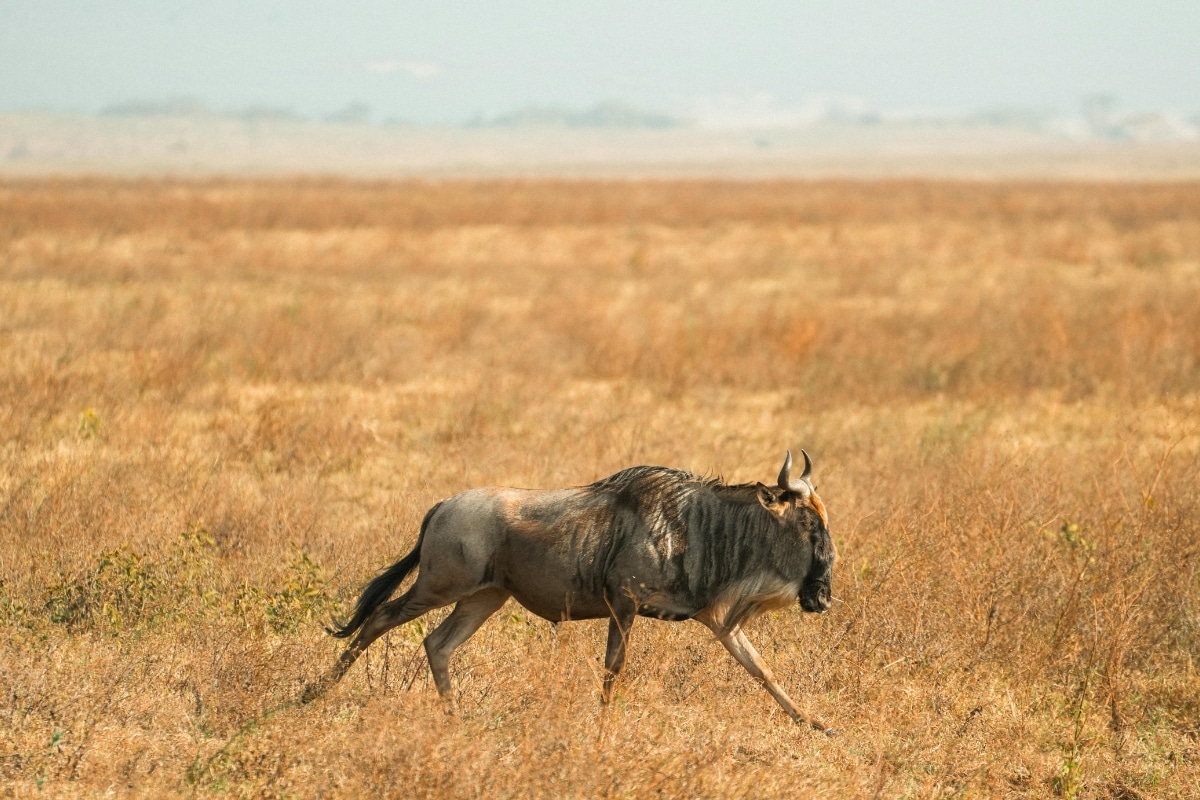
Wildebeest in the Tanzanian Savanna. Photo credits: Alex Ning from Pexels.
Wild animals are not mere bystanders in the face of environmental change. Like climatic factors, such as temperature, precipitation, and ocean currents, wild animals affect the web of life, actively shaping the spaces in which they live.
Animals large and small, wild or domestic, have been found to both directly and indirectly play an intricate role in the water regulation on rangelands, the ecohydrology, ranging from micro-perturbations to the macro-perturbation commonly described as ecosystem engineering. Examples of large mammals having a positive impact on wetlands in rangelands include:
- Wild species: elephants, hippos, African buffalo, tapirs, beavers, muskrats, and geese
- Domestic species: water buffalo, cattle, and horses
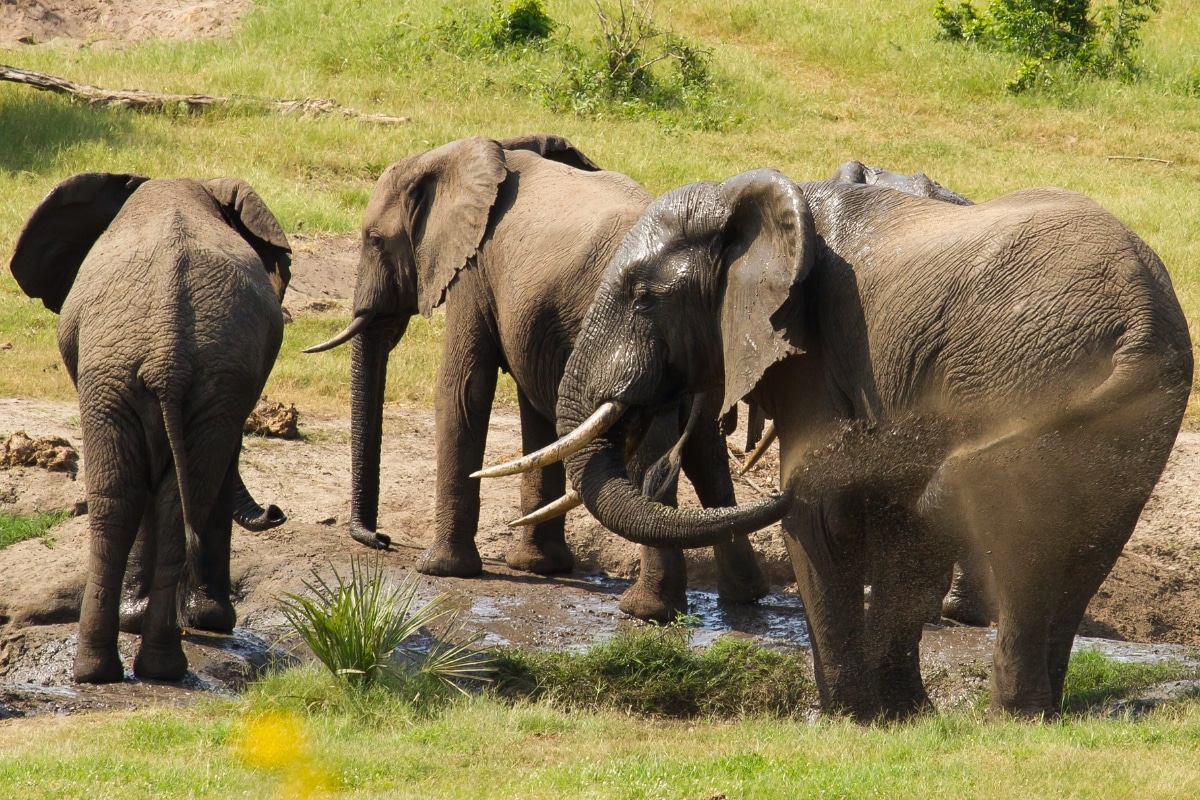
Elephants wallowing. Photo credits: IainStych from Getty Images.
All these species spend time both on land and in water, connecting terrestrial with aquatic ecosystems, affecting particularly the supporting services, such as nutrient cycling, ecosystem productivity, sediment/soil formation, seed dispersal, biodiversity, food webs and trophic cascading, water distribution and flow, as well as ecosystem heterogeneity. More detailed information is provided in the following two publications Taking animals into Account: The Critical Role of Wild Animals in Shaping Wetland Ecosystems and the Services they Provide, A Report to the Ramsar Convention on Wetlands – global outlook (February 2025) and Africa Special Report (July 2025). Further information on our work for Wetlands.
What wild animals need
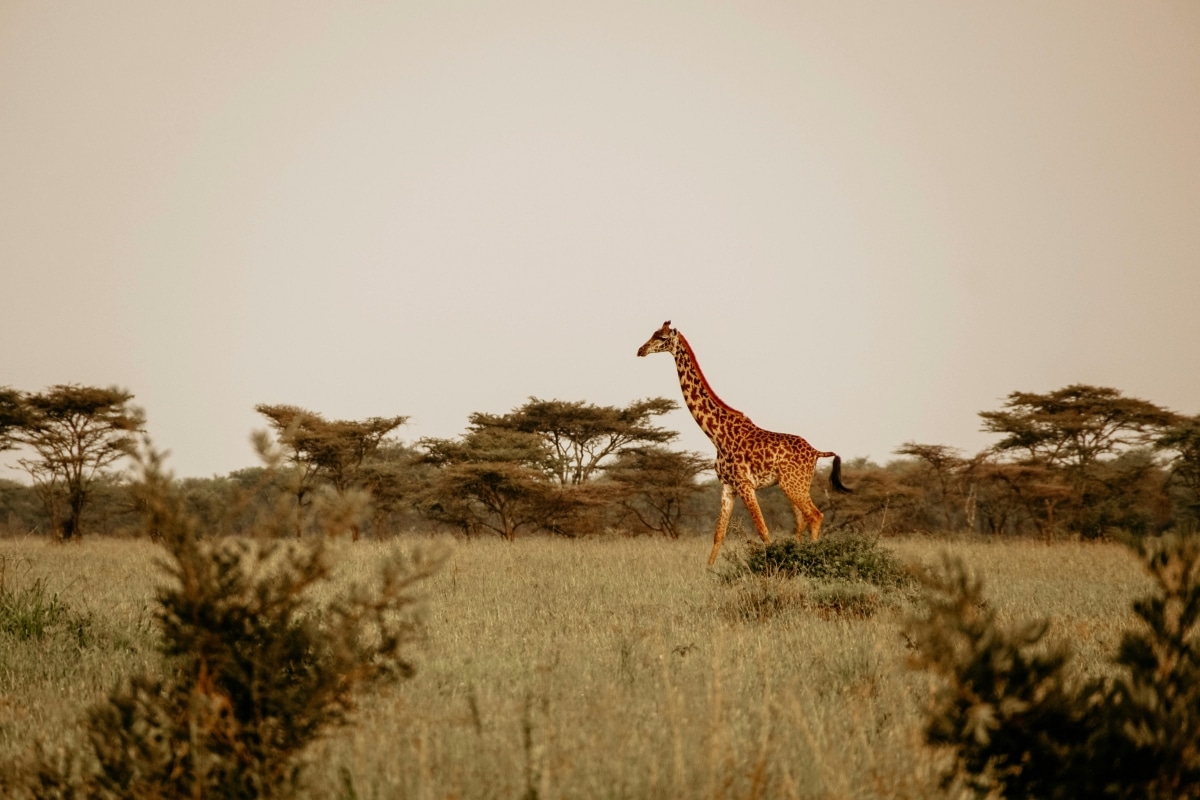
Giraffe Walking in the African Savannah. Photo credits: Eva Purrer from Pexels.
- Space: In the face of rapid population declines, wildlife needs recovery areas sufficiently large for populations to flourish.
- Complete food webs: Functional ecosystems require a complete food web, including predators.
- Ecosystem engineers: Some species significantly modify their environments, creating space for many other species to flourish. Animals like beavers, elephants, and prairie dogs all play outsized roles in positively shaping the land and water around them.
The good news is with a few adaptations, pastoralist practices can be tools for land restoration. Holistic and regenerative grazing practices can build soil organic matter, increase water retention, sequester carbon, conserve biodiversity, and reduce the spread of invasive species. Similarly, community wildlife conservancies in Africa are another example of management practices that have resulted in a significant comeback of wildlife across large areas of Africa at the same time as providing new economic opportunities for people.
Let’s join the forces of the pastoralism and conservation communities to protect the large landscapes through which abundant wildlife and nomadic pastoralists have migrated since time immemorial.
The authors
This article was co-authored by:
Karl Wagner, Director, Campaigns, Global Rewilding Alliance
Jennifer Gooden, President/CEO, Biophilia Foundation
Magnus Sylvén, Director, Science-Policy-Practice, Global Rewilding Alliance
Adrian Cullis, Co-Chair, International Year of Rangelands and Pastoralism (IYRP) 2026, Pastoralists and Water Working Group
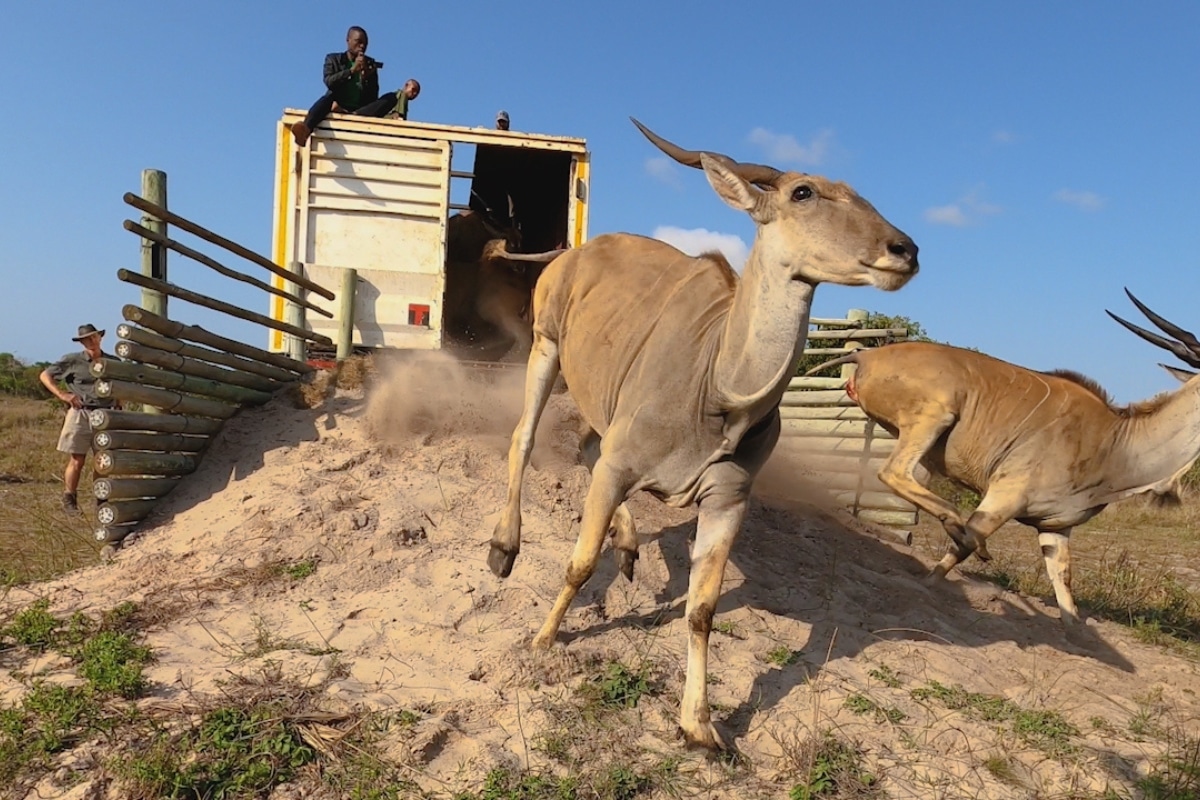
Eland Relocation. Photo credit: Peace Parks Foundation.