
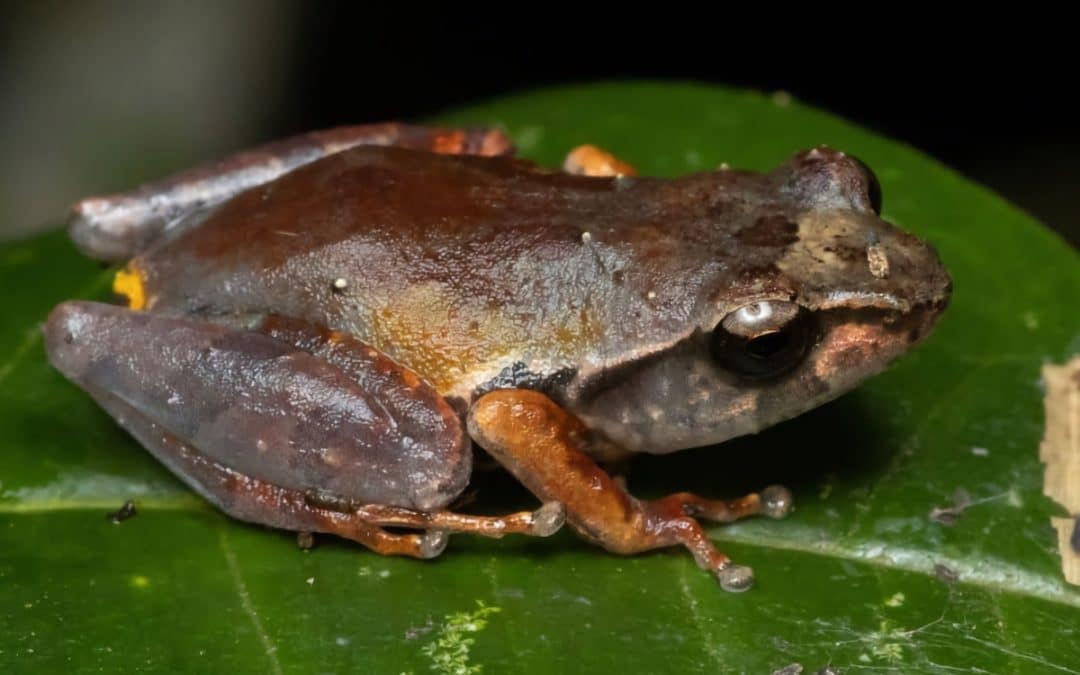
Credit: WNPS PLANT
Preserving Land and Nature (PLANT) is a pioneering ecosystem restoration initiative in Sri Lanka, established in 2020 by the Wildlife and Nature Protection Society (WNPS), one of the world’s oldest conservation organisations. PLANT focuses on reconnecting fragmented forests in Sri Lanka’s endemic-rich southwestern Wet Zone by creating private, community-supported forest corridors. Through its Emerald Trails network, PLANT has secured over 2,500 acres, built 50+ km of corridors across 34 sites, and protected habitat for more than 1,300 species. Guided by science and partnerships, PLANT restores functional ecosystems, supports local livelihoods, and enables wildlife movement to strengthen biodiversity, climate resilience, and human–nature coexistence.
The Global Rewilding Alliance is delighted to welcome Preserving Land and Nature (Guarantee) Ltd, also known as PLANT, into our expanding global network!
PLANT is the pioneering ecosystem restoration and protection initiative established in 2020 by the Wildlife and Nature Protection Society (WNPS).
The WNPS brings a powerful legacy to this partnership – established in 1894 and recognised as the third-oldest society of its kind worldwide, and is Sri Lanka’s largest and most active wildlife conservation entity.
Connectivity is a central element to rewilding at landscape-scale; it is the vital process of linking fragmented natural areas with corridors to allow wildlife to move, migrate, and adapt. Corridors restore natural processes, boost biodiversity, build climate resilience, and importantly, connect people to nature. WNPS PLANT is bringing connectivity back to Sri Lanka’s unique ecosystems with singular emphasis on the endemic-rich southwestern regions.
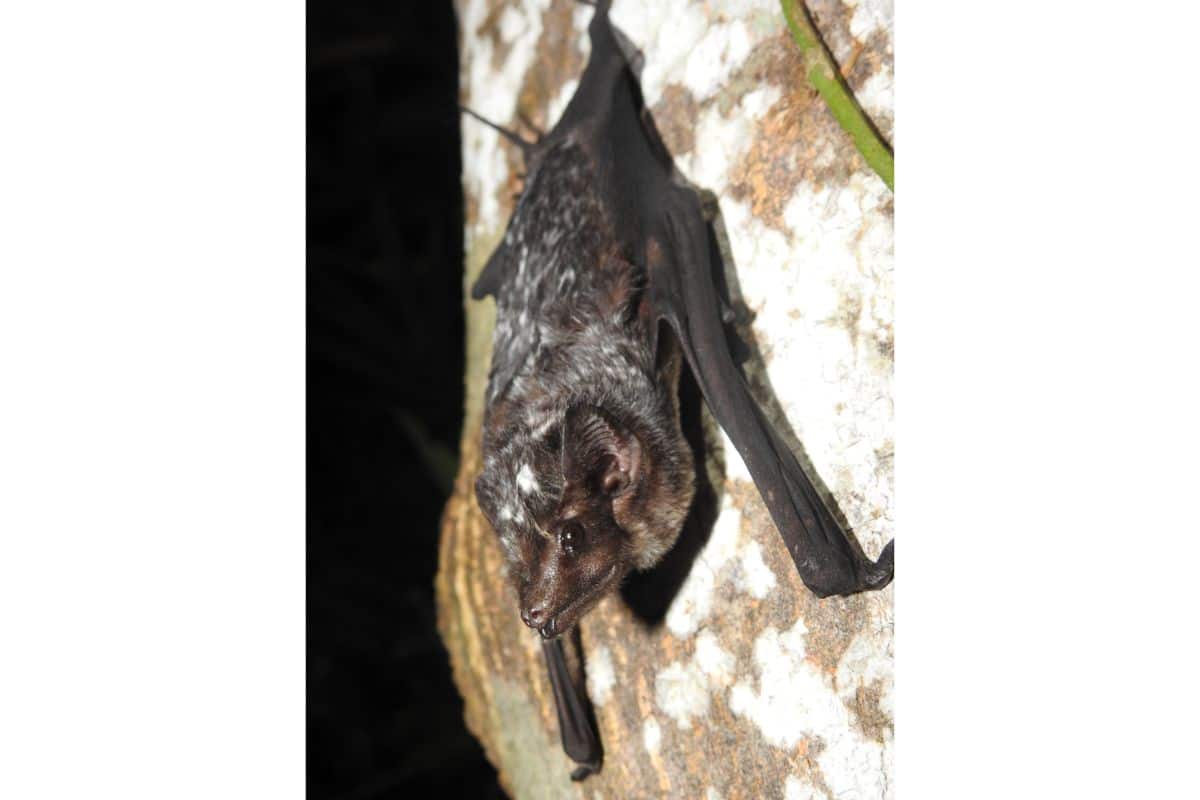
PLANT rediscovered a new colony of the Pouched Tomb Bat, a critically endangered species, safely inhabiting the protected Aranaya and Nisarga forests (previously missing for 75 years!). Credit: WNPS PLANT
Private Land, Public Legacy: Protecting Endemic Life Outside State Reserves
PLANT’s core mission is to create uninterrupted or reasonably connected corridors of protected natural spaces and forest ecosystems across the southwestern regions of Sri Lanka, with a primary aim to protect the nation’s unique biodiversity.
Their dedication to endemism is symbolised by their logo: the leaf of the Bu Hora (Dipterocarpus hispidus), an endangered, tall canopy tree native to Sri Lanka’s rainforests.
Recognising that much of Sri Lanka’s endemic-rich ‘Wet Zone’ lies outside state-protected areas, PLANT pioneers private land-based solutions. This zone is the lush, southwestern part of the island, characterised by heavy rainfall (over 2,500 mm annually) from monsoons, supporting dense tropical rainforests with rich biodiversity. PLANT’s signature initiative, the Emerald Trails, maps out a critical network of forest corridors and private recovery spaces across this part of the island nation. Towards this vision, they have already secured commitments of over 2500 acres of land under private stewardship. PLANT has commenced building over 50 kilometers of forest corridor and operates across 34 locations presently, which have been committed as conservation spaces. These areas serve as a refuge for over 1,300 documented species, including more than 125 listed as Critically Endangered or Endangered.
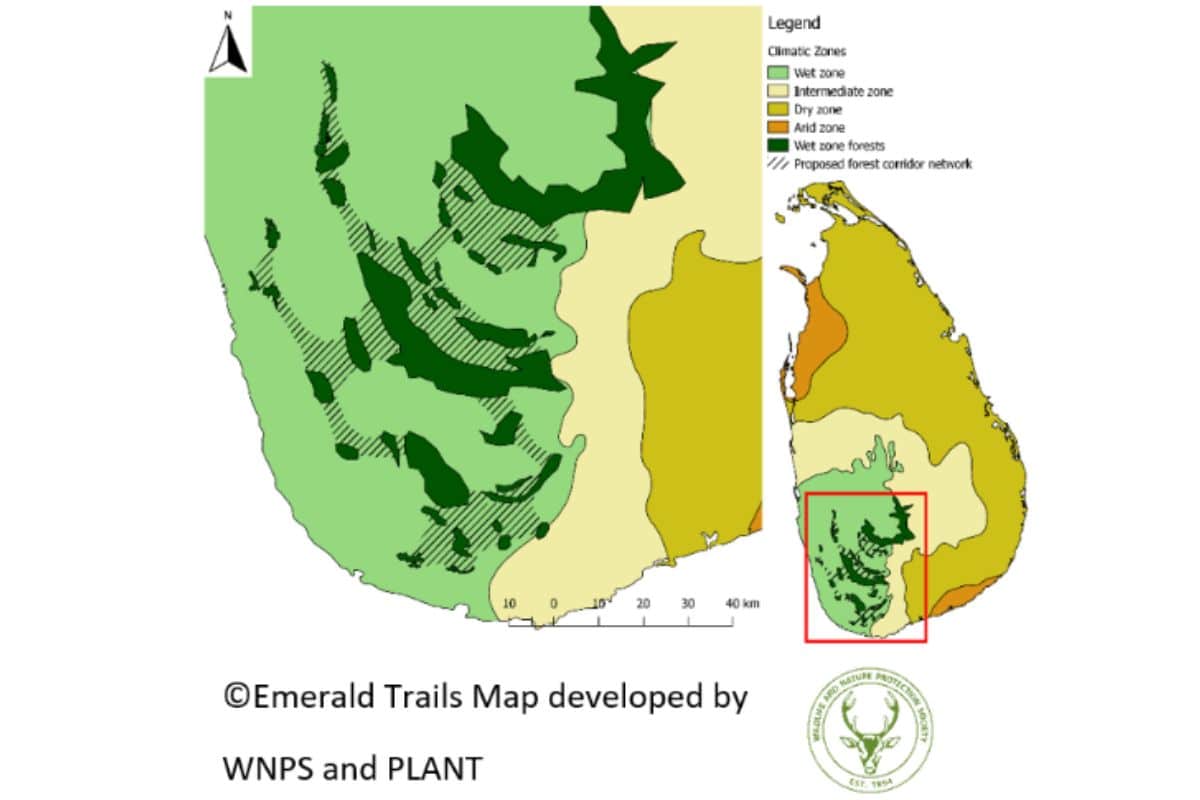
Emerald Trails Map. Credit: WNPS PLANT
Scientific Oversight for Ecological Integrity
The WNPS PLANT team applies guidance from leading naturalists and scientists as the cornerstone of their work. They place focus on recreating functional ecosystems in highly disturbed habitats, providing threatened species a fighting chance by prioritising ecosystem function over mere tree counting. These comprehensive efforts employ a mix of field-proven methods, including establishing nurseries (exclusively women-led) to ensure a steady supply of native plants crucial for reforestation efforts.
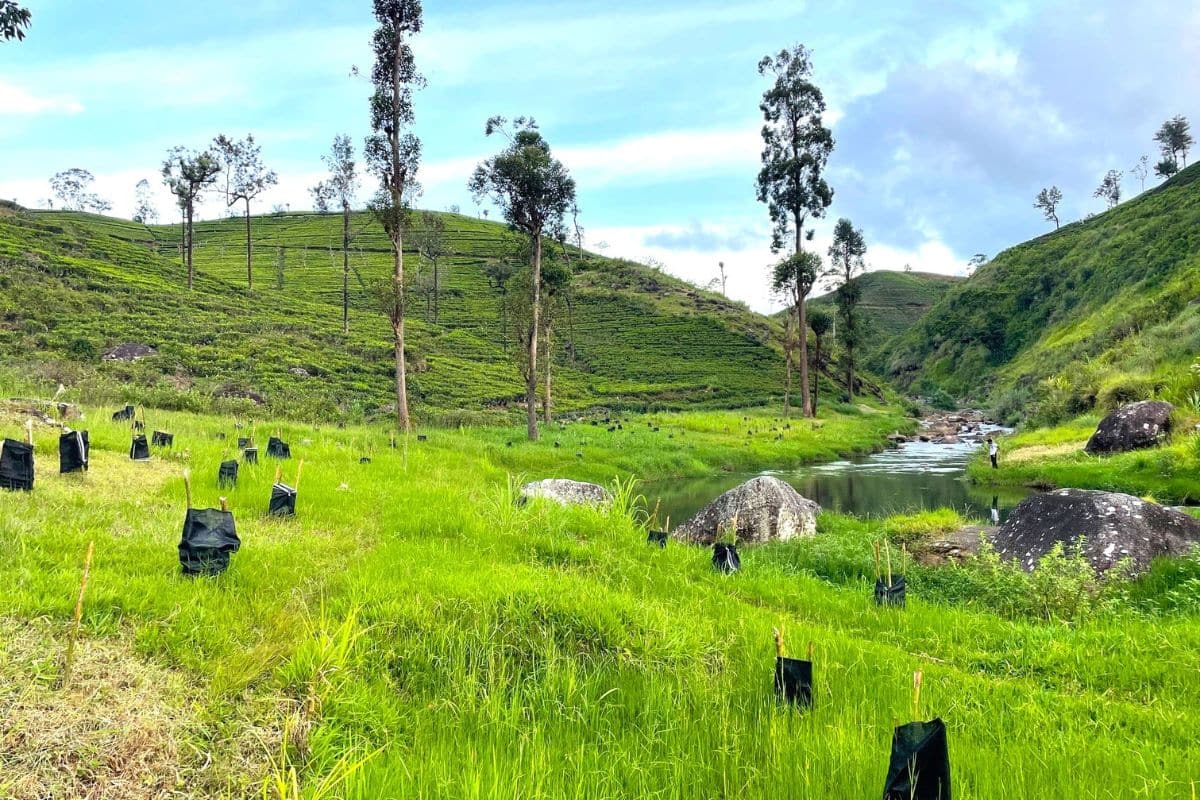
PLANT Site Restoration. Credit: WNPS PLANT
The organisation actively undertakes biodiversity assessments across its network of locations.
For instance, monitoring of a Water Buffalo herd at the Issengard Biosphere Reserve (IBR) in Belihuloya, a PLANT site, has revealed compelling rewilding insights.
The herd is undergoing a shift from predator-free domestication to a leopard-driven wild habitat. The animals are demonstrating a natural reversion to wild traits due to the selection pressures imposed by the new environment and the presence of apex predators, like the Montane Leopard. This transformation is evident in the herd developing stronger morphological features, such as larger, well-built bodies and long, sharp horns, which aid them in facing predators, features generally absent in domesticated buffaloes. This real-world example offers a critical understanding of how ecology and evolution shape biodiversity within a recovering wild setting.
Healing Landscapes Through Proactive Partnerships
PLANT’s work is highly collaborative, evidenced by impactful partnerships with over 40 organisations ranging from Allianz Insurance to the Geoffrey Bawa Trust to large corporations such as Hayleys Plantations and Hemas. For instance, their restoration of the 24-acre Budunwela forest corridor is funded by Deutsche Bank, resulting in the successful planting of over 1,000 native trees across 38 species. Camera traps in this corridor have recorded the return of Leopards, Elephants, Pangolins, Chevrotains, Golden Palm Civets, and Sambars. Moreover, by partnering with Horana Plantations PLC, PLANT is building an ambitious nine-kilometre-long forest passage along the Maskeliya Oya, generating 55 hectares of new forest to connect to the Peak Wilderness Reserve. These restored passages are crucial and aimed at enabling animals to move between larger patches and mitigating human-wildlife conflicts. What’s more is that local communities lead fieldwork, fostering long-term ecological and economic resilience while seeing threatened species return to their habitats. PLANT’s underlying inspiration driving these partnerships is the intrinsic sentiment that proactive interventions are necessary to save Sri Lanka’s endemics. PLANT also currently owns several sensitive landblocks where acquisition was made possible through supportive global funds like Rainforest Trust, IUCN, Quick Response Fund for Nature and Otter Fonds as examples.
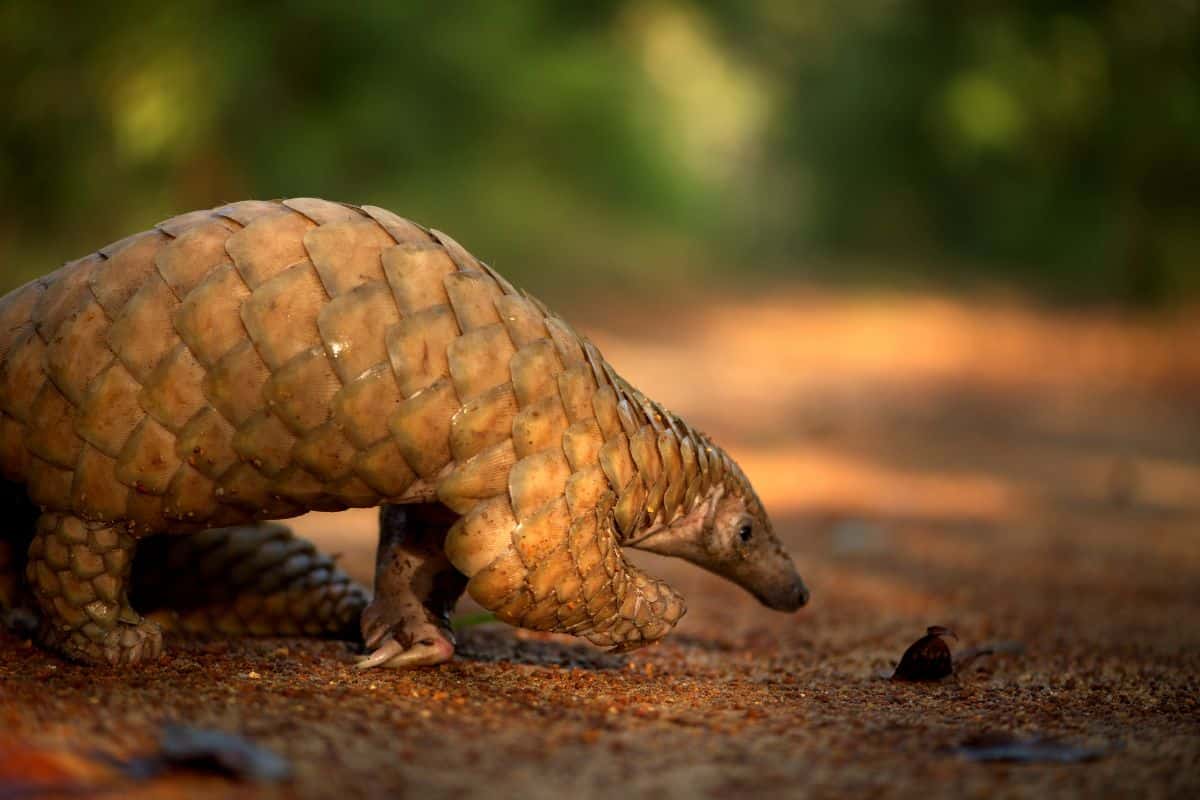
Pangolin. Credit: WNPS PLANT
The Global Rewilding Alliance celebrates WNPS PLANT’s bold determination and pioneering efforts to inspire private citizens and businesses to participate in the journey of nature recovery.
Their proven ability to connect landscapes, species, and communities stands as an inspiring global model for decentralised, citizen-led land stewardship.
Learn more on their website.
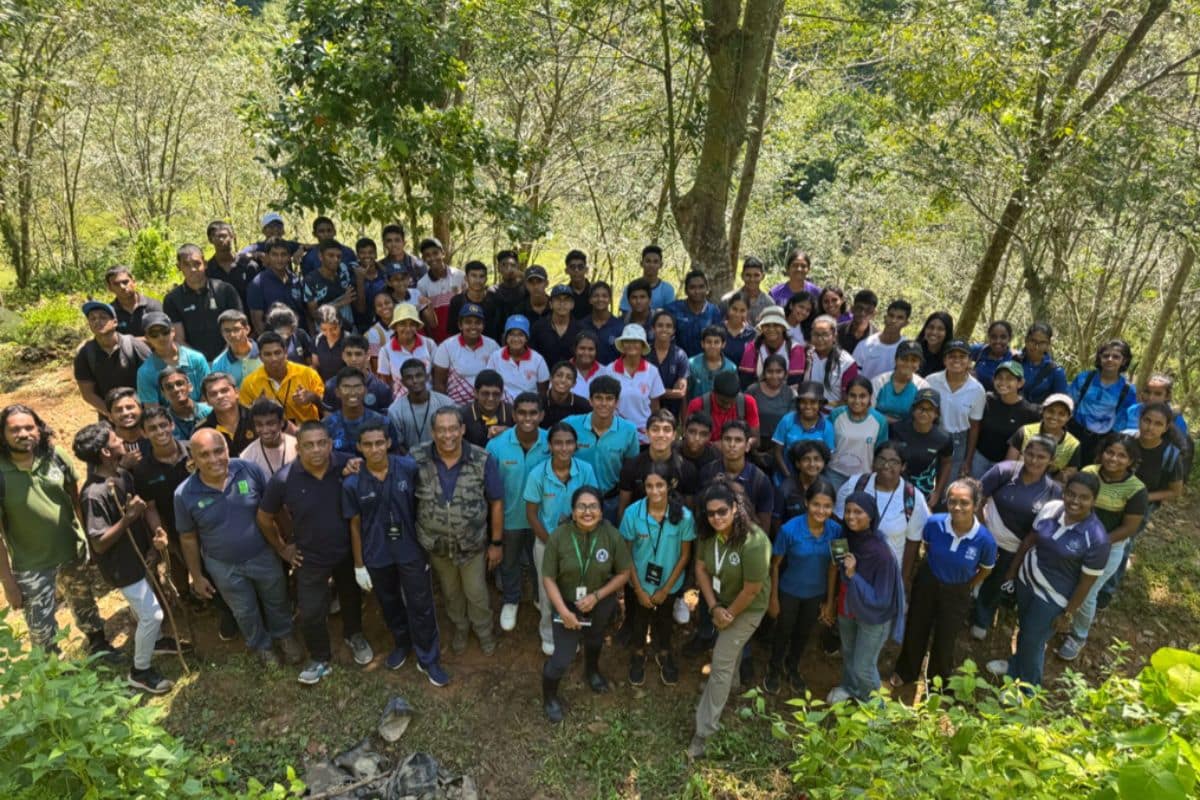
Youth Team: Credit: WNPS PLANT