
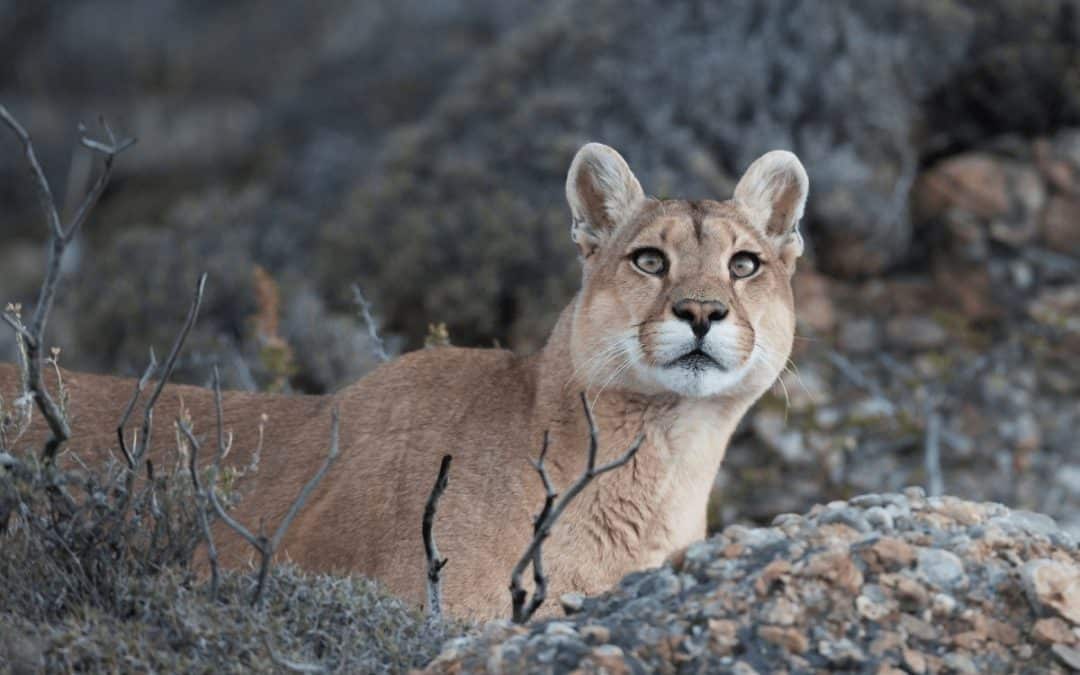
Credit: Hernán Povedano
The Freyja Foundation is a charitable organization focused on large-scale rewilding and community empowerment in Patagonia, Argentina, and Chile. In Argentina’s Patagonia Park, they have helped transform over 180,000 hectares of degraded ranchland since 2017. This includes reintroducing 12 native species and removing fencing to restore Guanaco migration. In Chile’s Cochamó Valley, Freyja co-leads the Conserva Puchegüín campaign, a multi-partner effort to protect nearly 133,000 hectares of primary forest and establish a 1.6 million-hectare binational wildlife corridor. The foundation’s philosophy centers on letting nature lead and uplifting communities through local stewardship and ecotourism.
Weaved together by the passion of two siblings, we spotlight our partner, Freyja Foundation, a private, charitable organization dedicated to protecting wild places and combating the climate crisis through innovative land restoration, community empowerment, and rewilding initiatives.
Seeing things through a large lens, Freyja has a particular focus on large-scale habitat restoration and rewilding in Patagonia. The Foundation collaborates with local partners to integrate biodiversity recovery with ecological connectivity and sustainable economic development – across hundreds of hectares!
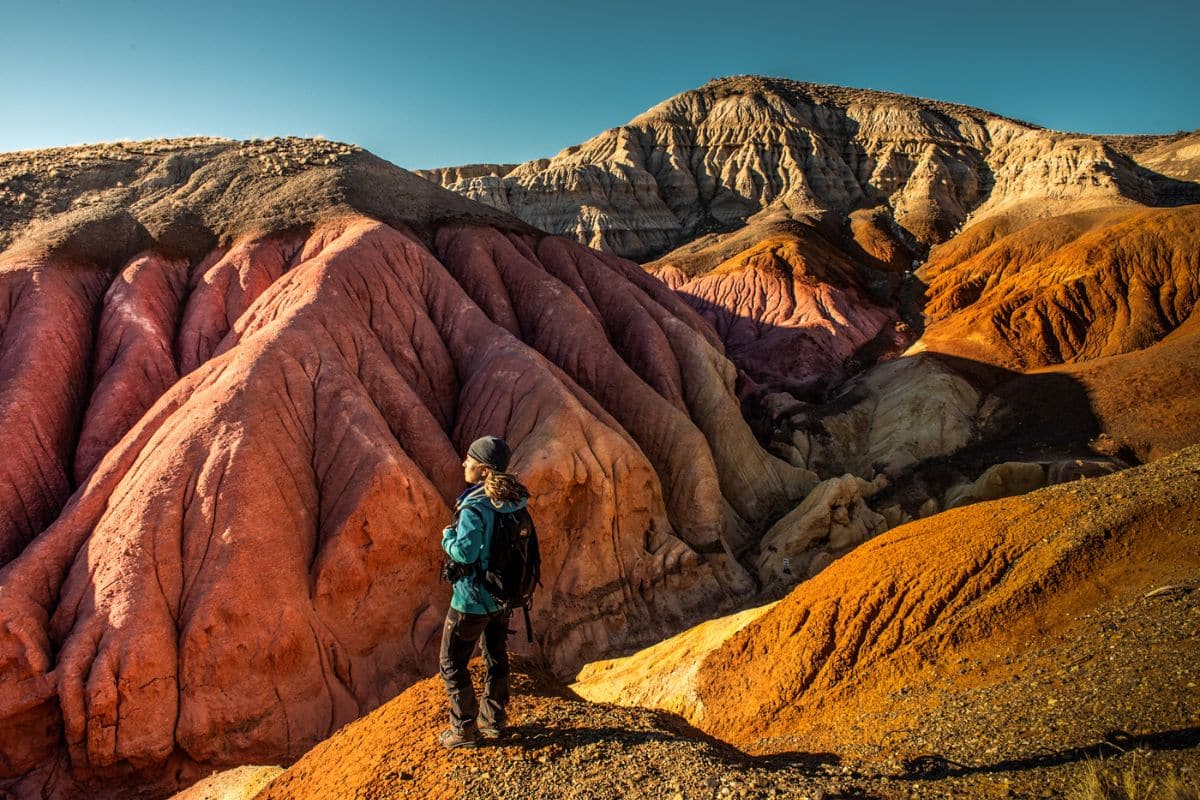
A hiker enjoys the Tierra Del Colores Trail in the Cañadon Pinturas section of Patagonia National Park, Province of Santa Cruz, Argentina. Credit: Freyja Foundation
One of their flagship projects is Patagonia Park in Argentina’s steppe region. Since partnering in 2017 with Fundación Rewilding Argentina, Freyja has supported the transformation of 180,000 hectares of degraded ranchland into a thriving wildlife corridor. The foundation has supported reintroductions of 12 native species, from Pumas and Huemul Deer to Darwin’s Rheas, as well as invasive species removal and wetland habitat restoration. Infrastructure investments, including trails, campgrounds, an interpretation center, and even a planetarium, have opened the park to visitors and fostered environmental tourism and cultural reconnection.
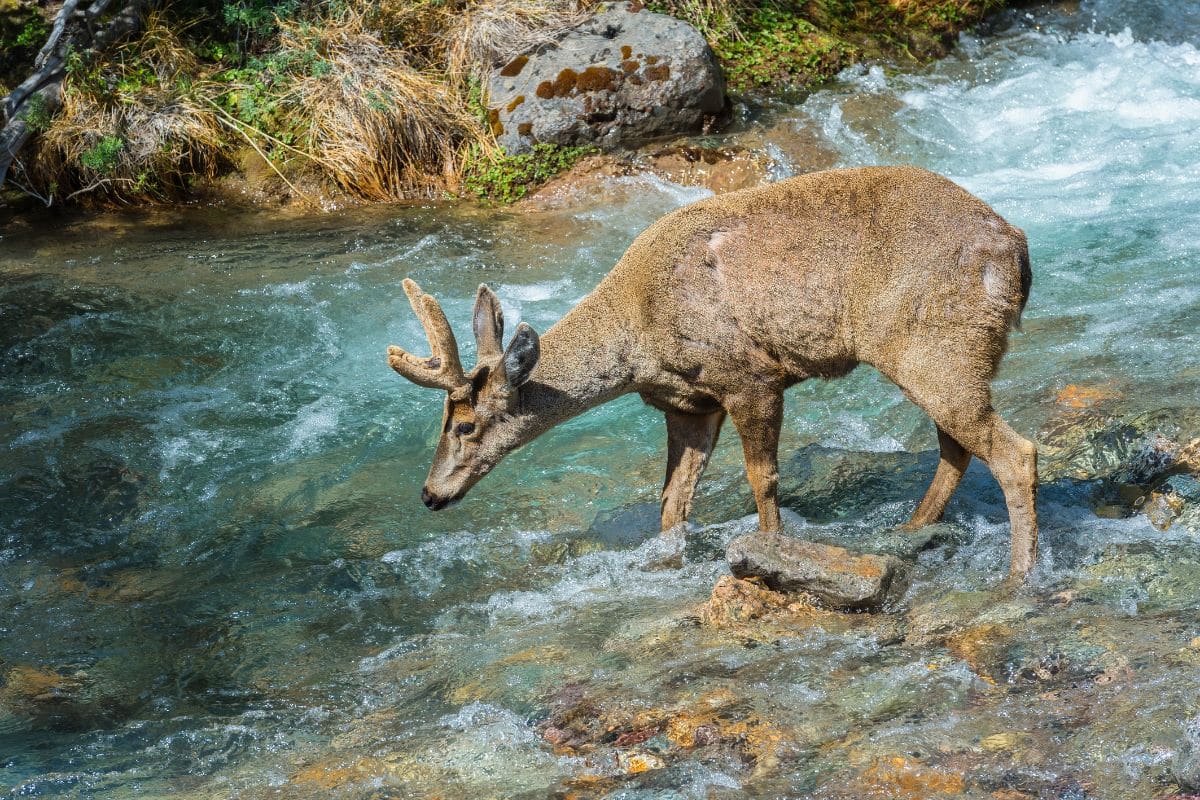
Male South Andean Deer (Hippocamelus Bisulcus) crossing a River, Aysen Region, Patagonia, Chile. Credit: Freyja Foundation
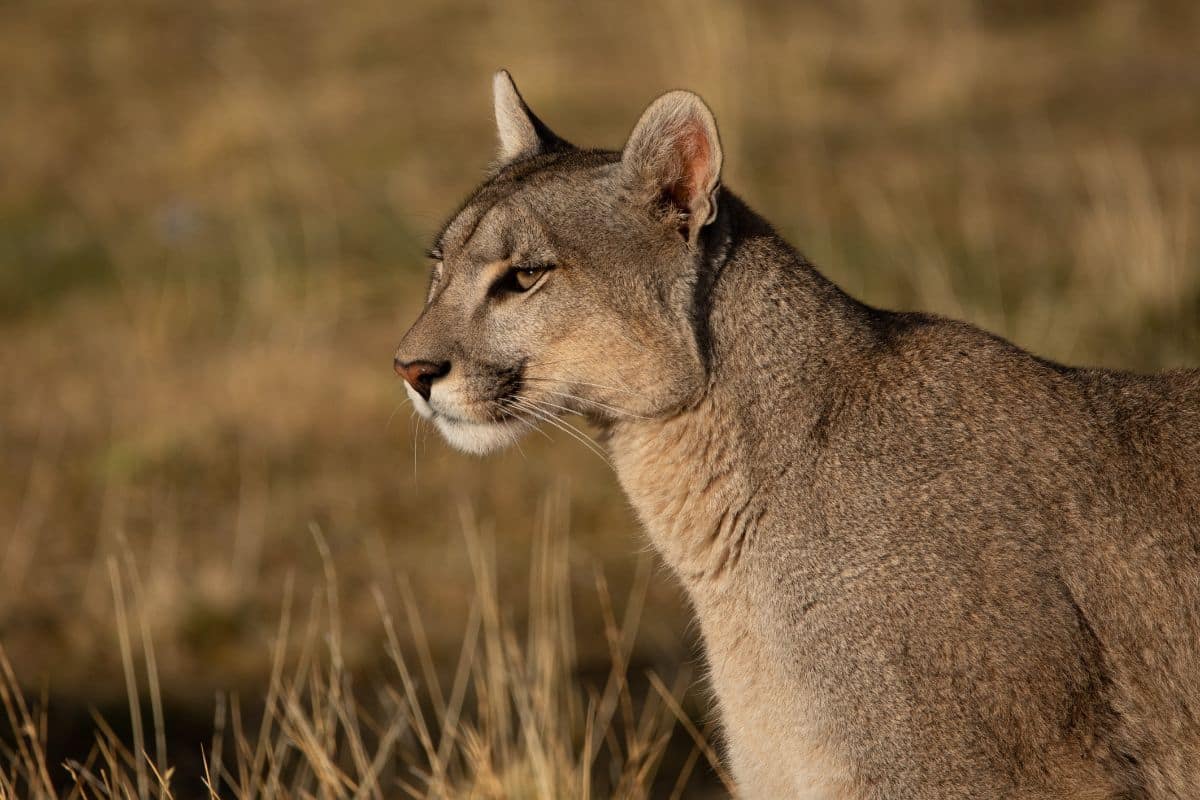
Puma. Credit: Franco Bucci
In late 2024, Freyja played a critical role in the removal of fencing across Patagonia Park, in partnership with Fundación Rewilding Argentina, enabling the ancestral seasonal migrations of Guanacos to resume—a keystone ecological process enabling grassland resilience by allowing the free movement of animals. That same year, Freyja supported the translocation of 15 Darwin’s Rheas from Argentina to Chile, marking the first international relocation of a wild species in Latin America—a joint effort enhancing biodiversity and collaboration across national borders.
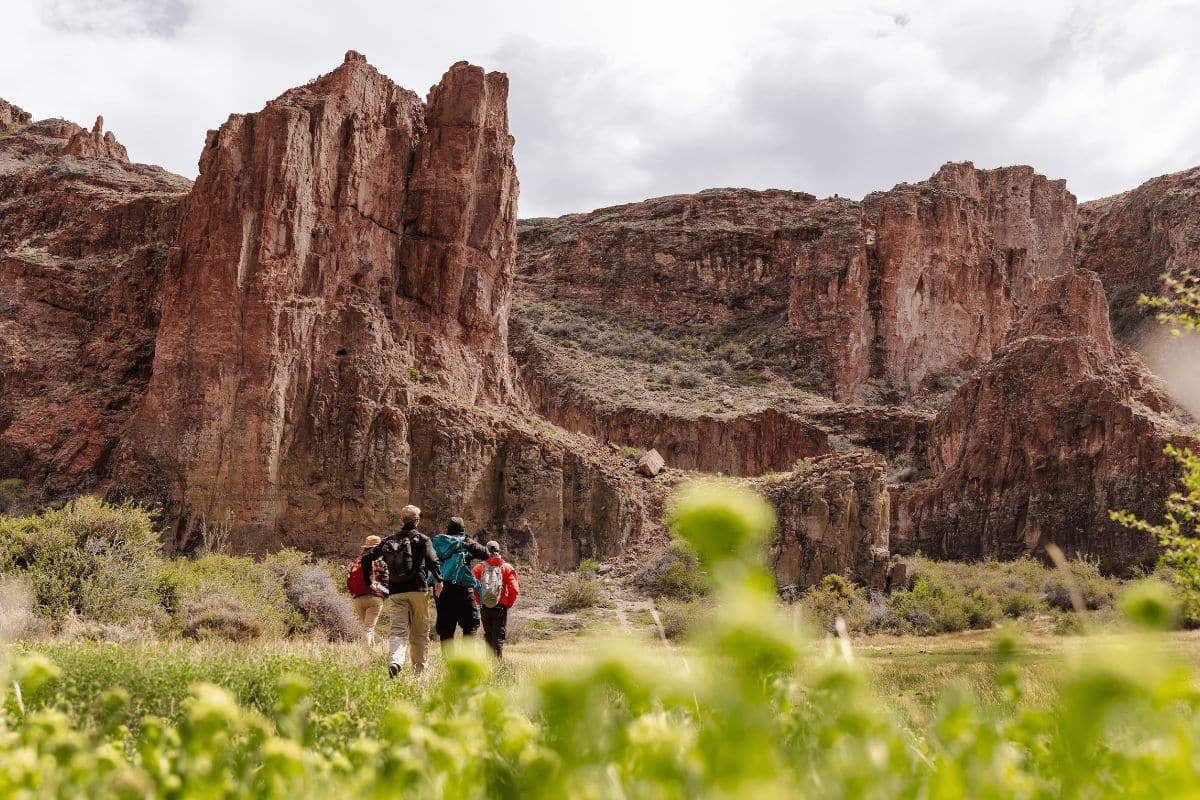
Parque Patagonia’s Cañadon Caracoles. Credits: Gustavo Calfin
In Chile’s Cochamó Valley, also known as the “Yosemite of South America,” Freyja has spearheaded the Conserva Puchegüín campaign in collaboration with local partners Puelo Patagonia and Organización Valle Cochamó.
Building on a 2023 land purchase, they’re teaming with Puelo Patagonia, The Nature Conservancy, Patagonia, Inc., and the Wyss Foundation to raise $78 million over seven years to permanently protect nearly 133,000 hectares of primary forest – including endangered 5,000-year-old alerce groves – and create a binational wildlife corridor spanning 1.6 million hectares.
This rewilding initiative restores biodiversity, such as the Huemul, Darwin’s Frog, and Monito del monte, and centers community-led, culturally respectful economic models like ecotourism and grazing compatible with restoration goals.
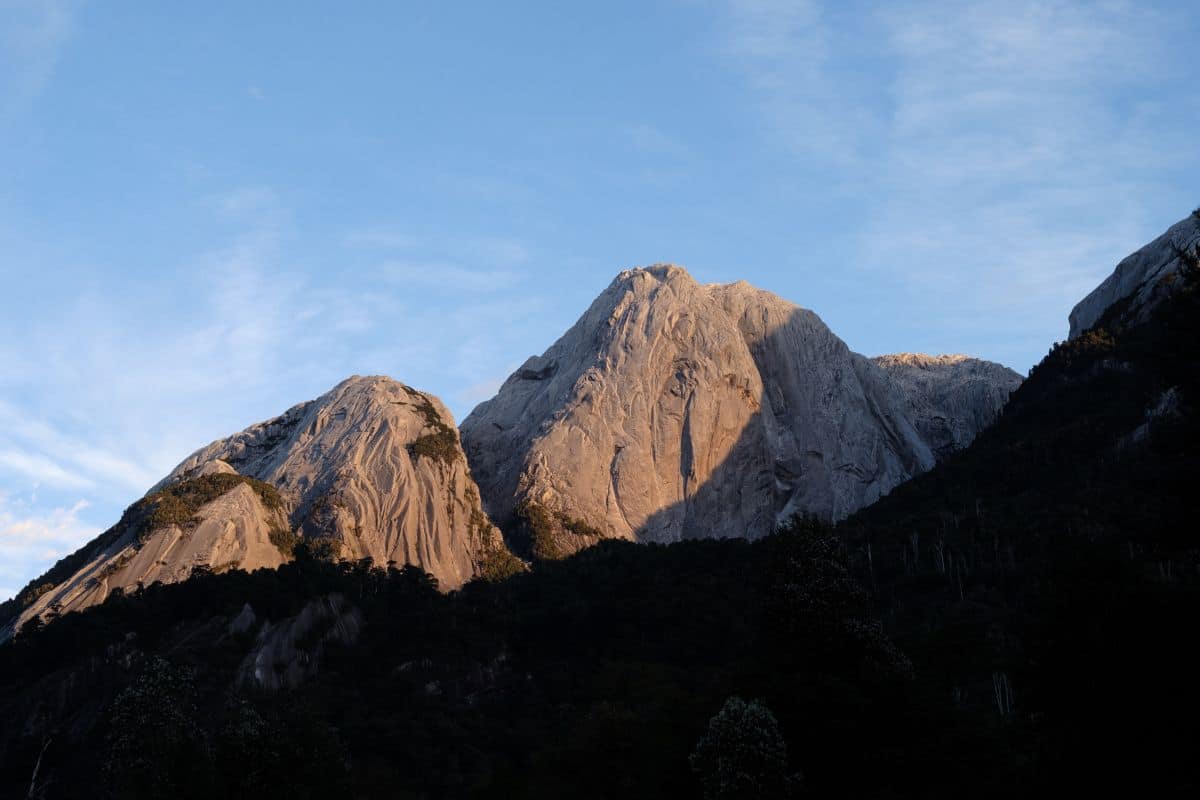
Sunset over the Cochamo Mountain Credit: Freyja Foundation
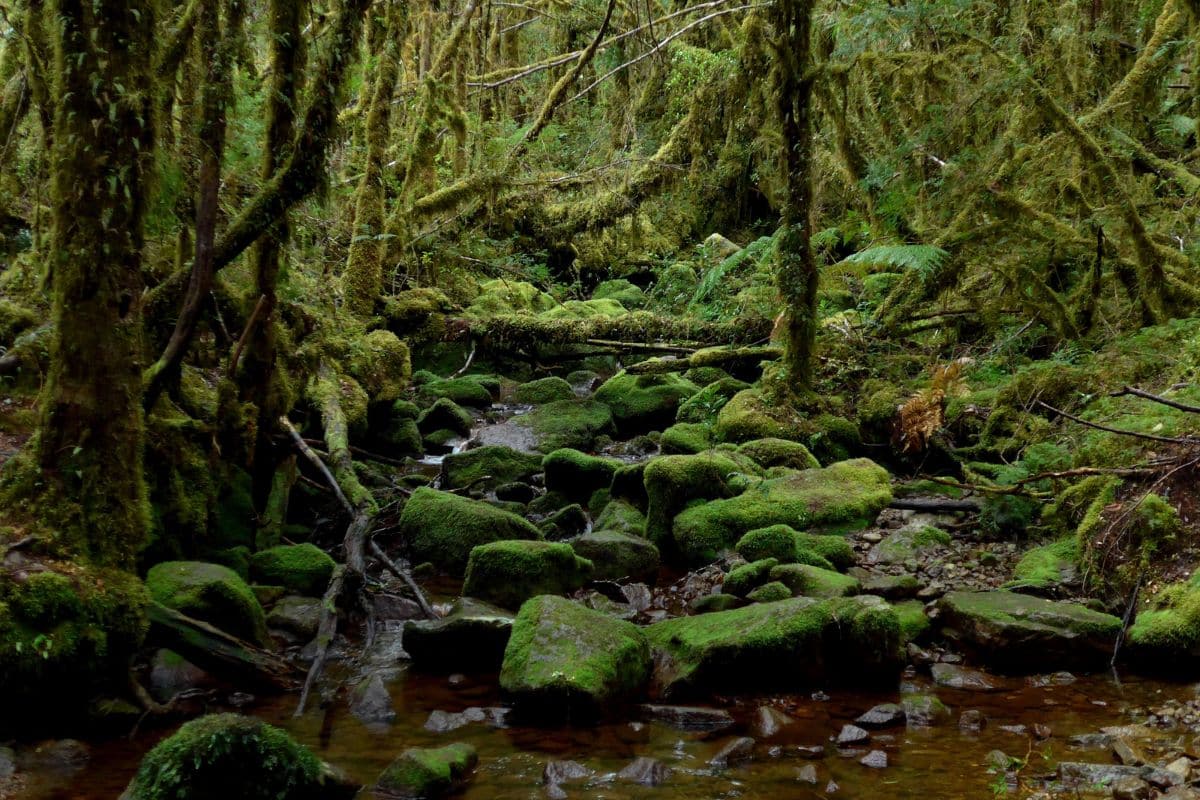
Small stream flowing through a mossy green overgrown Forest in the Cochamo Valley in Southern Chile. Credit: Freyja Foundation
Behind these milestones are stories of deep collaboration, ecosystem-centric strategy, and cultural revival. Co-founder Anne Deane’s immersion in Pumalín and Patagonia sparked Freyja’s rewilding journey and continues to shape its philosophy of “letting nature take the lead”.
Local voices like Puelo Patagonia’s Rodrigo Condeza emphasize how safeguarding Cochamó not only captures carbon – Patagonia stores up to three times more per hectare than the Amazon – but also demonstrates how rewilding can uplift communities through local stewardship and shared purpose.
We are delighted to have the Freyja Foundation as one of our Alliance Partners.
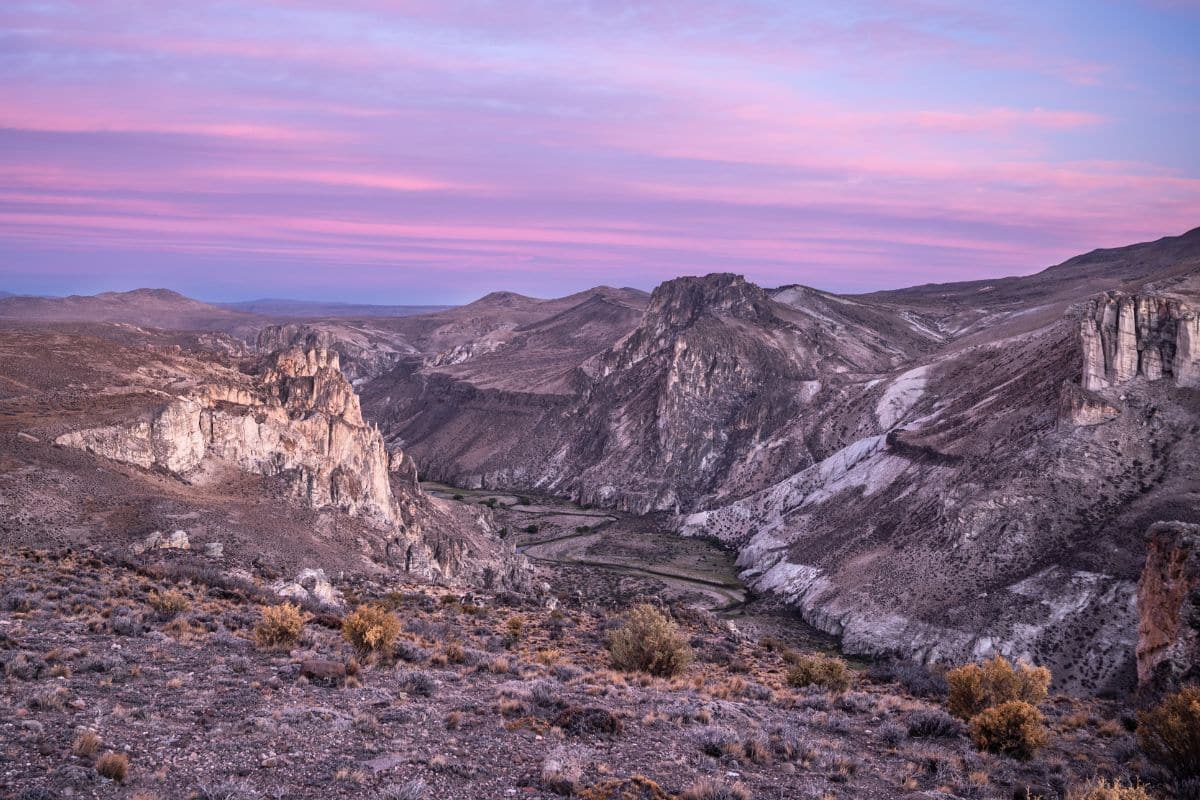
Cañadón Pinturas. Credit: Franco Bucci