
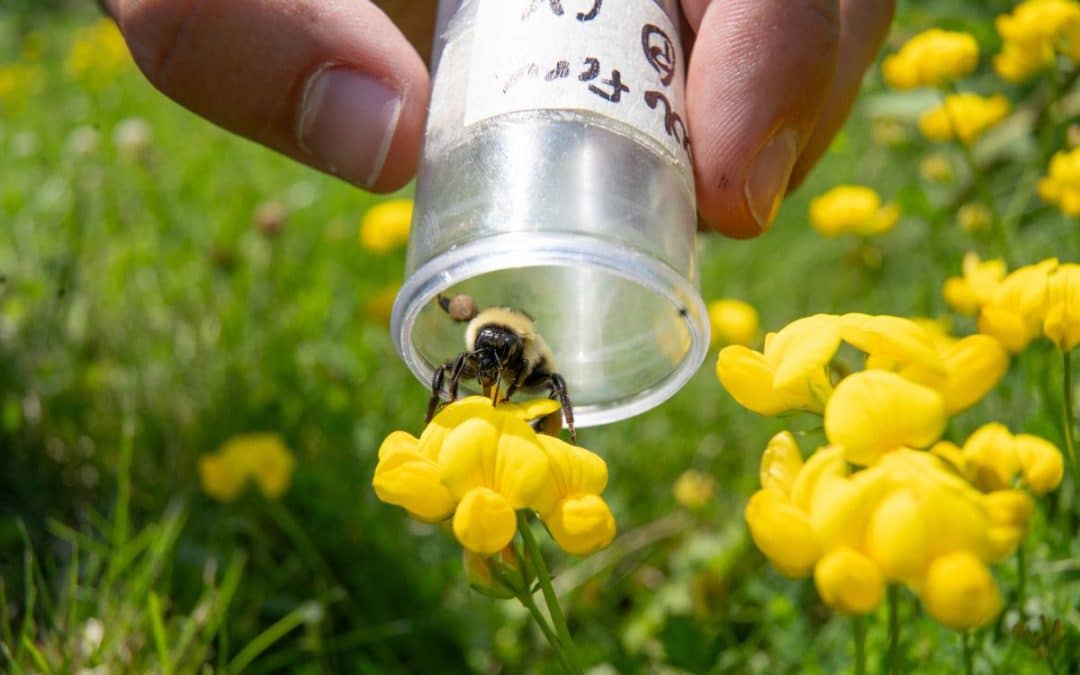
Bumble Bee Release After Identification. Credit: Alex Bowman – WPC
Wildlife Preservation Canada (WPC), established in 1985 by Gerald Durrell, is Canada’s leading organization dedicated to preventing species extinction. WPC utilizes a hands-on, science-led “Durrell approach,” combining fieldwork, conservation breeding, and reintroduction, believing habitat protection alone is insufficient. They manage recovery programs for dozens of at-risk species, such as the Oregon spotted frog and eastern loggerhead shrike. Achievements include releasing 212 western painted turtles in 2023 and operating Canada’s only conservation breeding program for native bumble bees, which produced a record 131 yellow-banded queens. WPC also fosters future environmental stewards through “Canada’s New Noah” capacity-building program.
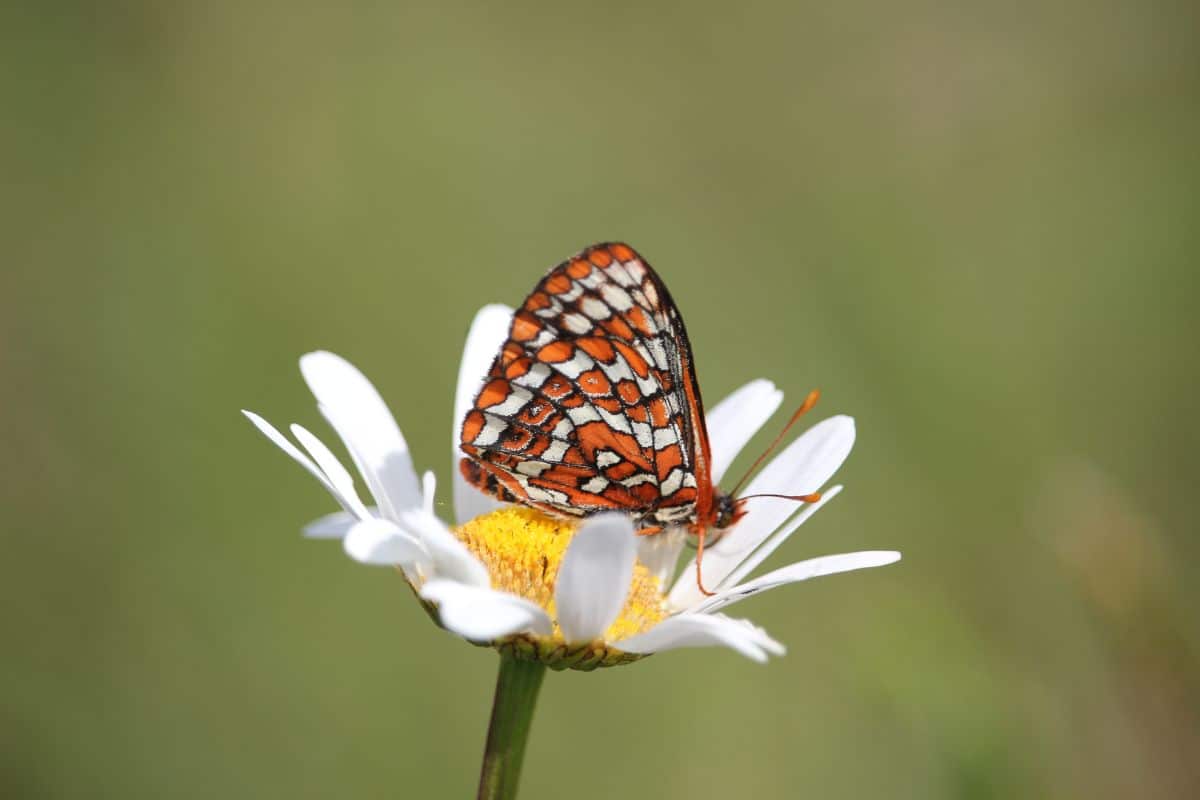
Taylors Checkerspot Butterfly. Credit: Lance Woolaver – WPC
Wildlife Preservation Canada (WPC) stands at the forefront of rewilding efforts in this vast country, dedicated to preventing the extinction of Canada’s most endangered species. Established in 1985, and founded by Gerald Durrell, WPC employs hands-on fieldwork, innovative scientific methods, and collaborative partnerships to restore wildlife populations and ecosystems across the country.
Visionary roots that continue today
It all began with legendary conservationist Gerald Durrell who saw the need. A pioneer in captive breeding, species recovery, and hands-on conservation, Durrell was among the first conservationists to argue that actively breeding and managing endangered species was essential to prevent extinction, not a last resort.
Wildlife Preservation Canada explicitly builds on this “Durrell approach” through small, science-led teams working intensively with individual species, combining field action, breeding, reintroduction, and public engagement.
From reintroducing the eastern loggerhead shrike and Oregon spotted frog, to leading Canada’s only conservation breeding program for native bumble bees, WPC have helped shape the future for dozens of at-risk species. Four decades in, their impact runs deep, the momentum continues, and the purpose has never been clearer. Recently, they celebrated their 40-year journey by summarising 2025 in numbers.

WPC’s 2025: Big moments, small wins, lessons learned, and memories made.
For many species, habitat protection alone is not enough
They believe that habitat protection alone is not enough, and support this vital work with hands-on nature recovery, often involving the breeding, reintroduction and translocation of wild species. Their website highlights significant strides in species recovery and rewilding initiatives, from Western Painted Turtles to Burrowing Owls, underscoring their commitment to biodiversity and ecological resilience.
One of WPC’s notable achievements in 2023 was the release of 212 western painted turtles in British Columbia, the highest number ever recorded in the province, aimed at bolstering native reptile populations. Similarly, their efforts in amphibian conservation led to the development of new treatment methods to combat the lethal Chytrid fungus affecting Oregon spotted frogs, ensuring all treated individuals were cleared of infection in time for the breeding season.
In the realm of pollinator conservation, WPC’s work with the at-risk native yellow-banded bumble bee yielded a record-breaking 131 queens produced under their care. This accomplishment is a significant step toward restoring pollinator populations, which are crucial for maintaining healthy ecosystems and supporting agricultural productivity.
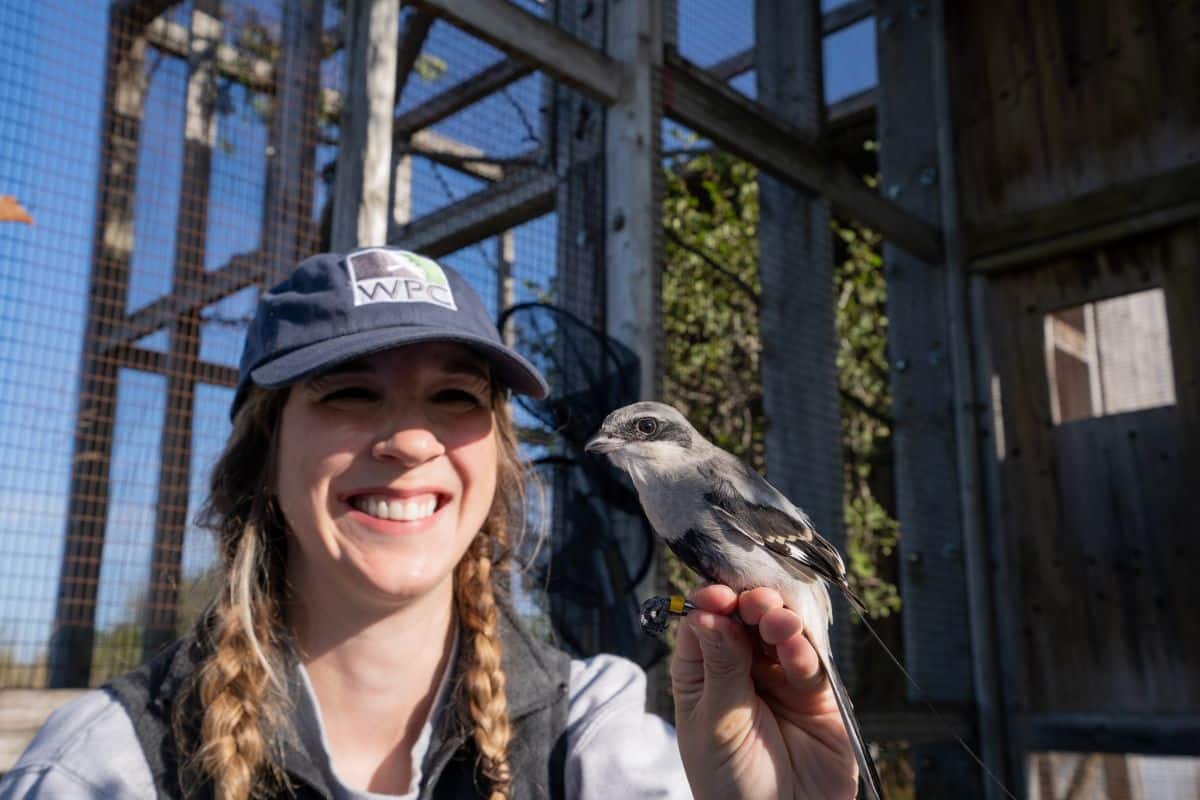
WPC Staff Holding Eastern Loggerhead Shrike Before Release. Credit: Alex Bowman – WPC
Canada’s New Noah – supporting emerging changemakers
Beyond direct species interventions, WPC invests in building conservation capacity through programs like Canada’s New Noah. This initiative provides emerging conservation biologists with practical experience in species recovery efforts, fostering the next generation of environmental stewards equipped to address ongoing biodiversity challenges.
Through New Noah, young Canadians are given the opportunity of a lifetime. Each year, WPC offers a 3-month course at the Durrell Conservation Academy in the UK followed by a 6-month internship on the islands of Mauritius and Madagascar in the Indian Ocean. Applicants learn firsthand how the world’s most successful nature recovery programs are managed and to bring this knowledge and experience back to improve Canada’s capacity. Read about the a recent experience from Rosie Heffernan, WPC’s 33rd Canada’s New Noah.
In recent news, their team have tracked a young Loggerhead Shrike, a small bird that is a bandit-lookalike, seen returning near to its breeding facility after being released.
Through its comprehensive approach combining fieldwork, scientific innovation, and education, Wildlife Preservation Canada exemplifies effective rewilding practices. Their accomplishments contribute to the recovery of individual species, ensuring that wildlife continues to thrive for generations to come.
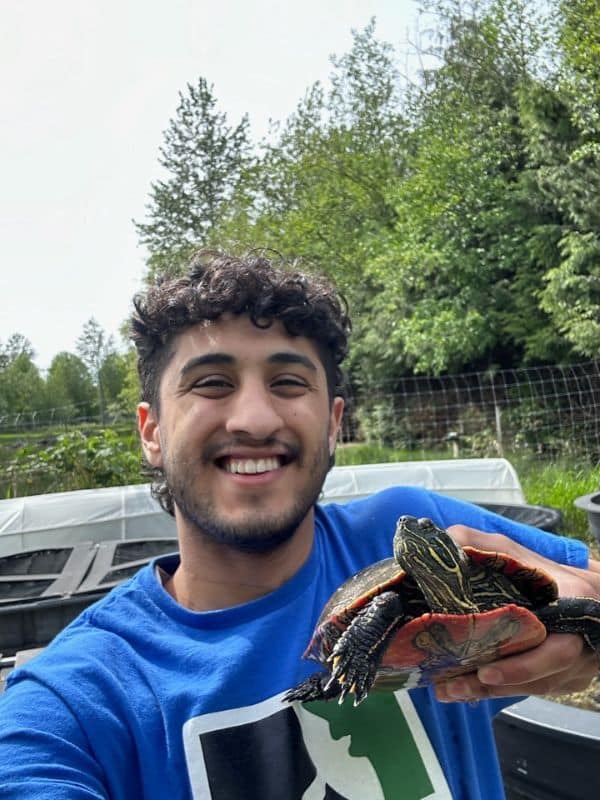
WPC Staff Holding Western Painted Turtle. Credit: WPC