Credits: ORKCA
The Orange River-Karoo Conservation Area (ORKCA) in southern Namibia is undertaking one of Africa’s largest transboundary rewilding projects, aiming to restore a landscape that was fragmented by farming and fencing. The project aims to bring back the region’s ecological rhythms and great migrations, like the historic 20-million strong Springbok Trekbokken. ORKCA is merging land parcels and removing fences to create corridors of connectivity, which will eventually extend into South Africa. Crucially, the initiative is co-created with local communities, particularly the Nama people, who are centered in shared stewardship models and livelihood generation through sustainable tourism and regenerative farming. The goal is to rewild 1 million hectares.
In southern Namibia, where the rugged landscape of the Karoo meets the life-giving Orange River, our newest Alliance Partner ORKCA (Orange River-Karoo Conservation Area) is weaving together ecology, culture, and climate resilience to restore a landscape once sliced by fences and farming; aiming to nurture one of Africa’s largest transboundary rewilding projects.
This transboundary project is recognizing history as they rewrite the region’s maps. For generations, livestock farming and fragmented landownership has disrupted natural migration. Predators and iconic species faded from view in these lands that once hosted the majestic Trekbokken Springbok migration – an estimated 20 million animals – a phenomenon that outdid even the Serengeti migration!
Today, ORKCA is merging parcels of farms and native habitat through strategic partnerships and acquisitions, stitching together corridors of connectivity that span Namibia and will eventually extend into South Africa.
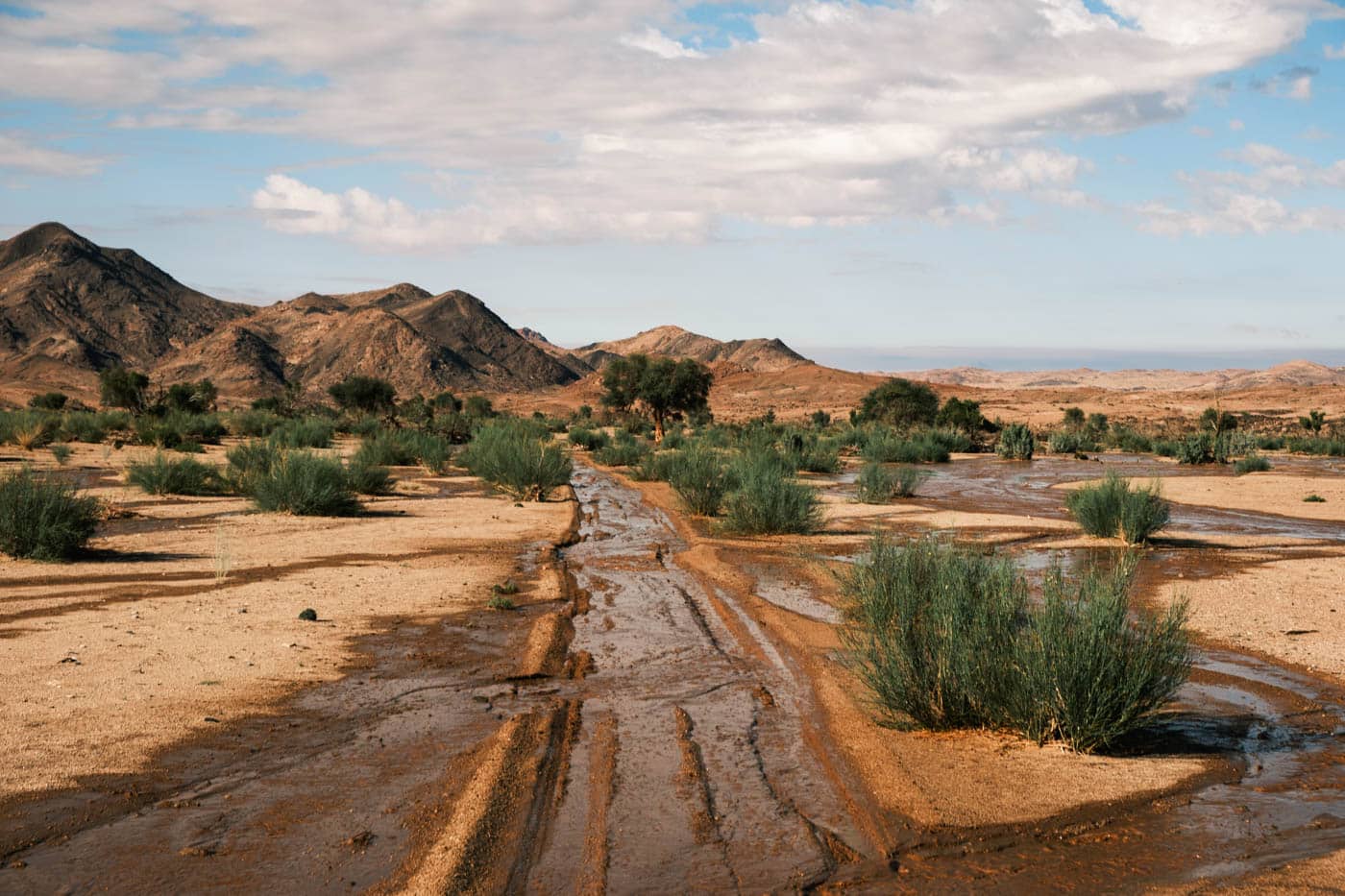
ORKCA Landscape. Credit: ORKCA
Transboundary Success guided by Community Wisdom Keepers
Speaking with the team at ORKCA gives you an idea of how deeply committed they are to the local communities that hold ancestral knowledge of these lands. These communities are the co-creators of this rewilding journey, and a key protagonist in its success.
The Nama community, whose ancestral lands, knowledge, and partnerships are fundamental to this journey, are an ethnic group spread over Namibia, South Africa and Botswana. They are the largest and only remaining group of the KhoiKhoi people, and speak the Khoekhoe language, famous for its clicking sounds. The name given to this landscape, “Karoo”, stems from their language and holds the meaning “land of thirst”. Far from parachuting in, ORKCA is investing in incubator funds, local enterprise, and shared stewardship models that centre nature restoration and livelihood for this community—feeding life back into the “land of thirst”.
The organisation is transforming fences into pathways setting the stepping stones of resilience so the landscapes can once again welcome large numbers of wildlife and restore its ecological rhythms. Alongside, they are nurturing income-generating ventures such as sustainable tourism, regenerative farming, and community projects that mirror the landscape’s ecological rebirth.
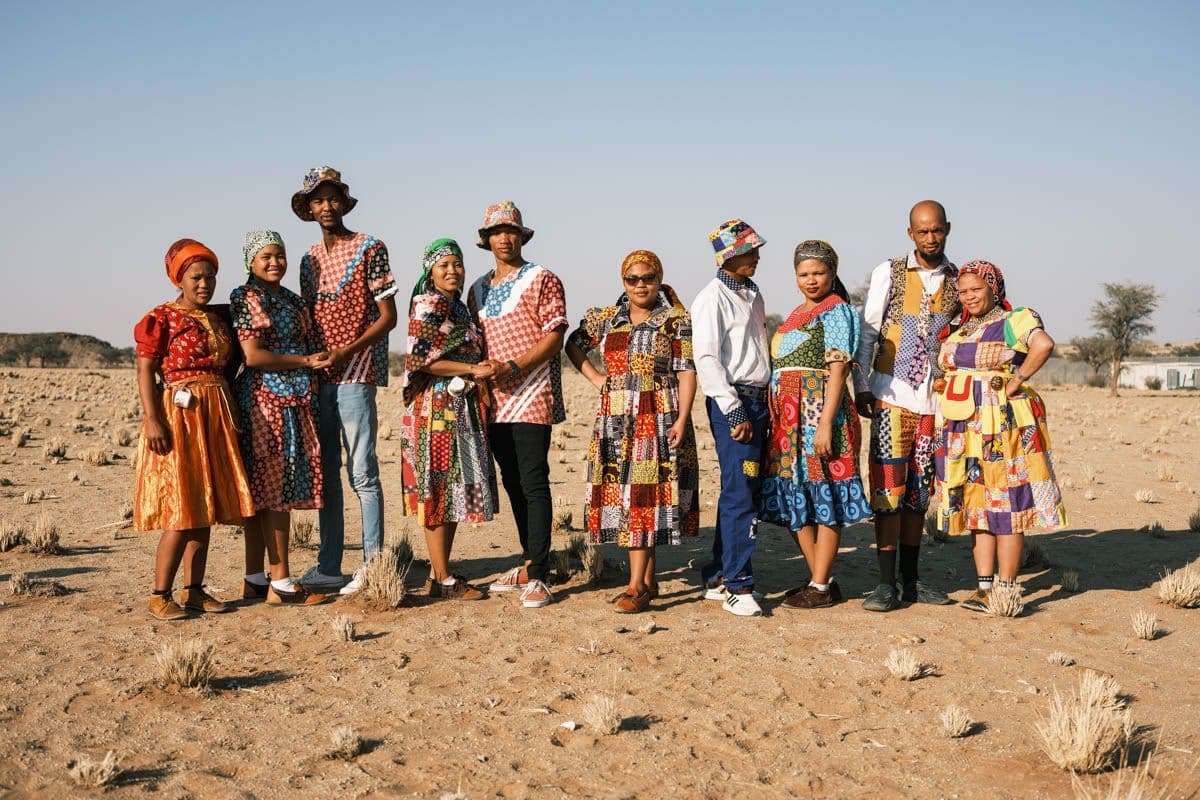
Members of the Nama community. Credit: Gary van Wyk
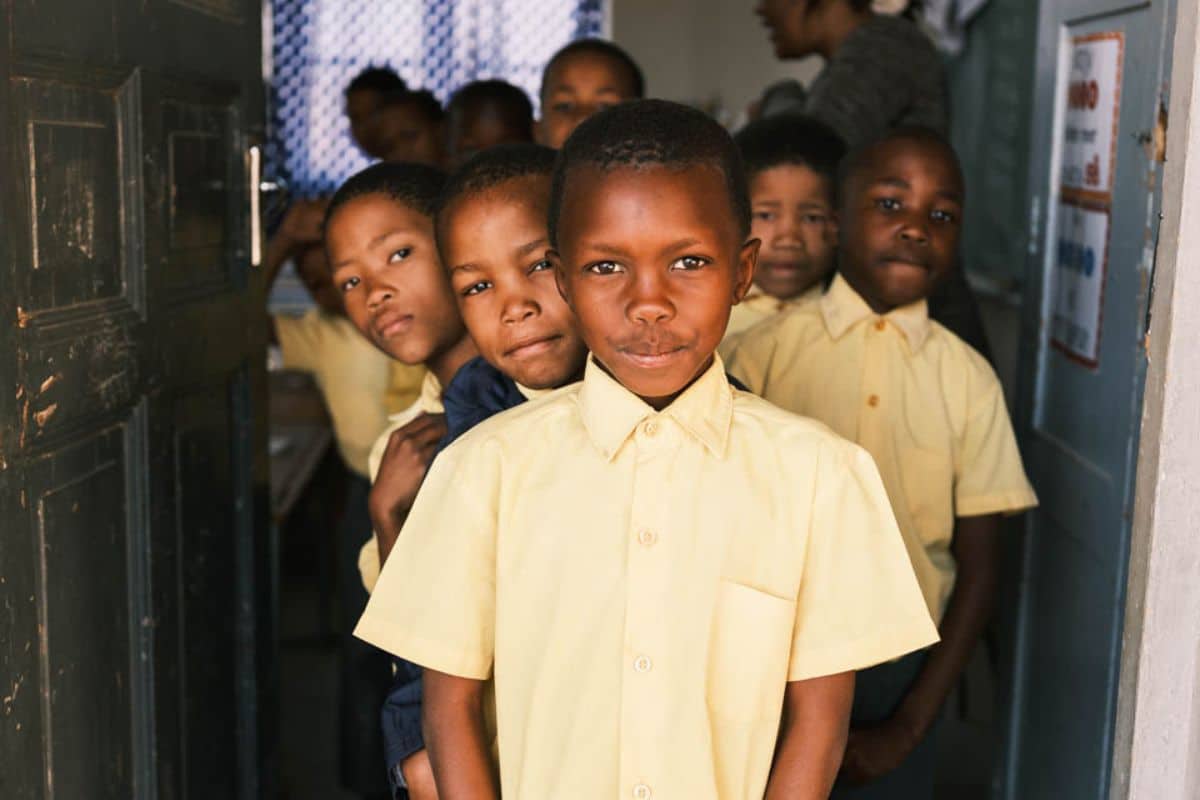
Schoolchildren from Michel Durocher Primary School – Warmbad Community. Credits: Gary van Wyk
Monitoring, Managing, Evolving
With a commitment to accountability and learning, ORKCA invests in landscape-wide monitoring systems, anti-poaching protection, and rigorous evaluation of biodiversity restoration and carbon capture.
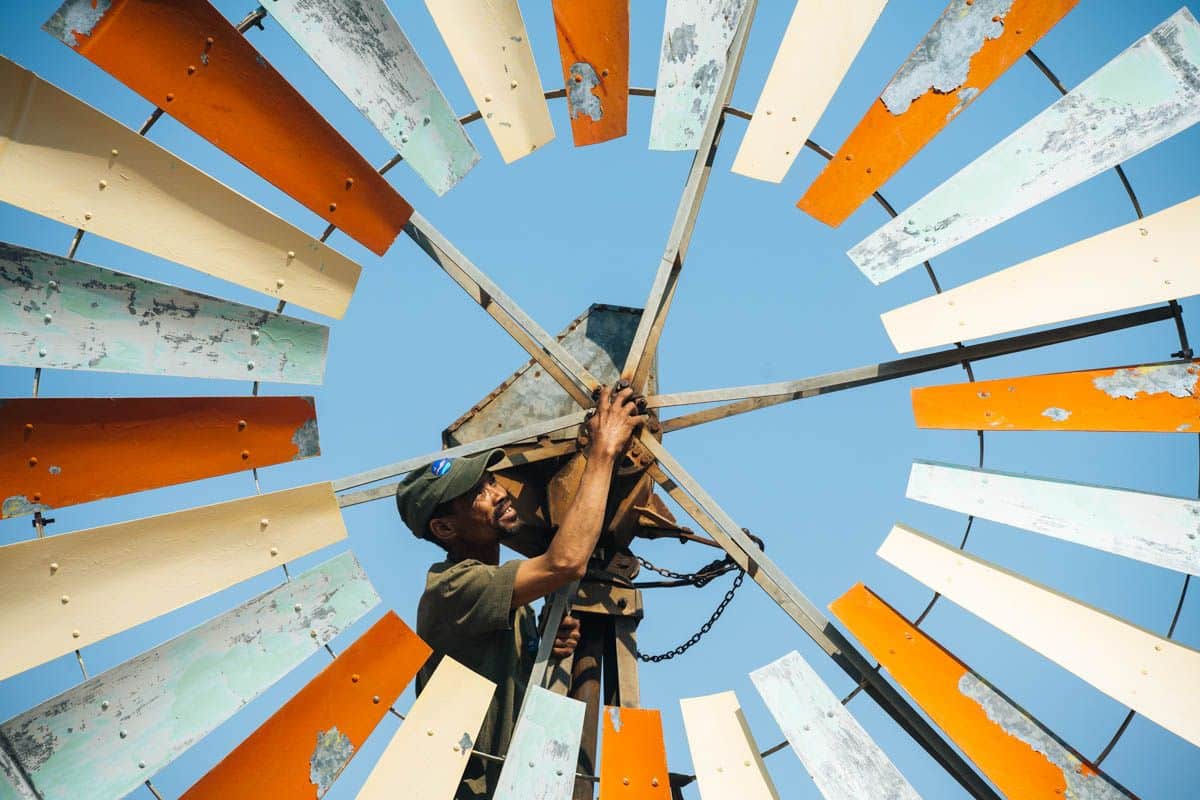
Their impact speaks loud: water points installations, anti-poaching training, leadership training, an increase in wildlife spotting (through camera traps), fence removal and more. These are the building blocks of a resilient economy.
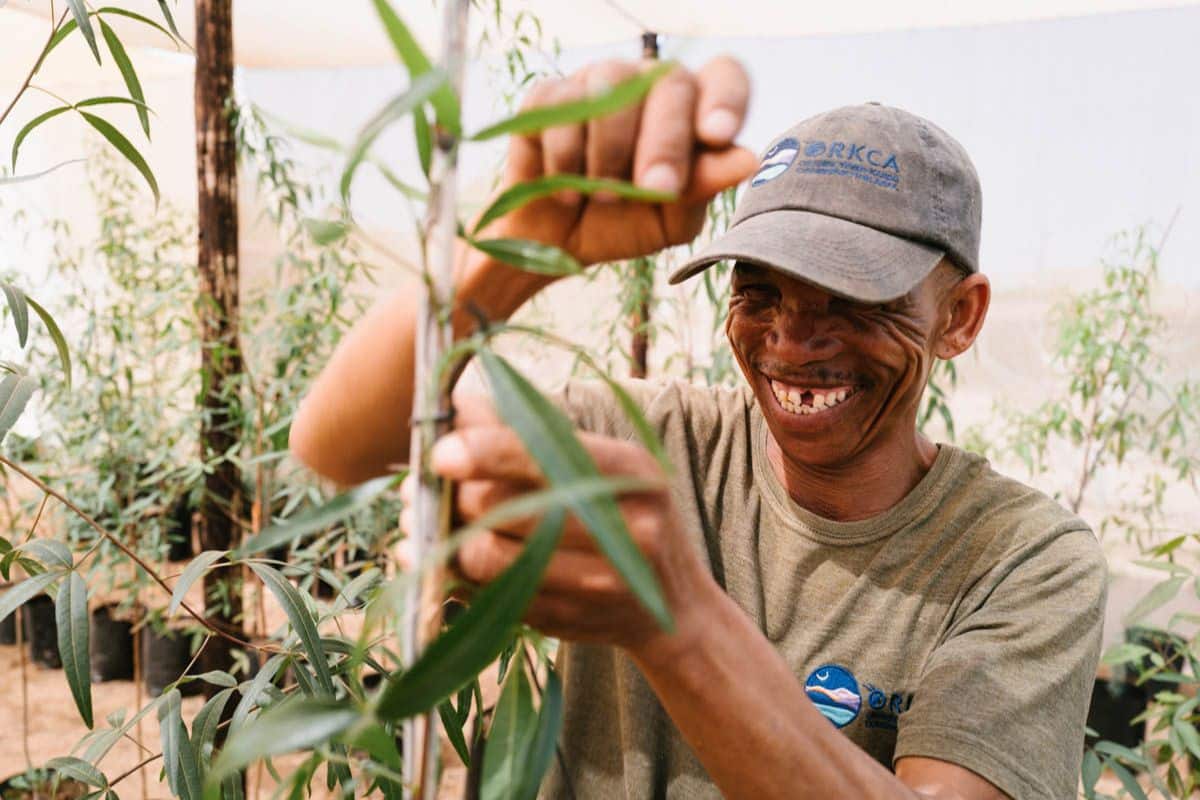
Seedlings in ORKCA’s indigenous tree restoration nursery – Cienna Babiep, Game Guard & Permaculture Specialist. Credits: Gary van Wyk
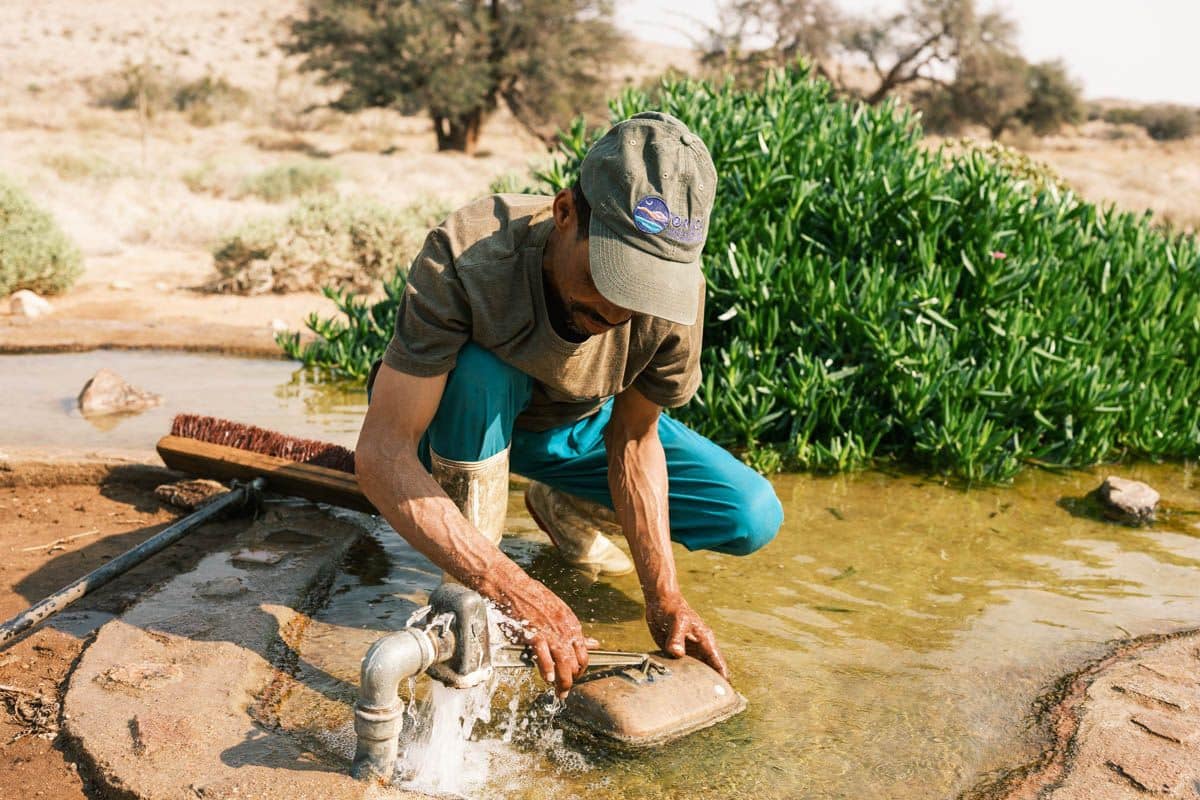
ORKCA Water Point – Julian Jaar, Field Ranger. Credits: Gary van Wyk
A Living Landscape of Diversity
ORKCA’s land bridges the ecotone where the Succulent Karoo—a global biodiversity hotspot—meets the Nama Karoo and desert biomes. It is a place of astonishing geological antiquity and ecological convergence.
While wildlife numbers are still building—from Springbok and Eland to carnivores like Caracals and Leopards—ORKCA is nurturing the land’s capacity to someday support the healthy populations the land once held.To start understanding just how important it is to nurture healthy populations of Springbok, we can take inspiration from the Wildebeest migrations in eastern Africa. These migrations play an important role in the decrease of devastating wildfire as well as having a place as a keystone species in the ecosystem, which has ripple effects on so much other life. Building on this knowledge, we can only imagine the positive ripple effects that the (once larger) Springbok migrations could have.
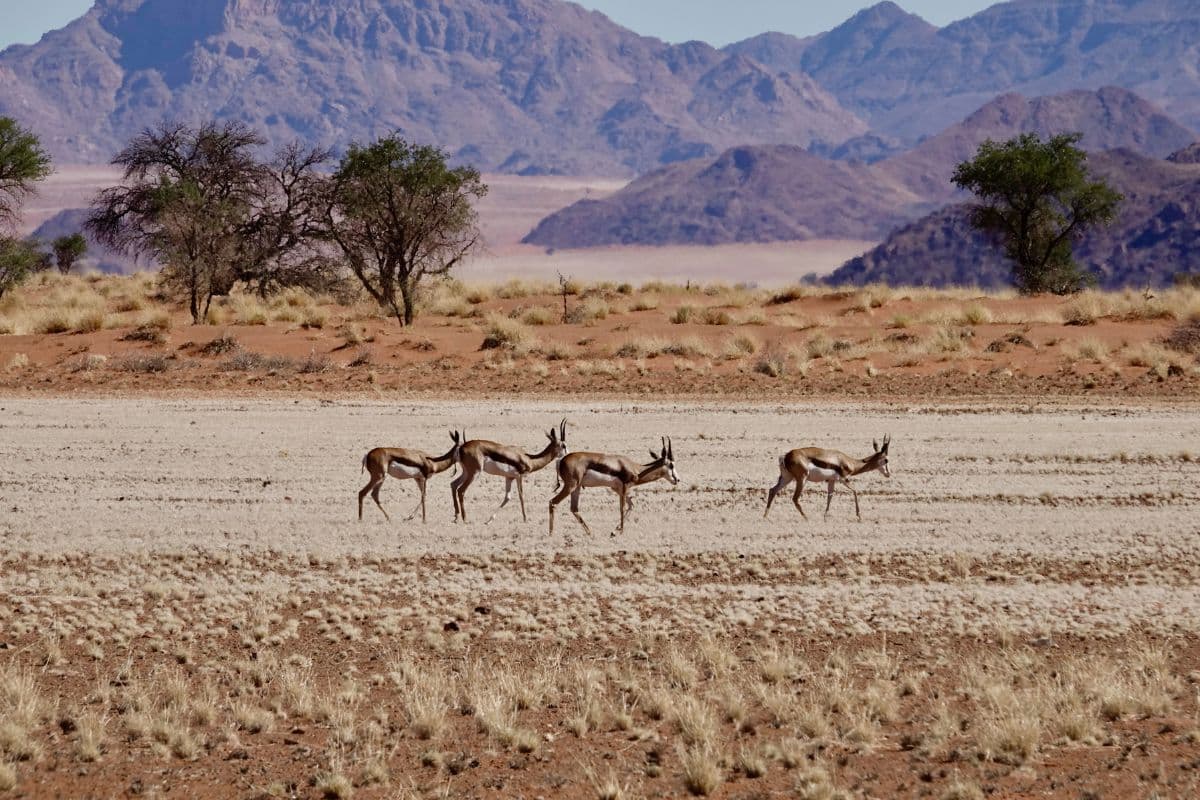
Springbok antelope by Omm-on-tour from Getty Images
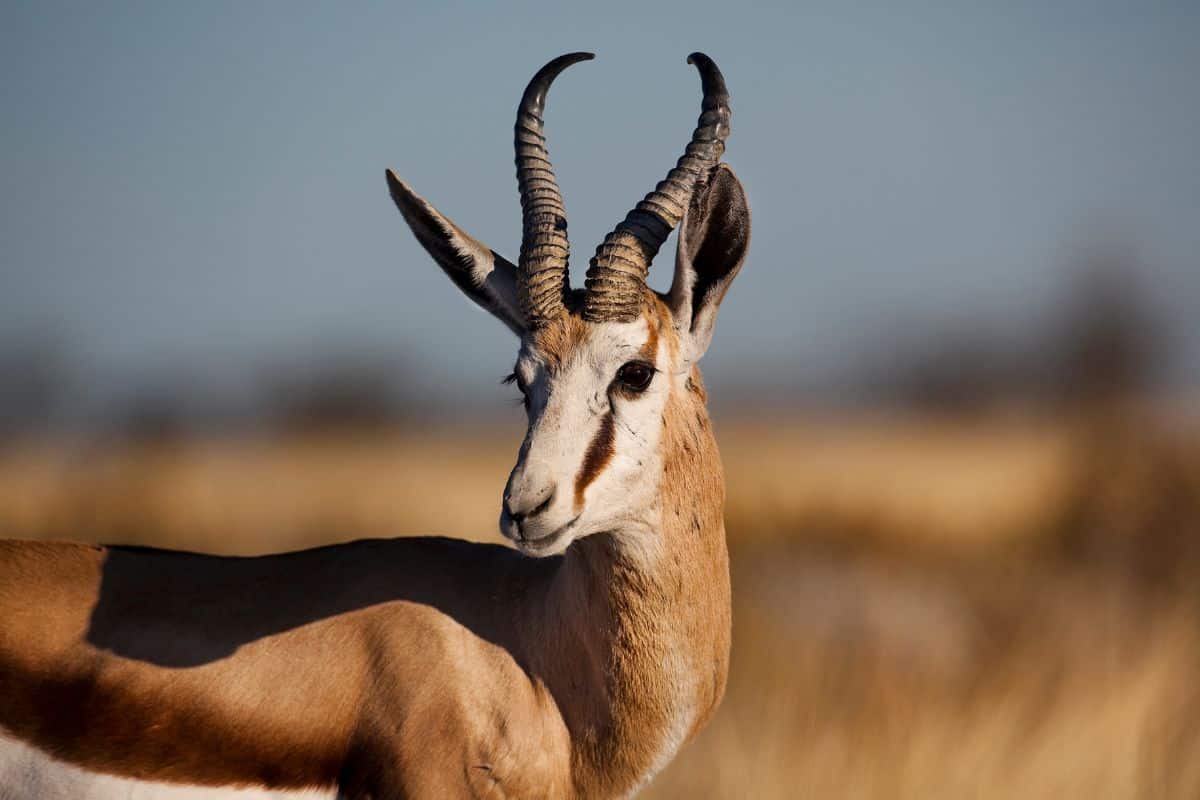
Springbuck male, Etosha, Namibia. Credits: Mogens Trolle from Getty Images
Rewilding as a Shared Dream
ORKCA is weaving together community, land and wildlife, through dedicated land restoration, community agency building and science-led stewardship. Their ambition: to rewild 1 million hectares of restored wildness, where nature and people flourish side by side. ORKCA reminds us that rewilding is rarely isolated but rather nurtured through relationships, resilience, renewal. In the Orange River-Karoo, history is being restored through purpose, partnership, bridge building and the promise of shared resilience of people and land.
Credits: ORKCA