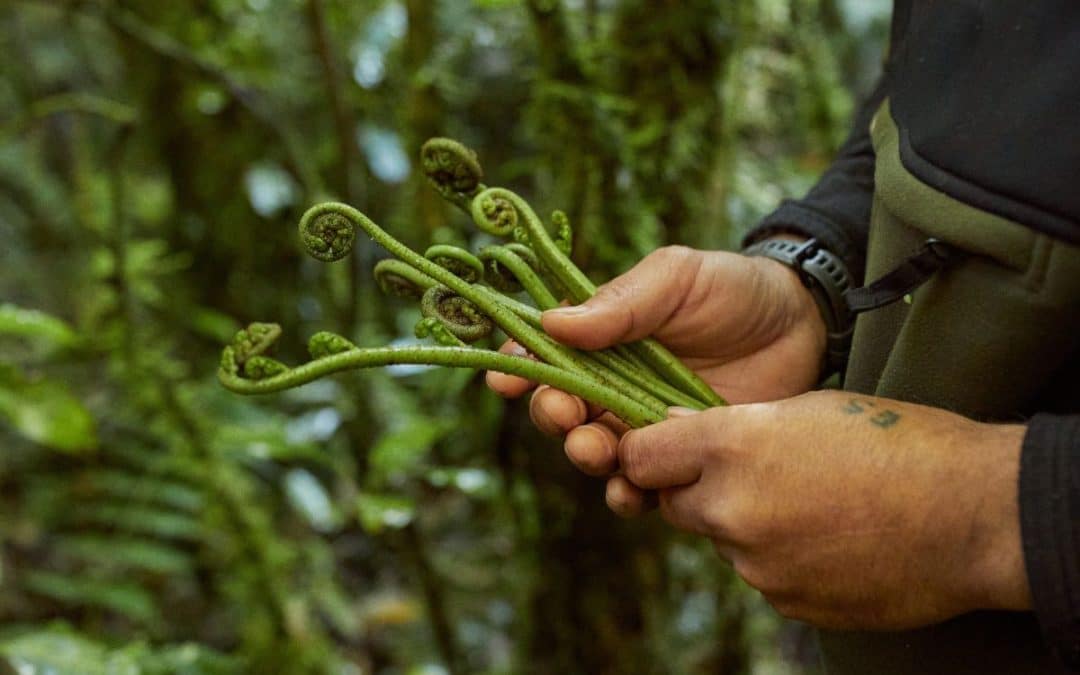
Pikopiko, young coiled fern fronds foraged for eating in Spring. Credit: Cam Neate for Manaaki Kaimai Mamaku Trust
The Manaaki Kaimai Mamaku Trust is a co-governed organization dedicated to restoring the mauri (life force) of the 37,000-hectare Kaimai Mamaku park in New Zealand. The native forest, home to unique flora and fauna, is threatened by introduced predators and browsing animals like rats, possums, and goats. Established in 2019, the Trust administers significant funding to empower independent iwi-led pest control projects. Field teams blend traditional Māori knowledge with modern science, yielding results like achieving zero rat activity to support the endangered kōkako songbird. The Trust is also developing internationally accredited Nature Credits. This mission restores environmental resilience while fostering community employment and well-being among the people of the land.
In the heart of Aotearoa New Zealand, the Kaimai Mamaku conservation park has profound history and cultural significance. The park spans approximately 37,000 hectares from the Karangahake Gorge near Paeroa in the north, to the Mamaku Plateau near Rotorua in the south. This lush expanse of native forest forms a crucial ecological transition zone and harbours a unique mix of flora and fauna found nowhere else on Earth, including rare indigenous plants and majestic mature trees, some centuries old. Here, the kererū (wood pigeon), tūi (honey eater bird) and kōkako (songbird) sing in harmony within the canopy, while the elusive Hochstetter’s frog finds refuge near pristine, shaded streams. This sacred environment functions as a living entity, deeply connected to the indigenous Māori communities who have safeguarded and called it home for centuries.
However, the land is in trouble and needs human intervention to return it to the way nature intended. Introduced apex predators and browsing animals have taken over the landscape, predating taonga manu (native/sacred birds), and browsing vegetation.
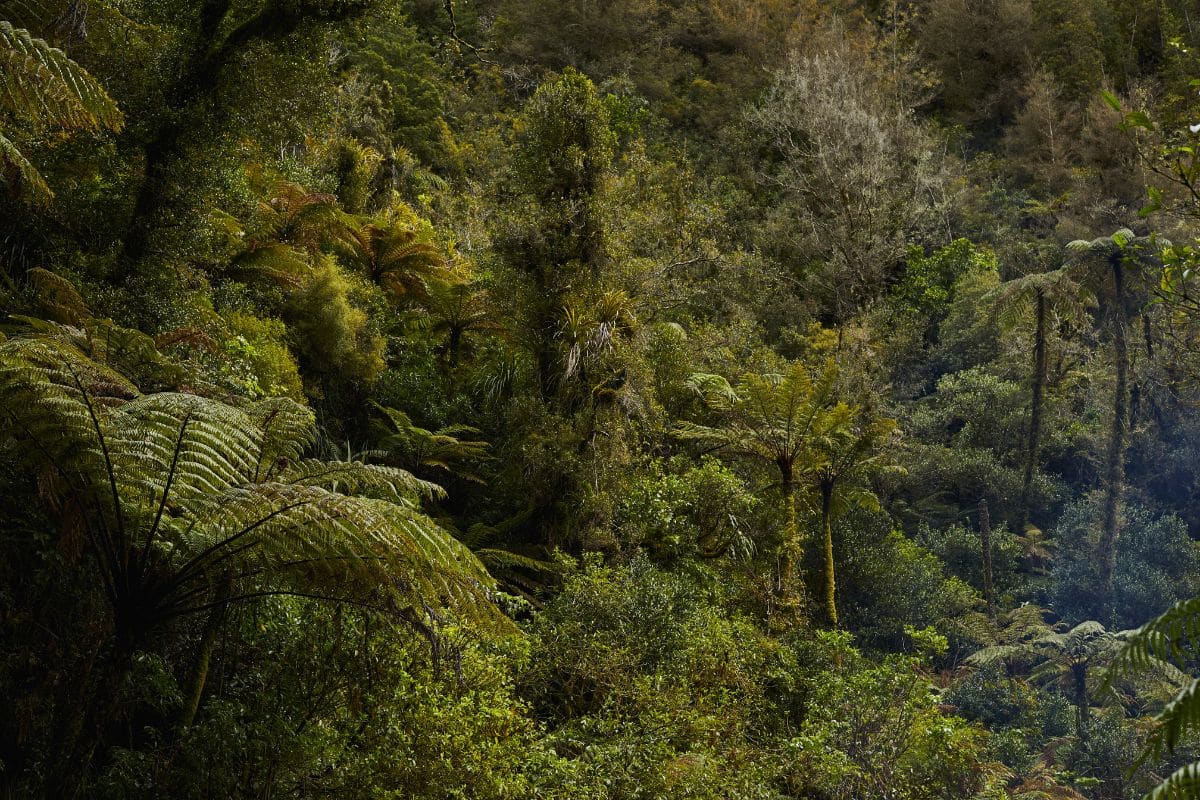
Ngati Hangarau whenua (land) in Bay of Plenty with prominent Mamaku, New Zealand’s tallest native tree fern. Credit: Cam Neate for Manaaki Kaimai Mamaku Trust
A Vision Led by Tangata Whenua
Guiding the resurgence of this unique landscape is our partner, Manaaki Kaimai Mamaku Trust, a visionary co-governed organisation dedicated to restoring the mauri (life force) of the ngahere (forest). The Trust was established in 2019 to provide a formal structure for receiving and administering landscape-scale restoration funds. It has administered significant financial resources, including $19.4 million from the Government’s Mahi mō te Taiao (Jobs for Nature) programme, distributing the vast majority of this funding directly to independent iwi-led conservation projects.
Restoring the mauri is more than a reduction in undesirable characteristics, it means that the balance is tipped towards improving condition and upwards momentum. The need to reverse the decline and improve the resilience of forests and streams in the face of climate change, pest pressures, and pathogen risks is urgent to prevent the irreplaceable loss of New Zealand’s unique biodiversity. That urgency gives momentum to the mission “the Kaimai Mamaku thrives; hence we thrive”.
The Trust acts as an umbrella organisation for the Kaimai Mamaku Restoration Project – a collection of restoration projects that unites iwi and hapū, with various stakeholders including the Department of Conservation and regional councils.
By empowering independent iwi-led pest-animal and pest-plant control projects, the Trust facilitates a powerful reconnection between tangata whenua – the people of the land – and their ancestral lands. Dedicated field workers walk the exact pathways of their tūpuna (ancestors) applying rich traditional knowledge alongside modern ecological science to heal the environment.
The Kaimai Mamaku thrives; hence we thrive.
Manaaki Kaimai Mamaku Trust’s mission
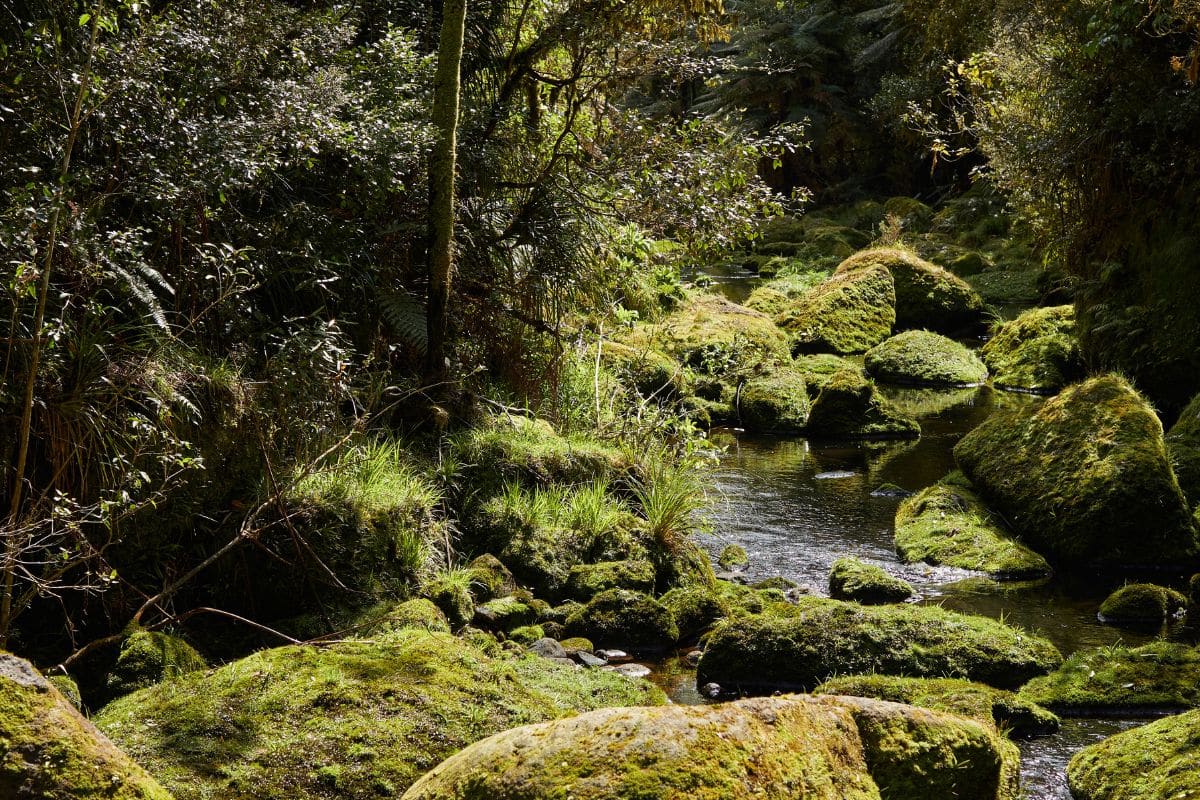
Ngatuhoa stream, Opuiaki, Bay of Plenty. Credit: Cam Neate for Manaaki Kaimai Mamaku Trust
Grounding Work in Scientific Foundations
The journey to restore these ecosystems demands resilience and forward-thinking strategies. Because New Zealand is an island, it is particularly sensitive to introduced species, including predators and browsers, such as possums, rats, mustelids, and feral goats which pose a severe threat to native species and fragile habitats. Field teams navigate steep, demanding terrain to manage extensive predator control networks and monitoring technologies.
Despite these challenges, their efforts yield remarkable results, such as achieving zero rat activity across significant tracts of bush to support a successful breeding season for the endangered kōkako songbird. The Trust actively supports capacity-building for field teams by providing expert advice, data management systems like GIS mapping for tracking pests, health and safety audits, and targeted training to ensure their work is safe, professional, and effective.
And, because government funding like Jobs for Nature is temporary, the Trust is working to change the funding model by introducing internationally accredited Nature Credits to Aotearoa. This approach allows businesses to make verified, nature-positive investments while ensuring the long-term financial sustainability of large-scale ecosystem restoration.
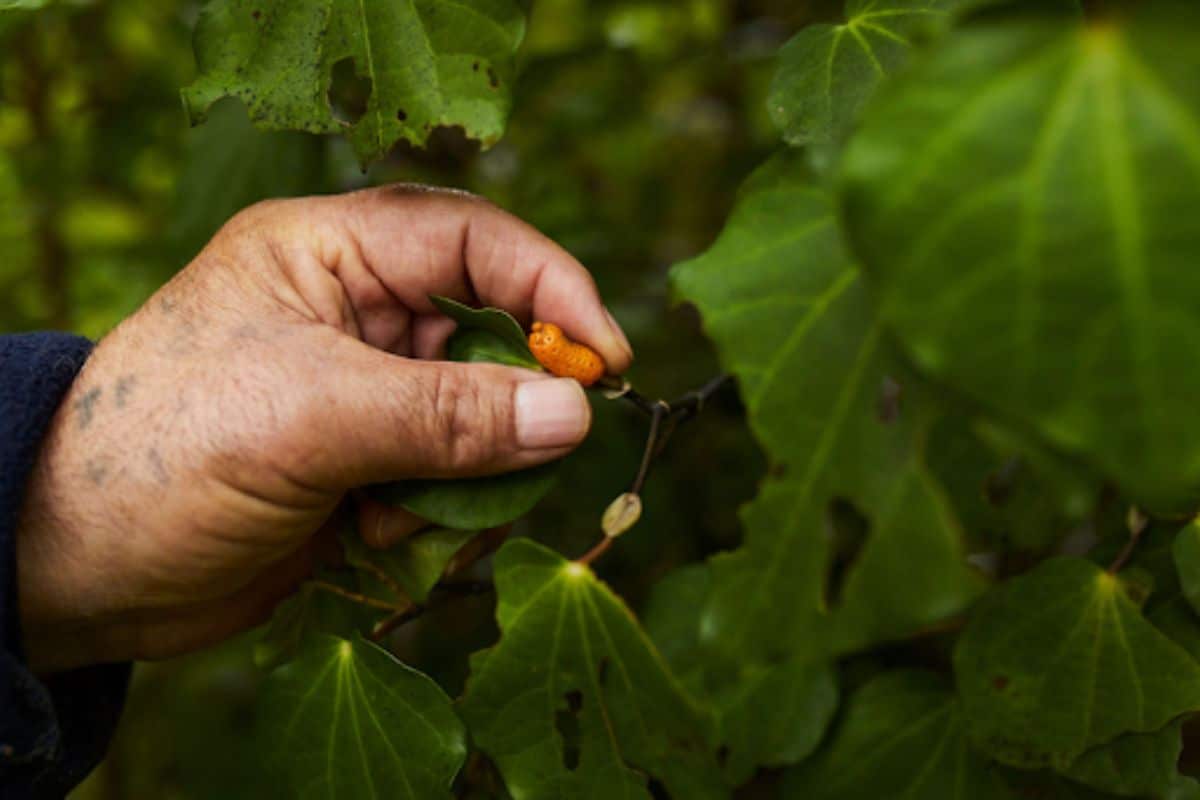
Fruit of the native kawakawa (Piper excelsum), a delicacy for kererū. Credit: Cam Neate for Manaaki Kaimai Mamaku Trust
Cultivating Community
Healing the land cascades directly into the healing of the people. Restoring the forest generates vital, purpose-driven employment that uplifts entire communities across the Bay of Plenty and Waikato regions. The Trust conducted a Social Impact Survey in 2025, which revealed that a vast majority of Kaimai Mamaku Restoration Project (KMRP) workers experience enhanced mental well-being and feel a stronger connection to their wider communities, as they draw strength and spiritual grounding from their daily immersion in nature.
Mirroring many rewilding efforts from all over the world, this work nurtures environmental resilience while building immense social cohesion. Within a growing community, individuals can actively protect their local environment for future generations.
A bright future stretches across the peaks and valleys of the Kaimai Mamaku. As rākau rangatira (chiefly, mature trees) stand tall and wildlife populations expand into safe, thriving habitats, the landscape serves as a beacon of hope and collaborative triumph. Through unwavering commitment to the environment and its protectors, a vibrant legacy is taking root, creating a world where nature and humanity prosper.
Manaaki Kaimai Mamaku Trust’s dedicated stewardship and deep respect for mātauranga (Māori knowledge) provides a blueprint for the wider global rewilding movement. The local healing witnessed here breathes hope into a vision shared at planetary-scale, proving that when communities actively nurture their landscapes, they help the Earth flourish once again.
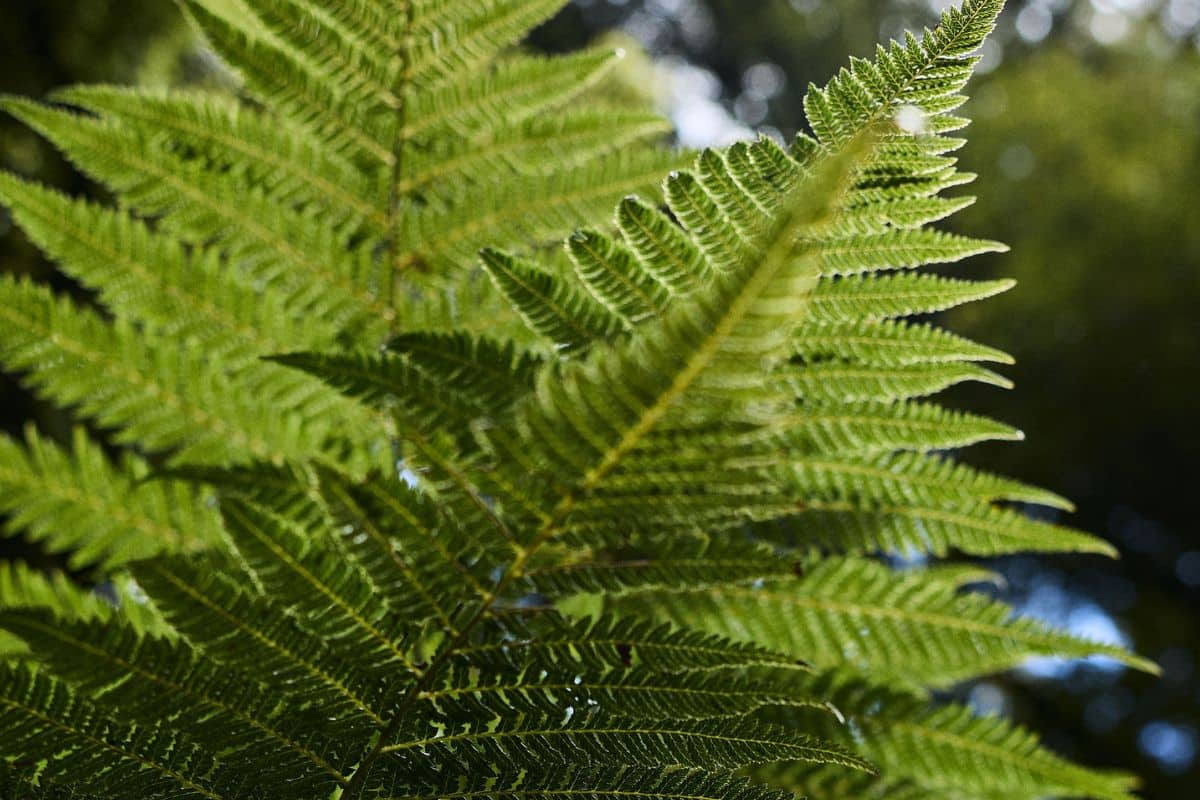
Credit:Cam Neate for Manaaki Kaimai Mamaku Trust