
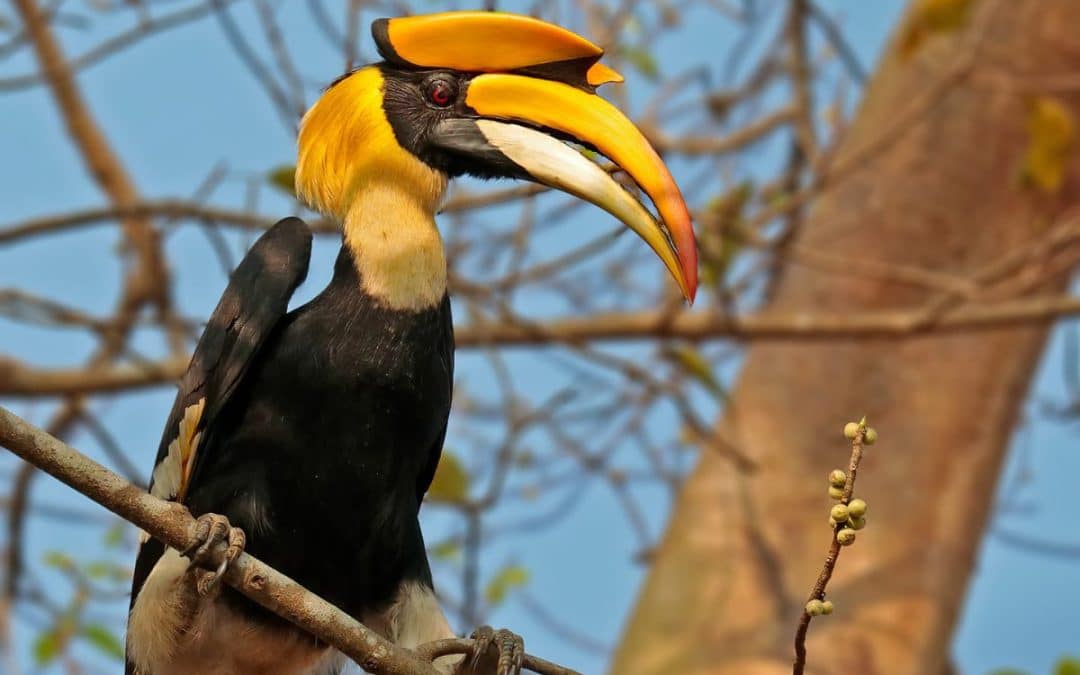
Hornbill perched on a tree branch. Credit: Sahyadri Sankalp Society
The Sahyadri Sankalp Society, operating in India’s Western Ghats, is a non-profit dedicated to integrating community prosperity with nature restoration in the UNESCO World Heritage Site. A central effort is the Hornbill Study and Conservation Project, which protects three Hornbill species through habitat restoration, a Food Plant Nursery, and the Dhanesh Mitra Mandal youth program. They also focus on safeguarding sacred groves and laterite plateaus. To support local communities, they promote organic agriculture and strengthen food security through an Indigenous Seed Bank Project. Additionally, they host the Nisargbhan Lecture Series for public education and champion human-wildlife coexistence by monitoring mammal movements to mitigate conflicts.
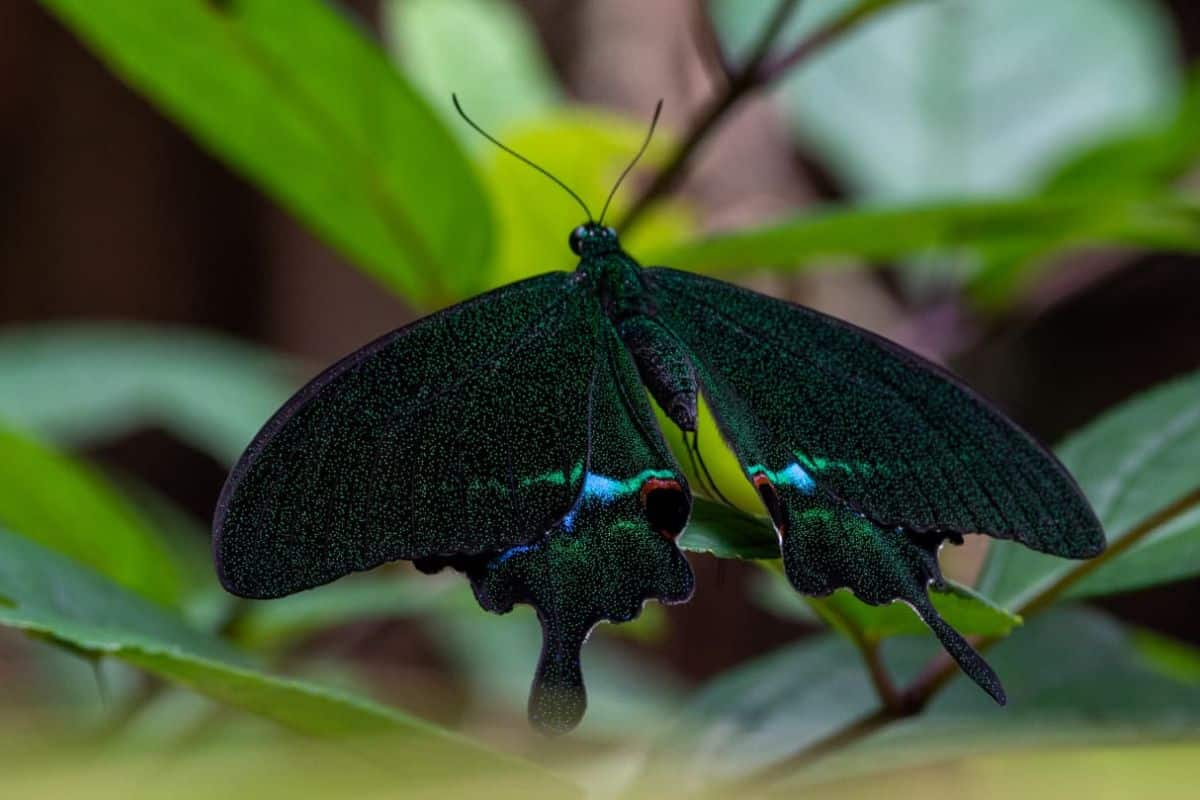
The Western Ghats’ region is rich in Butterfly diversity. Credit: Sahyadri Sankalp Society
The Global Rewilding Alliance is delighted to spotlight Sahyadri Sankalp Society, an Alliance Partner in our network, integrating local expertise and dedicated action from India’s Western Ghats. Operating within the Sahyadri ranges of Maharashtra, Sahyadri Sankalp Society is a registered non-profit organisation founded by a passionate collective of ecologists, community leaders, and dedicated researchers.
Their efforts are driven by the vision of a society where people and nature flourish in harmony, safeguarding the unique biological diversity of this UNESCO World Heritage Site while ensuring that local communities prosper through sustainable livelihoods.
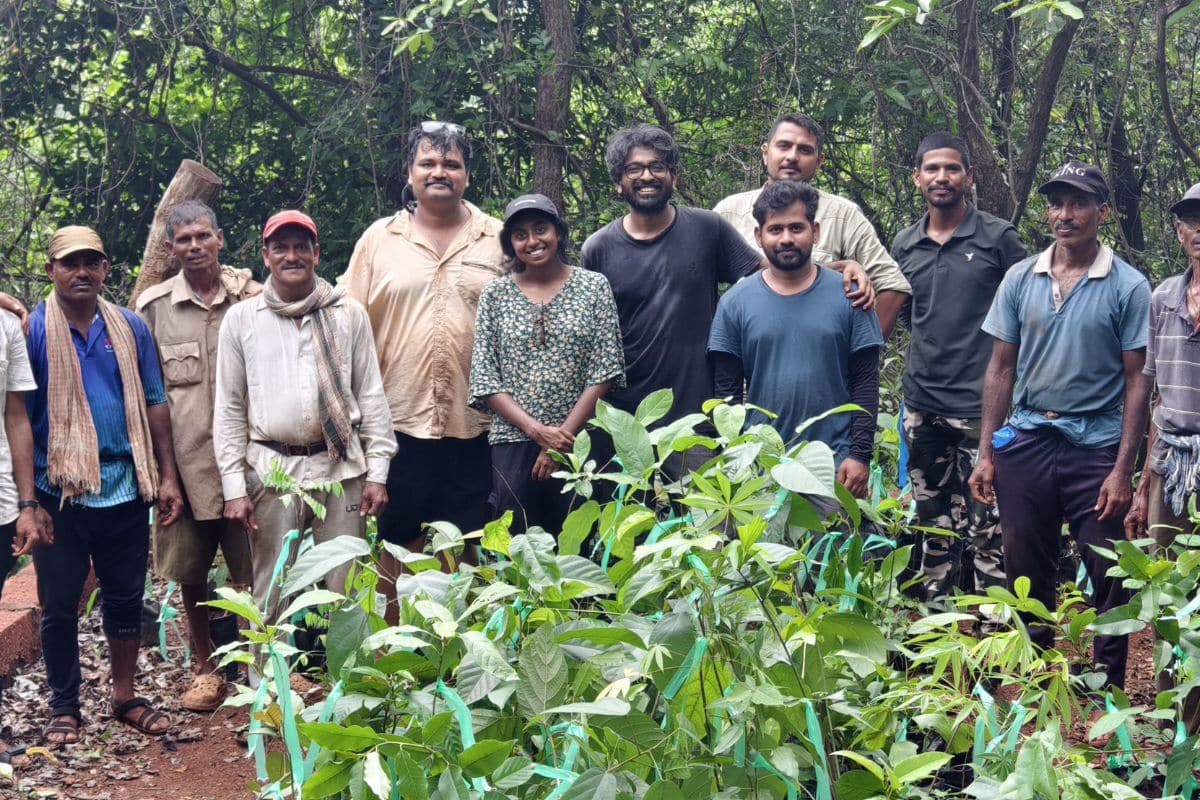
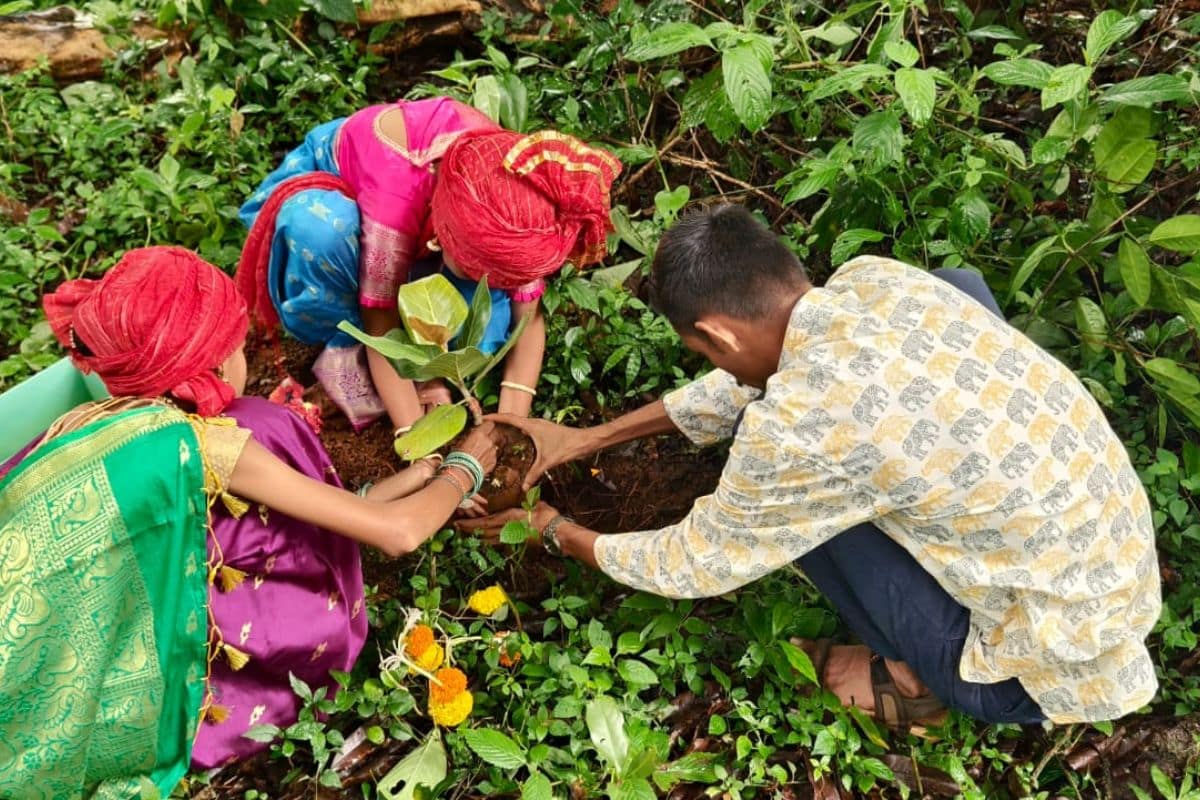
Credit: Sahyadri Sankalp Society
Protecting Hornbills – our revered ‘Farmers of the Forest’
At the heart of the organisation’s mission lies the Hornbill Study and Conservation Project, an initiative dedicated to protecting three key species: the Great Hornbill, the Malabar Hornbill, and the Malabar Grey Hornbill. Revered as ‘Farmers of the Forest,’ these birds are indispensable agents of seed dispersal, making their presence, protection and population revival all vital for overall ecosystem health.
The Sahyadri Sankalp Society team confronts the pressing challenge of habitat loss by focusing efforts on increasing the dwindling number of ancient trees crucial for hornbill breeding, nesting, and feeding. As a foundational layer to this work, they cultivate a Hornbill Food Plant Nursery, growing native saplings from seeds carefully collected from the forest floor beneath active nesting cavities. Their comprehensive strategy to protect this species also involves CCTV habitat monitoring to ensure successful fledging, hosting widespread awareness campaigns, and empowering local youth as custodians of these birds through their Dhanesh Mitra Mandal (Friends of Hornbill Club) program.
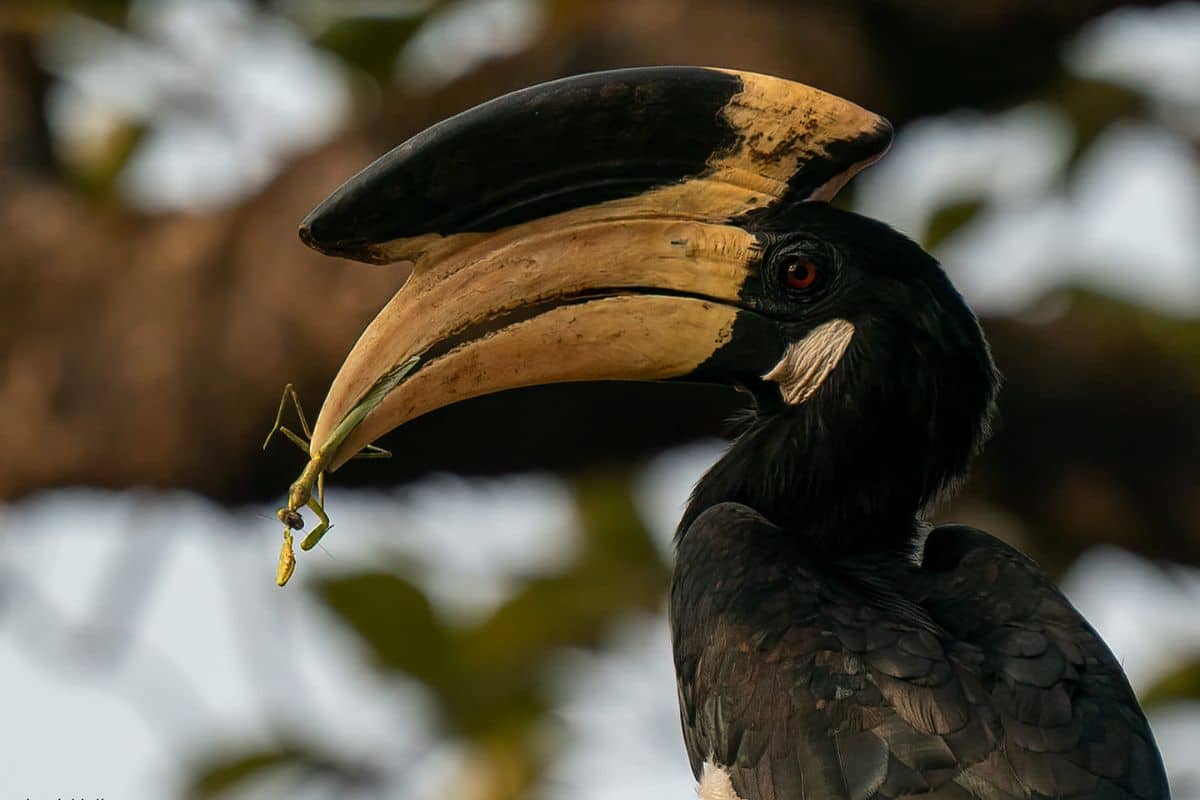
Hornbill and its prey. Credit: Sahyadri Sankalp Society
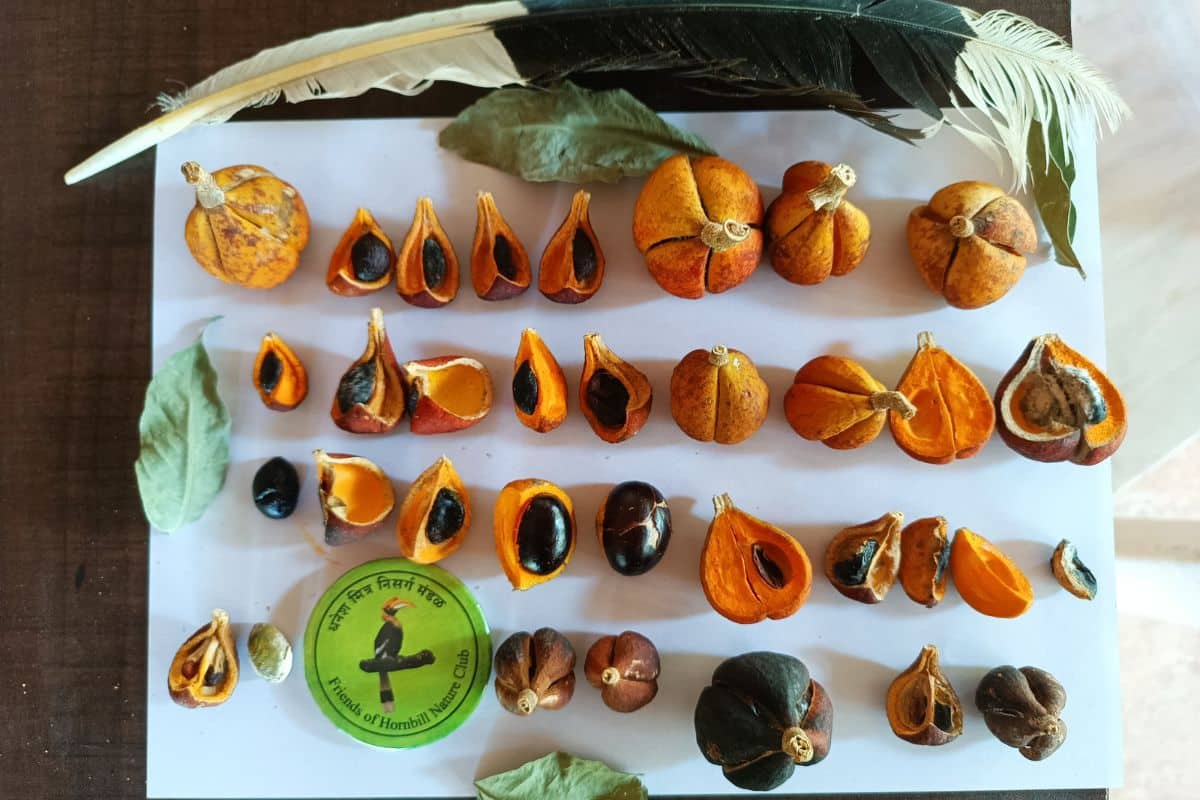
Seeds are carefully collected from the forest floor beneath Hornbills nesting cavities to grow native saplings. Credit: Sahyadri Sankalp Society
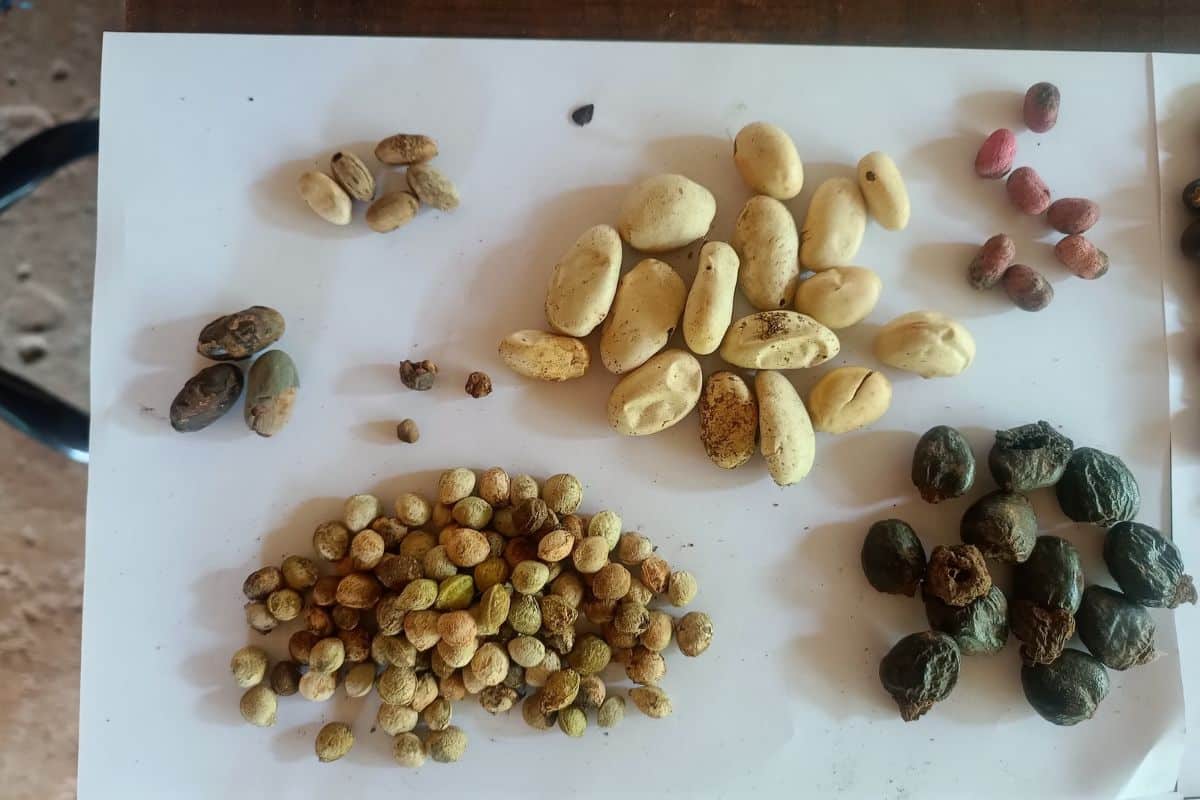
Credit: Sahyadri Sankalp Society
Protection of sacred groves: sowing seeds of rural empowerment
Sahyadri Sankalp Society extends its science-backed efforts to the rocky laterite plateaus (known locally as sadas) of the Konkan region. They are committed to safeguarding these landscapes that host a rich variety of endemic biodiversity adapted to extreme conditions. Through dedicated research, the organisation is documenting this diversity to formulate effective ecological restoration initiatives, including the protection of sacred groves.
This groundwork is seamlessly connected to rural empowerment through the promotion of Organic Agriculture for Sustainable Livelihoods. By helping rural farmers transition to chemical-free farming, the initiative actively strengthens soil health, water resources, and food security. The organisation diligently runs an Indigenous Seed Bank Project, alongside exploring the nutritional richness contained within local wild fruits and vegetables. These efforts help revive and sustain local food heritage, positioning them as living repositories of resilience and hope for future food security.
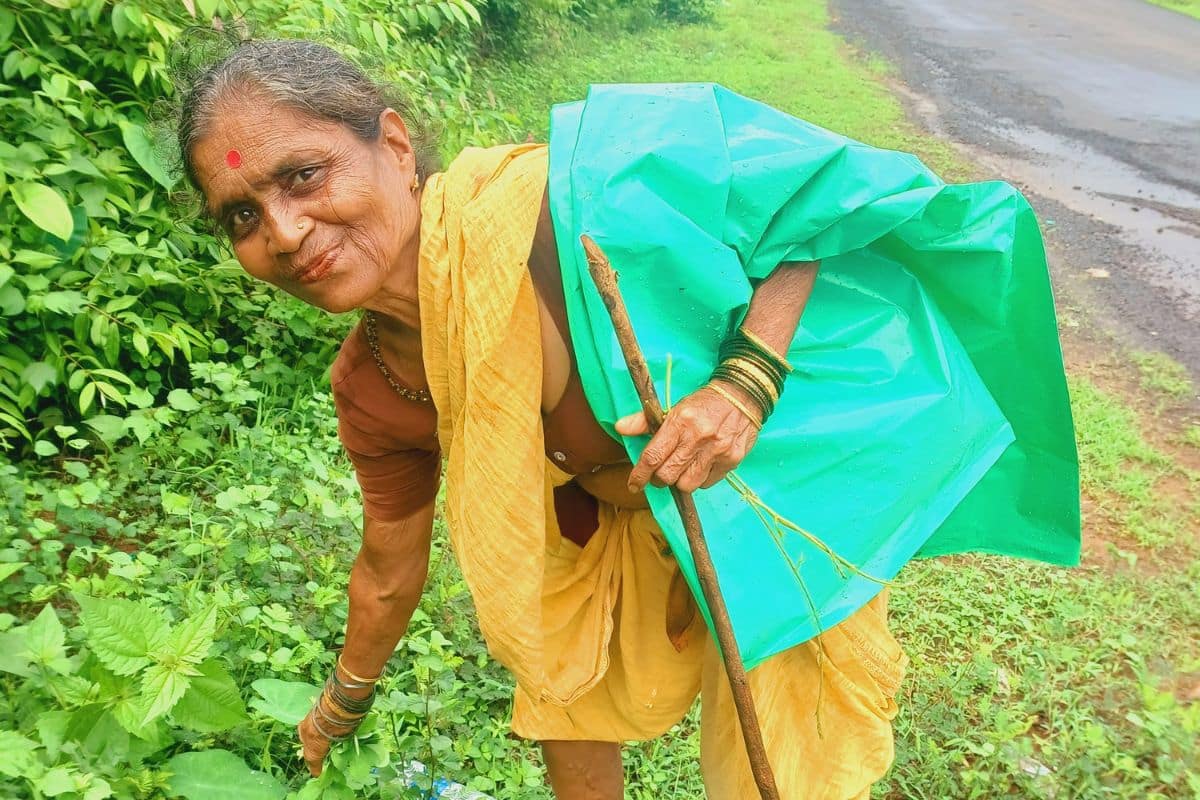
Sahyadri Sankalp Society works to empower rural communities through the promotion of Organic Agriculture for Sustainable Livelihoods.Credit: Sahyadri Sankalp Society
Rewilding Minds alongside Nature
Central to Sahyadri Sankalp Society’s ethos is its commitment to public enlightenment. They host the acclaimed Nisargbhan Lecture Series, translating from Marathi as ‘consciousness about nature’. Launched in April 2021 during the global pandemic lockdown, this lecture series focused on critical topics such as sustainable agriculture, habitat recovery, and climate change adaptation. This accessible format has drawn over 7,600 participants, fostering a widespread engagement with environmental knowledge.
Furthermore, Sahyadri Sankalp Society actively champions human-wildlife coexistence. They employ camera traps to monitor the movement of mammals such as Leopards that frequent human settlements. By better understanding these movements, they help mitigate potential conflicts, promoting safety and mutual respect among local populations.
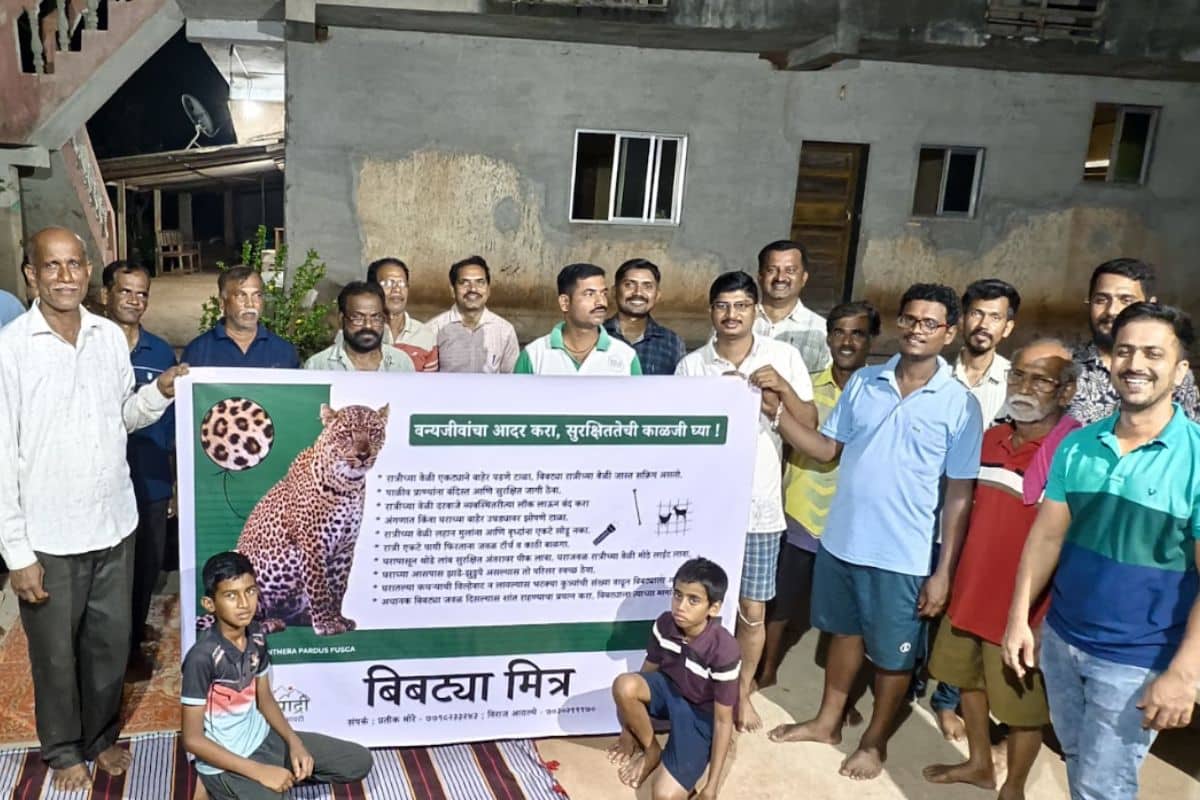
Sahyadri Sankalp Society actively champions human-wildlife coexistence through actions like the Friends of Leopard Programme. Credit Sahyadri Sankalp Society
Sahyadri Sankalp Society is planting seeds deep within the soil of a community, ensuring that the roots of ecological wisdom grow strong enough to sustain the entire forest above.
Their model demonstrates the profound positive impact achievable when scientific rigor meets passionate community-led action in critical biodiversity hotspots.
We are proud to have them in our Alliance.
To learn more, visit their website.


Some of the fascinating and diverse flora and fauna of the Western Ghats. Credit Sahyadri Sankalp Society