Credit: Turgut Kirkgoz from Pexels
On World Wetlands Day, 2nd February 2026, the Global Rewilding Alliance launches the three-year Wetlands Action Plan; a continent-wide, practical framework to embed rewilding, and the functional role of wildlife, into wetland policy, governance, and management. The Action Plan builds directly from strong, yet overlooked, evidence that wild animals strengthen the health, resilience and life-supporting functions of global wetlands and begins implementation in sub-Saharan Africa. Working through the Convention on Wetlands and in collaboration with established regional partners, the Action Plan sets out to place wild animals at the centre of wetland management and policy.
Building on the momentum of Taking Animals into Account, and responding directly to requests from African governments, the Global Rewilding Alliance is launching a three-year Wetlands Action Plan (2026–2028) that places wild animals at the centre of wetland management and policy.
The call for a Wetlands Action Plan
Across the world, wetlands are among the most productive ecosystems, sustaining ecological, economic, and cultural systems across rural areas, towns, and cities. Despite this importance, they are among the most degraded ecosystems on Earth. While climate change and development pressures are well recognized, a critical driver of wetland health has been largely overlooked in policy and restoration: wild animals.
Where animal populations are intact or restored, wetlands rebound faster, more effectively and more durably. The evidence shows that reintroducing and protecting key wild animal species could be a game-changer in tackling interconnected challenges, from water security to climate change.
Addressing this gap, the Global Rewilding Alliance released Taking Animals into Account in 2025, comprising a Global Report and an Africa Special Report (discover resources), demonstrating through multiple case studies the direct link between wild animals and the resilience, health and functioning of wetlands.
The Wetlands Action Plan (2026–2028) responds directly to the long-overlooked role of wild animals in both wetland policy and practice at a global scale. Building on the study and government requests following Convention on Wetlands COP15 in Victoria Falls in 2025.
Download the Wetlands Action Plan (2026–2028) overview (14 pages)
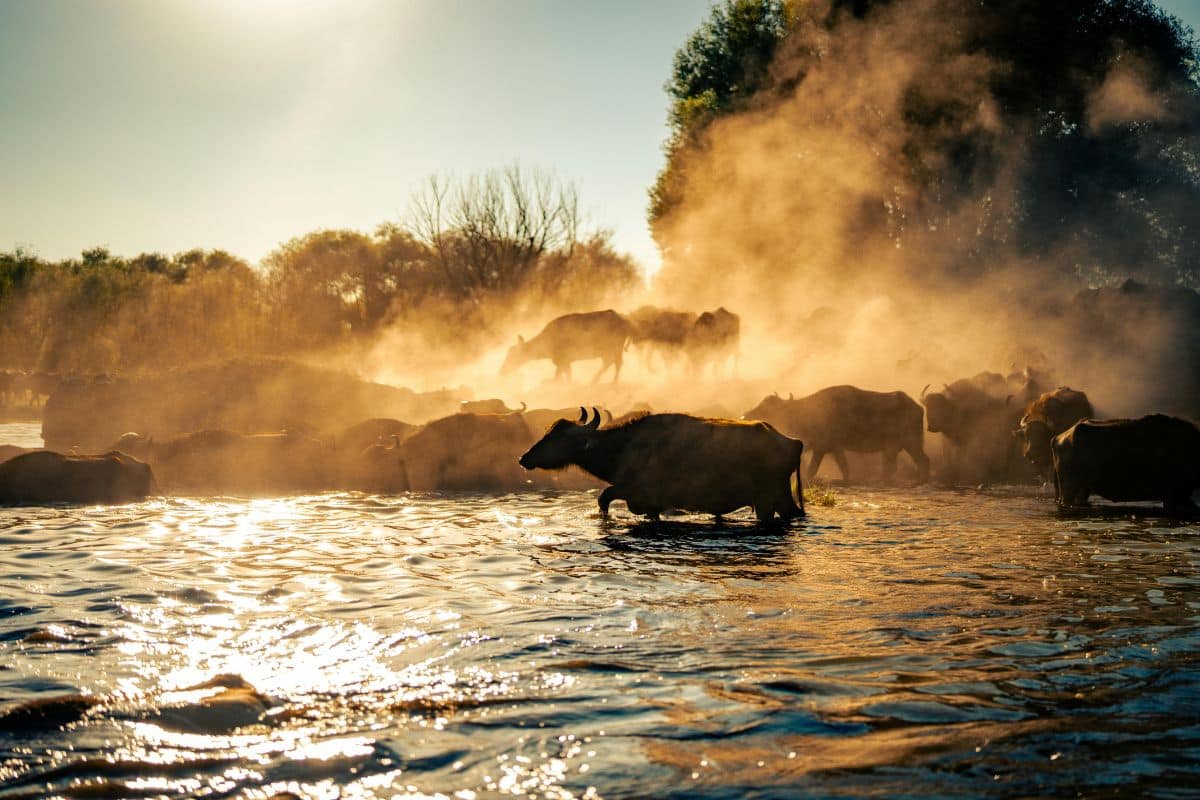
African Water Buffalo crossing river at sunrise. Credit Zeynep Sude Emek from Pexels
The first phase: sub-Saharan Africa as a global leader
The Action Plan begins in sub-Saharan Africa – the first phase of a rolling cycle that can expand to Latin America (2029–2031), at Convention on Wetlands COP16 in Panama in 2028.
The initiative positions Africa as a global leader in demonstrating how wildlife-driven ecosystems sustain all four ecosystem service pillars: supporting, regulating, provisioning, and cultural. Beginning in Sub-Saharan Africa, the Action Plan offers a continent-wide, practical framework to embed rewilding, and the functional role of wildlife, into wetland policy, management, and restoration across: rural landscapes, protected wetlands, working wetlands, and urban and peri-urban systems.
Dr Musonda Mumba, Secretary General of the Convention on Wetlands, says: “The Wetlands Action Plan for People and Nature shows how rewilding can change outcomes on the ground. Beginning in Africa, it positions the continent as a global example of how wildlife-driven wetlands can support people, economies and ecosystems, working through the Convention on Wetlands and in collaboration with established conservation and policy partners. Zimbabwe hosts the Plan at a time when wetland policy, science and delivery are coming into closer alignment under the Convention.”
The Action Plan will work through existing institutions, policies, and designation mechanisms rather than creating parallel structures.
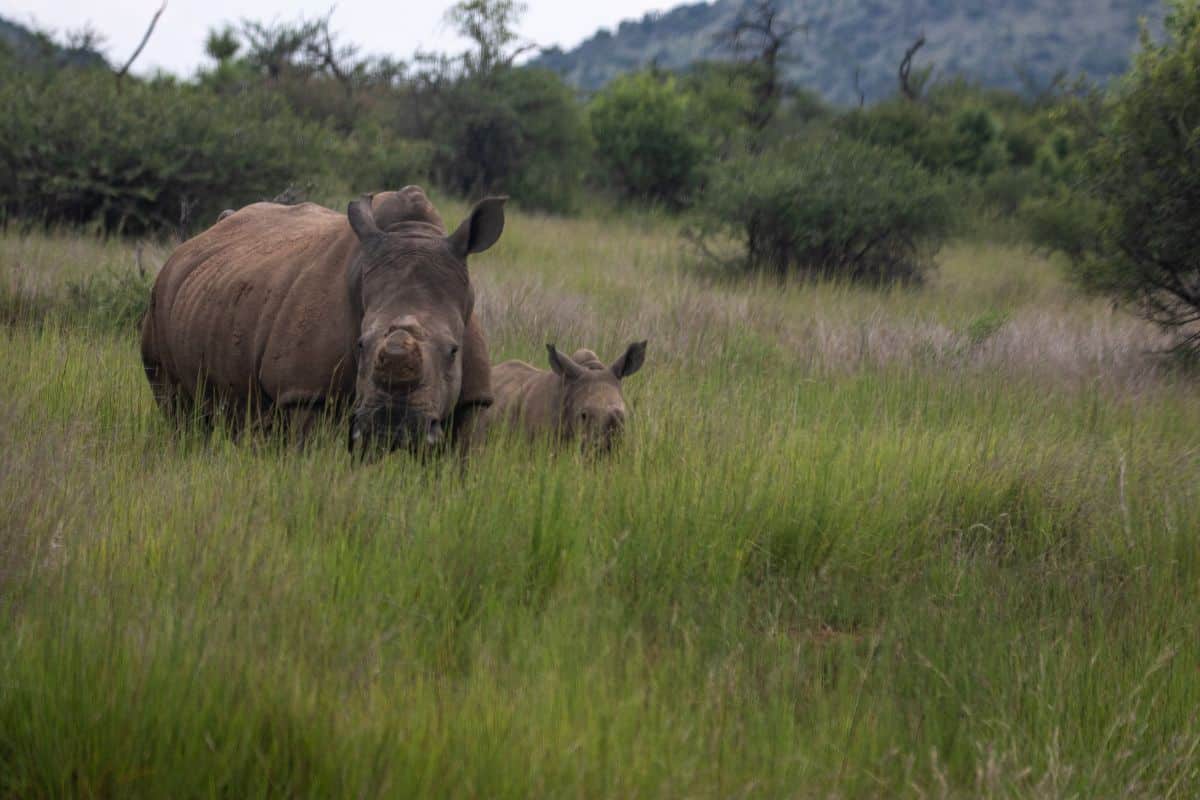
Rhino mother and calf – Wetland engineers. Credit Magda Ehlers from Pexels
Implementation: a practical proposition at its core
At its core is a practical proposition: restore and protect animal populations in wetlands to more effectively and durably enable life supporting services.
The Action Plan is implemented through several modules, including:
- closing key Wetlands of International Importance designation gaps in Africa;
- co-developing a second Africa Special Wetlands Report with strong government and research leadership;
- producing Convention on Wetlands management guidelines on integrating fauna into wetland governance and restoration;
- identifying and supporting high-potential rewilding initiatives with catalytic grants;
- prioritizing keystone species through sub-regional workshops; and
- advancing cross-cutting work that links science with Indigenous and local knowledge, and documents economic benefits and cultural – wetland relationships.
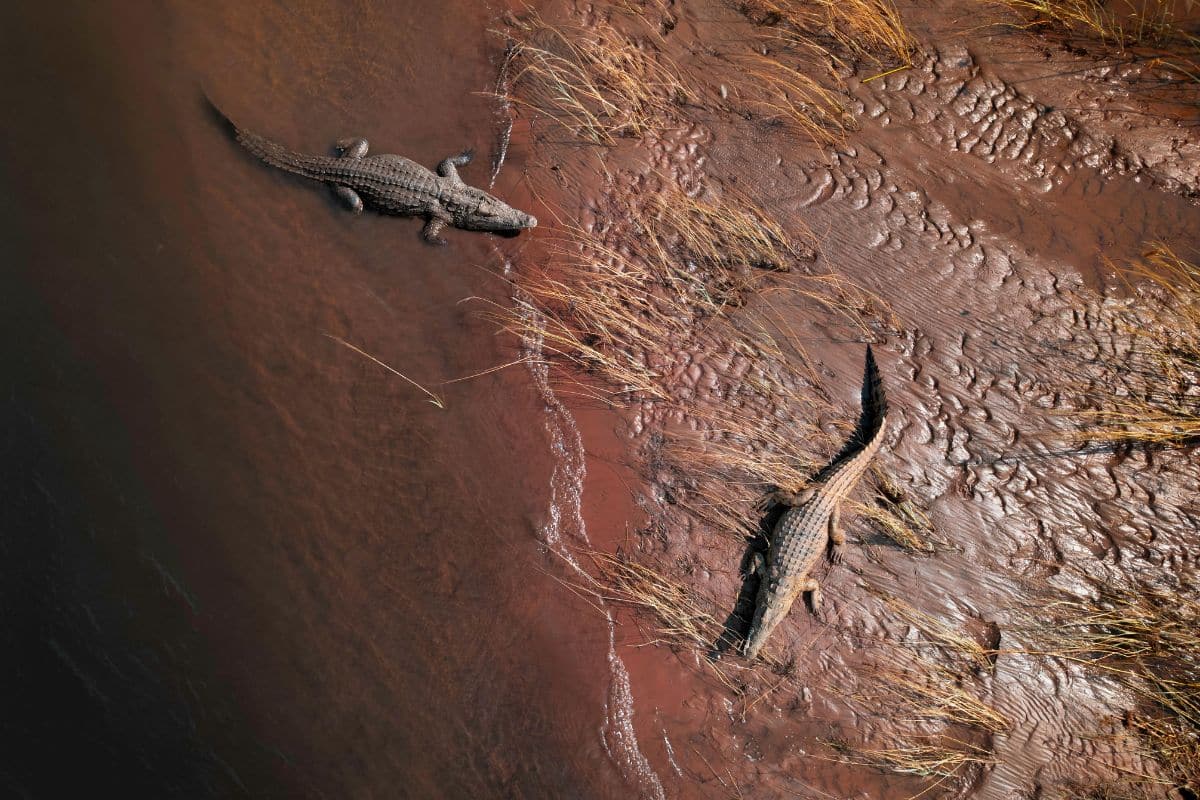
Crocodiles on a Riverbank in Zambia. Credit: Floating Rabbit from Pexels
Driven by real evidence, rooted in case studies
Crucially, the Action Plan is grounded in people and place. Evidence is already abundant; in Taking Animals into Account, Africa edition, studies stretch from the Okavango Delta, a wildlife driven floodplain to Banc d’Arguin National Park, one of the world’s most significant coastal wetlands; from Chumbe Island, where biodiversity and resilience have returned through protection and stewardship to floodplain recovery in Gorongosa’s Urema wetland in Mozambique. Across these systems, there is a common thread: wetlands regain their ecological processes that support communities.
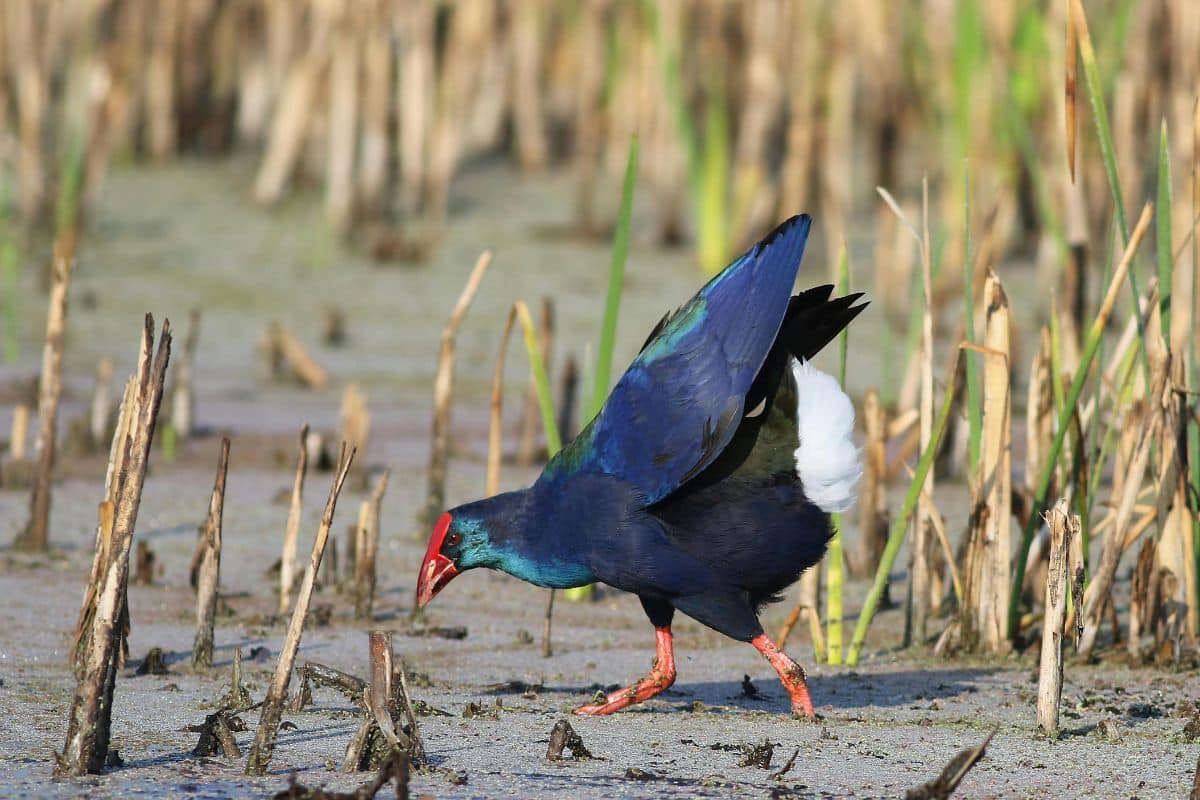
African Purple Swamphen in Wetland Habitat. Credit: Derek Keats from Pexels
The Action Plan recognises urban wetlands as critical frontlines for change. Often overlooked or treated as degraded endpoints, city wetlands sit at the intersection of biodiversity, water security, public health, and governance. By working through existing mechanisms such as the Convention on Wetlands’ Wetland City Accreditation scheme, the Action Plan helps cities translate wildlife-inclusive wetland science into practical planning, management, and restoration decisions, where the presence, or absence, of wildlife most directly shapes water security, resilience, and human wellbeing.
Building on this foundation, the Wetlands Action Plan will expand case studies across cities, floodplains, deltas, and working wetlands, using the stories from communities whose traditional knowledge, stewardship, and coexistence with wildlife have sustained wetlands for generations. These lived experiences, alongside science, form the backbone of an expanding evidence base that makes wildlife-inclusive wetland restoration decision-ready for policy-makers and funders.
The Wetlands Action Plan for People and Nature shows how rewilding can change outcomes on the ground.
Dr Musonda Mumba, Secretary General of the Convention on Wetlands
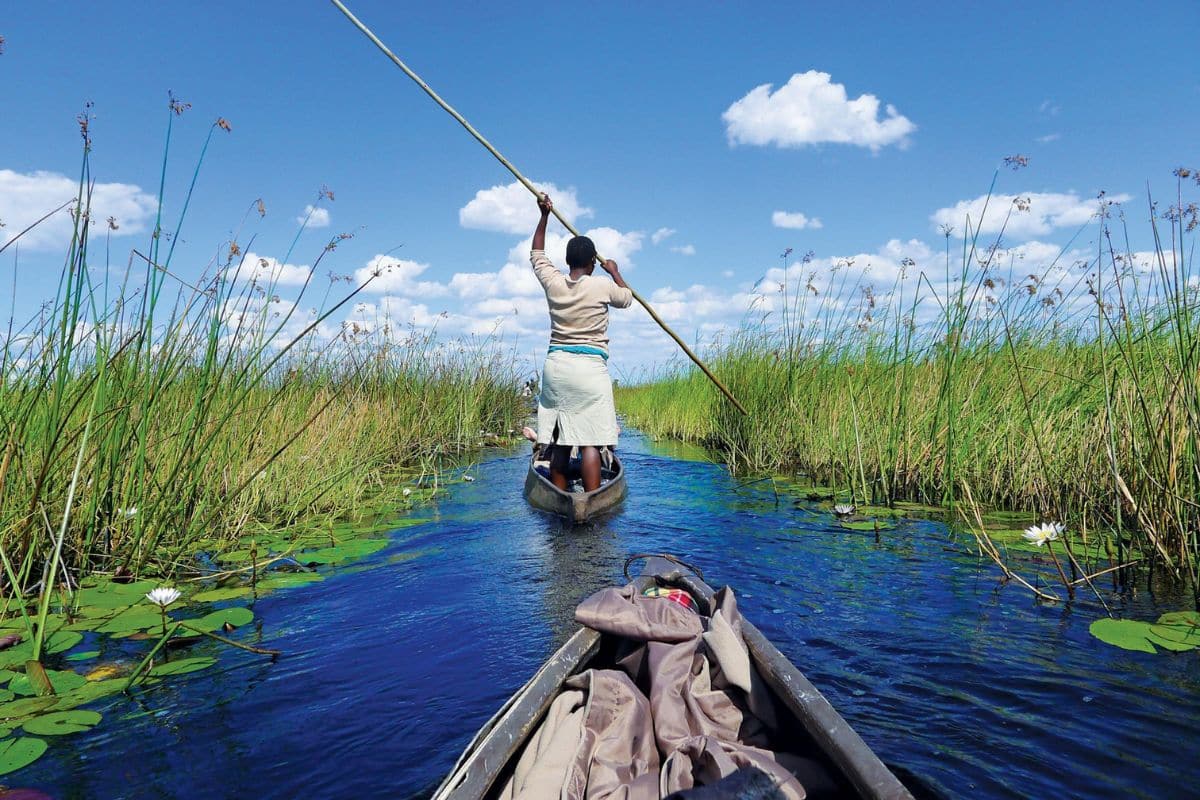
Wetlands are key for cultural identity, livelihoods and human prosperity. Credit: fbrigham from Pixabay
Built on strong international partnerships
Implemented in close collaboration with the Secretariat of the Convention on Wetlands, Wetlands International, African Wildlife Foundation, WWF, International Fund for Animal Welfare (IFAW), BirdLife International, Environmental Management Agency of Zimbabwe, The Ministry of Environment, Climate and Wildlife of Zimbabwe, and partners across the Global Rewilding Alliance’s network.
The programme leverages major global policy moments including the Freshwater Challenge and the UN Water Conference (December 2026), to elevate wildlife-inclusive wetland restoration within freshwater and coastal agendas. A central output is an interactive technical platform, co-branded with key partners, that connects science, policy tools, and storytelling, serving as a long-term hub for Convention on Wetland authorities, funders, NGOs, and practitioners through 2026–2031.
Implementation is coordinated through the Global Rewilding Alliance leadership, with on-the-ground delivery in Africa led by GRA’s Wetlands Officer for Africa, Dr. Mambo Ignatius Musona. Together with partners, the Action Plan builds shared projects, shared learning, and a stronger global narrative for rewilding wetlands as a credible, science-informed pathway to resilient, people-supporting ecosystems.
Ultimately, the Wetlands Action Plan serves as a vehicle for global policy and practice; taking animals – and the people who are working with them – into account. Join us in rewilding our world’s wetlands.
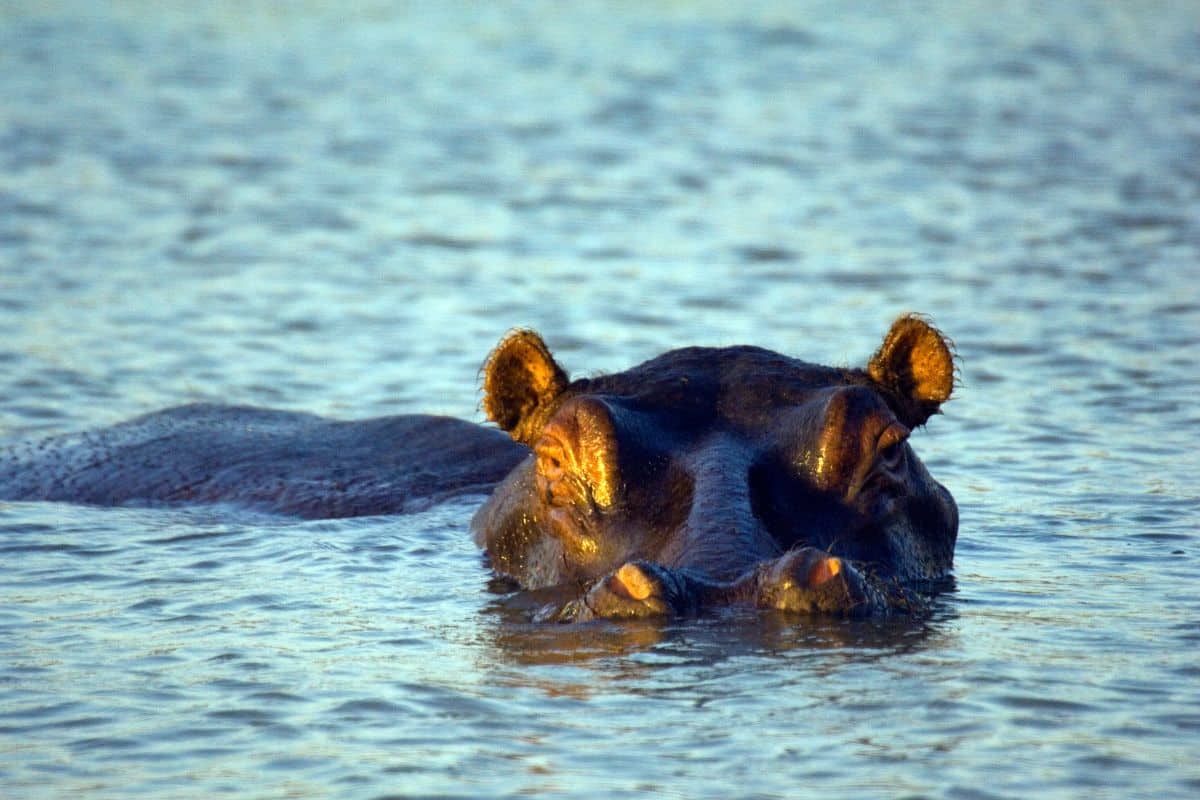
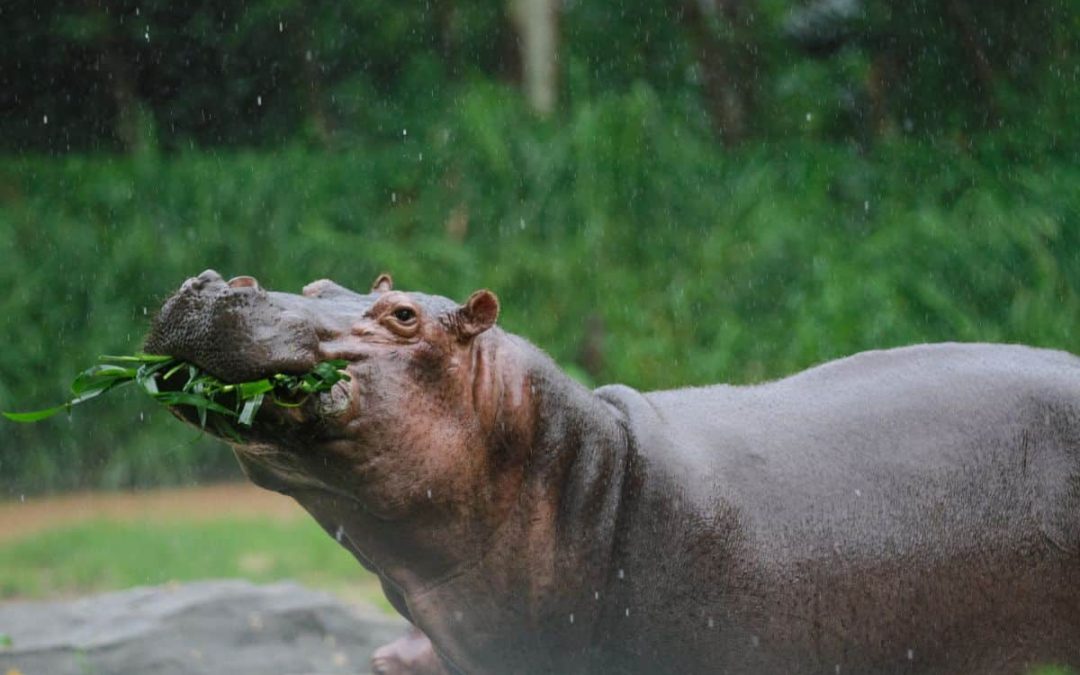
The presence of wild animals is key for wetland health. Photo: A Hippo wallowing. Credit stevenallan from Getty Images Signature
The programme leverages major global policy moments including the Freshwater Challenge and the UN Water Conference (December 2026), to elevate wildlife-inclusive wetland restoration within freshwater and coastal agendas. A central output is an interactive technical platform, co-branded with key partners, that connects science, policy tools, and storytelling, serving as a long-term hub for Convention on Wetland authorities, funders, NGOs, and practitioners through 2026–2031.
Implementation is coordinated through the Global Rewilding Alliance leadership, with on-the-ground delivery in Africa led by GRA’s Wetlands Officer for Africa, Dr. Mambo Ignatius Musona. Together with partners, the Action Plan builds shared projects, shared learning, and a stronger global narrative for rewilding wetlands as a credible, science-informed pathway to resilient, people-supporting ecosystems.
Ultimately, the Wetlands Action Plan serves as a vehicle for global policy and practice; taking animals – and the people who are working with them – into account. Join us in rewilding our world’s wetlands.
World Wetlands Day celebration
Launched on World Wetlands Day, 2nd February 2026, the Global Rewilding Alliance celebrates both the announcement of the Action Plan, as well as joining the Zimbabwe Government at Dichwe Wetlands in Mashonaland West Province to celebrate the day itself. The event will be led by the Environmental Management Agency and will be officiated by the Minister of Environment, Climate and Wildlife.
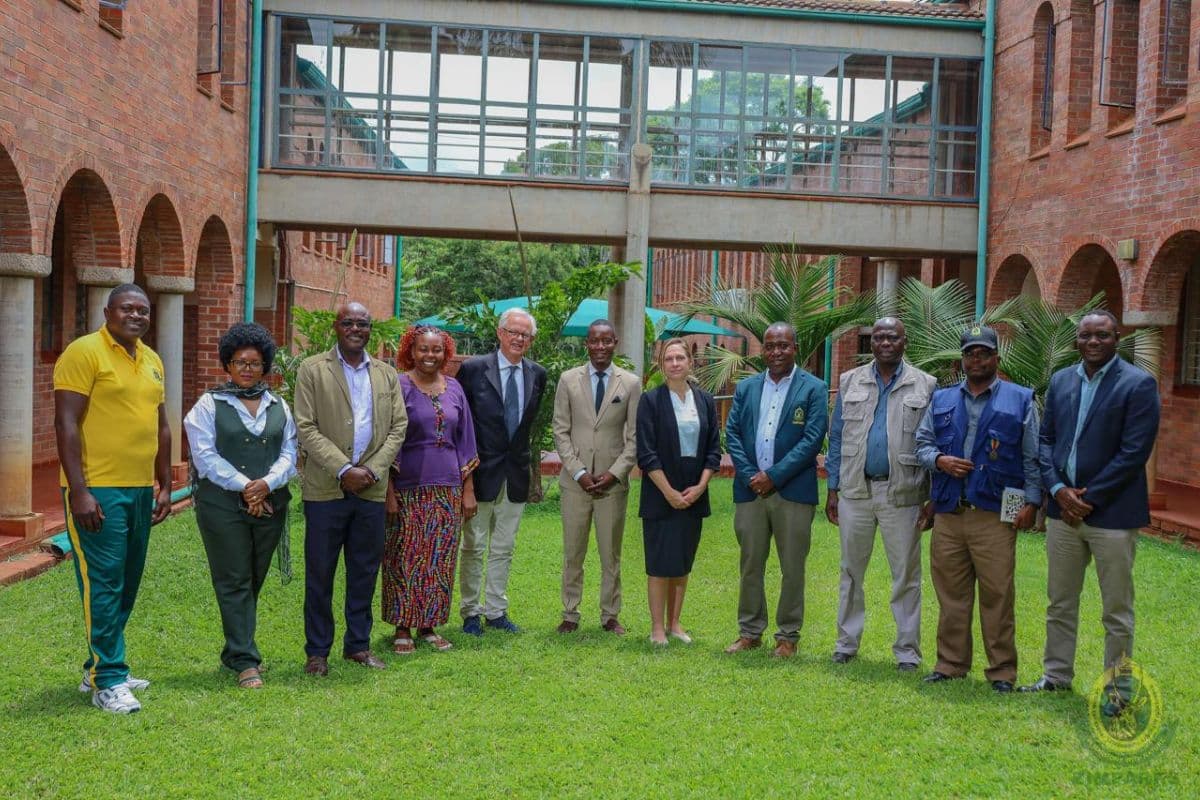
The Global Rewilding Alliance team with key regional partners in Harare, Zimbabwe, in January 2026, Credit: Global Rewilding Alliance