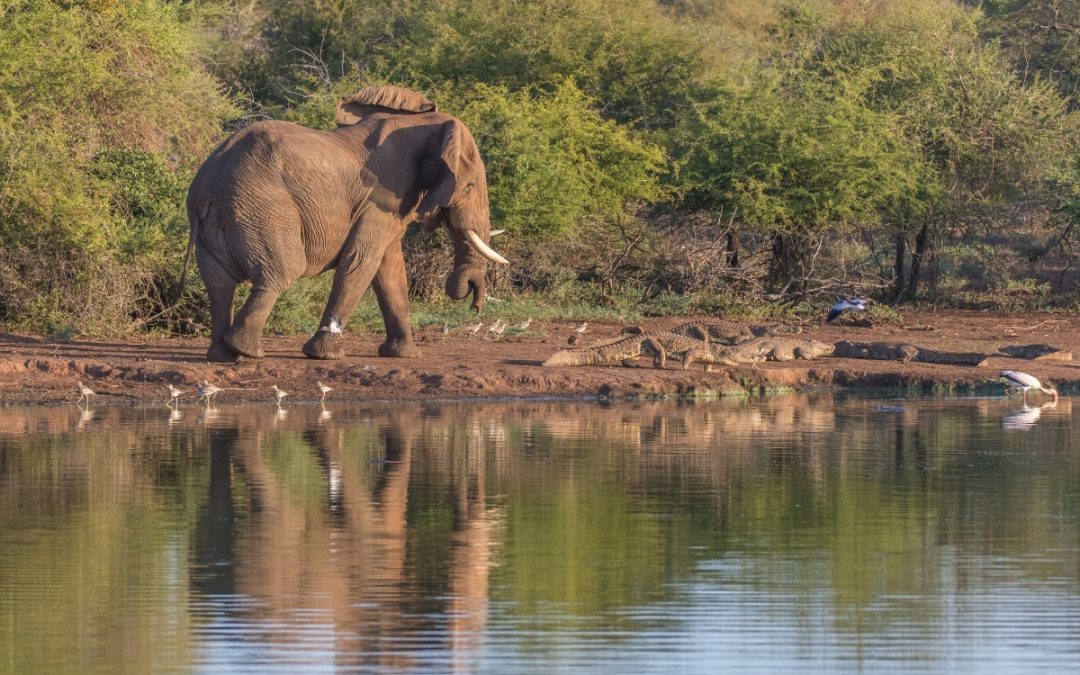
Photo credits: NamibElephant from Getty Images Signature.
This week, the 15th meeting of the Conference of the Contracting Parties to the Ramsar Convention on Wetlands (COP15) will be held in Victoria Falls, Zimbabwe, from July 23 to 31, 2025. We are bringing our network together to advocate for an ambitious rewilding perspective that includes wild animals at the heart of forward action.
What is the Ramsar Convention on Wetlands?
The Ramsar Convention on Wetlands is an international treaty for the conservation of wetlands of all kinds, notably the 2,531 ‘Ramsar sites’ – that is, designated wetlands of international importance that cover over 2.6 million square kilometres.
The Convention was signed in 1971 and is named after the city in which this took place: Ramsar in Iran.
Every three years, representatives of the 172 contracting parties meet at the Conference of the Contracting Parties (COP), the next being COP15 this year in late July. The 15th meeting of the parties will be held in Victoria Falls in Zimbabwe (our team is attending – get in touch if you are too!).
The Convention’s mission is “the conservation and wise use of all wetlands through local and national actions and international cooperation, as a contribution towards achieving sustainable development throughout the world”.
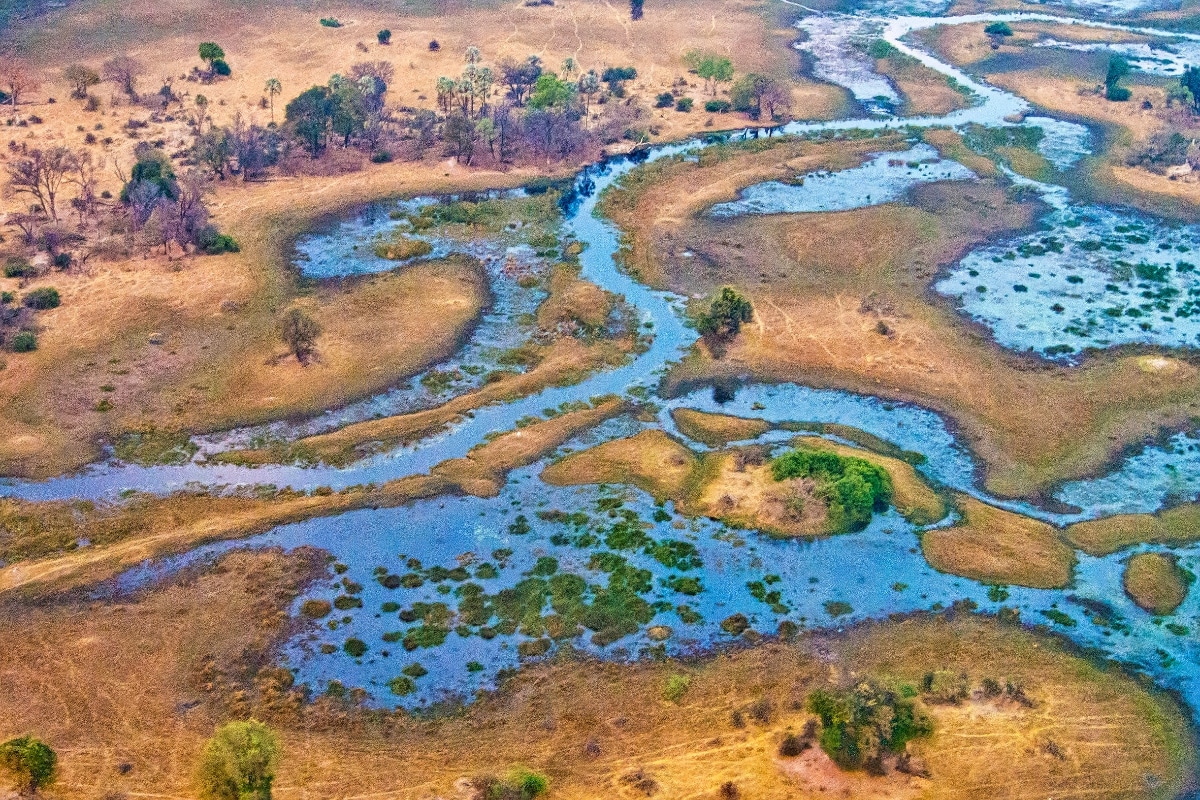
Okavango Delta. Photo credits: Al Carrera from Getty Images.
As you will see in our recent report, Taking Animals Into Account, the Convention uses a broad definition of wetlands. It includes all lakes and rivers, underground aquifers, swamps and marshes, wet grasslands, peatlands, oases, estuaries, deltas and tidal flats, mangroves and other coastal areas, including coral reefs and kelp forests.
Under the “three pillars” of the Convention, the Contracting Parties commit to:
- work towards the wise use of all their wetlands;
- designate suitable wetlands for the list of Wetlands of International Importance (the “Ramsar List”) and ensure their effective management;
- cooperate internationally on transboundary wetlands, shared wetland systems and shared species.
A rewilding perspective could scale positive action for wetlands
Our reports, Taking Animals Into Account and the follow-up edition on African wetlands (all found on our page for Wetlands action), intend to improve the protection and effective restoration of these all important ecosystems, particularly by highlighting the crucial roles of the wild animals that inhabit, shape and depend on them. Led by the Global Rewilding Alliance alongside a cohort of practitioner partners, these reports outline case studies that evidence the importance of healthy wild animal populations for ecosystem services, and proof of rewilding successes.
By adopting a rewilding perspective and putting ecosystem functionality and “ecological character” at the heart of its agenda, the Ramsar Convention could become a pioneer in the global conservation community. We are proud to have been working in alignment with the Ramsar Secretariat to achieve this with our official handover of ‘Taking Animals Into Account’ to the Secretariat.
“By recognising the fundamental ecological role of wild animals – mammals, birds, fish, reptiles, amphibians, crabs, crayfish and other organisms, we will become better at managing and restoring the world’s inland and coastal wetlands. This will dramatically increase the ecosystem services of wetlands to the benefit of all people on Planet Earth.”, says Magnus Sylvén, Director of Science-Policy-Practice.
Now our Director of Science and International Partnerships team members, Magnus and Chloe, are embarking on the road to Victoria Falls, Zimbabwe, and the COP15 alongside partners to further our message and impact. We welcome those attending to reach out to our team.
African wetlands: crucial for us all and an example to follow
“Africa Special Report: Taking Animals into Account”, launched at COP15 in Zimbabwe, presents a compelling case for including animal-driven ecological processes in wetland restoration and management. The report was produced by Global Rewilding Alliance (GRA) alongside a cohort of practitioner partners’ and supported by IFAW, drawing on scientific studies and on-the-ground experience to demonstrate how wild animals actively contribute to maintaining wetland function and biodiversity.
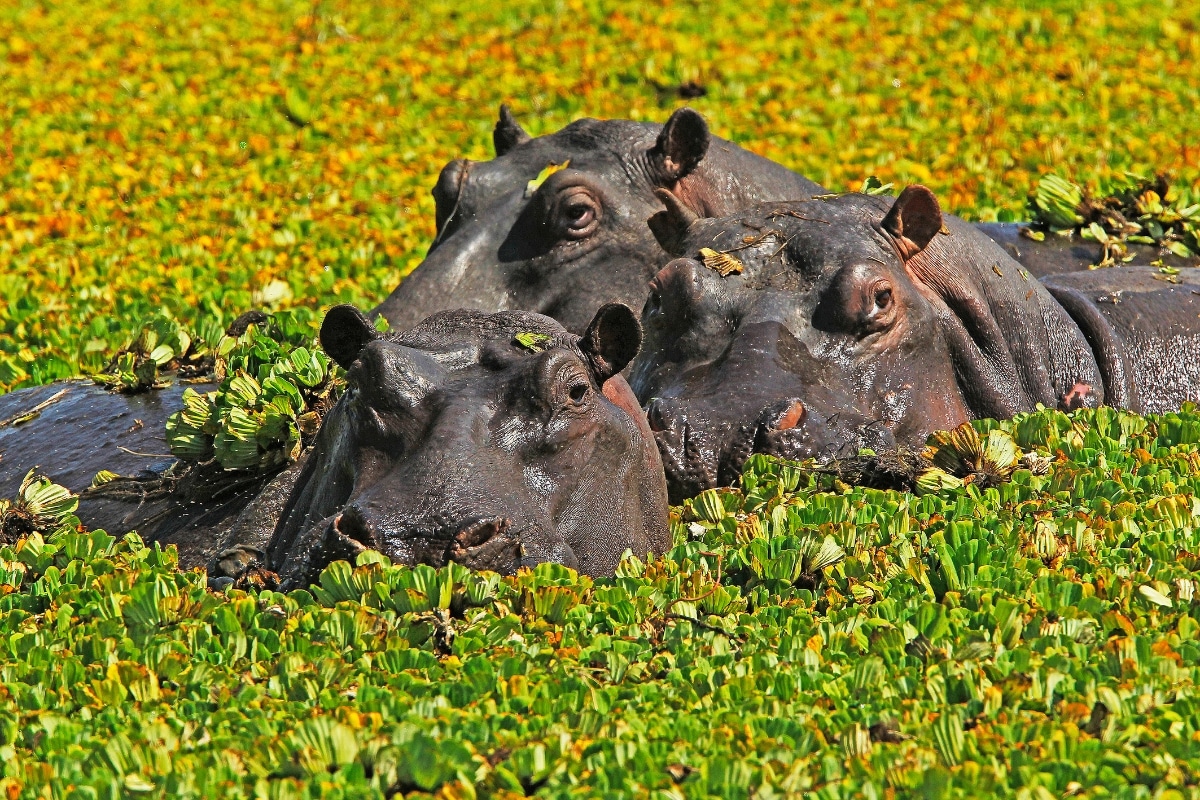
Photo credits: SlowMotiongli from Getty Images.
Our new report, focuses on wetlands in Africa; the continent with the most intact ecosystems on our planet and most intact assemblages of terrestrial and aquatic mammals, fishes and reptiles megafauna species.
Unfortunately, many of the populations are in steep decline, including species that are directly utilised by humans, both in the terrestrial and freshwater environments as well as in marine systems. The report highlights the ecological and functional importance of a wide spectrum of species, including hippos, Nile crocodiles, dugongs, Mediterranean monk seals, otters, sharks, and many fishes and waterbirds, as well as, African buffalo, elephant, and the Striped and Spotted hyenas.
Eleven case studies from across the continent bring examples of how wild animals shape coastal and inland wetlands within a human context.
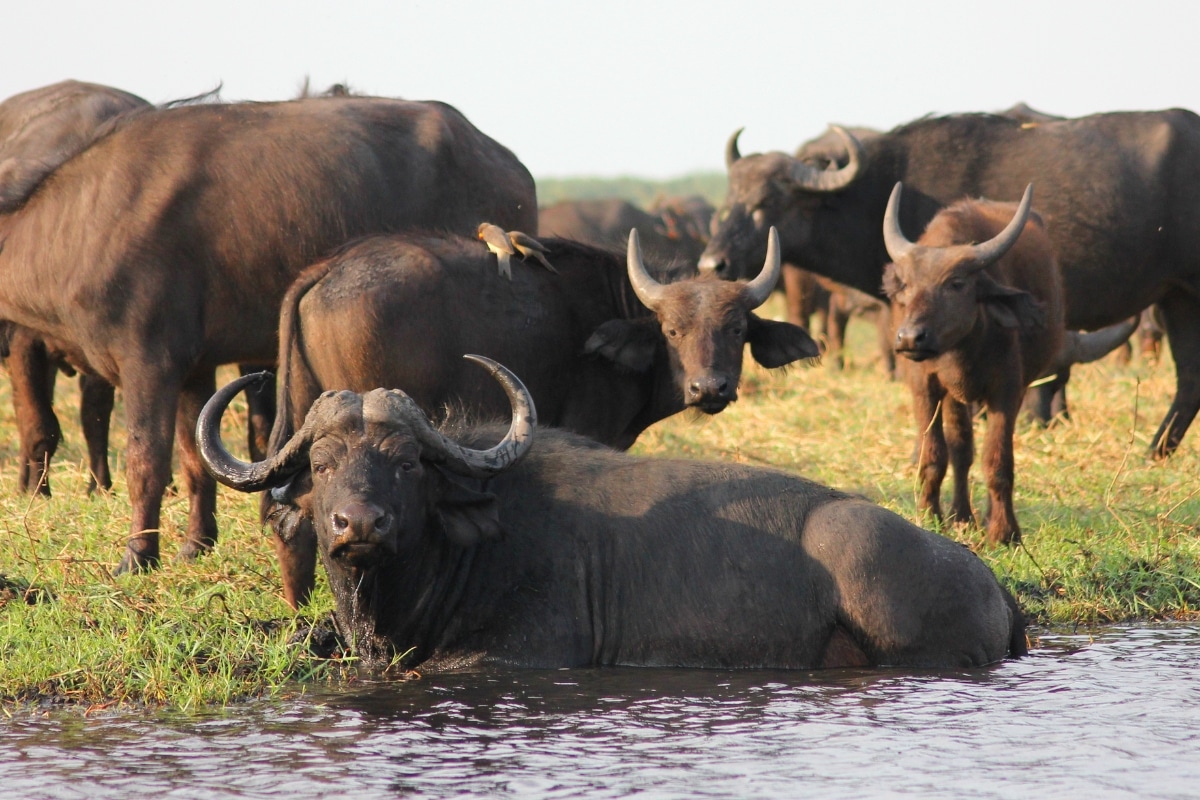
Photo credits: Roger Brown from Pexels.
The five key messages from the case studies are:
- Rewilding works!
- Combat unsustainable use of key wetland species,
- Establish effective no-take fishing zones in inland and coastal waters,
- Intact ecosystems with megaherbivores are more resilient against alien invasive plant species than degraded,
- Ensure the ‘flow’ of water and wildlife in large-scale Landscapes, “Wetlandscapes” & Seascapes
Based on the information in this report, four areas with very high ecological and conservation values are highlighted for nomination as Ramsar Sites of International Importance. This adds to compelling evidence that supports the return and protection of wild animals to our wetlands – a strong case for rewilding.
Rewilding In Action: cooperation is key to achieve an abundant, safe & resilient future
The Global Rewilding Alliance exists to catalyse the global rewilding movement. Part of this journey is to support Rewilding In Action by convening experts and influencing policy and action at a global scale.
With most of our on-the-ground Alliance Partners making positive change at national and local levels, we are joining forces to bring rewilding to the international stage. To date, we are uniting over 250 partners across continents under a shared rewilding vision, and connecting partners around key rewilding themes such as Wetlands, Rangelands and Climate. Get in touch with our team to join this collective action.
As advocacy targets become increasingly interconnected and crucial, we must collaborate to bring about positive action at scale. We see a need for integrating the work of Ramsar with other global conventions, like the Convention on Migratory Species (CMS), CITES and Convention on Biological Diversity (CBD), as they are so deeply interconnected. Rewilding is a direct response to meeting the global objective of creating “ecological integrity,” which is one of the founding principles (#7) of the 1992 Rio Earth Summit , the CBD and the UNFCCC climate convention.
If you are a practitioner, policymaker or key decision maker, then we warmly welcome you to get in touch with our team to catalyse Rewilding In Action – send us a greeting at ">.
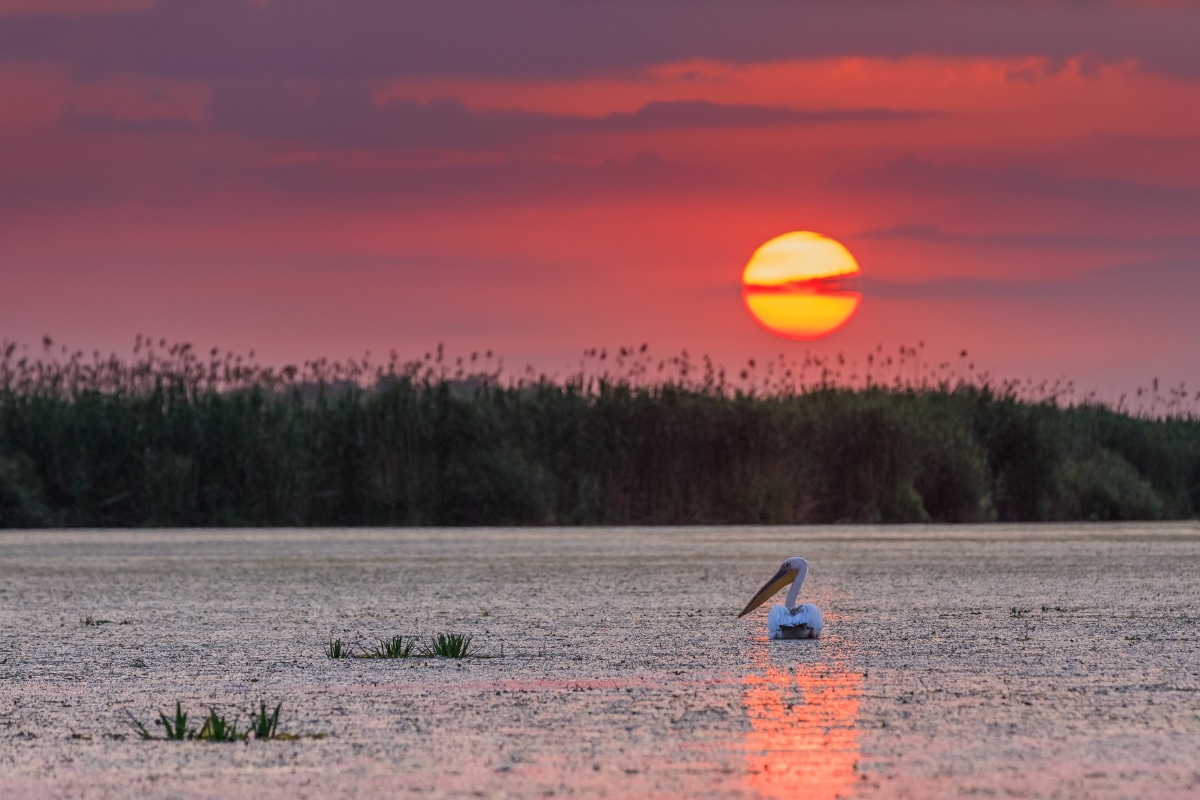
Photo credits: Porojnicu from Getty Images.