
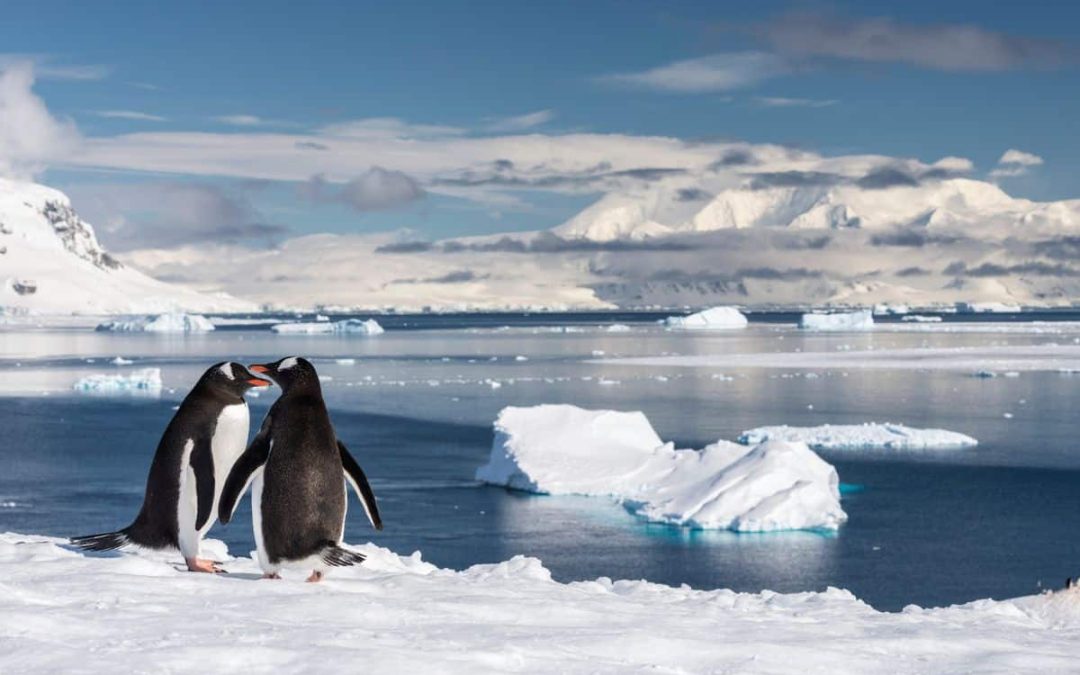
Credit: Antarctic Rights
Antarctic Rights is pioneering the vision to recognize Antarctica and the surrounding Southern Ocean as a living entity with intrinsic legal rights. Their work, which includes the Antarctica Declaration and the Antarctic Alliance, extends the global Nature Rights movement to the only continent without sovereign ownership. By promoting guardianship, their approach is a prototype for eco-centric governance, strengthening the global responsibility to preserve Antarctica’s critical ecosystems and climate-regulating functions.
The Global Rewilding Alliance is thrilled to welcome Antarctic Rights into our vibrant network of partners. Founded in 2021, Antarctic Rights pioneers a simple yet powerful vision: To recognise Antarctica and the surrounding Southern Ocean as a living entity with intrinsic legal rights.
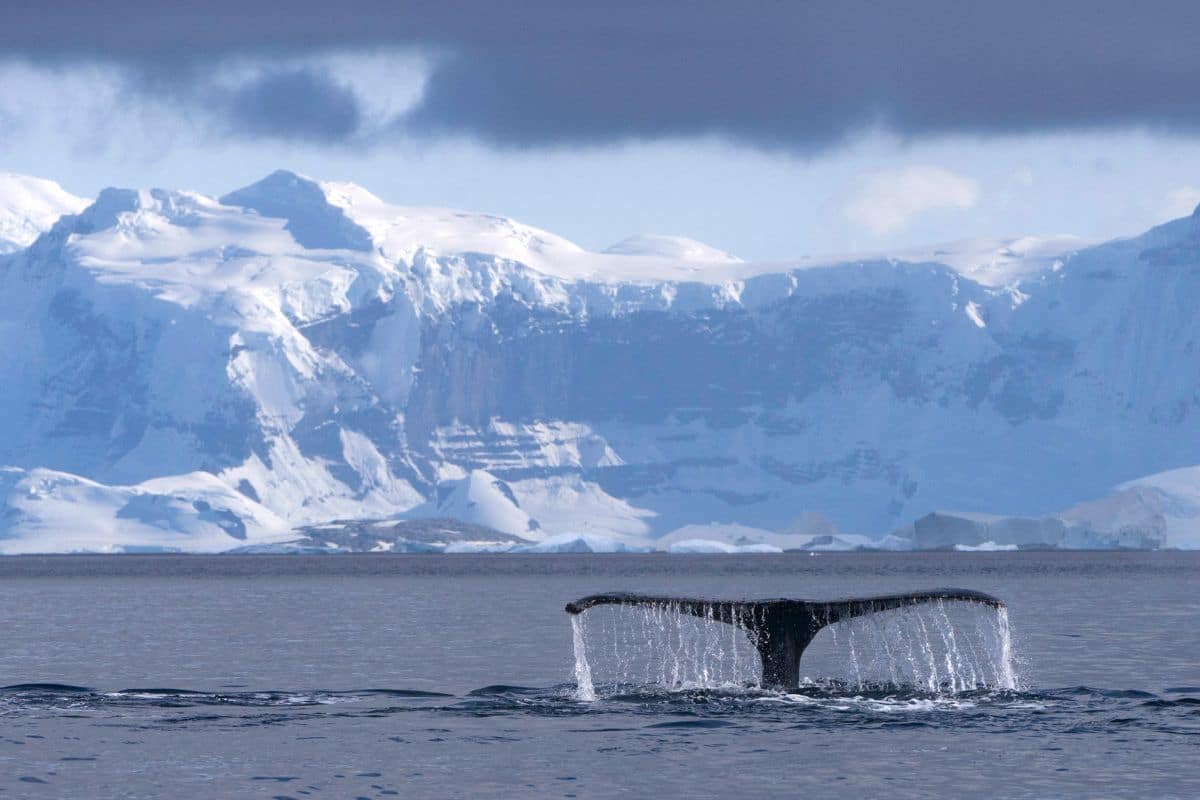
Humpback whale fluke, Antarctica. Credits: Antarctic Rights
A Unique Voice for the Voiceless
Antarctica and the Southern Ocean cover approximately 10% of the Earth’s surface and are critical to global ecological stability, climate patterns and worldwide ocean health. Current governance, including the Antarctic Treaty System (ATS), lacks a core principle: direct representation for the Antarctic ecosystem itself. Antarctic Rights addresses this gap.
However, as Antarctica lacks an indigenous human population, Antarctic Rights advocates for direct ecological representation. They champion the idea that this extraordinary place “belongs to no one and yet to everyone,” with a global duty to defend the inherent rights and interests of Antarctica.
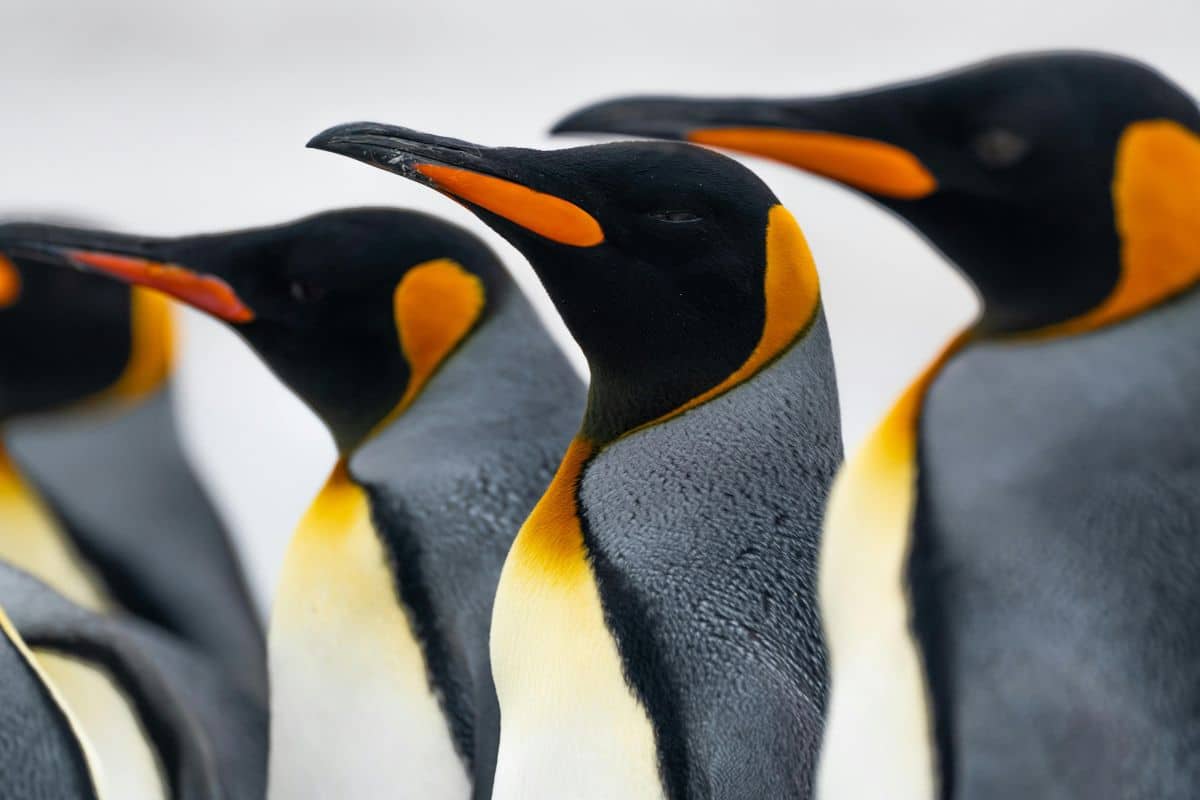
King Penguins, Antarctica. Credits: Nico Marin
They advocate for an eco-centric framework where the well-being of Antarctica and its ecosystem is central to decision-making. It moves beyond traditional resource management towards a perspective that values natural processes and the recognition of intrinsic rights, enabling natural processes to flourish with our strong collective support—the essence of rewilding. Their work is vital, especially considering Antarctica’s significance in our climate system’s tipping points.
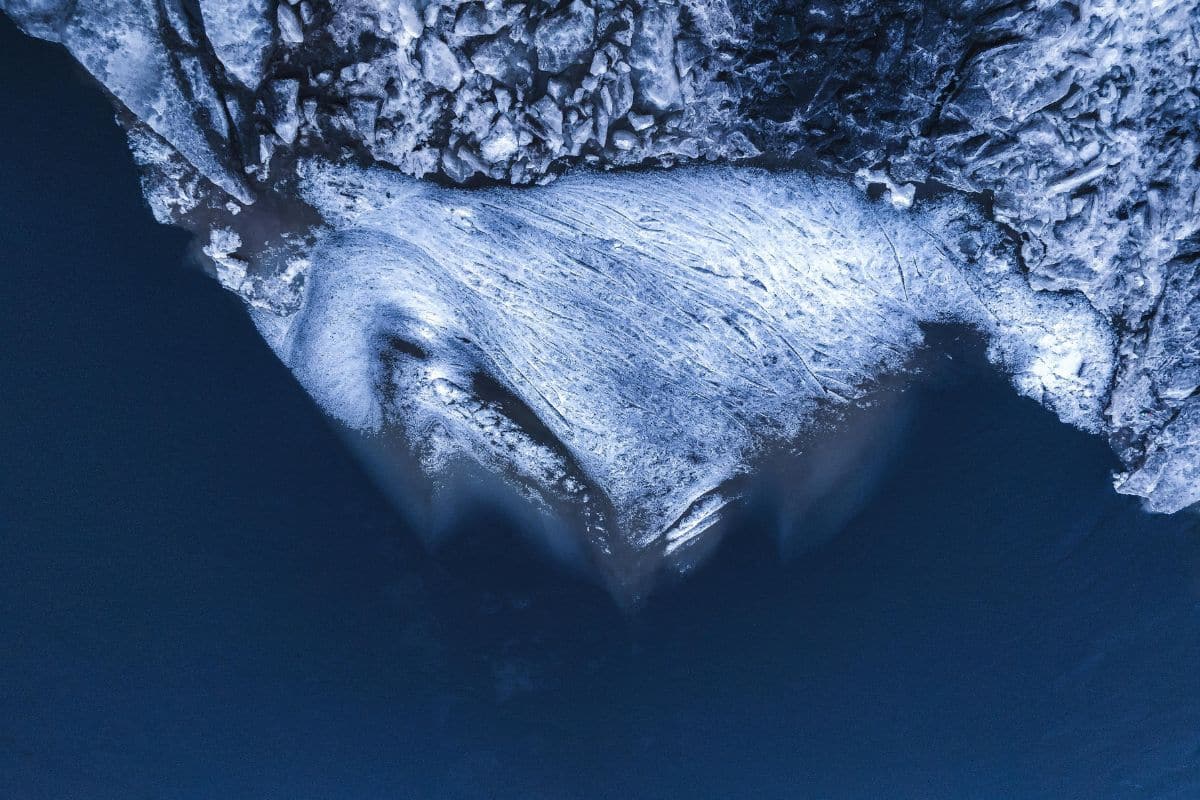
Antarctica. Credits: Helen Lee
How They Champion Antarctic Autonomy
- The Antarctica Declaration (2023): Antarctic Rights has crafted a visionary Declaration asserting the rights of Antarctica and its living beings. This foundational document establishes a basis for global collaborative action focused on the best interests of the continent and its ocean. Ultimately, in the interest of us all worldwide.
- Launching the Antarctic Alliance: This global coalition aims to unite diverse stakeholders to implement the Declaration and develop systems ensuring decisions that affect Antarctica prioritise its ecological health. On December 1st 2025 (coinciding with Antarctica day), a new chapter began. People everywhere from mountain villages to coastal cities, classrooms to conference halls united for the global launch of the Antarctic Rights campaign.
3. Global Engagement & Education: With a diverse team spanning different continents and disciplines, Antarctic Rights actively builds understanding and support. They are developing toolkits to empower others, engaging in crucial international forums such as the IUCN World Conservation Congress and COP30, and fostering multicontinental collaborations. Their work has led to tangible victories, including the landmark passing of IUCN Motion 055: Recognition of the Rights of Antarctica.
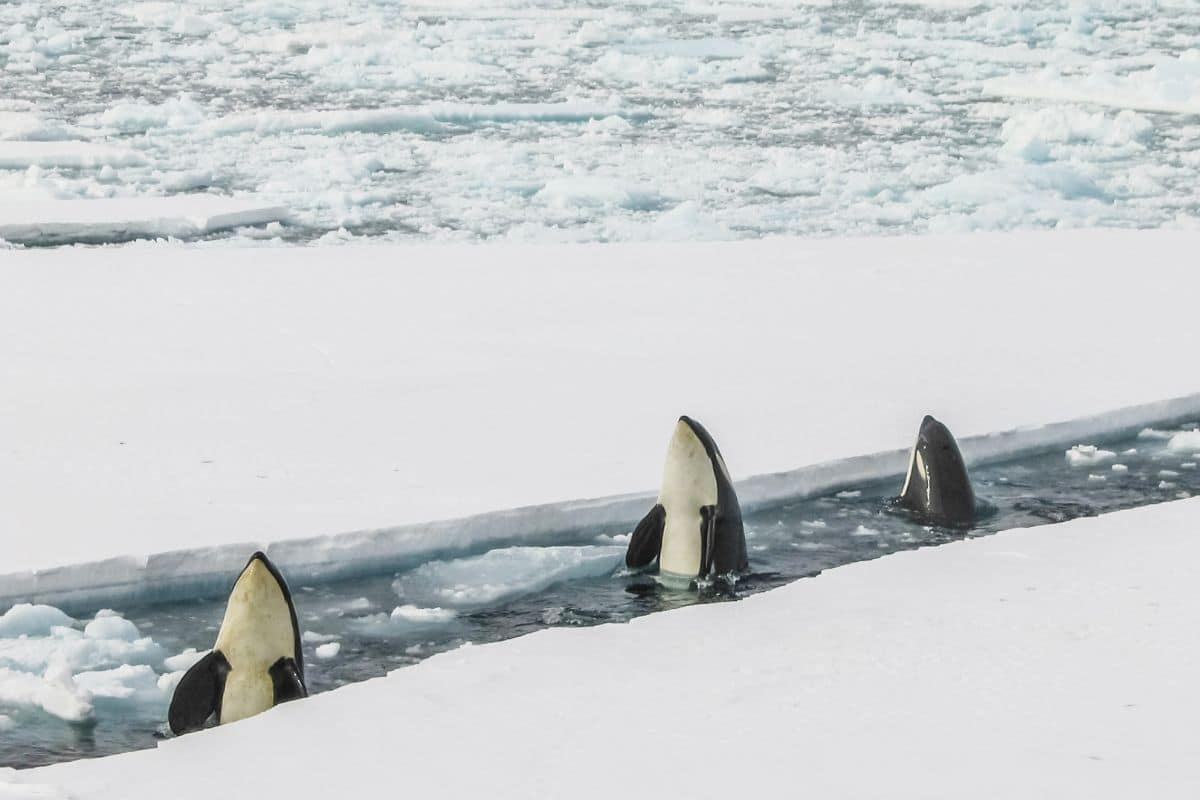
Killer Whales Spyhopping. Credits: Bryan Goff
The Nature Rights Movement
The global Nature Rights movement seeks to recognize ecosystems, such as rivers, forests, mountains, and even species, as legal entities with inherent rights to exist, thrive, and regenerate. Emerging from Indigenous worldviews and gaining momentum through environmental law and activism, the movement challenges the traditional notion that nature is property to be owned and exploited.
Countries and jurisdictions including Ecuador, Bolivia, New Zealand, India, and parts of the United States and Europe have adopted legal frameworks granting rights to nature, enabling guardians to represent ecosystems in court. By reframing humanity’s relationship with the natural world from domination to stewardship and reciprocity, the Nature Rights movement aims to provide stronger legal tools to address climate change, biodiversity loss, and ecological degradation on a planetary scale.
Antarctica Rights extends the Nature Rights movement to the only continent without sovereign ownership, proposing that Antarctica be recognized as a rights-bearing entity protected for its own sake rather than managed solely through human-centered treaties. By framing Antarctica as a legal subject with intrinsic rights, the concept strengthens global responsibility to preserve its ecosystems, climate-regulating functions, and scientific value beyond national interests.
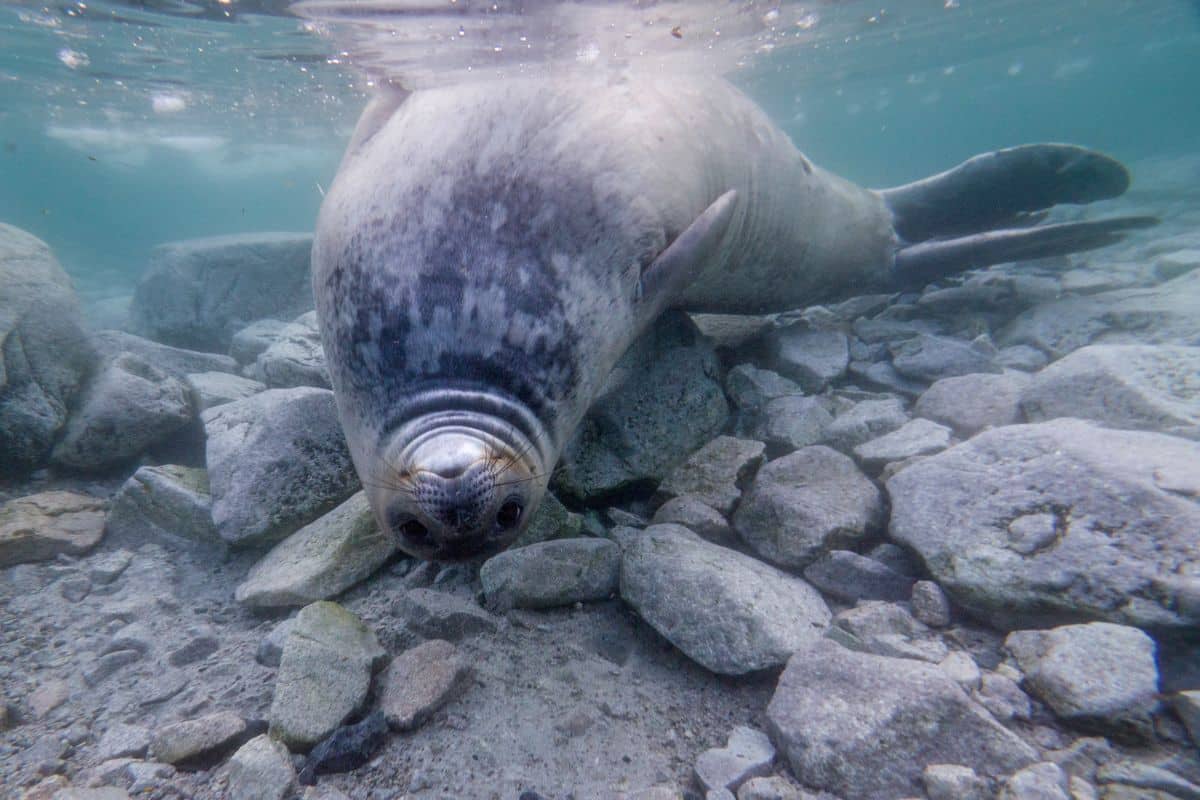
Weddell Seal, Ronggé Island, Errera Channel, Antarctic Peninsula. Credits: Antarctic Rights
Catalysing a paradigm shift
Antarctic Rights is catalysing a paradigm shift in humanity’s relationship with a critical planetary ecosystem, transcending mere respect and evolving into guardianship. Their approach of merging legal innovation, scientific understanding, artistic expression, and diplomatic outreach offers a revolutionary prototype for eco-centric governance. The Antarctic Alliance promises to be a powerful force, demonstrating that nature recovery requires listening to and respecting the rights of the wild itself. Their vision inspires a future where Antarctica thrives autonomously, a testament to a global commitment to wild freedom.
Learn more about their trailblazing work: Antarctic Rights’ website.
Logo with background image of a Whale Tail. Credit: Antarctic Rights