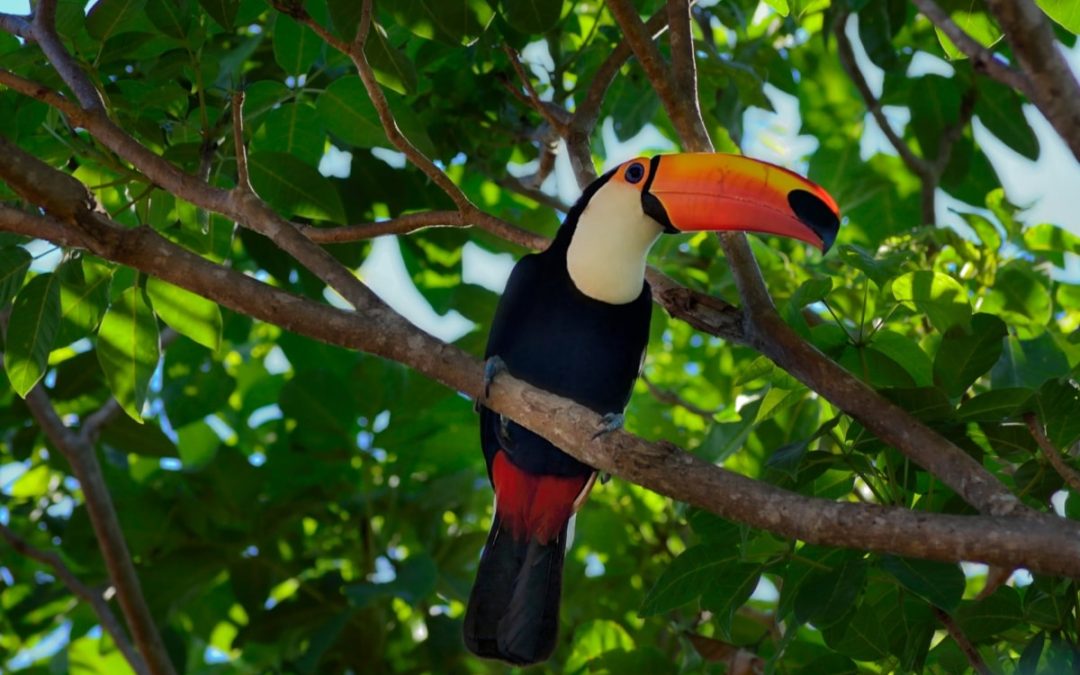
Photo credit: Joesboy from Getty Images Signature.
As the next meeting of the United Nations Framework Convention on Climate Change (UNFCCC) approaches in Belém, Brazil, on 10th – 21st November 2025, partners and policymakers around the world are coming together to encourage ambitious revisions and next steps. Amongst many others, the Global Rewilding Alliance and key partner IFAW are collaborating to include the interconnection between biodiversity and climate; notably, the vital role that wild animals play in bridging the dual crises.
Article written by Matt Collis, IFAW’s Senior Director for Policy.
Preparing the ground for the Climate COP30 in Brazil
From 16-26 June 2025, government members of the UN Climate Convention will gather in Bonn, Germany to prepare the ground for the Climate COP30 in Brazil. As governments meet and the COP looms, attention is turning to what new actions countries will take to avert the climate crisis. As part of the Paris Agreement, each country is required to outline its plan for how it will reduce greenhouse gas emissions – so called Nationally Determined Contributions (NDCs). COP30 marks a critical point in the Paris Agreement cycle, where all countries are meant to update their NDCs to ratchet up ambition on tackling emissions.
These new NDCs were meant to be submitted in February but only 15 of the 195 governments signed up to the Paris Agreement met that deadline. While that sounds alarming, previous cycles have seen a similar pattern with countries taking more time and submitting closer to COP, with the same likely to happen at COP30.
Our hopes for the revised NDCs
So what should we be looking out for in these revised NDCs? Obviously, increased ambition to tackle the climate crisis, but how will countries bring down greenhouse gas emissions? One solution that has been notably absent, despite recent NDCs increasingly including the role of nature, is the use of wildlife protection and rewilding as a climate solution.
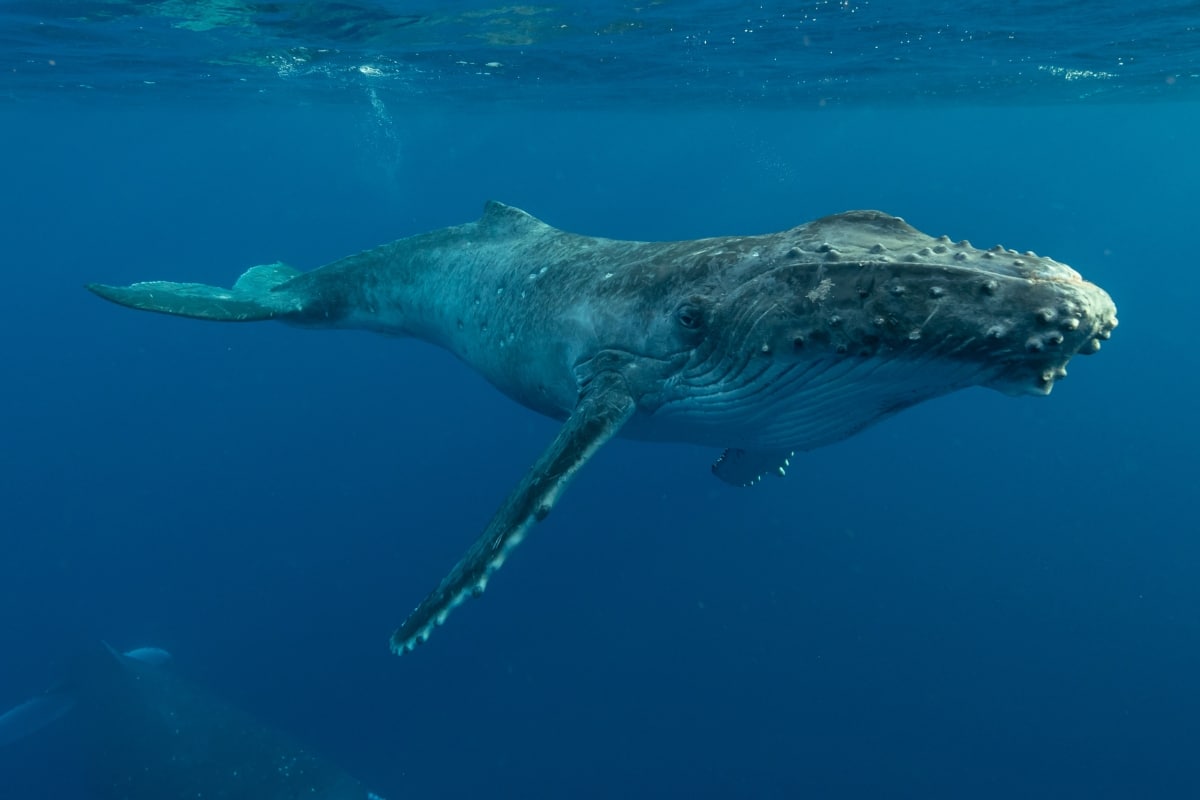
Photo credit: UWPhotog from Getty Images.
Ground-breaking research by the Yale School of Environment in partnership with the Global Rewilding Alliance has shown how “Animating the Carbon Cycle” – maintaining and restoring wild animal populations so they can fulfil their function in ecosystems and help these ecosystems draw down more carbon from the atmosphere – can harness the power of wild animals to address the climate and biodiversity crises together.
Animals should no longer be seen as another passive victim of the climate crisis but rather as a key ally in helping us tackle it. They are our climate heroes – the original and best carbon-capture ‘technology’.
Incorporating wild animals and rewilding – next steps
But how do countries translate this knowledge into tangible action?
IFAW has been proud to support the work of the GRA in this endeavour, and to help countries maximise this solution, IFAW has developed Wildlife guidelines for NDCs, a step-by-step guide for governments on how to include wildlife protection and recovery into their climate plans.
With just a few months remaining to submit updated NDCs, we hope these guidelines can catalyse greater inclusion of wildlife in each government’s plan. Thanks to the team at Yale and the work of GRA partners and other organisations and scientists, we have quantifiable examples of how boosting wild animal populations allows ecosystems to capture more carbon. These need to be included in countries’ NDCs – and indeed, offer countries cost-effective, rapid and inspiring means to achieve several objectives at the same time.
We need all the help we can get to tackle the climate crisis
IFAW’s guidelines can ensure more NDCs capture the role played by wild animals in boosting climate mitigation. We must make the most of every ally we have, whether they come with hands, paws, wings, trunks or fins.

Photo credit: Andre Anita from Getty Images.
Thanks to Matt Collis, IFAW’s Senior Director for Policy, who is the author of this article.
Matt, who has been with IFAW for over 18 years in a number of different roles, now oversees IFAW’s international policy, marine conservation, and climate work, as well as national advocacy efforts by IFAW’s network of country offices. Matt has first-hand experience working in the UK Parliament and US Congress and on conservation projects in Central America, Southeast Asia, and Oceania.