
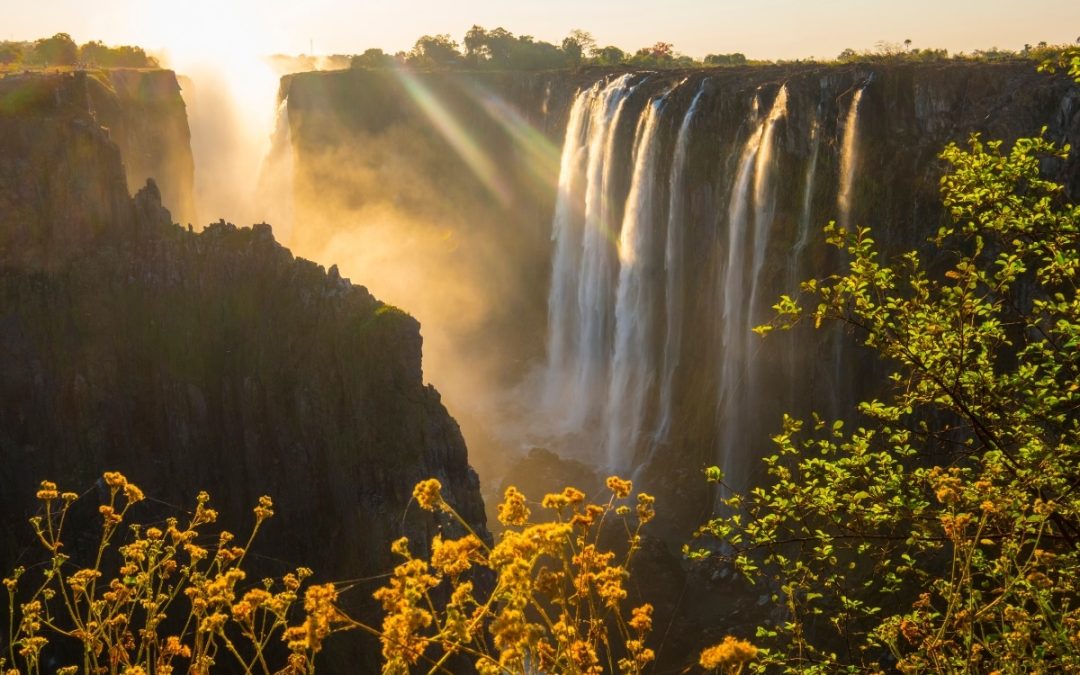
Photo credit: Mantaphoto from Getty Images Signature.
Global Rewilding Alliance launches landmark Africa Special Report in Victoria Falls, Zimbabwe.
The 15th Meeting of the Conference of the Contracting Parties to the Ramsar Convention on Wetlands (Ramsar COP15) has now concluded in Victoria Falls, Zimbabwe. During this pivotal event, the Global Rewilding Alliance officially launched the Taking Animals Into Account: Africa Special Report, a bold step toward placing wildlife at the heart of wetland policy and restoration.
The report was unveiled during a joint press conference with the International Fund for Animal Welfare (IFAW), in the presence of Zimbabwean government officials, members of the press, and wetland policy leaders from across the continent. The event was hosted by the Ministry of Environment, Climate and Wildlife in partnership with the Zimbabwe Parks & Wildlife Management Authority (ZimParks), highlighting Zimbabwe’s growing leadership in integrating wild animals into strategies for reversing ecosystem degradation.
Why Wild Animals Matter for Wetlands
From elephants carving water pathways and hippos fertilising aquatic systems, to seed-dispersing fish and nutrient-cycling birds, wild animals are essential engineers for wetlands health and resilience. Their absence leads to declining ecosystem function, reduced climate resilience, and lost livelihood opportunities for communities that depend on clean water and thriving wetlands.

Elephant Mana Pools, Zimbabwe. Photo credit: ColognetoCapeTown from Getty Images.
“By recognising the fundamental ecological role of wild animals, we will become better at managing and restoring the world’s inland and coastal wetlands,” — Magnus Sylven, Director of Science-Policy-Practice, Global Rewilding Alliance
“Wetlands are vital ecological connectors in IFAW’s Room to Roam initiative,” — James Isiche, Regional Director for Africa, IFAW
“This report consolidates science showing how species shape wetland landscapes,” — Prof. Patience Gandiwa, Director International Conservation Affairs, ZimParks
A Living Policy Tool for Africa
The launch marks the beginning of a collaboration across Africa to expand this Special Report into a living policy tool, one that continues to grow, respond to emerging science and practice, and strengthen wetland management across the continent.
The Global Rewilding Alliance will work closely with:
- African Ramsar delegates
- IFAW
- Wetlands International Eastern Africa
- National and local governments

Victoria Falls. Photo credit: Magnus Sylvén, GRA.
Together, we aim to:
- Identify new particularly valuable and functional wetlands across the African continent, which could benefit from receiving recognition and protection on the List of Wetlands of International Importance under the Ramsar Convention.
- Provide practical management guidelines on how to best incorporate the functional role of wild animals in inland and coastal wetlands.
- Identify and uplift rewilding efforts already underway in wetlands with start in Africa.
- Promote native and keystone species as ecosystem engineers
- Link science, Indigenous and local knowledge, and lived experience
- Drive a paradigm shift in wetland policy and management to ensure animals are taken into account
A Continent-Wide Movement
This initiative is part of a broader movement to restore the functional integrity of wetlands, for climate stability, biodiversity, and community wellbeing.
Wetlands cannot thrive without the animals that shape them. By taking animals into account, we can regenerate Africa’s lifeblood ecosystems and create a ripple effect of resilience for people and the planet. Since Africa hosts some of the planet’s most intact inland and coastal ecosystems, with a cohort of mammals, fishes, birds, reptiles and other species – many also dependent on landbased ecosystems, the rest of the world also has a lot to learn from the continent.
As we look ahead to Ramsar COP16 in Panama, where Zimbabwe will hand over the torch, we are excited to continue building on this report, looking at other continents, and deepen our collaborations well in advance of the next global gathering in 2028.
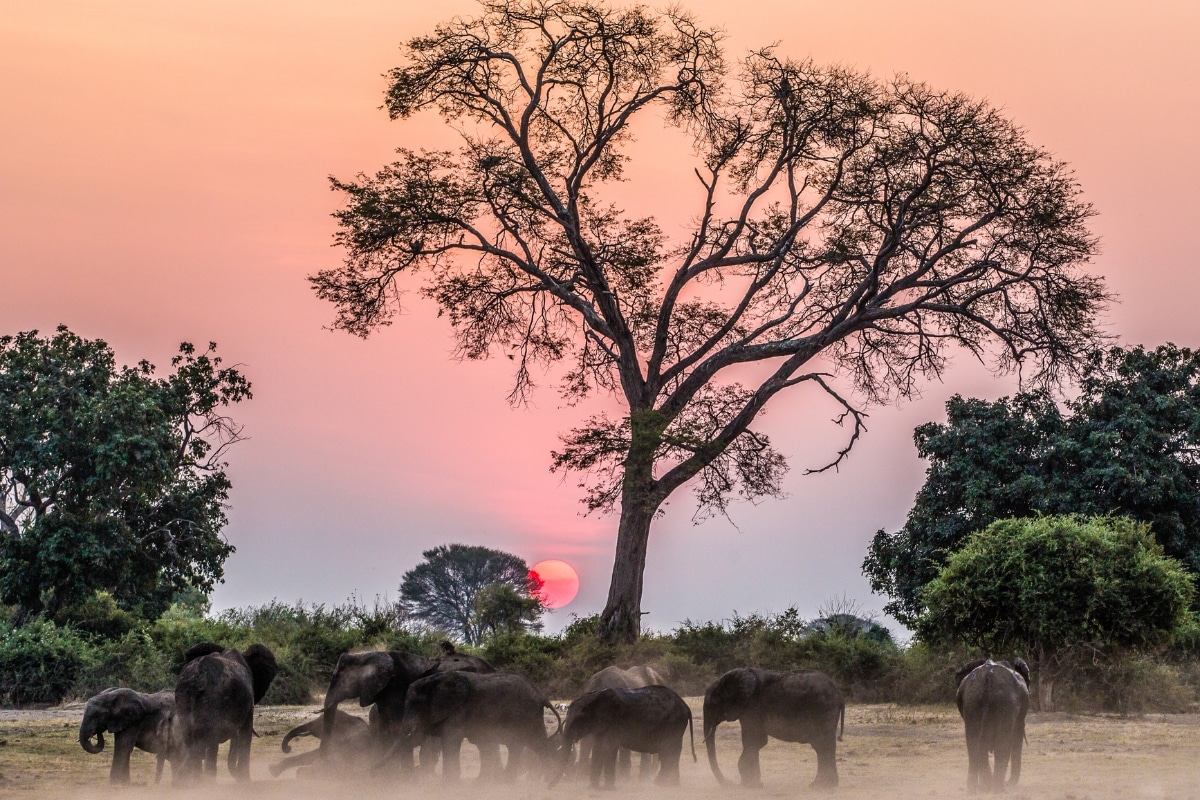
Photo credit: Paula Fink from Getty Images Pro.