
Photo credits: Noah Meinzer from Pixabay.
Wilder Reads: a library for our favourite and recommended rewilding-related books. In addition to our team’s small synopsis of the books that you will find on that page, here we intend to provide a deeper delve.
For the second of these in-depth overviews, Will Kelsey, our former Network Team member, reviews Groundbreakers: The return of Britain’s wild boar by Chantal Lyons.
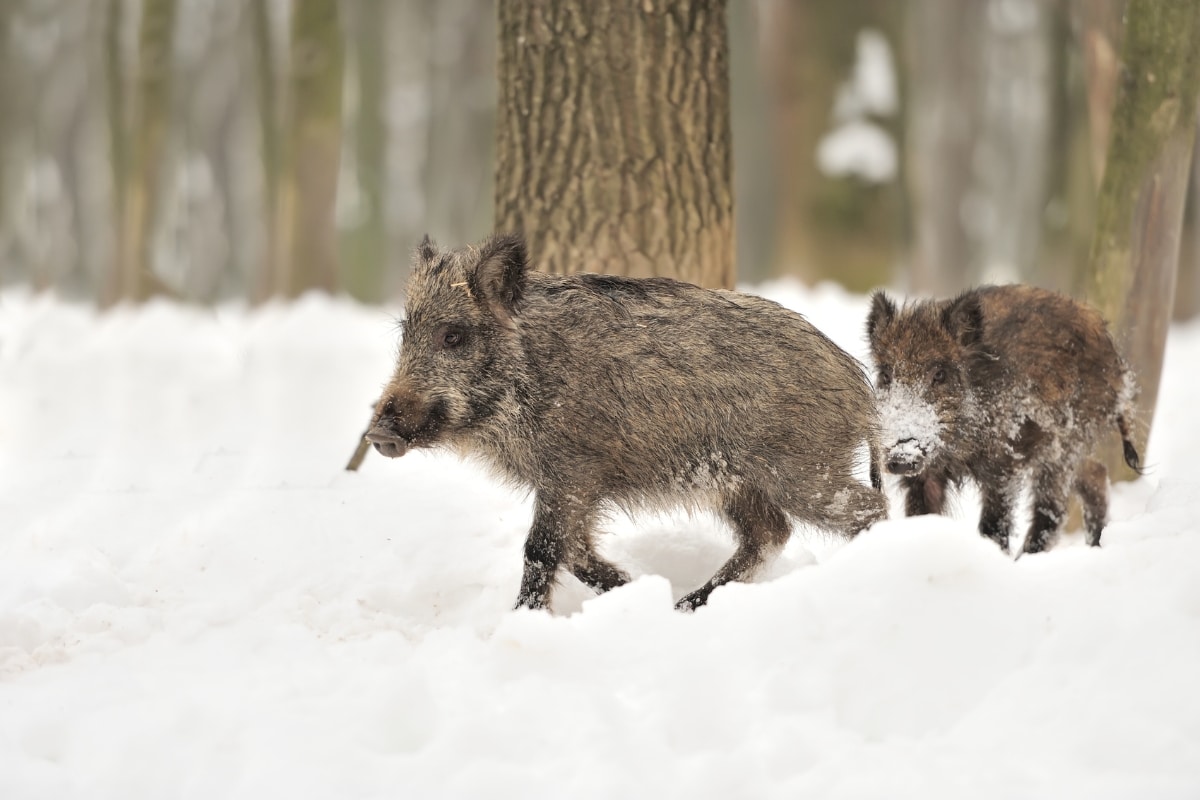
Photo credits: Byrdyak from Getty Images.
“I trod slowly along the track. The sounds grew louder. Ahead, on the right, ferns quivered. I stopped breathing, afraid to risk the noise.”
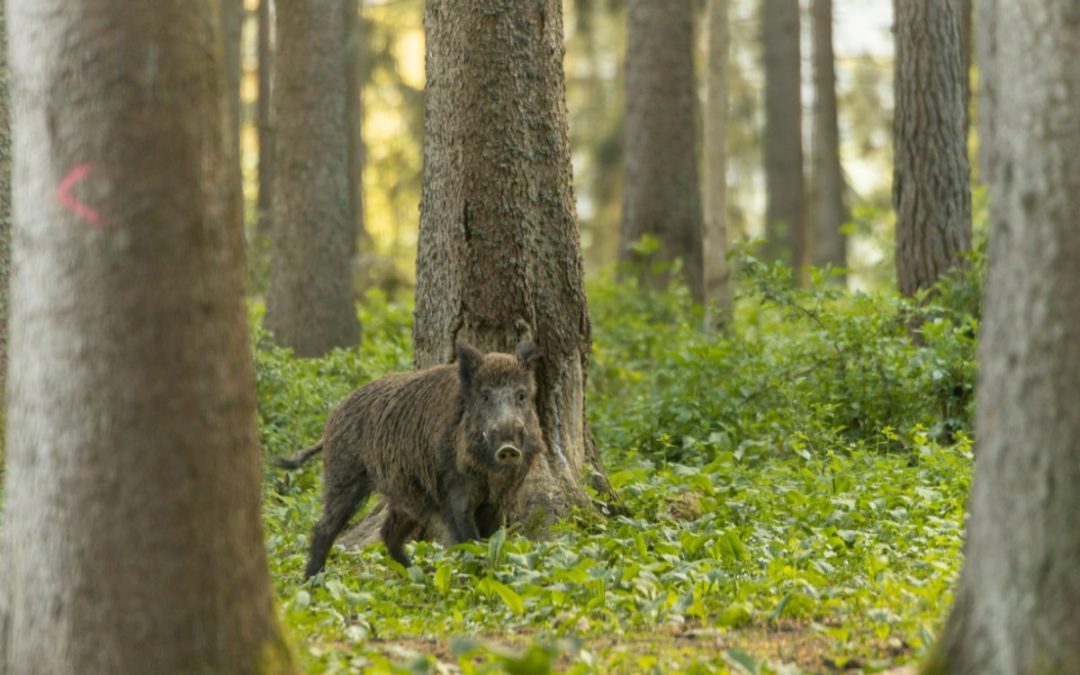
Chantal Lyons’ Groundbreakers: The return of Britain’s wild boar is a gripping and equally insightful account of her immersion into the world of Wild Boar in England’s Forest of Dean. From defying her University’s risk assessment to experience her first spine-tingling encounters with the forest’s most notorious and contested residents, to illustrating the extraordinary symbiosis Wild Boar share with other native creatures, Chantal’s book is a hugely informative yet highly personal and well-balanced piece of science communication.
Chantal persuasively advocates the return of Wild Boar, detailing their astonishing interactions with other wildlife. To the untrained eye, Wild Boar rooting (the ploughing up of the soil with their snouts) is untidy, destructive and even offensive. But as Chantal skilfully explains, this apparent chaos is ecologically vital.
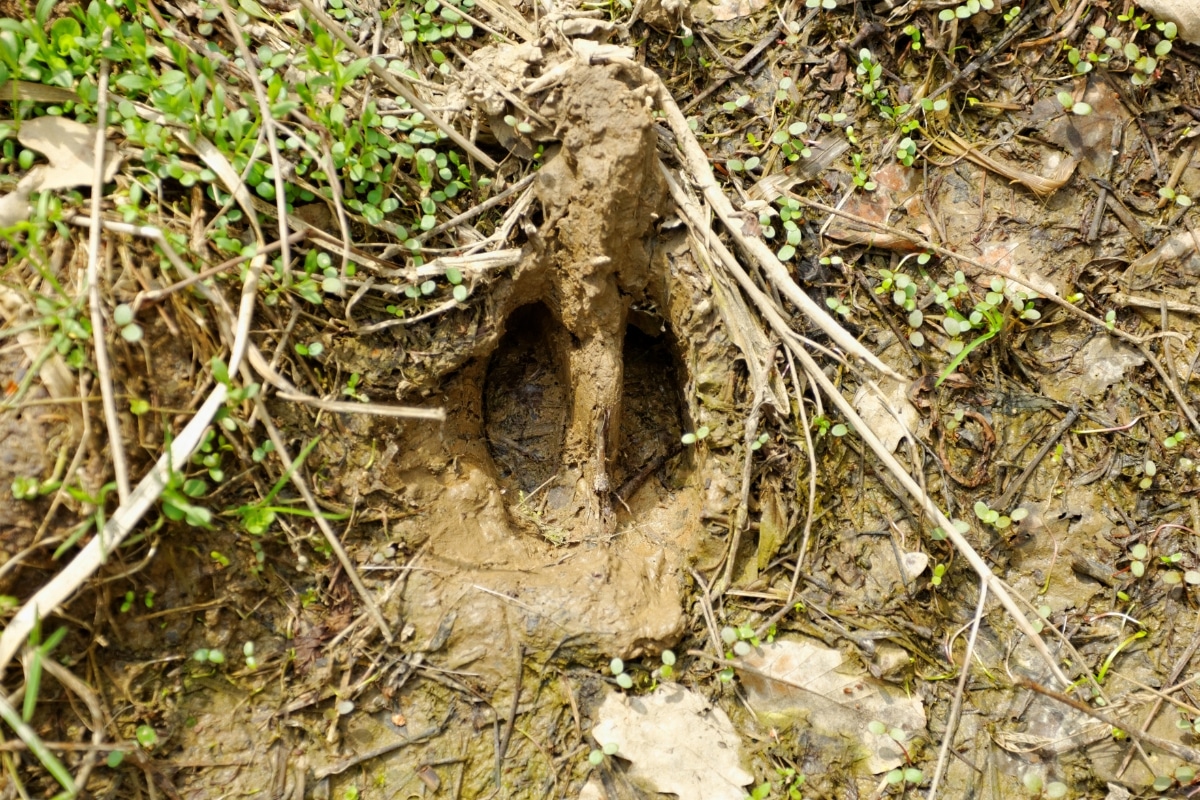
Photo credits: NagyDodo from Getty Images.
Boar disturbance brings life: “This upheaval changes the dances of nutrients and minerals within, of microbes and microinvertebrates, and the webbings of mycorrhizal fungi.” The outcome is greater habitat complexity and ecological niches for wildlife. No surprises then that where there are Boar, there are abundant Fungi, Oak saplings, Foxgloves, Brambles, White-Admiral Butterflies and Spotted Flycatchers. Nature doesn’t believe in being static, in neat lines or flat surfaces.
One example that leaves me starstruck is the role of Boar in the dispersal of Tadpole Shrimp eggs. While these tiny creatures are common in Europe, they now survive in just two known UK ponds in the New Forest and Scotland’s west coast. These ephemeral ponds were once scattered throughout the British landscape. Wild Boar, through their wallowing behaviour, help to recreate these small ponds and, even more remarkably, it’s thought they carry the Tadpole Shrimp eggs in their muddy fur, transporting them from one pond to another, journeys that can often take multiple weeks.
As Chantal puts it: “Boar may be helping to restitch connections we never even noticed had been cut.” It’s this kind of nuanced and vivid ecological storytelling that makes Groundbreakers stand out.
Her descriptions of solitary encounters with Boar are particularly emotive. Fear of the unfamiliar seeps through the page, evoking that very un-British feeling of being alone in the forest, with an unpredictable creature for company.
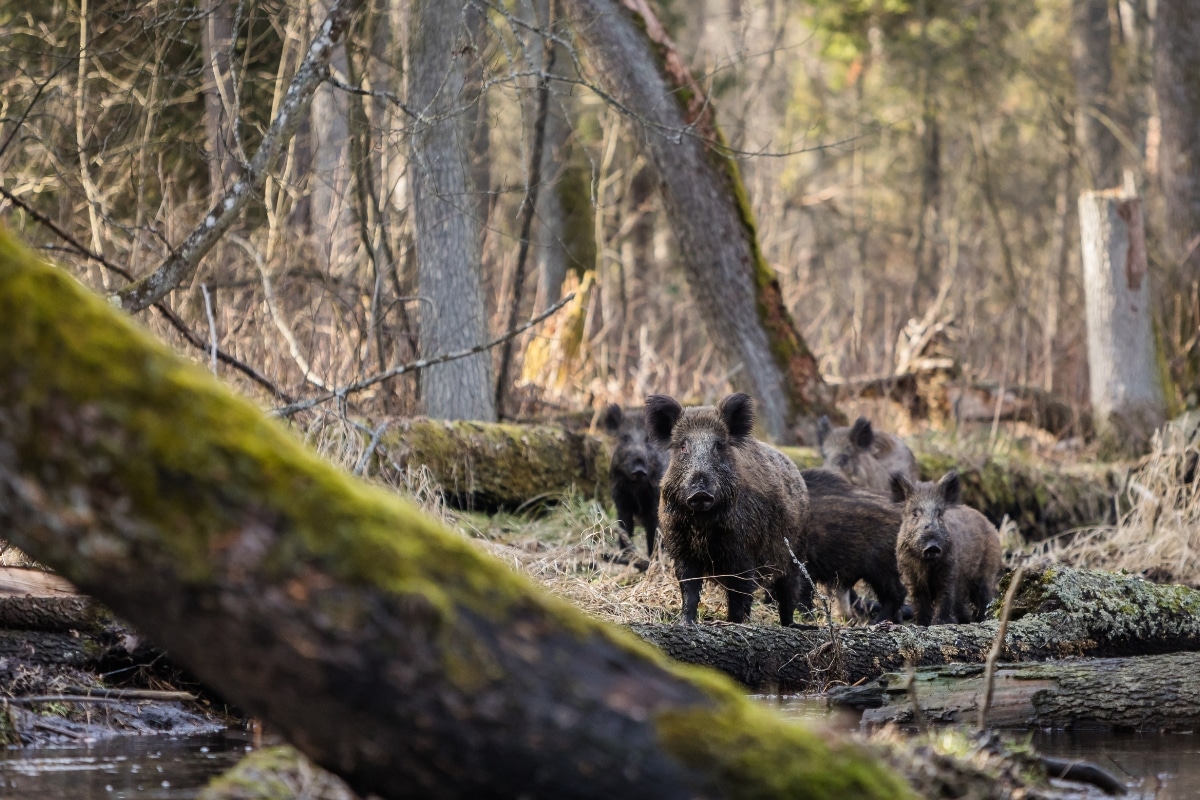
Photo credits: DamianKuzdak from Getty Images Signature.
Chantal brings necessary balance. Boar numbers matter. As seen in Barcelona and parts of France, densities that are too high can tip the scales: “There is no doubt that at low densities, boar provide very valuable ecosystem services in disturbing static ecosystems. The problem is that with a high density of boar, the repeated disturbance of the same piece of ground prevents species from establishing.” Only with the return of a full suite of their natural apex predators (Wolves, Bears, Lynx) will Boar numbers adjust to more balanced levels.
Chantal also doesn’t shy away from the complexity of human-wildlife coexistence. She explores the media outrage and cultural discomfort wild boar provoke: “They have the audacity to challenge what we were once certain of: that every other being on this island is terrified of us. Boar are the breakers of taboos and the uprooters of our entire worldview.”
Groundbreakers takes us back to the heart of rewilding: that wild animals and their disturbances are essential to healthy ecosystems. “The ing in the word [rewilding] is vital. It is process. Restlessness. A story that will never stop unfolding.”
Boar, and their rooting, are a force of nature, one of many vital natural processes that our visionary generation of rewilders are now tasked with restoring.
A review written by Will Kelsey
May 2025
Want to read another? Read Alister’s review of An Irish Atlantic Rainforest.
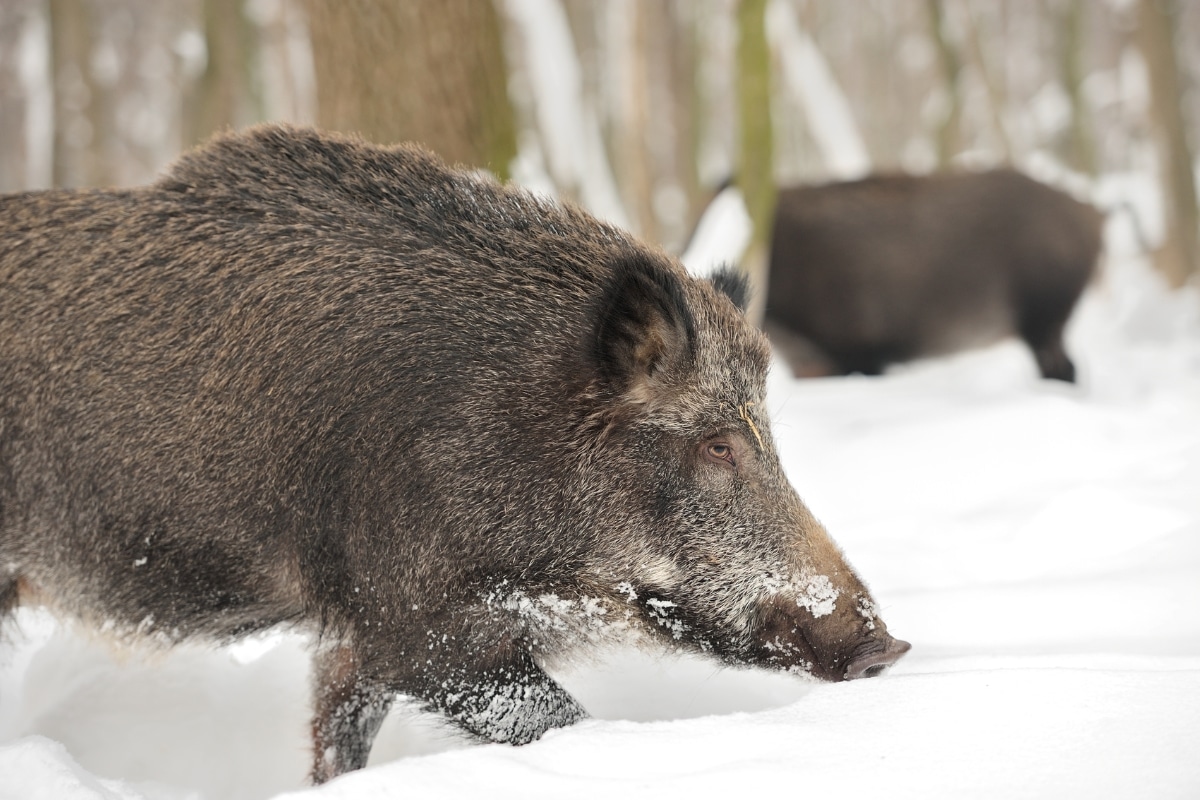
Photo credits: Byrdyak from Getty Images.