Photo credit: Higorwood from Getty Images.
Successful and ambitious rewilding at scale necessitates that we work proactively with private landowners. Yet how, exactly, to engage is less clear. Jennifer Gooden, CEO of Biophilia Foundation, explores principles drawn from the psychology of human motivation that can help us engage with key rewilding partners more effectively.
First, consider watching the recording of the event itself
This article follows a hugely insightful interactive session on engaging landowners (1.5hrs), where a panel of expert practitioners discuss how private landowners become motivated for nature recovery on their land.
Following a 20-minute TED-style introduction by Jennifer, respondents include:
- Alastair Driver, Senior Advisor at the Global Rewilding Alliance.
- Daniel Kinka, Director of Rewilding at American Prairie, Montana, USA.
- Rachel Lowry, Chief Executive Officer at Bush Heritage, Australia.
The session has a rich discussion full of the combinations of theoretical and practical insights, based on their in-the-field experience.
We need rewilding at scale
Rewilding has captured the imaginations of people around the world. It is a bold, hopeful movement driven by action. It asks us to imagine the return of what has been lost, and trust in nature-led ecological processes with our helping hand to achieve this wilder future.
Photo credit: David O’Brien from Getty Images.
At the same time, the difficult truth is that conservation on public land can be challenging. Political winds can shift, budgets can shrink, and pressure on biodiversity targets increases. Therefore, to achieve nature recovery at scale, some of the best opportunities lie on private land.
Yet, for conservation professionals, it can be easy to assume that private landowners are obstacles to be overcome. Outreach programs, policies, and grant applications can even be designed around implicit assumptions that private landowners are people who need to be convinced, educated, or otherwise influenced. These assumptions can themselves be barriers to engagement.
Private landowners leaving a legacy of Wildness
In the world of rewilding, we know the story can be different. Many landowners see rewilding as a meaningful way to impact the world and leave a legacy of Wildness.
Gooden, who has researched private land conservation, recalls one of her first visits to a rewilding site. A fence had been constructed to reduce the overbrowsing that dominated the landscape. After this rewilding project started, she said, “Now, it was alive–with birdsong, insects, and signs of natural regeneration everywhere.” Observing that it was privately owned land, rewilded by choice, led her to psychology to understand what motivated these acts. She found that private landowners could be an integral part of the puzzle to achieve a wilder future—and how best to go about working with them.
Photo credit: Henk Bogaard from Getty Images.
Intrinsic and extrinsic motivation
Listening to the presentation, we first learned that motivation is what causes us to act, and it often operates below conscious awareness. Different types of motivations can overlap, reinforcing or conflicting with each other.
One of the most important distinctions is the source of the motivation, whether it comes from within a person or from the outside world. Simply put, intrinsic motivation arises on its own within a person, leading to actions that are done because they are inherently meaningful or enjoyable. Extrinsic motivation, in contrast, comes from outside factors, such as rewards or avoiding punishment. Examples from the field of rewilding include:
- Intrinsic: A landowner letting pastures regenerate because she remembers birds nesting in her neighbouring fields as a child and wants to see them return
- Extrinsic: A landowner increasing the size of a riparian buffer because he is approached by the municipality with a financial incentive
Both are examples of good practice in rewilding, but the different sources of motivation have implications for how the projects unfold.
Why does this matter? Intrinsic motivation is more durable. Gooden adds, “When an action is driven by one’s own sense of meaning or satisfaction, it’s more connected to identity and it’s therefore more likely to last.”
Grow intrinsic motivation like a seed
While we would love for all landowners to be intrinsically motivated to protect land, we unfortunately don’t have the power or ability to manufacture intrinsic motivation in another person. However, we can nurture it. Like a seed, it needs the right conditions—support, resources, and respect—to grow, and the wrong conditions can just as easily stop it from ever emerging.
The ‘nutrients’ or core needs of intrinsic motivation are autonomy, competence, and relatedness:
- Autonomy is self-direction and choice, the sense that a person chooses her or his own future
- Competence is developing new skills or demonstrating mastery
- Relatedness is feeling connected to others or to a greater purpose
It turns out that treating landowners in a way that allows them to express autonomy, competence and relatedness in their rewilding projects is important—whether they are intrinsically motivated or extrinsically motivated. In fact, under these three conditions, extrinsic motivation can even evolve to feel intrinsic. For example, a farmer joins a government rewilding program at first for the money, but over time, as they watch the native plants grow and the local birds return, the work becomes personally meaningful, and the project continues even after funding ends. Meeting the three core needs—autonomy, competence, and relatedness—can help landowners turn external incentives into lasting, self-driven rewilding.
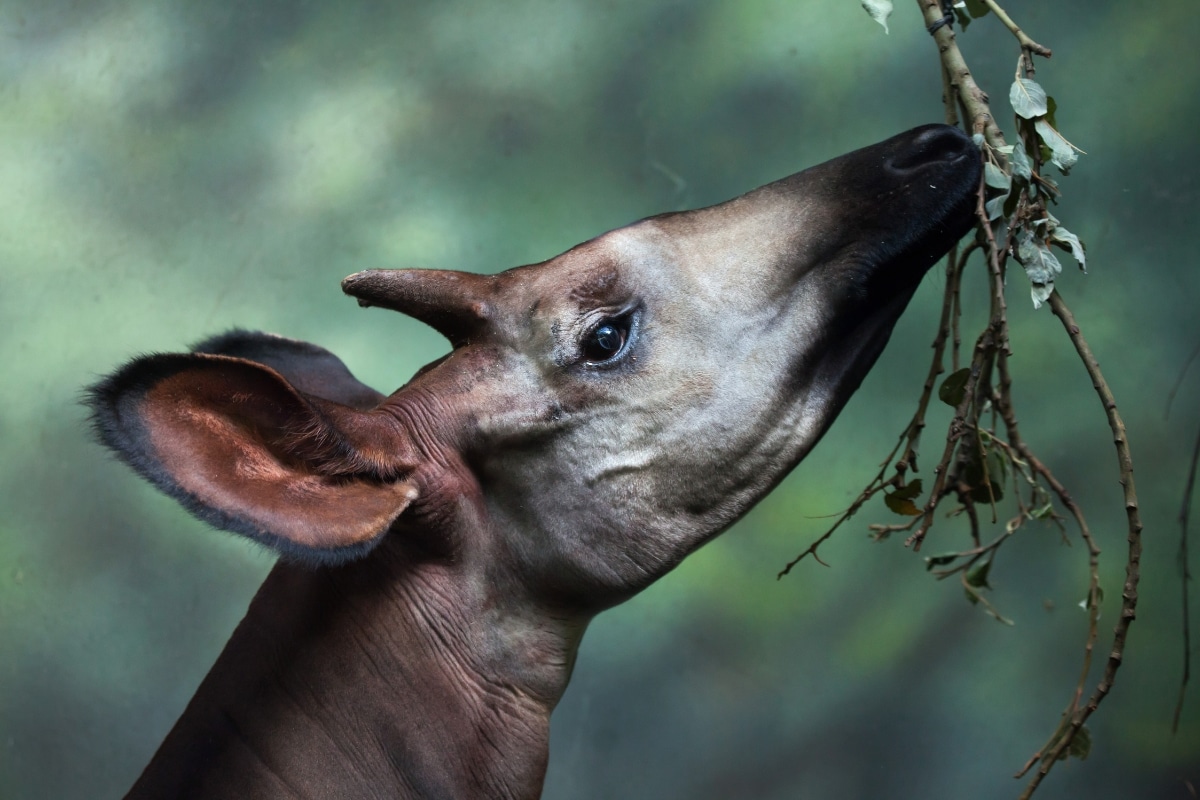
Photo credit: Wrangel from Getty Images.
We also learned that, if a landowner is rewilding out of passion or legacy, adding financial incentives to the motivation mix can erode or decrease intrinsic motivation. What does that mean for us? It means we should support that drive of passion to keep the work authentic and long-lasting. It also means we should be careful with financial incentives.
That’s not to say financial incentives should never be offered; many people truly benefit from financial support. However, such support should always align with and reinforce the landowner’s own vision. It’s best to avoid phrases like, “If you do X, you’ll get Y,” which imply that motivation will vanish once the money stops. Instead, we frame it as: “We recognize how important this is to you, and we want to support your vision and help make it a reality.” This approach provides financial backing while nurturing intrinsic motivation, ensuring that the drive to act comes from within rather than from external rewards.
A new relationship with landowners
So, where to next? Gooden says, “If we want to rewild at scale, we need to rethink some common tools that we use in conservation and rewilding.” Consider the difference:
- Can we shift landowner education programs to feel more like collaboration than correction?
- Can we design financial incentives with care to avoid undermining intrinsic motivation?
- Can behavior change programmes respect identity and autonomy?
We can also start with a different question: rather than “What do we want them to do?” let’s ask, “What matters to them?”.
“Rewilding asks us to let go and make space for wildness to return. On private land, that means creating space for people to lead, too. Private landowners are essential to conservation, and our job is to help them achieve their rewilding goals not as implementers of our vision but as stewards of their own vision.”
We warmly invite you to watch the full recording of the event, that includes a rich discussion between three experienced rewilding practitioners who work with private landowners across North America, Europe and Australia.
Summary of main takeaways:
First takeaway: Don’t crush intrinsic motivation— if a landowner already has it, protect and support it.
Second takeaway: Nourish the seed— foster autonomy, competence, and connection so that motivation grows stronger.
The third, and easiest, takeaway: Start by asking, “What matters to them?”
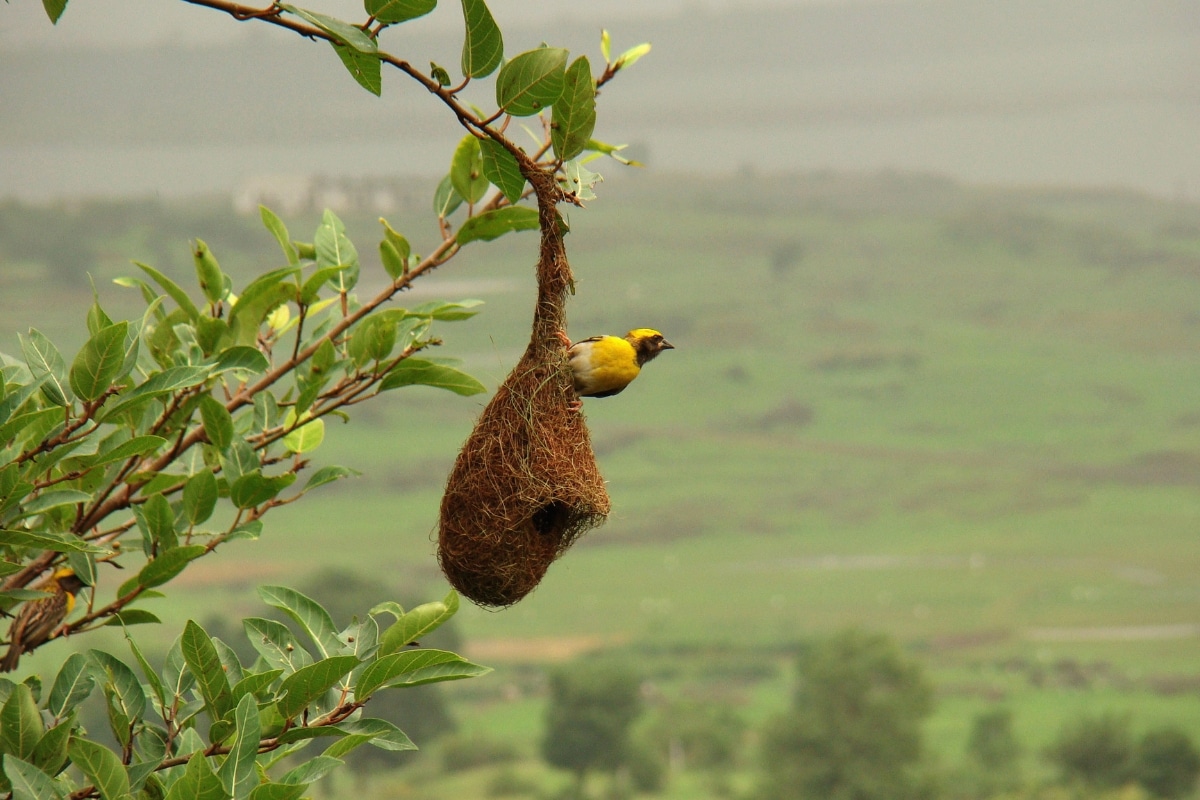
Photo credits: Sameer Yardi from RealityImages.