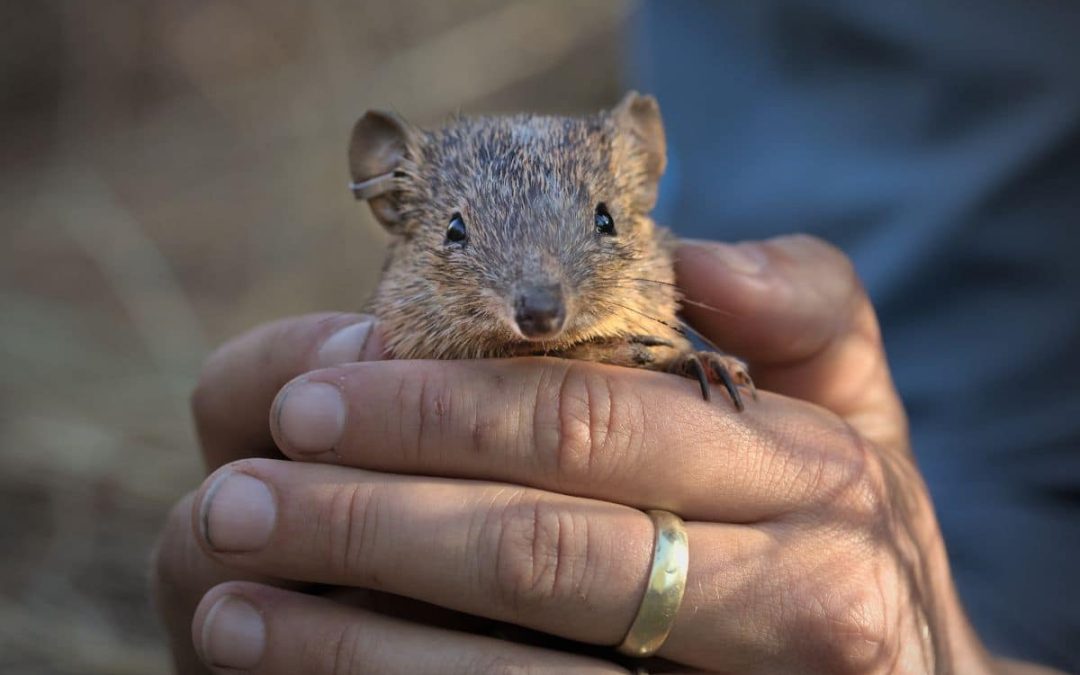
Golden Bandicoot. Credits: Australian Wildlife Conservancy
Partner Organisation: Australian Wildlife Conservancy
Location: Australia
Across Australia’s sweeping deserts, ancient savannas, and misty mountain forests. From the Top End to temperate bushland, our new Alliance Partner Australian Wildlife Conservancy (AWC), is lighting a hopeful path for Australian wildlife—and they’re doing it with science, scale and soul.
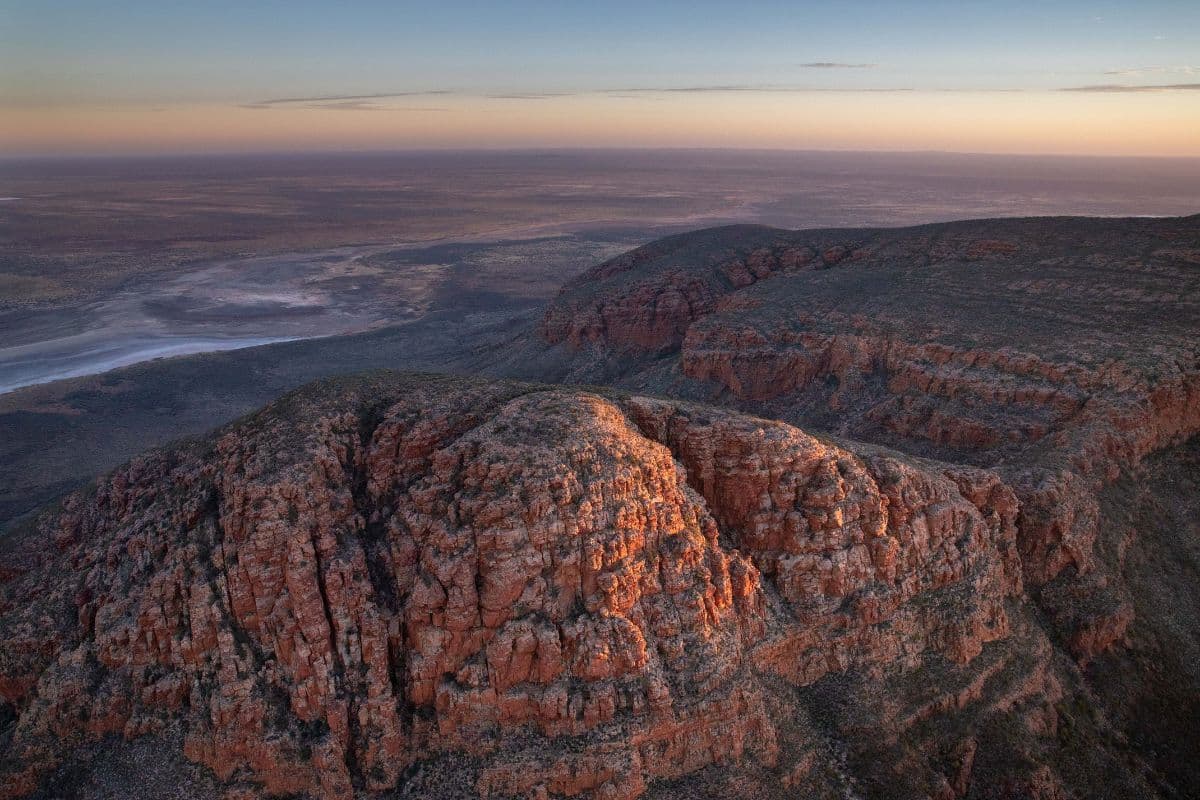
Ngalurrtju Aboriginal Land Trust, on the eastern edge of the Great Sandy Desert, adjoins Australian Wildlife Conservancy’s (AWC) Newhaven Sanctuary, protecting nearly 600,000 hectares in Central Australia. Photo Credits: Ngalurrtju Ridge – Brad Leue.
At a time when Australia’s wildlife faces extraordinary challenges, AWC is showing what’s possible when restoration plans are bold, grounded in research, and rooted in collaboration. Spanning more than 30 landscapes, AWC directly owns, manages or works in partnership across more than 6.8 million hectares of land. Through strategic pastoral partnerships they are influencing and growing restoration outcomes across a further 6.1 million hectares. Collectively, AWC is contributing to conservation outcomes across approximately 1.7% of Australia. They’re restoring life and healing country through partnerships and positive action.
Bringing Wildlife Back
For AWC, rewilding is more than an idea—it’s an action plan that can be approached in different ways in relation to the landscape. Across their sanctuaries, they’re bringing species back from the brink, reintroducing native mammals like the Numbat, Bilby, and Bridled Nailtail Wallaby into predator-free havens where they can once again dig, forage, and scurry about.
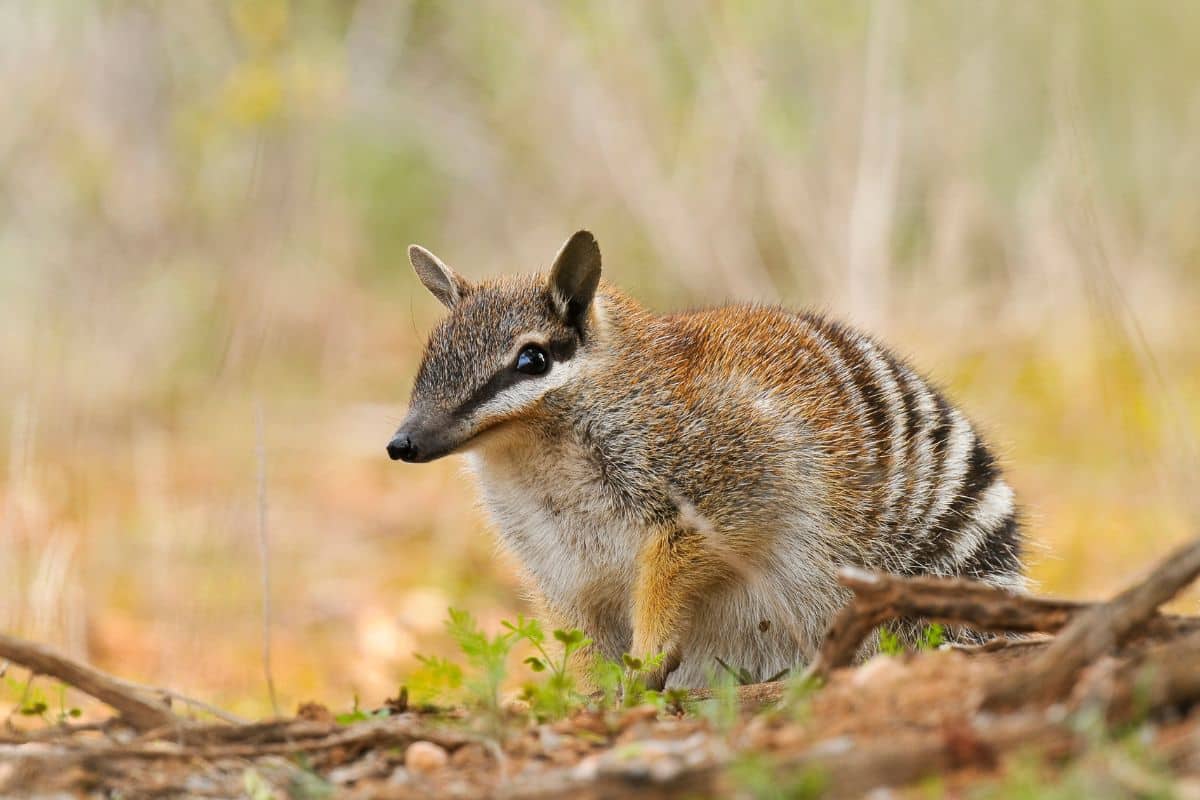
The Numbat is unique among Australian mammals. It is a highly specialised, termite eating marsupial. AWC protects Numbat populations within large, feral predator-free fenced areas at Yookamurra (SA), Mt Gibson (WA) and Scotia (NSW) wildlife sanctuaries, and at Mallee Cliffs National Park (NSW). Credits: Australian Wildlife Conservancy
These reintroductions aren’t symbolic gestures, they’re carefully planned, scientifically monitored, and designed to rebuild entire ecosystems. The return of one small marsupial can help aerate soils, disperse seeds, and trigger a cascade of ecological benefits—now that is a small creature with a huge impact.
Taking on Invasive Alien Species: Weeds and Feral Predators
Australia’s native animals evolved in a land without Foxes, Cats, or Cane Toads—and these introduced species have devastated wildlife across the continent. AWC is on the front lines, fighting back with one of the most comprehensive feral predator control programs in the country.
From large-scale Cat and Fox control to weed eradication, they’re protecting critical habitat and giving native species the space they need to recover. It’s gritty, ground-level work—and it’s changing the game for Australia’s most vulnerable animals.
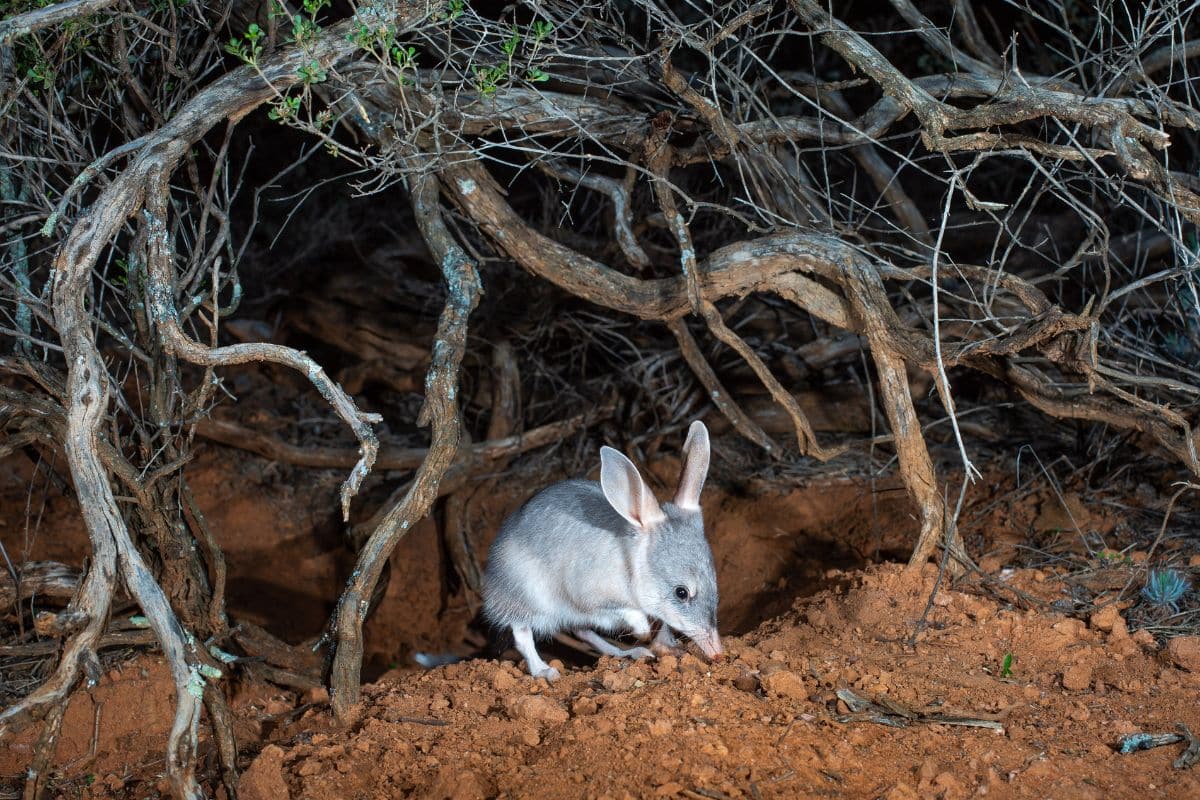
The Greater Bilby is an iconic Australian marsupial, instantly recognisable by its long pink ears and long, pointed snout. AWC protects the Greater Bilby within six feral predator-free areas at Newhaven, Mt Gibson, Scotia and Yookamurra Wildlife Sanctuaries, as well as at Mallee Cliffs National Park and The Pilliga Conservation Area. Credits: Australian Wildlife Conservancy
Fire as a Friend, Not a Foe
AWC also understands that fire, when used wisely, is a vital part of the Australian landscape. For tens of thousands of years, First Nations Australians have used fire to shape ecosystems, promote biodiversity, and reduce the risk of catastrophic blazes.
AWC works closely with First Nations and ecologists to restore healthy fire patterns across millions of hectares. These fire regimes help prevent destructive wildfires, protect habitat for fire-sensitive species, and maintain the balance of diverse ecosystems, from spinifex deserts to tropical savannas.
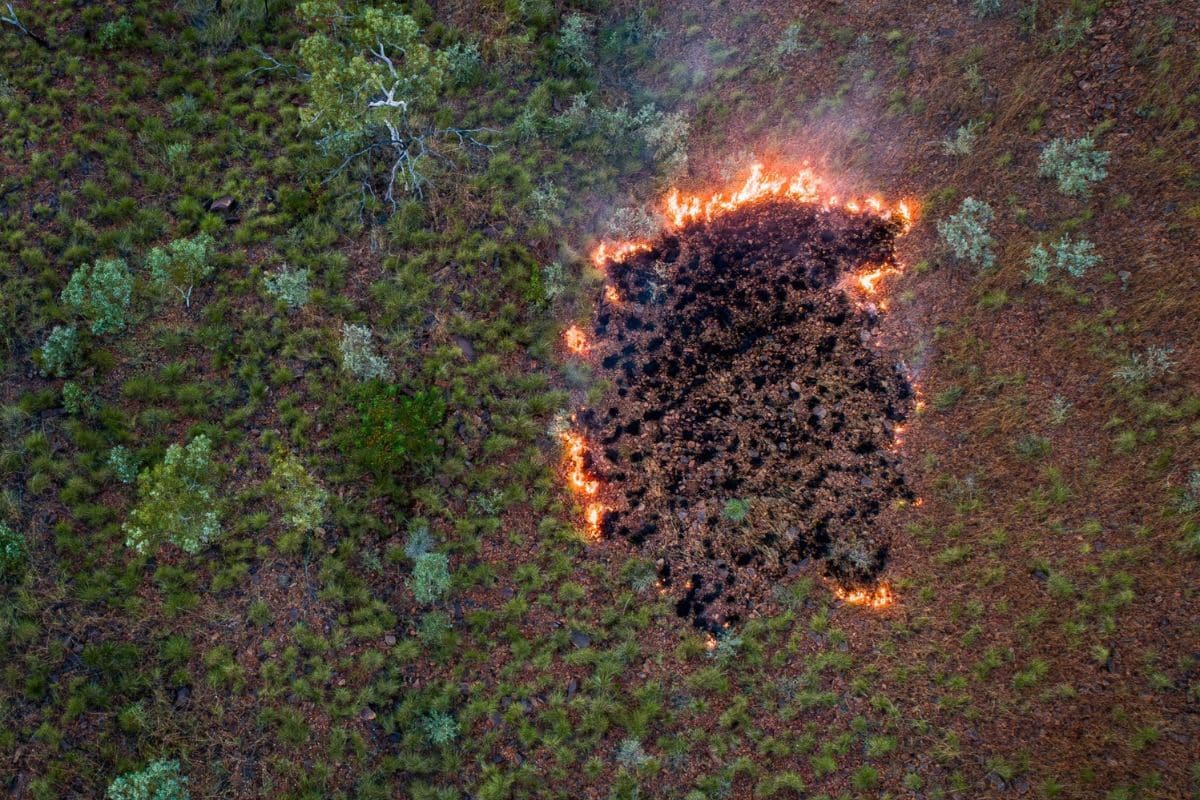
AWC leads one of the largest ecological fire programs in the Australia. Across their sanctuaries and partnership sites, they are restoring healthy fire patterns with a program of strategic planned burning. Photo: Planned burns. Credits: Australian Wildlife Conservancy
Partnerships that Power Change
AWC knows that restoration can’t happen in a vacuum. That’s why partnerships—with First Nations communities, pastoralists, governments, and private landholders—are at the heart of their work. These collaborations help expand the reach of their programs, share knowledge, and ensure that conservation is inclusive, respectful, and enduring.
By working together, AWC and their partners are stitching together a stronger safety net for wildlife across boundaries and landscapes.
Science with a Purpose
At every step, AWC’s approach is underpinned by world-class science. Driven by data and guided by a deep love for the land, their field ecologists and wildlife researchers monitor ecosystems, measure outcomes, and adapt their strategies based on real-time results.
Their science understands what’s been lost and reveals next steps to breathe life back into the land—these are blueprints for recovery. Whether tracking elusive mammals with camera traps, tagging birds, or mapping plant communities, AWC’s science team ensures that every hectare protected and every species restored is part of a broader ecological story.
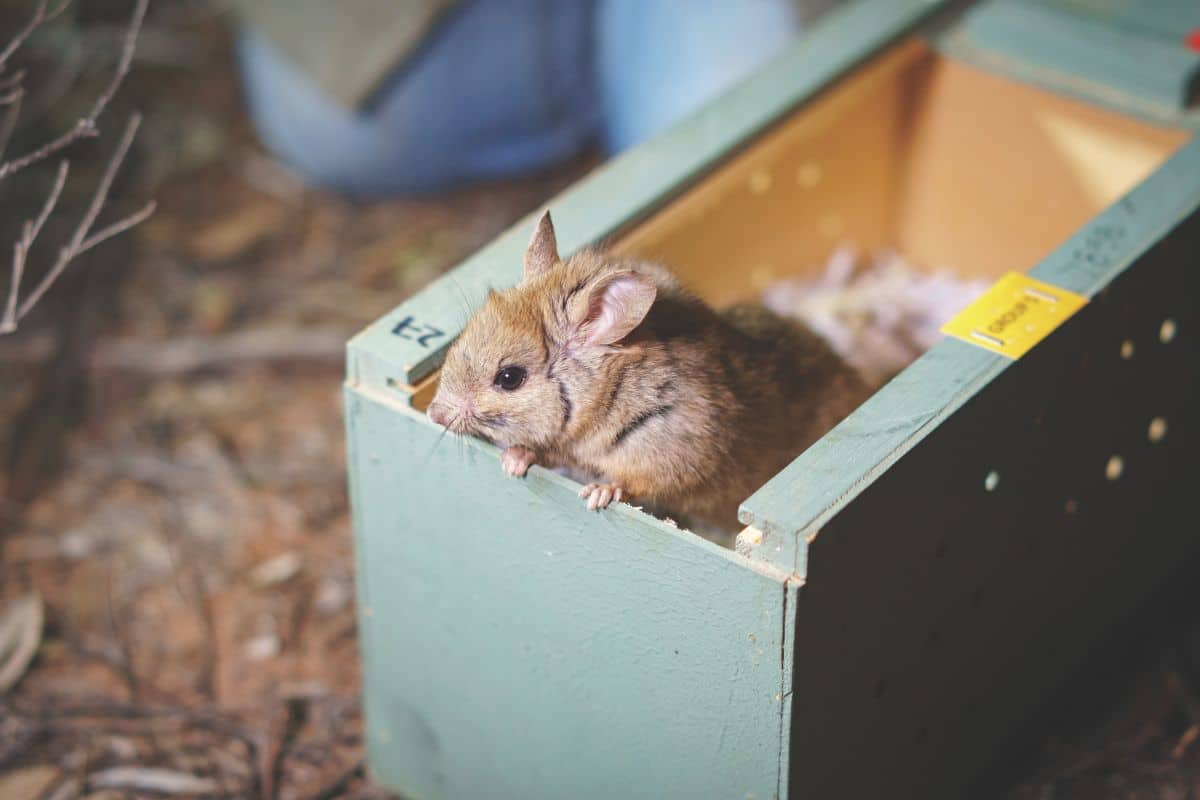
Translocation of a Greater Stick-nest Rat. AWC’s translocation program makes a substantial contribution to the conservation of threatened mammals in Australia. Credits: Australian Wildlife Conservancy
A Blueprint for Hope
In a country with the world’s worst mammal extinction rate, AWC is offering a hopeful counter-narrative—one of regeneration, resilience, and respect for nature. They’re proving that with the right mix of vision, science, and partnership, we can not only halt biodiversity loss but actively reverse it.
From tiny desert dwellers to towering eucalypts, we can hear the wild heart of Australia beating again.
Visit their website to learn more about their work protecting Australia’s unique wildlife.
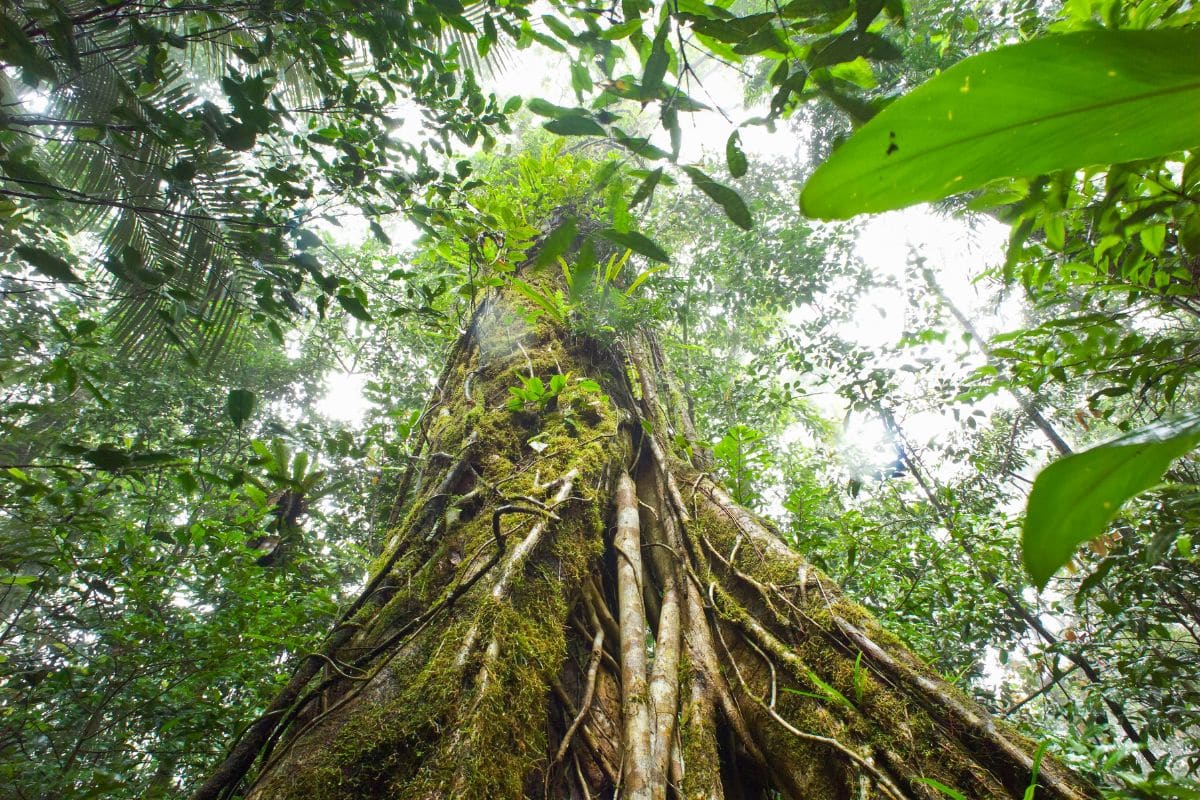
Tropical Montane Rainforest with Fungi Credits: Australian Wildlife Conservancy