
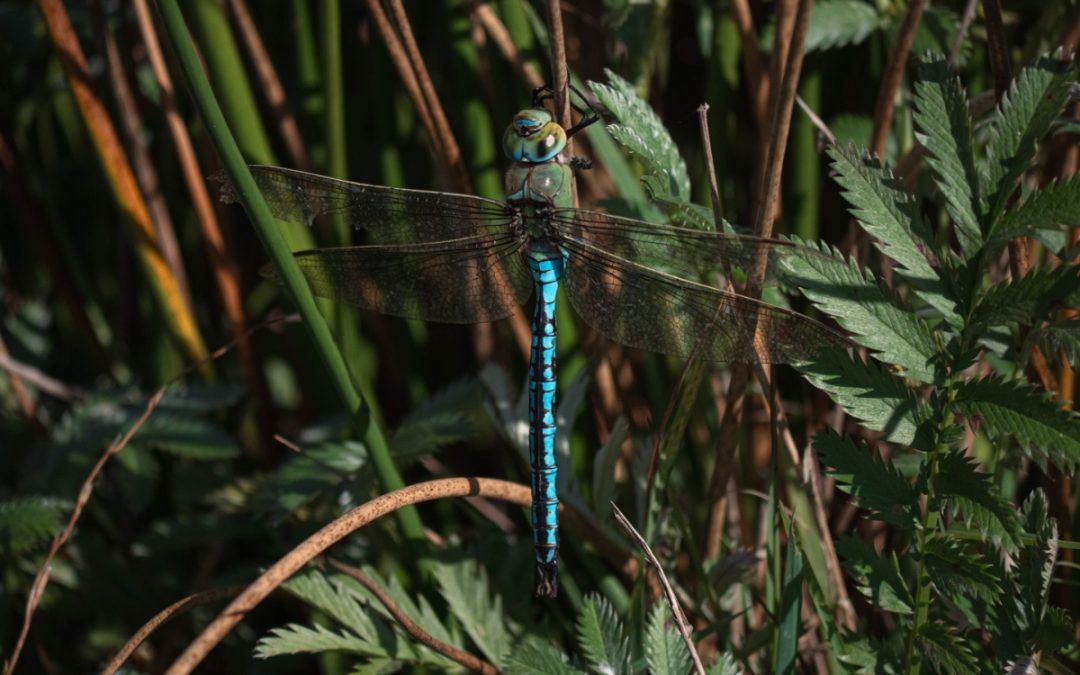
Dragonfly. Photo credit: Matt Jarvis.
Partner Organisation: Somerset Wildlands
Location: UK
In the heart of Somerset, a quiet revolution is taking place. Somerset Wildlands, our new Alliance Partner, is seeking to redefine our relationship with the natural world by restoring ecosystems, rewilding landscapes, and reconnecting people with the wild. Their focus starts on an area of low-lying former wetland known as the Somerset Levels.
With a bold mission to create space for nature, this grassroots initiative is proving that even in a densely populated and intensively farmed region, wildness can return—and with it, hope for a more biodiverse and resilient future.
Somerset Wildlands’ approach is simple yet radical: acquire land and step back, reduce human intervention, and allow ecosystems to regenerate on their own terms. To this end, the organisation focuses on acquiring small patches of land and letting time and natural processes transform them into thriving habitats, creating a mosaic of ecosystems within the wider landscape from the bottom up, and complementing the existing network of managed nature reserves in the area.
Have a look at their first five ‘wild stepping stones’.
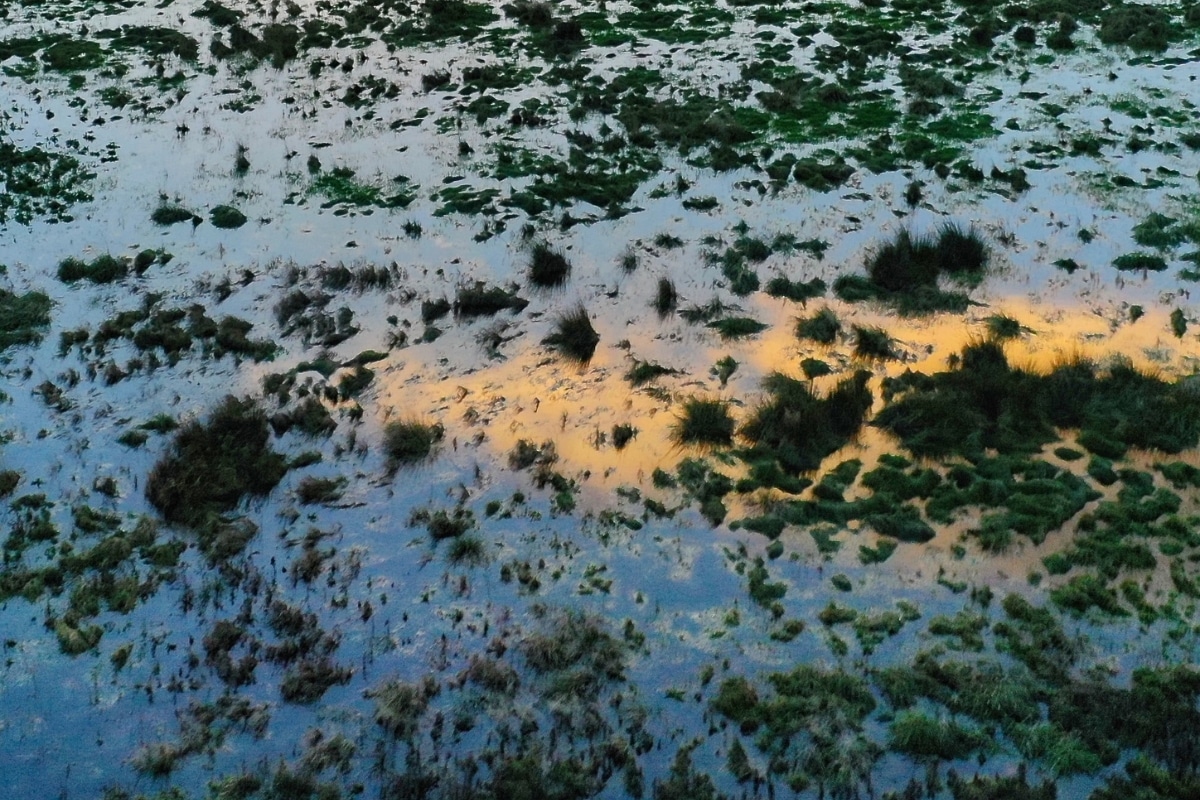
Godney Floods in 2023. Photo credit: Somerset Wildlands.
The organisation’s efforts are also rooted in collaboration. By working with landowners eager to rewild their own land, Somerset Wildlands is helping to build a network of wild spaces and corridors that can support larger-scale ecological recovery. Harnessing this network, they aim to become a resource for anyone wanting to rewild land. Their vision is not of isolated pockets of wilderness but about using stepping stones to create a connected, resilient landscape where nature and people can thrive together. The charity is also focused on building a strong community in support of rewilding in the area. On one new site it is teaming up with a local organisation to create a small food-forest garden to help with therapeutic mental health work, and to act as a transition zone between nearby housing and the wilder bits of the site beyond.
Somerset Wildlands’ successes are already visible. Their Baseline Monitoring of Bats at Somerset Wildlands Rewilding Sites revealed a thriving population of these elusive creatures, demonstrating how rewilded habitats can support sensitive species.
Meanwhile, the Flower Book for Athelney, celebrates the resurgence of wildflowers across the landscape, showcasing the beauty and diversity that rewilding can bring.
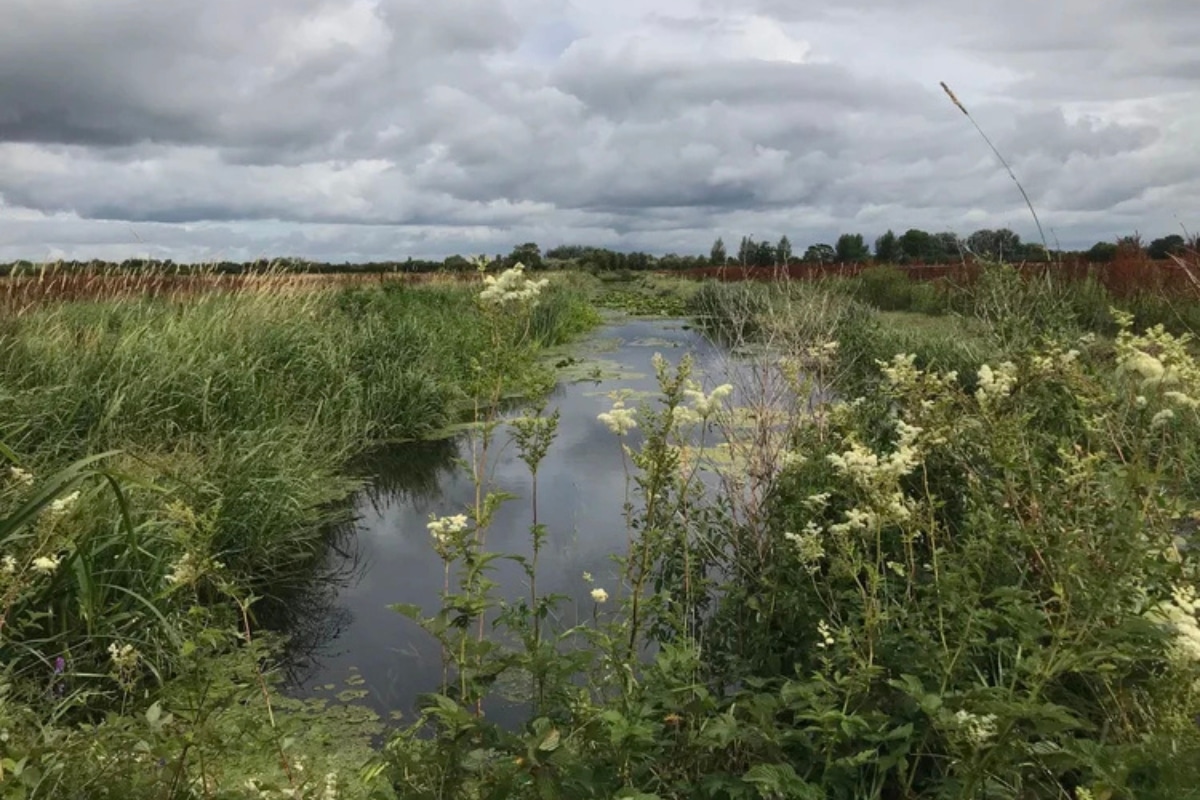
Picture of Athelney site. Photo credit: Somerset Wildlands.
Water voles are known to make a loud, sharp ‘plop’ as they dash into water. In May 2024, the Somerset Wildlands team started hearing this new sound more often as they walked by the main channel in their Athelney site. Thanks to a team of ecologists and some eDNA analysis, the presence of water voles was confirmed – a species in serious decline and of significant importance in wetland ecosystems. Other nationally important species recorded in the area include European Cranes, Marsh Harriers, Otters, Eels and several others. Beavers and Wild Boar have also been spotted in the wider region and it is hoped they will turn up in the coming years.
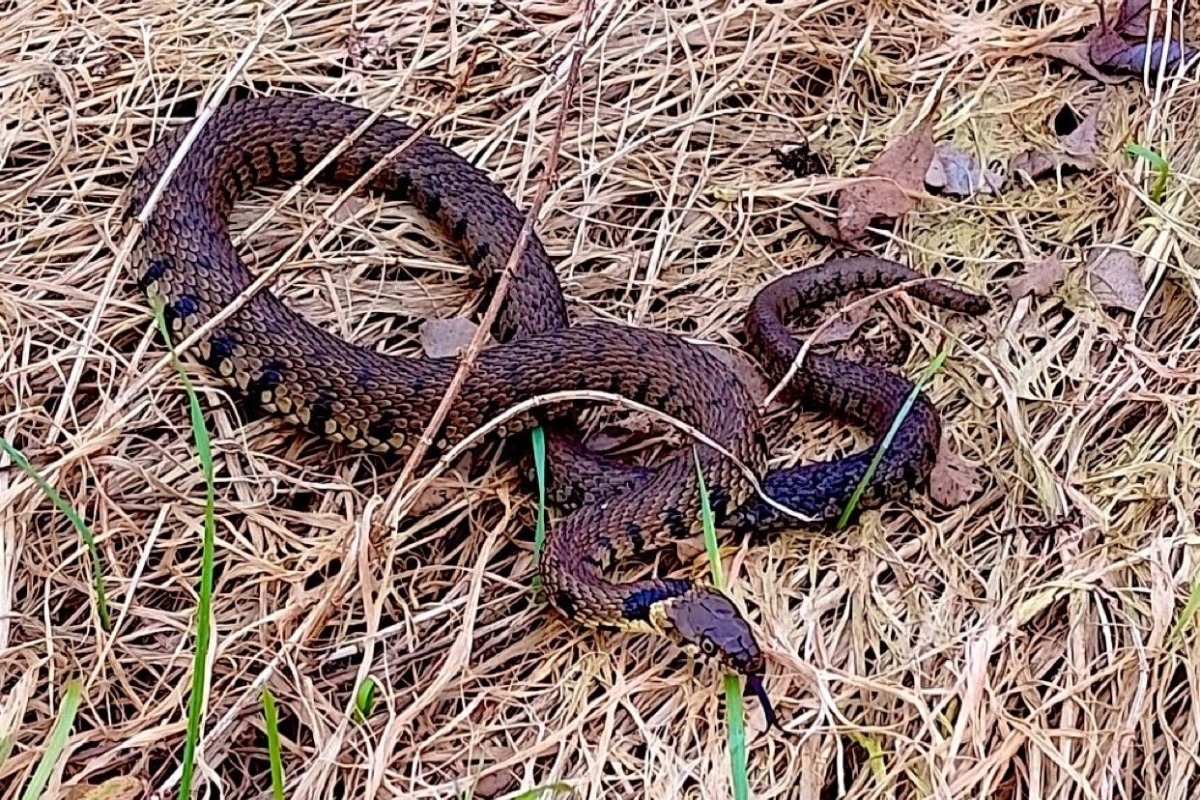
Common Snake (Natrix natrix) at White Droves. Photo credit: Somerset Wildlands.
In a world grappling with climate change and biodiversity loss, Somerset Wildlands offers a little bit of hope. It’s a reminder that nature can rebound—if we let it. By rewilding in the Somerset Levels, Somerset Wildlands is restoring ecosystems – rekindling a sense of wonder and possibility. And in doing so, it’s showing us all what a wilder, brighter future could look like.
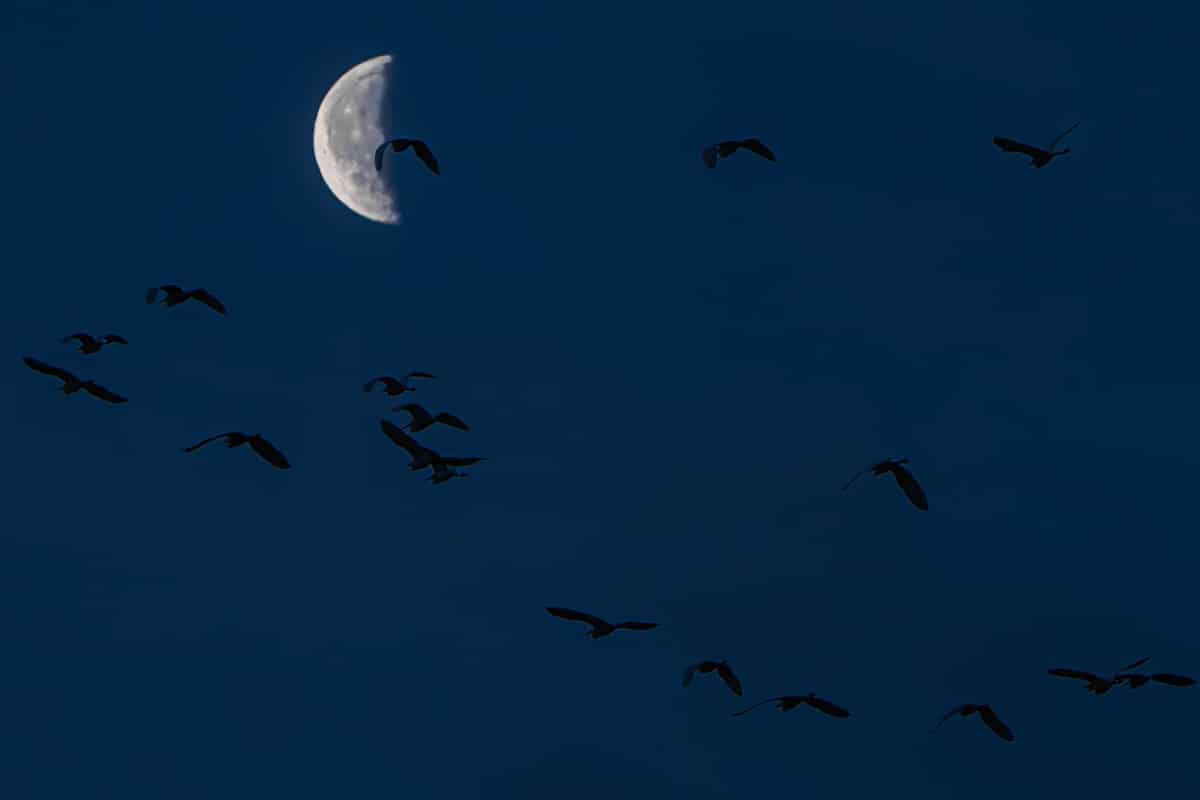
Little Egrets at the Athelney site. Photo credit: Medard Sandor.
The Global Rewilding Alliance is happy to join Somerset Wildlands on this transformative journey, rewilding the world one patch of land at a time.