
Photo credit: Fundación Montescola.
Partner Organisation: Fundación Montescola
Location: Galicia, Spain
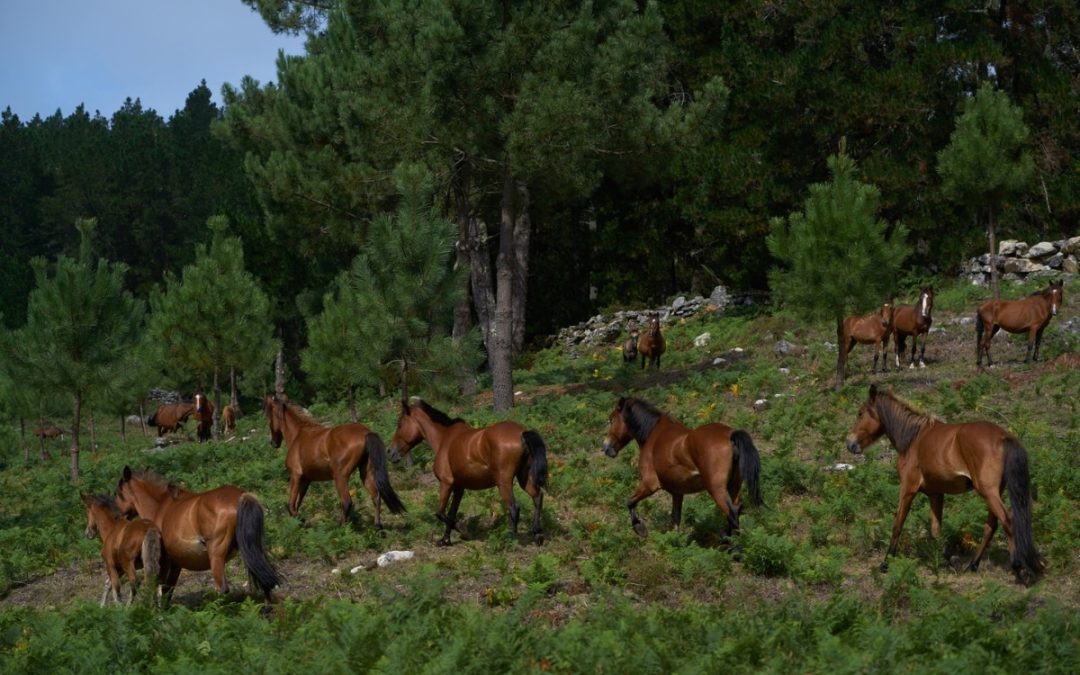
When we think of firefighters, people wearing red uniforms probably come to mind. In Spain, some of the most effective firefighters don’t carry hoses or wear helmets. Instead they graze the hillsides on four legs: Galician wild horses are emerging as unlikely heroes in facing increasing wildfires and our newest alliance partner Fundación Montescola is determined to see them return.
Since a huge wildfire in 2006, Fundación Montescola has spearheaded ecological restoration in Froxán, a small Galician village with 100 hectares of communal land. Starting with the removal of highly flammable non-native species like eucalyptus and pine, 40 hectares have already been transformed with the help of 1,300 dedicated volunteers. This also includes restoring mixed deciduous forests and rewetting peatlands, essential for regulating the local watershed, establishing a model for the management of communal land.
Alongside their restoration work, Fundación Montescola recognises that the key to long-term ecological health and protection from wildfires lies not only in human-led habitat restoration but also in the rewilding of free-roaming, large herbivores like Galician wild horses.
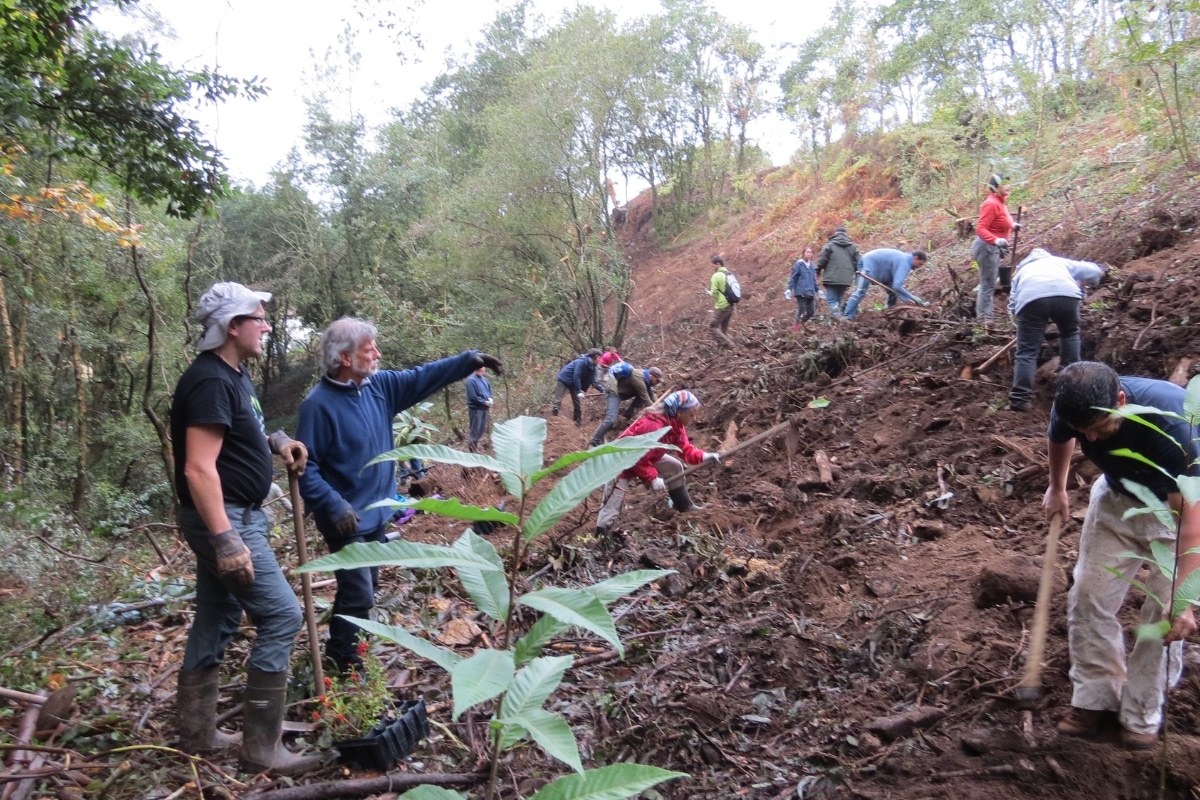
Photo credit: Fundación Montescola.
For centuries, Galician healthlands have been grazed by wild horses. Habitat change and the loss of wild horse numbers, saw the landscape become overgrown with the kind of vegetation that contributes to more intense and faster-spreading wildfires.
Fundación Montescola, in collaboration with a consortium of Galician organizations and common land communities, envisions a future where wild horses roam freely across 25,000 hectares of Galicia. Fundación Montescola aims to increase their population from the current 140 to 1000 wild horses across the project area.
Read this in-depth piece to learn more about the region’s intertwined history with wild horses, the ‘ecological jewels’, and the culture that has evolved alongside this interdependence that can be traced back to the Neolithic period.
With a diet comprising vast quantities of grass and leaves from shrubby trees, the horses act as firefighters by reducing the volume of combustible vegetation in the landscape. This was evidenced by the 45 Garrano horses released into the 1000-hectare Faia Brava Reserve of the Côa Valley. In 2017, while much of Portugal’s Greater Côa Valley was severely impacted by fire, the rewilded Faia Brava reserve and surrounding area has proven resilient and escaped serious wildfire outbreaks since 2005.
The rewilding of Galicia challenges us to acknowledge not only the positive contributions of human-led habitat restoration, but also the irreplaceable role of large herbivores in creating thriving, climate-resilient ecosystems.
We warmly welcome Fundación Montescola!
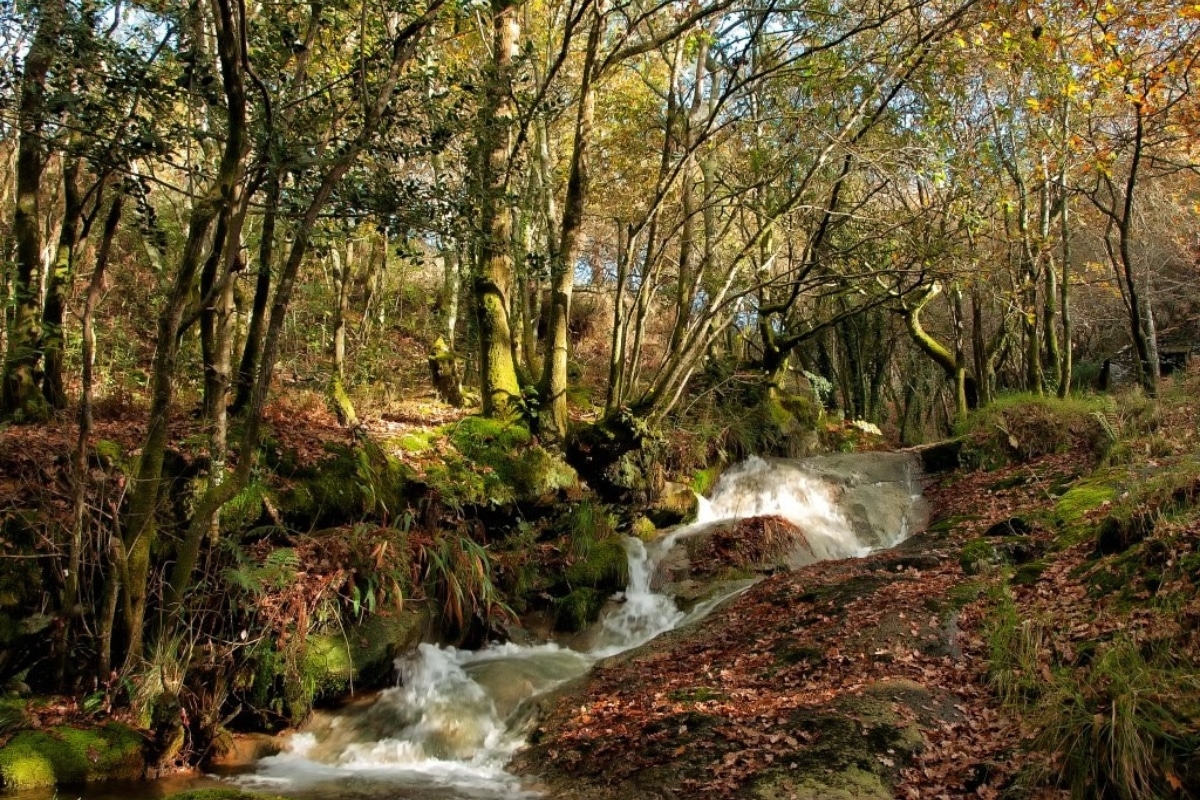
Photo credit: Fundación Montescola.