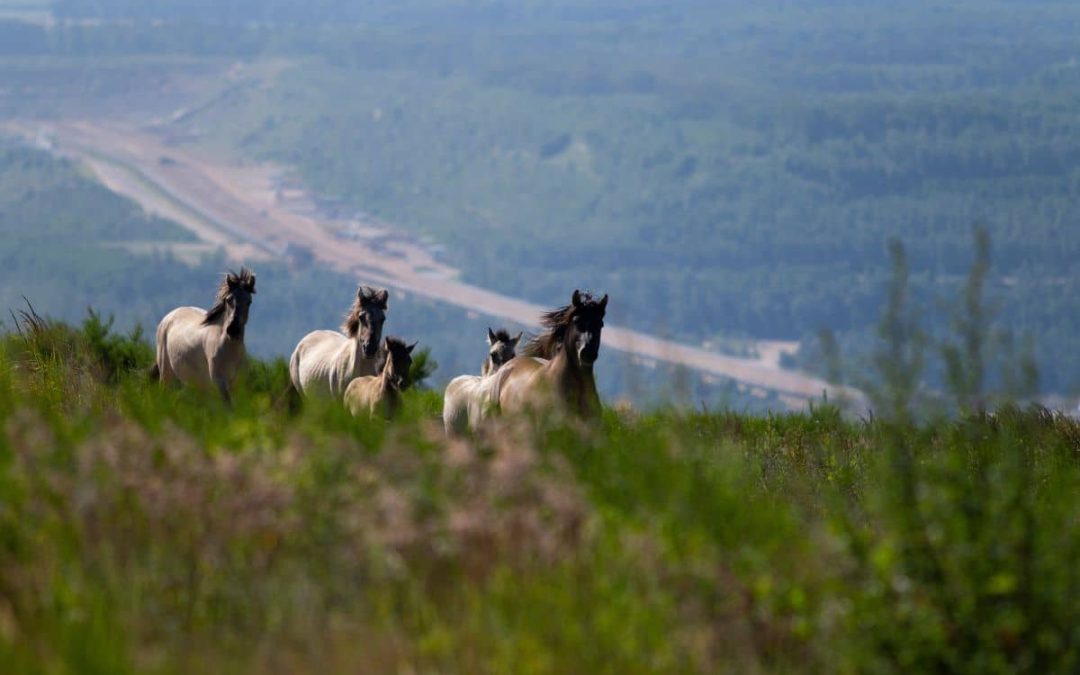
Konik Horses. Credits: FREE Nature
Partner Organisation: Foundation for Restoring European Ecosystems Nature – FREE Nature
Location: The Netherlands
Imagine European landscapes where nature thrives within and alongside villages, where wild Horses gallop freely, Bison roam woodlands, and meadows bloom with life. As we welcome our newest partner FREE Nature—the Foundation for Restoring European Ecosystems—we have begun to see such landscapes across the Netherlands, Belgium, and Germany thanks to their work.
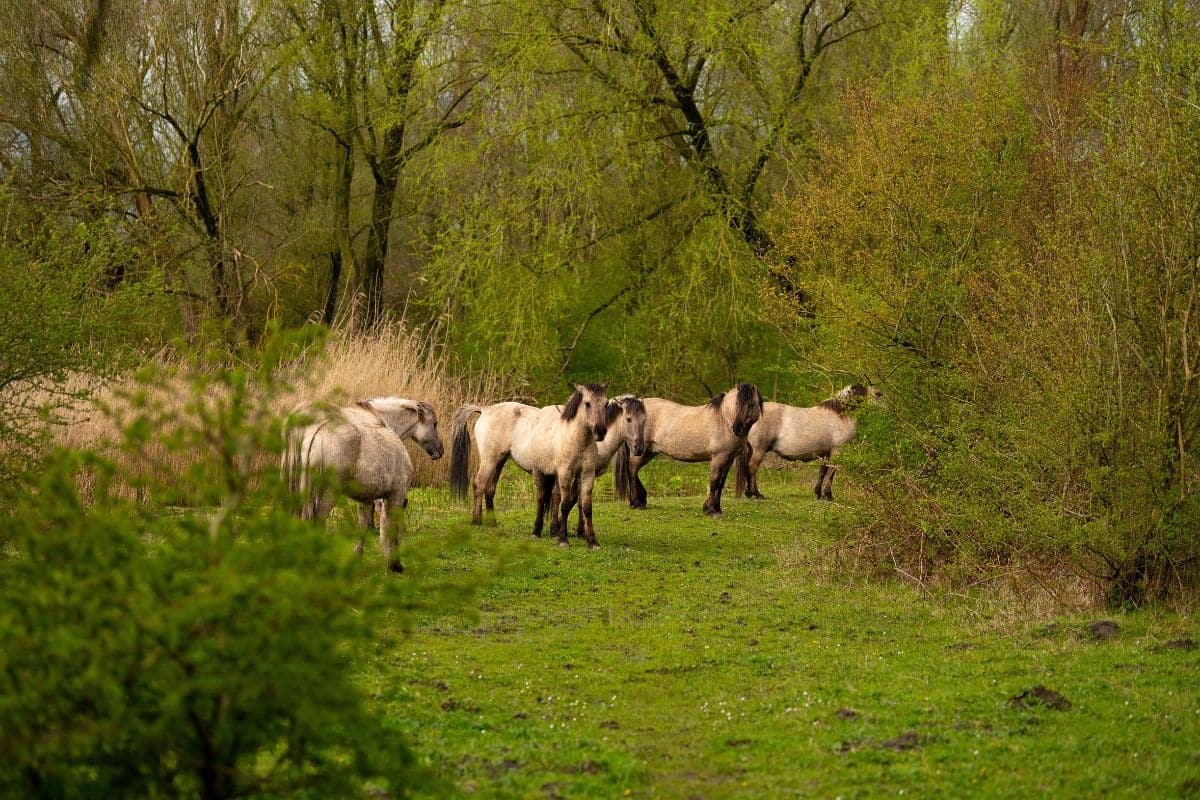
Founded in 2007 as part of ARK Rewilding, another of our wonderful Alliance Partners, FREE Nature is the largest private natural grazing organisation in the Netherlands. With over 25 years of experience, they specialise in reintroducing large herbivores—like Konik Horses, European Bison, and Water Buffalo—into ecosystems where they once roamed freely. Their mission? To let nature be nature, allowing natural processes to shape landscapes with minimal human intervention.
The Magic of Natural Grazing
Historically, large herbivores such as Aurochs, wild Horses, and Bison have played a crucial role in shaping Europe's diverse landscapes. Their grazing prevents overgrowth, maintains open habitats, and supports a rich tapestry of plant and animal life. However, their presence has been lost from many vast European landscapes. But, with a helping hand from rewilders and local communities, they can return along with the plethora of ecosystem services they kickstart.
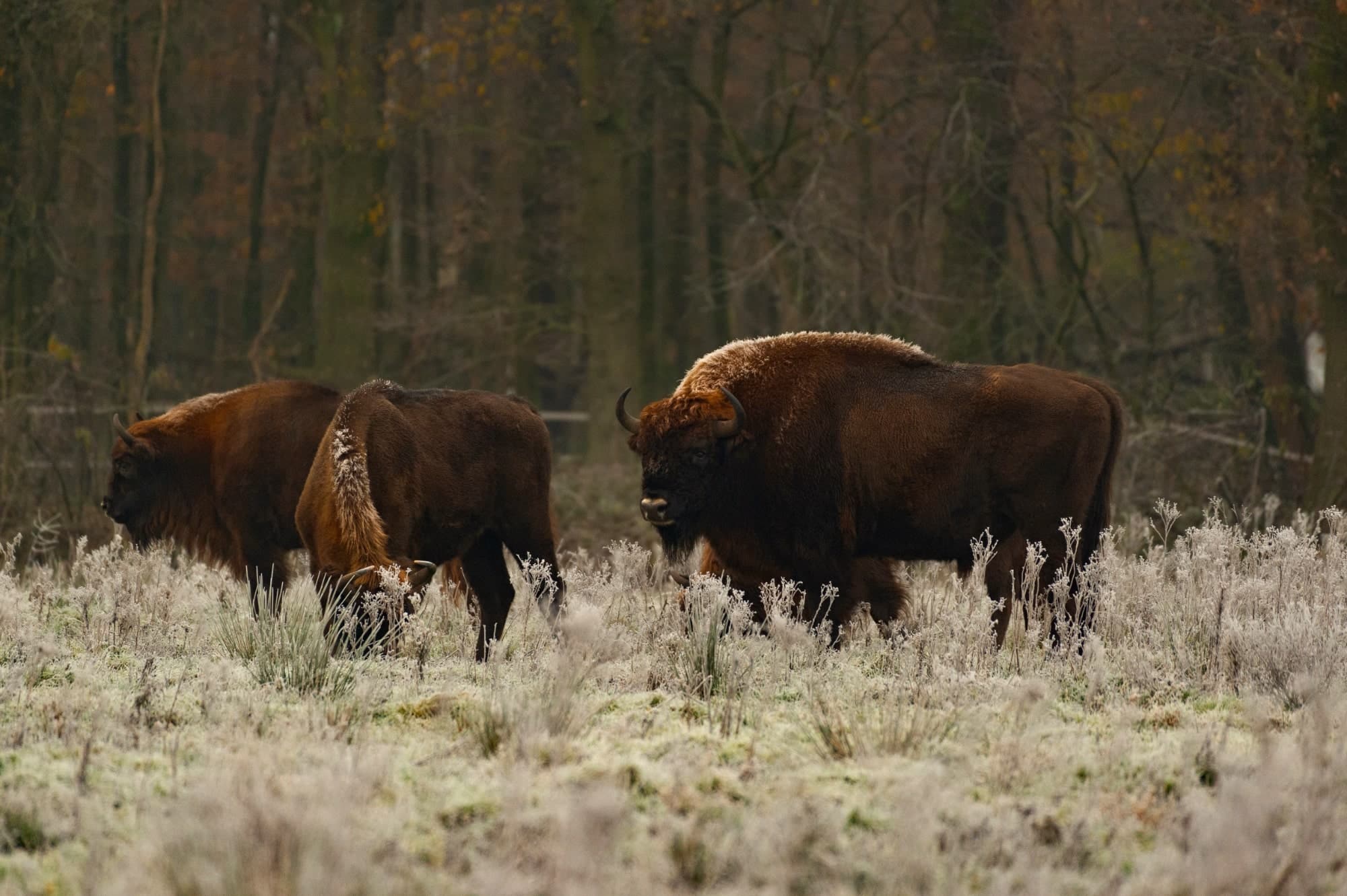
Today, FREE Nature brings this vision to life by managing social herds of wild or semi-wild grazers. These animals live with minimal human interference, forming their own social structures and behaviours. This natural herd dynamic ensures that grazing is balanced, promoting biodiversity and preventing the encroachment of shrubs and trees.
Grazing Across Borders
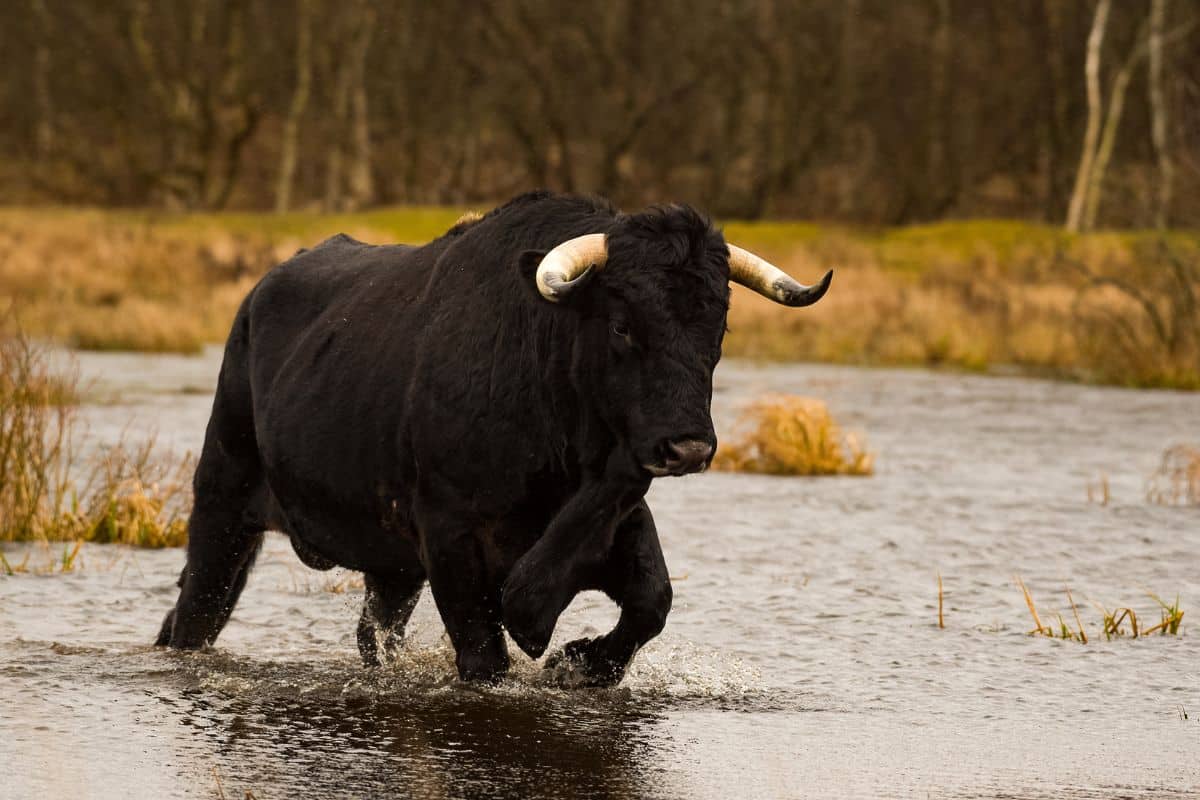
FREE Nature’s impact stretches across more than 30 nature reserves in Europe. One of those is the Slikken van de Heen reserve in Zeeland, Netherlands. Here, a mix of Konik horses, European bison and Rod Geus bovines work together to maintain a mosaic landscape of reed beds, grasslands and wetlands. This dynamic grazing not only preserves the habitat but also supports a variety of bird species, including white-tailed Eagles and the European Stonechat. Delve deeper and learn more about these nature reserves.
As part of their longstanding commitment to the preservation of the European Bison, FREE Nature welcomed two new bulls into the De Maashorst nature reserve on April 15th of this year. The bulls journeyed from Pszczyna, Poland where a small herd has been living since 1865. This increases the herd at De Maashorst to 14 individuals encouraging genetic diversity which is crucial to the survival of this near threatened species. This recent addition is another example of the close transboundary collaboration, important to FREE Nature’s team.
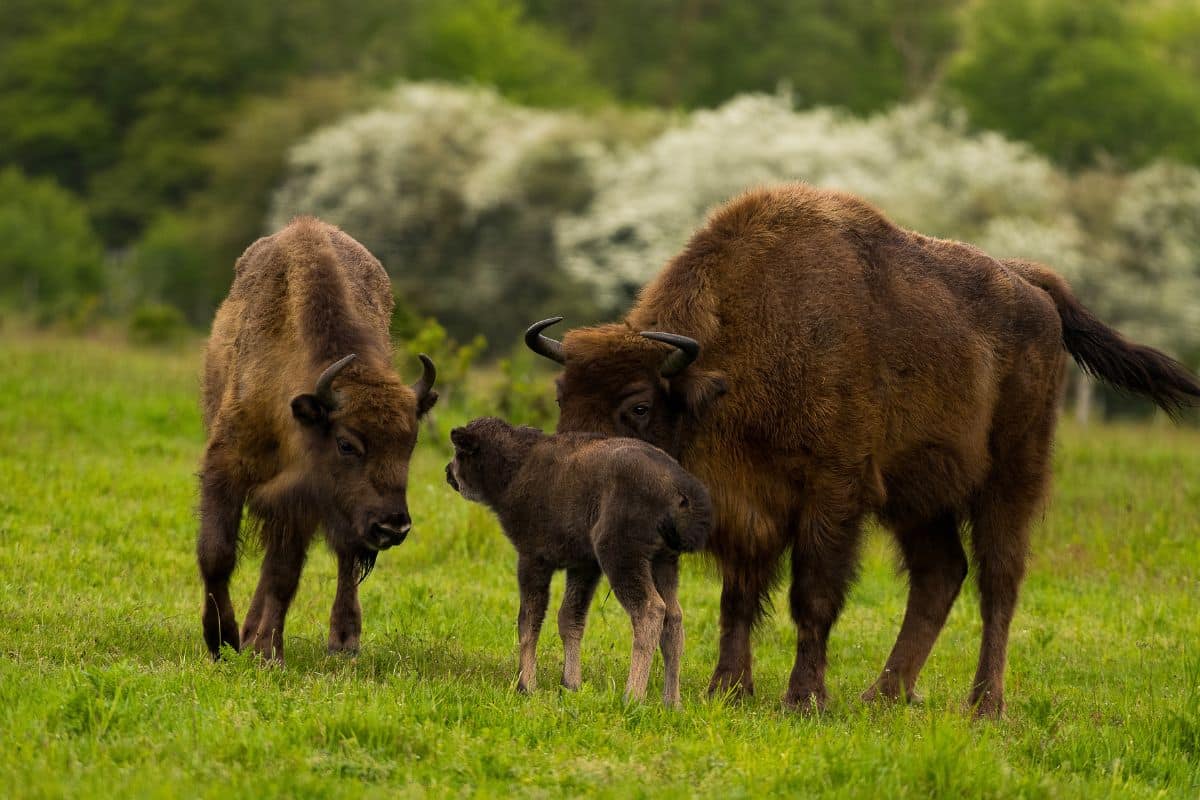
Their work extends beyond borders, collaborating with partners across Europe to share knowledge and expand rewilding efforts. Through these collaborative initiatives, just like the bulls from Poland, FREE Nature contributes to a continent-wide movement of ecological restoration.
A little more about grazers
The large herbivores reintroduced by FREE Nature are true ecosystem engineers. By grazing, they create a patchwork of habitats—from open grasslands to scrubby thickets—each supporting different species.
Their presence helps to:
Maintain open landscapes: preventing the spread of invasive shrubs and trees and opening landscapes, reducing the risk of catastrophic fire, and increasing carbon storage and climate change resilience.
Enhance biodiversity: creating varied habitats for numerous plant and animal species.
Improve flood resilience: by grazing in wetlands, they help maintain natural water flow and reduce flood risks.

Community at the Core
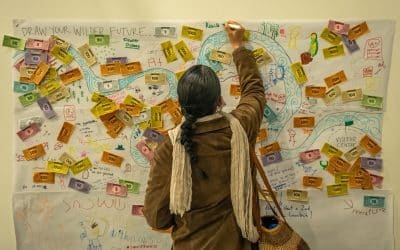
FREE Nature believes in the power of community. They engage local people through volunteering, educational programs and participatory planning. By involving communities, they ensure that rewilding efforts are successful, sustainable and supported by those who live closest to the land. These collaborations are centered around a longterm vision which encourages communities to lead and take on the stewardship of the areas.
Tailored approach
Rich from its many years of experience, FREE Nature shares the knowledge the team has acquired through their annual, four-day Practical Natural Grazing course. They also tailor their course for various organisations—whether you are an experienced manager or just starting—, building a strong network of natural grazing advocates.