WETLANDS CASE STUDIES
On-the-ground rewilding projects for wetland recovery.
Rewilding Sweden
Sweden
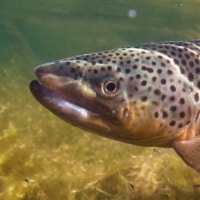
Freshwater Pearl Mussel, Atlantic Salmon and Brown Trout’s conservation is essential for maintaining the health and resilience of river ecosystems.
The conservation of the Freshwater Pearl Mussel, Atlantic Salmon and Brown Trout is essential for maintaining the health and resilience of river ecosystems. Their interconnected survival depends on a landscape-scale approach that restores both species and habitats.
Case study: River Ecosystem Restoration
Global Rewilding Alliance
Coastal
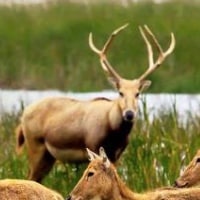
Shorebirds and Père David’s Deer play essential roles in maintaining and restoring coastal wetland ecosystems and provide key ecosystem services.
Shorebirds and Père David’s Deer play essential roles in maintaining and restoring coastal wetland ecosystems. Their combined impacts provide key ecosystem services, including carbon sequestration, sediment stabilization, and improved water quality.
Case study: Coastal Wetland Integration
ARK Rewilding Nederland
The Netherlands
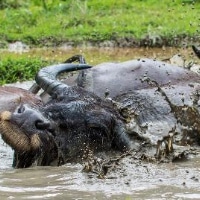
ARK demonstrates the significant ecological impacts of large terrestrial herbivores on wetland habitats, from Elephants to Beavers.
Elephants, Hippos, Horses, Bovines, Beavers, Water Buffalo and other large herbivores all play crucial roles in their environment and provide rich areas that support a variety of other species. ARK demonstrates the significant ecological impacts of large terrestrial herbivores on wetland habitats.
Case study: Herbivores and Wetland Habitats
Bamff Wildland
Scotland
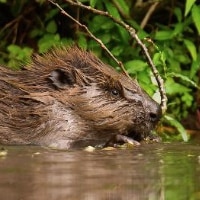
The extensive beaver-engineered wetlands adopt a ‘catalysed rewilding’ approach involving minimal interventions to encourage a self-sustaining ecosystem.
The 170-hectare Bamff Wildland, comprising fields, woodlands, and extensive beaver-engineered wetlands, adopts a ‘catalysed rewilding’ approach. This method involves minimal interventions, such as native tree planting and invasive species control, to encourage a self-sustaining ecosystem.
Case study: Beaver-led Wetland Engineering
Global Rewilding Alliance
Global
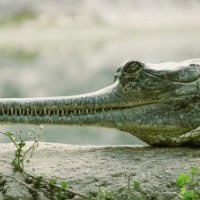
Crocodylians act as ecosystem engineers. Their presence in ecosystems serves as a barometer for water management and hydrological functions, highlighting their potential as ecosystem health indicators.
Crocodylians are among the largest predators in their habitats and act as ecosystem engineers, modifying habitats by constructing dens, holes, and mound nests. Their presence in ecosystems like the Florida Everglades serves as a barometer for water management and hydrological functions, highlighting their potential as ecosystem health indicators.
Case study: Crocodylian’s Ecological Roles
Rewilding Apennines
Italy
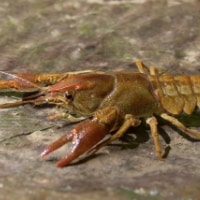
The Central Apennines in Italy host diverse aquatic ecosystems, home to the endangered White-Clawed Crayfish, a key species that plays a vital role in maintaining water quality and supporting food webs.
The Central Apennines in Italy host diverse aquatic ecosystems, home to the endangered White-Clawed Crayfish, a key species that plays a vital role in maintaining water quality and supporting food webs. Rewilding Apennines has taken action to restore the species through breeding centres and habitat rehabilitation.
Case study: Freshwater Biodiversity Conservation
Wildlife Trust of India
India
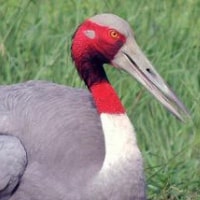
The Sarus Crane serves as a key indicator of wetland health as they provide crucial ecosystem services, including habitat enhancement, nutrient cycling, and biodiversity support.
The Ganges River basin hosts diverse wetlands vital for biodiversity, including the culturally significant but vulnerable Sarus Crane, which depends on both natural and man-made wetlands. The Sarus Crane serves as a key indicator of wetland health as they provide crucial ecosystem services, including habitat enhancement, nutrient cycling, and biodiversity support.
Case study: Sarus Crane Ecosystem Services
Wildlife Conservation Trust India
India
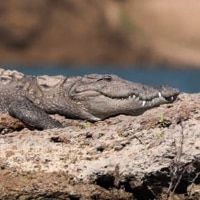
Protected areas like the National Chambal Sanctuary are crucial for the ongoing health of India’s diverse ecosystems, ensuring the survival of both aquatic and semi-aquatic species.
Despite threats from habitat destruction, pollution, and climate change, protected areas like the National Chambal Sanctuary are crucial for the ongoing health of India’s diverse ecosystems, ensuring the survival of both aquatic and semi-aquatic species.
Case study: Ecological Role of Large Fishes & Reptiles
Rewilding Argentina
Argentina
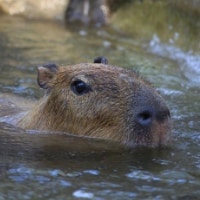
In the Ibera Wetlands, key species like Jaguars help control the Capybara population and restore natural trophic cascades that balance ecosystem dynamics.
In the Ibera Wetlands, the reintroduction of key species like Jaguars help control the Capybara population and restore natural trophic cascades that balance ecosystem dynamics. Species such as Caimans, Giant River Otters, Collared Peccaries and Marsh Deer play crucial roles in nutrient cycling and ecosystem engineering, maintaining balance and enhancing biodiversity through their natural behaviours.
Case study: Top Predators & Ecosystem Health
Rewilding Ukraine
Ukraine
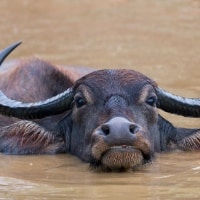
The Danube Delta is one of the most crucial habitats for wetland wildlife on the continent. Rewilding efforts highlight the significant impact of diverse herbivore populations on ecological restoration.
The Danube Delta is one of the most crucial habitats for wetland wildlife on the continent. Rewilding efforts emphasise natural grazing systems, highlighting the significant impact of diverse herbivore populations, such as Ukrainian Grey Cattle and Hutsul Horses, on ecological restoration.
Case study: Danube Delta Rewilding
Re:wild
Vietnam
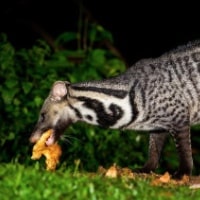
Wildlife in U Minh plays a significant role as ecosystem engineers, influencing habitat structure, nutrient cycling, and seed dispersal.
Wildlife in U Minh, such as Waterbirds, Sunda Pangolins, Otters, Civets, Turtles and Long-Tailed Macaques play significant roles as ecosystem engineers, influencing habitat structure, nutrient cycling, and seed dispersal. Rewilding and conservation efforts in the U Minh Wetlands have been actively pursued and the ecosystem is gradually recuperating.
Case study: U Minh Wetland Conservation

The Wetlands Working Group
18 Alliance Partners (and growing) have joined the Wetlands Working Group, including:



Plus expert representatives from Swedish University of Agricultural Sciences; Nelson Mandela University (South Africa); Utrecht University (The Netherlands); Conservation International (USA); University of Cape Town (South Africa).